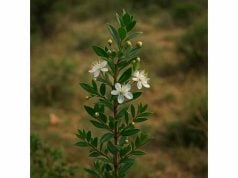
Magnolia is one of those plant names that sounds simple until you look closely. In older botanical writing, Magnolia glauca often refers to sweetbay magnolia, now more commonly treated as Magnolia virginiana. Yet many modern “magnolia bark” supplements, and much of the research behind claims about stress relief, digestive comfort, and sleep support, are based on Magnolia officinalis rather than sweetbay alone. That distinction matters, because it shapes how confidently we can talk about benefits, dosage, and safety.
Even with that caution, magnolia remains a fascinating medicinal plant group. Its bark contains well-studied lignans such as magnolol and honokiol, compounds linked to calming, anti-inflammatory, antioxidant, and digestive-support effects in laboratory and early human research. Traditional systems have also used magnolia bark for fullness, phlegm, cough, and tension-related symptoms. Used wisely, magnolia may have a role in stress support and digestive balance. Used carelessly, it can be oversold, poorly sourced, or mixed with medications in ways that deserve more caution than many supplement labels suggest.
Quick Overview
- Magnolia bark extracts may help with mild stress-related tension and digestive discomfort.
- Honokiol and magnolol are the best-known active compounds linked to calming and anti-inflammatory effects.
- Traditional magnolia bark use is often described at about 3 to 10 g daily, while many standardized extracts are sold in the 200 to 800 mg daily range.
- People who are pregnant, heavily sedated, or taking multiple central nervous system medications should avoid unsupervised use.
Table of Contents
- What Magnolia glauca refers to and why the name matters
- Key ingredients and bioactive compounds
- Magnolia health benefits and where the evidence is strongest
- Traditional uses and modern practical applications
- How to use Magnolia preparations wisely
- Dosage, timing, and quality considerations
- Safety, side effects, interactions, and who should avoid it
What Magnolia glauca refers to and why the name matters
Before discussing benefits, it helps to clarify the plant identity. The name Magnolia glauca has a long botanical history, but in practical herbal writing it can create confusion. In North American usage, it has often been associated with sweetbay magnolia, now commonly listed as Magnolia virginiana. At the same time, many of the widely repeated medicinal claims about “magnolia bark” come from East Asian species, especially Magnolia officinalis, whose bark has a long traditional medical history and a much larger research base.
This matters because not all magnolia species are interchangeable. They may share certain lignans and aromatic constituents, but the best-studied compounds, extraction methods, and traditional medical applications do not necessarily transfer cleanly from one species to another. If a supplement label simply says “magnolia bark,” the consumer may assume it refers to the same plant discussed in older Western botanical texts, when in fact it may be standardized from M. officinalis bark.
For readers trying to make practical sense of the topic, the safest approach is this: treat Magnolia glauca as a historical entry point, but treat most modern medicinal evidence as evidence about magnolia bark extracts richer in honokiol and magnolol, usually sourced from Asian medicinal magnolia species. That does not make sweetbay irrelevant. Sweetbay magnolia has its own ethnobotanical history in the eastern United States, and magnolia species in general do produce interesting protective compounds. But it does mean that a careful article should separate tradition, chemistry, and clinical evidence rather than blending them together.
Magnolia’s medicinal reputation developed largely around bark rather than flowers or leaves. The bark is the part most often linked with digestive support, tension, and “fullness” in traditional systems. In modern supplement culture, it is more often promoted for calm mood, occasional sleep difficulty, and stress-related overeating. Those contemporary uses reflect a shift in marketing, not necessarily a complete change in the plant’s biology.
Another reason the name matters is safety. When species identity is vague, buyers may not know what concentration of active compounds they are getting. One product may contain crude bark powder, another a honokiol-rich extract, and another a combination formula with other botanicals. Two labels can both say “magnolia” and still deliver very different effects.
So the most honest foundation for this article is simple. When people search for Magnolia glauca, they are often looking for the benefits associated with magnolia bark more broadly. That is a reasonable search, but it needs context. The chemistry and much of the usable dosage information come mainly from research on magnolia bark extracts, not from strong clinical trials on sweetbay magnolia as a stand-alone species.
Key ingredients and bioactive compounds
Magnolia’s medicinal profile is built around a relatively small number of compounds that have attracted a great deal of scientific interest. The two names that appear most often are magnolol and honokiol. These are lignans, more specifically biphenolic neolignans, and they are widely regarded as the main pharmacologically active markers in magnolia bark extracts.
Magnolol is often described as anti-inflammatory, antioxidant, and metabolically active in preclinical research. Honokiol is commonly discussed for calming, neuroactive, and anti-inflammatory properties. Both compounds are lipophilic, which helps explain why they cross biological membranes readily and why formulation quality matters for absorption. These compounds are also part of the reason magnolia bark is so often discussed in relation to the nervous system.
Other related compounds may also contribute to activity. Depending on the species and extract, magnolia bark can contain 4-O-methylhonokiol, obovatol, volatile oils, and additional phenolic constituents. These are not as famous as magnolol and honokiol, but they may shape how a whole-bark extract behaves. That is one reason isolated-compound research and traditional bark use do not always line up perfectly. Whole-plant preparations work as a chemical ensemble, not as a single purified ingredient.
From a practical standpoint, the bioactive pattern of magnolia suggests several likely mechanisms:
- modulation of GABA-related signaling, which may help explain calming and sleep-support claims
- reduction of inflammatory signaling pathways in laboratory models
- antioxidant protection against cellular stress
- effects on gastrointestinal tone, barrier function, and motility in experimental systems
These mechanisms are promising, but they need to be interpreted with restraint. A compound can look powerful in a cell study and still produce only modest real-world effects in humans. Magnolia is a good example of that gap. Its chemistry is compelling, but the clinical literature is still thinner than the supplement market often implies.
The plant matrix also raises an important quality issue. Two supplements with the same total milligrams of “magnolia bark extract” may differ greatly in actual honokiol and magnolol content. Some products are lightly processed crude powders. Others are enriched extracts. A few are heavily standardized and marketed around a particular percentage of honokiol. That means the phrase “key ingredients” is not just educational; it is a quality-control issue.
For readers who compare magnolia to other calming herbs, the chemistry is also distinctive. Rather than relying on the exact profile seen in classic nervines, magnolia’s reputation is tied to these specific lignans. That makes it chemically different from herbs discussed for gentler relaxation, such as lemon balm for mild calming support, even when the desired outcome overlaps.
In short, the key ingredients in magnolia are real, interesting, and biologically active. The practical takeaway is not that magnolia works like a sedative drug, but that bark extracts standardized around magnolol and honokiol are the forms most likely to reflect the research that consumers usually have in mind.
Magnolia health benefits and where the evidence is strongest
Magnolia’s best-known health claims fall into three broad areas: stress and mood support, sleep-related support, and digestive comfort. There are also broader claims around inflammation, metabolic health, and cardiovascular protection, but these are supported mainly by laboratory and animal research rather than strong human evidence.
The area with the most practical human relevance is mild stress-related tension. Magnolia bark extracts, especially in combination formulas, have shown some ability to reduce transient anxiety and perceived stress in limited human studies. The key phrase is limited. The data are encouraging, but they are not strong enough to place magnolia in the same evidence class as a well-established medication or a highly studied behavioral intervention. Magnolia is better thought of as a potential adjunct than as a primary treatment.
Sleep support is another common reason people reach for magnolia. The rationale comes partly from preclinical work showing that magnolol and honokiol interact with pathways involved in calmness and sleep onset. In real life, magnolia is usually marketed to people whose sleep trouble is linked to a keyed-up nervous system rather than to severe chronic insomnia. That distinction matters. A person with occasional difficulty unwinding may notice a benefit. A person with untreated sleep apnea, severe insomnia, or major depression should not expect magnolia to solve the underlying problem.
Digestive support is where traditional use and modern pharmacology overlap in an interesting way. Magnolia bark has long been associated with abdominal fullness, stagnation, bloating, and phlegm-related discomfort in East Asian practice. Modern reviews suggest actions on gut motility, intestinal barrier function, local inflammation, and the microbiome. That does not mean magnolia is a proven treatment for irritable bowel syndrome or reflux, but it does support the idea that digestive relief is not merely folklore.
Inflammation and oxidative stress are often mentioned in magnolia marketing, and there is good laboratory support for those themes. The difficulty is translation. Many botanicals reduce inflammatory markers in cells or animals, but the real question is whether they do so at meaningful oral doses in humans. With magnolia, that answer remains incomplete.
There is also growing interest in magnolia’s possible neuroprotective and cardiometabolic effects. Reviews describe mechanisms that could be relevant to brain aging, vascular stress, or metabolic imbalance. Still, these findings are largely exploratory. They make magnolia scientifically interesting, but not yet clinically decisive.
A balanced way to summarize the evidence is this:
- strongest practical support: mild stress support and tension-related calming
- plausible but still limited: sleep support and digestive comfort
- promising but mostly preclinical: anti-inflammatory, neuroprotective, metabolic, and cardiovascular effects
For people drawn to botanicals for rest and unwinding, magnolia may make more sense when viewed alongside other gentle calming options such as chamomile for sleep and anxiety support. The difference is that magnolia’s chemistry is more distinctly centered on lignans than on the flavonoid-rich pattern seen in chamomile.
That is why magnolia is best described as promising, not proven. It has real pharmacological interest, modest human support in a few settings, and far more mechanistic evidence than clinical certainty. A cautious reader should find that encouraging, but not exaggerated.
Traditional uses and modern practical applications
Traditional uses of magnolia bark were practical, symptom-based, and often tied to patterns of discomfort rather than modern diagnostic labels. In East Asian herbal practice, magnolia bark was valued for abdominal fullness, phlegm, cough, chest oppression, and digestive stagnation. In North American ethnobotanical records, sweetbay magnolia also appears in traditional uses for feverish conditions, rheumatic complaints, and respiratory discomfort. These histories do not all describe the same species or the same preparation, but they do show that magnolia has been approached as more than an ornamental tree.
Modern practical use is narrower and more commercial. Today, magnolia is most often found in capsules, tablets, and multi-herb stress formulas. The three most common modern applications are:
- easing stress-related tension during demanding periods
- supporting sleep when mental overactivity is part of the problem
- reducing digestive discomfort such as fullness or tension-linked bloating
In practice, magnolia is rarely used as a true single-herb tea in mainstream supplement culture. Instead, it is more often paired with other calming or digestive botanicals. This makes sense chemically and behaviorally. Magnolia may contribute a distinct calming edge, while companion herbs soften the formula or broaden its symptom coverage.
For example, someone focused on digestive unease may see magnolia included beside herbs better known for gastric comfort, such as ginger for digestive stimulation and nausea support. Someone focused on evening relaxation may encounter it in formulas combined with lemon balm, phellodendron, or amino-acid-based calming blends. These combinations can be useful, but they also make it harder to judge magnolia’s stand-alone effect.
Another modern use is in menopause-oriented products that target irritability, mild insomnia, and psychoaffective symptoms. Some clinical work has explored magnolia-containing combinations in that context. Again, the evidence is not definitive, but it suggests that magnolia may have a place in multi-ingredient formulas for people whose symptoms include both tension and disrupted sleep.
A less discussed but important modern application is product standardization. Magnolia’s real-world usefulness depends heavily on how well the product identifies species, bark source, extraction method, and active-compound content. In this sense, “use” is not only about why people take it, but also about how intelligently it is prepared.
It is also worth noting what magnolia is not. It is not an all-purpose adaptogen, not a guaranteed sleep aid, and not a substitute for evaluating persistent gastrointestinal, psychiatric, or cardiometabolic symptoms. People sometimes turn to magnolia because it sounds gentler than medication. That instinct is understandable, but “natural” is not the same thing as broadly appropriate.
The best modern application of magnolia is targeted and limited: a well-sourced bark extract used for a specific goal, such as mild stress, tension-related sleep difficulty, or digestive heaviness. For more purely digestive formulas, some people may still prefer the familiar cooling profile of peppermint for digestive comfort, while magnolia may fit better when tension and gut symptoms overlap.
How to use Magnolia preparations wisely
The first rule with magnolia is to know what form you are using. A bark decoction, a crude powder capsule, a standardized extract, and a combination formula can all behave differently. The second rule is to match the preparation to the reason for use rather than taking it vaguely “for health.”
For calm mood or end-of-day unwinding, standardized bark extracts are usually the most practical form. These are easier to dose than homemade preparations and are more likely to resemble the products used in modern studies. People commonly use them in the late afternoon or evening, particularly when the goal is to reduce tension rather than to sharpen focus.
For digestive complaints, magnolia is traditionally associated with bark preparations rather than flowers or leaves. In modern use, this often means capsules or compound formulas rather than teas. Magnolia may be more suitable when discomfort feels heavy, tight, or stress-linked than when the main symptom is simple indigestion after a rich meal.
When using magnolia, start with the smallest sensible amount and keep the setting simple. That means avoiding simultaneous changes in caffeine, sleep aids, alcohol intake, and several new herbs at once. A supplement only teaches you something if you can actually tell what it is doing.
A practical approach looks like this:
- choose one clearly labeled product with species and extract details
- take it for one defined reason, such as evening tension or digestive fullness
- start low for several days
- watch for drowsiness, digestive upset, or unusual mental dullness
- stop if the effect feels too sedating or simply unhelpful
It is also wise to think about timing. Magnolia is usually a poor choice before driving, mentally demanding work, or activities that require fast reaction time. Some people experience only subtle calming effects, but others feel clearly slowed. This is especially true when magnolia is combined with other sedative herbs or supplements.
Quality matters more than marketing language. “Calm,” “stress support,” and “mood balance” are packaging phrases, not guarantees of dose or chemistry. Look for products that specify the part used, the species, and whether the extract is standardized. Without that information, magnolia becomes guesswork.
Combination formulas deserve extra caution. Some of them are thoughtfully designed. Others hide the real amount of each ingredient behind a proprietary blend. If magnolia is paired with strongly calming agents, the result may be more sedating than expected.
Used thoughtfully, magnolia can fit into an evening routine or a stress-sensitive digestive plan. But it works best when the user respects its limitations. If the main problem is chronic insomnia, panic symptoms, major depression, or ongoing abdominal pain, magnolia should not be the only response. In those situations, even gentler herbs such as valerian for nighttime calming are better seen as supportive tools, not replacements for evaluation.
Dosage, timing, and quality considerations
Dosage is the section where species confusion matters most. The most cited traditional dosage range for medicinal magnolia bark is about 3 to 10 g daily, typically referring to bark used in decoction or multi-herb formulations. Many commercial extracts, by contrast, are sold in the roughly 200 to 800 mg daily range. These two numbers are not contradictory, because they reflect very different product types.
For standardized supplements, one practical lesson from the clinical literature is that products are often used at repeated daily doses rather than one large bolus. In one commonly cited combination study, participants used 250 mg three times per day of a proprietary formula containing magnolia and phellodendron extracts. That does not establish a universal magnolia dose, but it shows how these products are often positioned in real use.
A cautious practical framework is:
- bark decoction or traditional formula context: about 3 to 10 g daily of magnolia bark within professional guidance
- standardized extract context: about 200 to 800 mg daily, depending on product strength and purpose
- combination formulas: follow the labeled serving, but pay attention to the actual magnolia content if it is disclosed
Timing depends on the goal. For stress-linked tension, dividing the dose earlier and later in the day may make sense. For sleep support, evening use is more logical. For digestive fullness, people often prefer use around meals or during symptom-prone periods. There is no single ideal schedule for every person because magnolia is being used for overlapping but distinct reasons.
Quality considerations are just as important as milligrams. Ask these questions:
- Does the label identify the species?
- Does it specify bark rather than a vague whole-plant term?
- Does it state standardization to honokiol, magnolol, or both?
- Is the product a single extract or part of a proprietary blend?
- Does the serving size reflect the amount per capsule or the total daily intake?
These points matter because two products with the same front-label number can differ sharply in potency. A crude 400 mg bark powder capsule is not equivalent to a concentrated extract standardized to active lignans.
It is also wise to think in terms of duration. Magnolia makes the most sense as a short-to-medium-term supportive herb or as an occasional aid, not as something to escalate indefinitely when symptoms persist. If a person finds themselves increasing the dose because they no longer notice an effect, that is usually a sign to stop and reassess rather than to keep pushing higher.
Finally, avoid interpreting dosage as proof of stronger benefit. More is not always better. With magnolia, higher amounts may simply increase sedation, digestive heaviness, or interaction risk without improving outcomes. For some people, the best use is a modest evening amount in a well-formulated product rather than an aggressive daily regimen.
Safety, side effects, interactions, and who should avoid it
Magnolia is often described as well tolerated, and that is broadly fair when it is used in appropriate amounts by healthy adults. Still, “well tolerated” does not mean risk free. The most important concern is sedation or additive calming, especially when magnolia is combined with alcohol, sleep medications, anti-anxiety drugs, sedating antihistamines, cannabis products, or multiple calming supplements.
The most common side effects are likely to be drowsiness, slowed reaction time, digestive upset, or a vague sense of heaviness. Some people feel pleasantly calmer. Others simply feel flat or sleepy. That difference is one reason magnolia should be tested first in a low-stakes setting rather than before work, driving, or exercise.
Drug interactions deserve more respect than supplement marketing usually gives them. Because magnolia appears to influence central nervous system pathways, caution is sensible with:
- benzodiazepines and prescription sleep aids
- sedating antidepressants or antipsychotics
- opioid pain medicines
- alcohol and recreational sedatives
- multi-herb relaxation formulas
There is also a broader caution for people with liver or kidney issues, not because magnolia is clearly known to damage these organs at ordinary supplemental use, but because concentrated extracts are biologically active and long-term safety data are still incomplete. Very high doses in animal studies raise more concern than modest consumer doses, but the absence of alarm is not the same as proof of long-term safety.
Pregnancy and breastfeeding are also times to avoid casual use. There is not enough strong human safety evidence to recommend unsupervised magnolia supplementation during these periods. The same conservative logic applies to children, unless a qualified clinician is guiding use.
People with serious insomnia, panic attacks, major depression, or persistent gastrointestinal symptoms should also be careful not to use magnolia as a substitute for diagnosis. A mild calming herb can sometimes blur the urgency of a problem without addressing its cause. Relief is useful, but misplaced reassurance is not.
Quality and contamination are part of safety too. Poorly identified bark powders, unlabeled proprietary blends, or products with unclear standardization create more uncertainty than the plant itself. Good manufacturing does not eliminate risk, but it reduces guesswork.
Who should avoid or use magnolia only with professional guidance?
- pregnant or breastfeeding people
- children
- anyone taking sedating medications or several calming supplements
- people with significant liver, kidney, or central nervous system conditions
- anyone who becomes overly drowsy even at a low dose
For people whose main goal is gentle relaxation, a lighter option such as passionflower for stress and sleep support may sometimes be easier to tolerate. Magnolia can be useful, but it deserves adult handling: low starting doses, clean sourcing, and real attention to how it interacts with the rest of the person’s life and medication profile.
References
- The rich pharmacological activities of Magnolia officinalis and secondary effects based on significant intestinal contributions 2021 (Review)
- Pharmacology, Toxicity, Bioavailability, and Formulation of Magnolol: An Update 2021 (Review)
- The Neuropharmacological Effects of Magnolol and Honokiol: A Review of Signal Pathways and Molecular Mechanisms 2023 (Review)
- The Cardioprotective Effect of Magnolia officinalis and Its Major Bioactive Chemical Constituents 2025 (Review)
- Effect of a proprietary Magnolia and Phellodendron extract on stress levels in healthy women: a pilot, double-blind, placebo-controlled clinical trial 2008 (RCT)
Disclaimer
This article is for educational purposes only and is not a substitute for medical advice, diagnosis, or treatment. Magnolia products vary by species, bark source, extract strength, and formulation, so the effects of one product cannot be assumed to match another. Most modern evidence discussed here relates to magnolia bark extracts rather than confirmed clinical use of sweetbay magnolia alone. Anyone with ongoing digestive symptoms, sleep problems, mood symptoms, pregnancy, breastfeeding, or prescription medication use should speak with a qualified healthcare professional before using magnolia supplements.
If this article helped you, please share it on Facebook, X, or your preferred platform so others can find it.