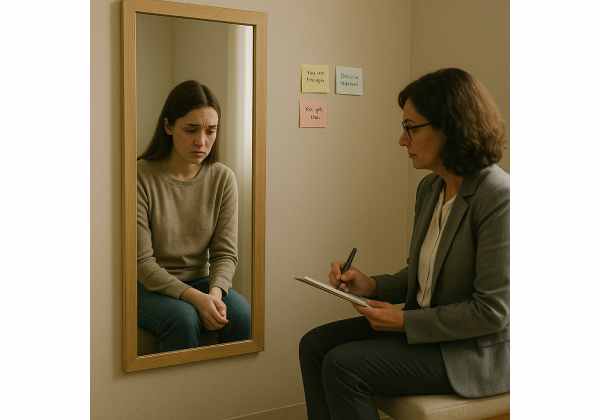
Persistent low self-esteem can shape how a person interprets almost every part of life: relationships, work, school, appearance, mistakes, success, criticism, and even ordinary social interactions. Although people often use the phrase “low self-esteem disorder,” low self-esteem is not usually classified as a standalone mental disorder in major diagnostic systems. It is better understood as a pattern of negative self-evaluation that may be mild and situational, or severe enough to be part of depression, anxiety, trauma-related conditions, eating disorders, body image problems, or personality-related difficulties.
The important question is not whether someone has the exact label “low self-esteem disorder.” The more useful question is whether the person’s self-worth has become persistently negative, rigid, distressing, and disruptive to daily life.
What to understand first
- “Low self-esteem disorder” is a common phrase, but low self-esteem itself is usually a symptom, feature, or risk factor rather than a formal diagnosis.
- Common signs include harsh self-criticism, shame, fear of rejection, difficulty accepting praise, comparison, avoidance, and feeling “not good enough.”
- It can be confused with depression, social anxiety, body dysmorphic disorder, impostor syndrome, perfectionism, trauma-related shame, and some personality disorders.
- Professional evaluation may matter when low self-worth is persistent, worsening, linked with self-harm thoughts, or interfering with relationships, school, work, eating, sleep, or safety.
- Low self-esteem can both contribute to mental health problems and worsen as a result of them, creating a cycle that deserves careful assessment.
Table of Contents
- What Low Self-Esteem Disorder Means
- Symptoms and Signs
- Conditions That Can Look Similar
- Causes and Developmental Patterns
- Risk Factors
- Effects and Complications
- Diagnostic Context and When Evaluation Matters
What Low Self-Esteem Disorder Means
“Low self-esteem disorder” usually refers to a persistent belief that one is inadequate, unworthy, inferior, defective, or not deserving of respect. Clinically, low self-esteem is more often treated as a pattern within a person’s thoughts, emotions, behavior, and relationships than as a separate diagnosis.
Self-esteem means more than confidence in a specific skill. A person may be confident at accounting, sports, parenting, or public speaking and still carry a deep belief that they are not lovable or worthwhile. The opposite can also happen: someone may lack confidence in a new task but still have a stable sense of basic worth. This distinction matters because low self-esteem is not simply nervousness, shyness, modesty, or humility.
Low self-esteem becomes more clinically significant when it is:
- Persistent rather than occasional
- Global rather than limited to one skill or situation
- Rigid despite evidence of strengths or care from others
- Emotionally painful, often involving shame or worthlessness
- Linked with avoidance, people-pleasing, isolation, perfectionism, or self-sabotage
- Associated with depression, anxiety, trauma symptoms, eating problems, self-harm, or suicidal thoughts
A person with low self-esteem may interpret ordinary events through a harsh internal filter. A delayed text may feel like rejection. A small mistake may feel like proof of incompetence. Neutral feedback may feel humiliating. A compliment may be dismissed as politeness or manipulation. These interpretations can feel automatic, even when part of the person recognizes they may be too severe.
The phrase “disorder” should be used carefully. A mental disorder generally involves clinically significant disturbance in emotions, thinking, behavior, or functioning. Low self-esteem can meet that level of seriousness when it causes major distress or impairment, but a clinician would usually evaluate whether another recognized condition better explains the pattern. Understanding the difference between mental health screening and diagnosis can help clarify why a symptom pattern does not always equal a formal disorder name.
Low self-esteem also exists on a spectrum. Many people feel less secure during adolescence, after rejection, after job loss, during illness, after abuse, or during major life transitions. That does not automatically mean they have a psychiatric condition. Concern rises when the low self-worth becomes a stable lens through which the person sees nearly everything.
Symptoms and Signs
The central symptom is a persistently negative view of the self, but it often shows up through emotions, thoughts, body language, choices, and relationship patterns. Some people openly say, “I hate myself” or “I’m worthless,” while others hide low self-esteem behind achievement, humor, perfectionism, caretaking, or withdrawal.
Common emotional signs include shame, guilt, embarrassment, envy, sadness, anxiety, irritability, and a sense of being exposed or judged. Shame is especially important because it focuses on the whole self: “I am bad,” “I am defective,” or “Something is wrong with me.” Guilt can be appropriate after a harmful action, but low self-esteem often turns ordinary mistakes into global self-condemnation.
Common thought patterns include:
- “I am not good enough.”
- “People only tolerate me.”
- “If I fail, everyone will see who I really am.”
- “Other people deserve success more than I do.”
- “I have to be useful, attractive, agreeable, or impressive to be accepted.”
- “If someone criticizes me, it means I am a failure.”
- “I should have handled everything better.”
Behavioral signs can be just as revealing. A person may avoid opportunities because they assume they will fail, stay silent in groups, apologize excessively, overexplain, struggle to set boundaries, or accept poor treatment because they do not feel entitled to better. Others may respond in the opposite direction by becoming defensive, competitive, controlling, or dismissive, not because they feel secure, but because criticism feels intolerable.
Low self-esteem may also appear in everyday functioning. A student may not apply for a program despite being qualified. An employee may avoid asking questions for fear of looking incompetent. A partner may repeatedly seek reassurance but struggle to believe it. A friend may interpret minor distance as proof that the friendship is ending.
Cognitive, emotional, and behavioral signs
| Area | Possible signs |
|---|---|
| Thoughts | Harsh self-criticism, discounting achievements, assuming rejection, comparing oneself negatively with others |
| Emotions | Shame, worthlessness, anxiety, sadness, embarrassment, resentment, fear of being judged |
| Behavior | Avoidance, people-pleasing, over-apologizing, perfectionism, procrastination, withdrawal, difficulty making decisions |
| Relationships | Reassurance seeking, fear of abandonment, accepting disrespect, jealousy, difficulty trusting affection |
| Body and self-image | Persistent dissatisfaction, checking, hiding, comparing appearance, feeling uncomfortable being seen |
A key sign is mismatch. The person’s self-evaluation may be much harsher than the available evidence. They may be competent, caring, attractive, respected, or loved, yet still feel fundamentally inferior. This does not mean they are being dramatic. It means their inner self-evaluation system may be shaped by experiences, beliefs, mood states, or mental health symptoms that make neutral self-assessment difficult.
Conditions That Can Look Similar
Low self-esteem overlaps with many mental health conditions, so careful distinction matters. The same sentence — “I’m not good enough” — can have different meanings depending on whether it appears with persistent low mood, social fear, trauma reminders, body preoccupation, unstable relationships, or perfectionistic standards.
Depression is one of the most common overlaps. In depression, low self-worth may appear with loss of interest, low mood, fatigue, sleep or appetite changes, poor concentration, hopelessness, and thoughts of death. Feelings of worthlessness can be intense and may feel like facts rather than symptoms. When low self-esteem is accompanied by persistent sadness or loss of pleasure, depression screening and diagnostic assessment may be relevant.
Anxiety disorders can also look similar. A person with social anxiety may believe they are awkward, boring, unattractive, or likely to be judged. The self-esteem problem may be strongest in performance or social situations. In generalized anxiety, a person may feel inadequate because they cannot stop worrying or because they assume they are failing to prevent problems. For a broader look at anxious symptom patterns, common anxiety signs and triggers can provide useful context.
Trauma-related conditions can involve deep shame, self-blame, emotional flashbacks, and a sense of being damaged. Someone may intellectually know that abuse, neglect, bullying, or exploitation was not their fault, yet still feel contaminated by it. Low self-esteem after trauma may be tied to body memory, fear responses, distrust, and relationship patterns rather than simple negative thinking.
Body dysmorphic disorder, eating disorders, and body image distress can involve self-worth that becomes heavily tied to appearance, weight, shape, skin, hair, or perceived flaws. In these cases, the person may not feel globally worthless at first, but self-esteem may become increasingly dependent on checking, hiding, comparison, or attempts to control appearance.
Personality-related difficulties may involve long-standing patterns in self-image and relationships. For example, avoidant personality patterns may include feelings of inadequacy and fear of criticism. Borderline personality disorder may involve rapidly shifting self-image, intense abandonment fears, emptiness, and self-harm risk. Narcissistic patterns can also involve unstable self-esteem beneath a more confident or superior presentation.
Low self-esteem versus related concerns
| Concern | How it may differ from low self-esteem alone |
|---|---|
| Normal insecurity | Usually situation-specific, temporary, and responsive to reassurance or experience |
| Depression | Often includes low mood or loss of interest plus physical, cognitive, and safety-related symptoms |
| Social anxiety | Self-criticism centers strongly on scrutiny, embarrassment, performance, or rejection |
| Trauma-related shame | Negative self-beliefs may be tied to abuse, neglect, threat, betrayal, or humiliation |
| Personality disorder patterns | Self-image problems occur with enduring interpersonal, emotional, and behavioral patterns |
Because these conditions can overlap, self-labeling can be misleading. Low self-esteem may be real and painful, but the most accurate clinical picture depends on timing, triggers, severity, safety, and the full pattern of symptoms.
Causes and Developmental Patterns
Persistent low self-esteem usually develops through a combination of temperament, relationships, life events, culture, and repeated interpretations of experience. It is rarely caused by one comment, one failure, or one personality trait. More often, it grows through repeated messages about worth, belonging, competence, appearance, safety, or acceptability.
Early relationships can shape a person’s basic assumptions about themselves. Children who receive warmth, consistent limits, encouragement, and repair after conflict are more likely to develop a stable sense of worth. Children who experience chronic criticism, emotional neglect, humiliation, rejection, unpredictable caregiving, bullying, or conditional approval may learn that love and safety depend on performance, compliance, appearance, or not having needs.
Adverse childhood experiences can be especially important. Abuse, neglect, household instability, exposure to violence, discrimination, repeated shaming, and severe bullying may teach a child to see themselves as powerless, defective, or responsible for other people’s behavior. Later in life, these beliefs may appear as self-blame, mistrust, avoidance, overachievement, people-pleasing, or difficulty recognizing healthy relationships. The connection between childhood trauma and adult relationships is often relevant when low self-esteem is tied to fear, shame, or chronic stress.
Family and cultural messages can also matter. Some people grow up with narrow standards for success, beauty, gender roles, emotional expression, academic achievement, or obedience. A person may internalize the idea that they are valuable only if they are thin, high-achieving, self-sacrificing, financially successful, attractive, unemotional, religiously perfect, socially popular, or useful to others. When worth feels conditional, self-esteem becomes fragile.
Repeated social comparison can reinforce low self-esteem. This is not limited to social media, but digital environments can intensify the pattern by exposing people to curated images of success, beauty, relationships, productivity, and happiness. A person who already feels inadequate may use comparison as “evidence” that they are falling behind. For some people, social media comparison and body image pressure become part of the cycle.
Temperament may influence vulnerability. Some people are more emotionally sensitive, threat-alert, perfectionistic, inhibited, or rejection-sensitive by nature. These traits do not cause low self-esteem on their own, but they can make criticism, exclusion, or failure feel especially intense. Over time, a person may try to protect themselves by avoiding risk, hiding needs, or demanding perfection from themselves.
Life events in adulthood can also lower self-esteem. Job loss, divorce, infertility, chronic illness, disability, caregiving strain, migration, financial instability, discrimination, public failure, betrayal, or major appearance changes can challenge a person’s identity. For some, self-esteem recovers as circumstances stabilize. For others, the event confirms older beliefs of inadequacy.
Risk Factors
Risk factors increase the likelihood that low self-esteem will become persistent, severe, or impairing. They do not guarantee that a person will develop serious self-worth problems, and many people with several risk factors still develop resilience. Risk is best understood as cumulative: the more repeated and intense the pressures, the harder it may be to maintain a stable sense of worth.
Important risk factors include:
- Chronic criticism, ridicule, rejection, or humiliation
- Emotional neglect or inconsistent caregiving
- Bullying, cyberbullying, social exclusion, or peer victimization
- Trauma, abuse, coercive control, or domestic violence exposure
- Discrimination, racism, stigma, or marginalization
- Learning difficulties, ADHD, autism-related social stress, or repeated academic failure without support
- Chronic illness, disability, pain, visible differences, or medical trauma
- Eating disorder symptoms, body dissatisfaction, or appearance-based teasing
- Perfectionism and fear of mistakes
- Social anxiety, depression, trauma symptoms, or long-term loneliness
- Family environments where affection feels conditional on achievement, obedience, or image
Perfectionism is a particularly common risk factor. It can look like ambition from the outside, but internally it may feel like constant threat: one mistake means exposure, one flaw means failure, and rest feels undeserved. Perfectionistic people may achieve a great deal while still feeling inadequate. The relationship between perfectionism and anxiety can be especially relevant when self-worth depends on flawless performance.
Social and economic context matters too. Poverty, unstable housing, unsafe neighborhoods, lack of opportunity, discrimination, and chronic stress can repeatedly expose a person to situations that feel disempowering or shaming. Low self-esteem should not be framed only as an individual thinking problem when someone is also facing real external barriers.
Developmental stage also affects risk. Adolescence and young adulthood are periods when identity, peer belonging, body image, sexuality, achievement, and independence are still forming. Repeated rejection or comparison during these years can leave a strong imprint. Older adults may face different risks, including bereavement, retirement, illness, disability, loneliness, or feeling less valued in a culture that prizes youth and productivity.
Some risk factors are internalized silently. A person may not recognize that they learned to minimize their needs, apologize for existing, or expect rejection. They may think, “This is just my personality,” when in reality their self-esteem developed in response to repeated experiences.
Effects and Complications
Persistent low self-esteem can affect mental health, relationships, education, work, physical health behaviors, and safety. Its complications often come from the way negative self-beliefs influence choices over time.
In relationships, low self-esteem may lead a person to accept disrespect, avoid honest communication, or stay in unhealthy dynamics because they fear being alone. Some people become excessively accommodating, trying to earn affection by being useful, agreeable, or low-maintenance. Others become guarded or suspicious because closeness feels unsafe. Reassurance may help briefly, but it may not last if the person’s core belief remains, “They will leave when they see the real me.”
Low self-esteem can also affect boundaries. A person may say yes when they want to say no, tolerate pressure, hide discomfort, or feel guilty for having needs. Over time, this can contribute to resentment, exhaustion, emotional dependence, or relationships that feel unequal.
At school or work, low self-esteem may cause underperformance or overperformance. Underperformance can happen when the person avoids challenges, gives up quickly, procrastinates, or assumes effort will not matter. Overperformance can happen when the person works excessively to avoid shame. Both patterns can be draining. Success may not feel satisfying because the person explains it away as luck, timing, or “not that impressive.”
Mental health complications can include depressive symptoms, anxiety, social withdrawal, loneliness, disordered eating, body image distress, substance misuse, self-harm thoughts, and suicidal thinking. Low self-esteem does not mean a person will develop these problems, but it can make them more likely or more severe, especially when combined with stress, isolation, trauma, or hopelessness.
There can also be physical health consequences indirectly. A person who feels undeserving may delay medical care, neglect sleep, ignore pain, struggle with eating patterns, or avoid movement because they feel ashamed of being seen. Others may pursue extreme appearance or body-change efforts in an attempt to feel acceptable. Low self-esteem is not the only cause of these behaviors, but it can be part of the background pressure.
Another complication is identity narrowing. The person may start to organize life around avoiding shame rather than pursuing values, relationships, learning, or meaningful goals. They may stop trying new things, hide their opinions, avoid dating, decline leadership, or stay in familiar roles that confirm their limited self-image.
When low self-esteem becomes severe, the inner critic can become relentless. The person may feel that every failure proves something permanent and every success is temporary. This is one reason persistent worthlessness, hopelessness, or thoughts of death should be taken seriously rather than dismissed as “just low confidence.”
Diagnostic Context and When Evaluation Matters
A professional evaluation may be important when low self-esteem is persistent, severe, confusing, or connected with safety concerns. The goal is not simply to attach a label, but to understand what the low self-worth is part of and whether another mental health condition, medical issue, developmental condition, trauma history, or substance-related problem is contributing.
Clinicians may ask about timing, duration, triggers, mood, anxiety, sleep, appetite, concentration, relationships, trauma exposure, school or work functioning, eating patterns, body image, substance use, self-harm, and suicidal thoughts. They may also ask whether the person’s self-esteem changes with circumstances or remains negative even during success, affection, or reassurance.
Self-report tools may be used to measure self-esteem or screen for related concerns. The Rosenberg Self-Esteem Scale is a widely known measure of global self-esteem, but it is not a diagnostic test by itself. A low score may suggest a self-worth problem worth discussing, while a normal score does not rule out distress in specific areas such as body image, social confidence, identity, or relationships.
A broader mental health evaluation may be especially relevant when low self-esteem appears with:
- Persistent sadness, emptiness, or loss of interest
- Panic, avoidance, or intense fear of judgment
- Trauma reminders, dissociation, nightmares, or emotional flashbacks
- Restrictive eating, binge eating, purging, or intense fear of weight gain
- Severe body checking or preoccupation with perceived flaws
- Unstable relationships, impulsivity, or self-harm urges
- Substance misuse
- Marked changes in sleep, energy, appetite, or concentration
- Hallucinations, delusional beliefs, or severe disorganization
- Periods of unusually elevated mood, decreased need for sleep, or risky impulsivity
A structured assessment can also help distinguish long-standing self-esteem problems from personality-related patterns. When concerns involve identity, emotional intensity, chronic emptiness, fear of abandonment, or repeated relationship instability, personality disorder assessment may be part of a careful diagnostic process.
Urgent evaluation is important when low self-esteem includes thoughts of suicide, self-harm, feeling like a burden, feeling trapped, making plans to die, giving away important items, escalating substance use, or sudden withdrawal. In those situations, suicide risk screening may be used to assess immediate danger and determine the level of concern.
A clinician may also consider whether medical factors are affecting mood, energy, concentration, or self-perception. Thyroid problems, anemia, sleep disorders, chronic pain, neurological conditions, medication effects, hormonal changes, and substance use can all influence emotional state. These do not “explain away” low self-esteem, but they can complicate the picture.
The most important point is that persistent low self-worth deserves to be taken seriously, even when the person appears successful or functional. Low self-esteem can be quiet, hidden, and long-standing. Evaluation becomes especially important when it narrows life, distorts relationships, or turns into hopelessness.
References
- Mental disorders 2025 (Fact Sheet)
- Diagnostic and Statistical Manual of Mental Disorders (DSM-5-TR) 2026 (Classification Resource)
- Low self-esteem as a risk factor for depression: A longitudinal study with continuous time modeling 2025 (Longitudinal Study)
- Does low self-esteem predict depression and anxiety? A meta-analysis of longitudinal studies 2013 (Meta-Analysis)
- A COSMIN-based meta-analysis on the Psychometric Properties of the Rosenberg Self-Esteem Scale for Children and Adolescents 2025 (Meta-Analysis)
- Warning Signs of Suicide 2025 (Government Health Resource)
Disclaimer
This article is for general educational purposes only and is not a substitute for professional medical advice, diagnosis, or treatment. Persistent low self-worth, thoughts of self-harm, or concerns about depression, anxiety, trauma, eating problems, or suicide risk should be discussed with a qualified health professional.
Thank you for taking the time to read this sensitive topic; sharing it may help someone recognize when low self-worth deserves thoughtful attention.