
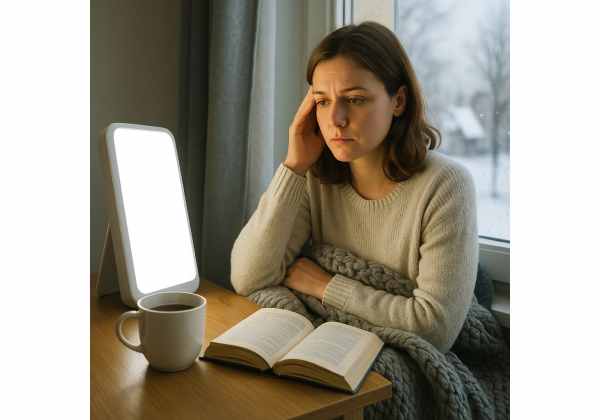
Seasonal affective disorder (SAD) is a recurring pattern of depression linked to changes in season. It most often appears in late fall or winter and improves in spring or summer, but a less common summer pattern can also occur. SAD is more than feeling a little lower when the weather changes. It can affect mood, sleep, appetite, concentration, relationships, work, school, and physical energy for months at a time.
Clinically, SAD is not usually treated as a completely separate diagnosis from depression or bipolar disorder. It is understood as a seasonal pattern of mood episodes. That distinction matters because the same seasonal symptoms can look different from person to person, and because clinicians need to consider whether the episodes are depressive, bipolar, medical, substance-related, or part of another mental health condition.
Table of Contents
- What Seasonal Affective Disorder Means
- How SAD Is Recognized Clinically
- Symptoms and Signs of SAD
- Winter-Pattern and Summer-Pattern SAD
- Causes and Biological Mechanisms
- Risk Factors for Seasonal Affective Disorder
- Effects and Complications of SAD
- When SAD Symptoms Need Urgent Evaluation
What Seasonal Affective Disorder Means
Seasonal affective disorder means that significant mood symptoms return during a particular season and improve or remit during another part of the year. In most people, this pattern involves depressive symptoms during fall and winter, but the key feature is recurrence tied to season, not simply cold weather or dislike of winter.
The word “seasonal” can make SAD sound mild, but the condition can be disabling. A person may function well for much of the year, then repeatedly struggle with low mood, fatigue, sleep changes, food cravings, loss of motivation, and difficulty concentrating during the same seasonal window. For some, the pattern is predictable enough that family members or coworkers notice it before the person does.
SAD is commonly described as “winter depression,” but that phrase is incomplete. Winter-pattern SAD is the most recognized form, especially in places with shorter winter daylight. Summer-pattern SAD is less common and may involve a different symptom profile, including insomnia, agitation, lower appetite, and weight loss.
A useful way to understand SAD is to separate three levels of seasonal mood change:
- Ordinary seasonal mood shifts: mild changes in energy or mood that do not cause major impairment.
- Subsyndromal seasonal symptoms: noticeable recurring symptoms that may affect daily life but do not clearly meet full criteria for a depressive episode.
- Seasonal affective disorder: a clinically significant seasonal pattern of mood episodes, usually depressive episodes, with meaningful distress or impairment.
This distinction helps avoid two common mistakes. The first is minimizing SAD as “just winter blues.” The second is labeling every winter slump as a disorder. SAD involves symptoms that are persistent, recurrent, and strong enough to affect thinking, behavior, daily functioning, or safety.
SAD also overlaps with other mood conditions. A seasonal pattern can occur in major depressive disorder, and it can also occur in bipolar disorder. This is why a careful history of mood elevation, unusually decreased need for sleep, impulsive behavior, and previous manic or hypomanic episodes is important when seasonal depression-like symptoms appear. A person who has seasonal depressive episodes and separate episodes of elevated or irritable mood may need evaluation for bipolar-spectrum illness rather than depression alone. For background on mood elevation and depressive episodes, see bipolar disorder symptoms.
How SAD Is Recognized Clinically
SAD is recognized by the pattern, timing, recurrence, and severity of mood episodes. Clinicians look for symptoms of depression or bipolar mood episodes that occur during a specific season and improve at a characteristic time of year.
A seasonal pattern is not based on one difficult winter. Diagnostic context usually includes at least two years of seasonal episodes, with the seasonal episodes outnumbering any nonseasonal episodes over the person’s lifetime. The mood change should not be better explained by predictable external stressors alone, such as holiday stress, school schedules, tax season, seasonal job loss, or family conflict that happens to occur in winter.
A clinical evaluation may explore:
- When symptoms usually begin and end
- Whether symptoms fully improve outside the season
- Whether the same pattern has repeated for at least two years
- Whether there have been mood episodes at other times of year
- Whether symptoms meet criteria for a depressive, manic, or hypomanic episode
- Whether substances, medications, sleep disorders, endocrine problems, or neurological conditions could be contributing
- Whether there are safety concerns, including suicidal thoughts or psychosis
Screening questionnaires may be used, but they do not diagnose SAD by themselves. Tools can help organize information about sleep, appetite, mood, energy, weight, and seasonal variation, but diagnosis depends on the full clinical picture. This is similar to other mental health screening processes: a questionnaire can flag symptoms, while a clinician considers duration, impairment, context, medical causes, and differential diagnosis. For a broader explanation of how depression screening fits into diagnosis, see depression screening and diagnosis.
Clinicians also distinguish SAD from conditions that can mimic or worsen seasonal depression. Hypothyroidism, anemia, vitamin deficiencies, medication effects, sleep apnea, circadian rhythm disorders, chronic pain, alcohol use, and inflammatory or neurological conditions can all affect mood, energy, sleep, and concentration. When symptoms include prominent fatigue, brain fog, cold intolerance, weight change, or changes in heart rate or bowel habits, medical evaluation may include targeted lab work. Thyroid-related symptoms are one example, and thyroid testing for mood and cognitive symptoms may be considered in the right clinical context.
SAD can also be confused with grief, burnout, loneliness, chronic stress, or a depressive episode that happens to begin in winter but does not truly follow a seasonal pattern. The season matters, but it is not the only clue. The repeated timing, remission pattern, symptom severity, and broader psychiatric history all matter.
Symptoms and Signs of SAD
The core symptoms of SAD are depressive symptoms that return seasonally and interfere with daily life. The specific signs vary, but they often affect mood, motivation, sleep, appetite, thinking, and social behavior.
Common depressive symptoms may include:
- Low, sad, empty, or hopeless mood most of the day
- Loss of interest or pleasure in usual activities
- Fatigue, low energy, or feeling slowed down
- Sleeping much more or much less than usual
- Appetite or weight changes
- Difficulty concentrating, remembering, or making decisions
- Irritability, restlessness, or emotional sensitivity
- Feelings of guilt, worthlessness, or helplessness
- Social withdrawal
- Physical symptoms such as headaches, body aches, or digestive discomfort without a clear explanation
- Thoughts of death, self-harm, or suicide
SAD can be easy to miss when the person appears “functional.” Some people continue working, parenting, studying, or handling responsibilities while feeling markedly depleted. Others show more visible signs: missed deadlines, declining grades, repeated lateness, skipped social plans, less grooming, increased conflict, or noticeable changes in eating and sleeping.
The cognitive symptoms deserve attention. SAD can make ordinary decisions feel harder, reduce working memory, and slow task initiation. A person may describe feeling mentally heavy, foggy, or unable to keep up. These symptoms can be mistaken for laziness or poor discipline, especially when they repeat every winter. Sleep changes may amplify this pattern because disrupted or excessive sleep can affect mood, memory, attention, and emotional regulation. For a broader explanation of this connection, see sleep and brain function.
The emotional tone of SAD is not always simple sadness. Some people mainly feel numb, detached, pessimistic, guilty, or unusually sensitive to rejection. Others become irritable or angry, especially when they feel overwhelmed by demands that are manageable at other times of year. In children and teens, seasonal depression may appear as school refusal, falling grades, unexplained physical complaints, clinginess, irritability, or loss of interest in friends and activities.
Because SAD symptoms overlap with major depression, anxiety disorders, bipolar disorder, sleep disorders, and medical conditions, the seasonal pattern is the organizing clue. The question is not only “What symptoms are present?” but also “Do they recur in a predictable seasonal pattern, and do they improve when the season changes?”
Winter-Pattern and Summer-Pattern SAD
Winter-pattern SAD and summer-pattern SAD share the same broad idea of recurring seasonal mood episodes, but their symptom profiles often differ. Winter-pattern SAD is more common and is usually linked with shorter daylight hours, while summer-pattern SAD is less common and may involve heat, longer days, sleep disruption, or other seasonal stressors.
| Feature | Winter-pattern SAD | Summer-pattern SAD |
|---|---|---|
| Typical timing | Begins in late fall or winter and improves in spring or summer | Begins in spring or summer and improves in fall or winter |
| Sleep pattern | Often oversleeping or difficulty waking | Often insomnia or restless sleep |
| Appetite pattern | Often increased appetite and carbohydrate cravings | Often reduced appetite |
| Weight change | Weight gain may occur | Weight loss may occur |
| Energy and activity | Low energy, heaviness, social withdrawal | Agitation, restlessness, anxiety, irritability |
| Common description | “I want to hibernate” | “I feel wired, tense, and unable to settle” |
The “hibernation” quality of winter-pattern SAD is one reason it can be mistaken for ordinary tiredness. A person may sleep longer but still wake unrefreshed. They may crave calorie-dense or carbohydrate-rich foods and feel physically heavy or slowed down. Social withdrawal can feel protective in the moment, but it may worsen isolation and reduce exposure to everyday sources of stimulation and connection.
Summer-pattern SAD can be less recognized because it does not match the familiar winter depression story. The person may feel anxious, overheated, restless, irritable, unable to sleep, and less interested in food. In some cases, agitation can make the episode feel especially uncomfortable or unsafe.
Seasonal symptoms can also vary by climate, work schedule, school schedule, cultural expectations, and personal history. Someone living in a northern latitude may notice a strong link with darkness, while another person may have symptoms tied to heat, disrupted sleep, seasonal allergies, or major changes in routine. The clinical question remains whether the mood episode itself follows a recurring seasonal pattern and causes significant distress or impairment.
It is also possible for people to have milder recurring seasonal mood changes that do not meet the full threshold for SAD. Those symptoms are still real, but they may not carry the same diagnostic meaning. Clear pattern tracking can help separate mild seasonal fluctuation from clinically significant seasonal depression.
Causes and Biological Mechanisms
SAD does not appear to have one single cause. The strongest explanations involve interactions between seasonal light exposure, circadian timing, sleep regulation, neurotransmitter systems, genetics, and individual vulnerability to depression or bipolar mood episodes.
The circadian rhythm is central to many theories of SAD. Circadian rhythms are internal body-clock processes that help regulate sleep, alertness, hormone timing, body temperature, appetite, and mood. Seasonal changes in daylight can shift or strain this timing system. In winter-pattern SAD, shorter days and later sunrise may make it harder for the internal clock to stay aligned with work, school, social demands, and sleep-wake schedules.
Melatonin and serotonin are often discussed in relation to SAD. Melatonin helps signal darkness and supports sleep timing. Serotonin is involved in mood, appetite, and other brain functions. Seasonal changes in light exposure may affect these systems, though the biology is complex and not fully settled. It is more accurate to say that light-sensitive brain pathways are involved than to claim SAD is simply caused by “low serotonin” or “too much melatonin.”
Sleep may be both a symptom and a contributor. Winter-pattern SAD often involves hypersomnia, but studies suggest that subjective sleepiness, time in bed, sleep quality, and measured sleep patterns do not always line up neatly. A person may report sleeping much more and still show fragmented, inefficient, or poorly timed sleep. In summer-pattern SAD, insomnia and agitation may be more prominent.
Vitamin D is sometimes mentioned because sunlight exposure helps the body produce vitamin D. Low vitamin D levels may coexist with depression in some people, but SAD should not be reduced to vitamin D deficiency alone. Mood, light exposure, sleep timing, physical activity, diet, inflammation, and medical factors can overlap. Medical conditions can also produce depression-like symptoms, which is why broad differential diagnosis matters. For more context on overlap between medical and psychiatric symptoms, see medical conditions that mimic anxiety and depression.
Genetic and family factors may also contribute. SAD is more common in people with a personal or family history of depression or bipolar disorder. Research on circadian clock genes and seasonality suggests that inherited differences in light sensitivity and biological timing may influence risk, but these findings are not used as routine diagnostic tests.
The best practical explanation is that SAD emerges when seasonal environmental changes meet a vulnerable mood-regulation system. The same winter darkness or summer heat may barely affect one person, mildly affect another, and trigger a full mood episode in someone else.
Risk Factors for Seasonal Affective Disorder
Risk factors do not mean someone will definitely develop SAD, but they can increase vulnerability. The most consistent risk patterns involve geography, sex, age, personal mood history, family history, and sensitivity to sleep and light changes.
SAD appears more common at higher latitudes, where daylight varies more dramatically between seasons. This does not mean it only occurs in northern regions. SAD can occur in many climates, and summer-pattern symptoms may be more relevant in some warmer environments. Still, reduced winter daylight is one of the clearest environmental associations for winter-pattern SAD.
Important risk factors include:
- Higher latitude or large seasonal daylight changes: More dramatic shifts in daylight may increase seasonal strain on circadian systems.
- Female sex: SAD is reported more often in women, though men can also have severe symptoms.
- Young adulthood: Onset often occurs in late adolescence or early adulthood, though symptoms can begin later.
- Personal history of depression or bipolar disorder: A seasonal pattern may appear within an existing mood disorder.
- Family history of depression, bipolar disorder, or SAD: Shared genetic and environmental factors may contribute.
- Evening chronotype: People who naturally sleep and wake later may be more vulnerable to winter circadian mismatch.
- Sleep disruption: Insomnia, hypersomnia, irregular schedules, and poor sleep quality may worsen seasonal mood symptoms.
- Low daylight exposure: Indoor work, limited morning light, night shifts, or reduced outdoor time may contribute for some people.
- Comorbid mental health conditions: Anxiety, eating disorder symptoms, trauma-related symptoms, and substance use may complicate the seasonal pattern.
Some people assume SAD is only relevant in adults, but children and teens can also show seasonal mood patterns. In younger people, changes may be noticed through school performance, sleep, irritability, appetite, social withdrawal, or loss of interest in usual activities. Older adults can also experience seasonal depression, though clinicians may need to pay especially close attention to medical contributors, medication effects, bereavement, isolation, and cognitive symptoms.
Risk can also be situational. A person may be more vulnerable during a year with major stress, grief, reduced mobility, job loss, illness, postpartum changes, or a move to a darker climate. These factors do not “prove” SAD, but they may lower resilience during a season when the person is already biologically sensitive.
Effects and Complications of SAD
SAD can affect much more than mood. When symptoms last for several months and return year after year, they can disrupt health, relationships, work, school, finances, self-care, and safety.
Common effects include reduced productivity, missed work or school, lower academic performance, social withdrawal, conflict in relationships, and difficulty keeping routines. A person may fall behind on responsibilities during the symptomatic season, then spend the rest of the year repairing the consequences. This cycle can create shame and anticipatory anxiety as the next season approaches.
SAD may also affect physical health patterns. Winter-pattern symptoms can involve increased appetite, carbohydrate cravings, weight gain, reduced activity, and prolonged sleep. Summer-pattern symptoms may involve insomnia, weight loss, agitation, and dehydration risk in hot climates. Over time, these changes can affect energy, metabolic health, pain sensitivity, and overall functioning.
Mental health complications can include:
- Worsening major depressive episodes
- Increased anxiety or panic symptoms
- Substance use as a way to cope with low mood or sleep problems
- Eating disorder symptoms or disordered eating patterns
- Social isolation and loneliness
- Reduced self-worth and guilt
- Suicidal thoughts or behavior
- Manic or hypomanic episodes in people with bipolar disorder
- Difficulty distinguishing seasonal symptoms from burnout, grief, or chronic stress
SAD may also complicate diagnosis. A person who feels well in spring and summer may doubt the seriousness of winter symptoms, while clinicians may miss the pattern if they only see the person during one part of the year. The opposite can also happen: a seasonal pattern may be assumed when symptoms are actually driven by a medical illness, substance use, medication effect, sleep disorder, or ongoing depression.
The recurring nature of SAD can be psychologically burdensome. Some people begin to fear the approaching season, especially if past episodes were severe. This anticipation can affect decisions about work, travel, relationships, and social commitments. The person may appear to be planning around preference, when they are actually planning around expected impairment.
SAD can also strain families. Partners, parents, children, and friends may not understand why a person changes so sharply during certain months. Naming the pattern accurately can reduce blame, but it should not minimize the seriousness of the symptoms. Recurrent seasonal depression deserves the same careful evaluation as other forms of depression.
When SAD Symptoms Need Urgent Evaluation
SAD symptoms need urgent professional evaluation when there is risk of self-harm, suicide, psychosis, mania, severe self-neglect, or inability to function safely. Seasonal timing does not make these symptoms less serious.
Urgent evaluation is especially important if someone has:
- Thoughts of suicide, self-harm, or wanting to die
- A plan, intent, or access to lethal means
- Hearing voices, seeing things others do not, or strongly held false beliefs
- Severe agitation, impulsivity, or reckless behavior
- Very little sleep with unusually high energy, racing thoughts, or grandiosity
- Inability to eat, drink, sleep, work, study, or care for dependents safely
- Heavy alcohol or drug use during the seasonal episode
- Violent thoughts or behavior
- Depression after childbirth with intrusive thoughts, confusion, paranoia, or extreme insomnia
- Rapid worsening of symptoms over days or weeks
These signs can occur in SAD, but they can also point to severe major depression, bipolar disorder, psychotic depression, substance-related conditions, delirium, neurological illness, or medical emergencies. When suicidal thoughts are present, structured suicide risk screening may be part of a professional evaluation, but immediate safety takes priority over labeling the condition.
A person does not need to wait until symptoms become extreme before being evaluated. Recurrent seasonal episodes that disrupt life, relationships, school, work, sleep, appetite, or safety are enough reason for clinical attention. This is particularly true when symptoms return predictably each year, last for months, or include thoughts of death.
For someone in immediate danger, emergency services or a local crisis line should be contacted right away. For less immediate but still serious symptoms, timely evaluation by a qualified health professional can help clarify whether the pattern is SAD, another mood disorder, a sleep or circadian condition, a medical problem, or a combination of factors.
References
- Seasonal Affective Disorder 2023 (Government Fact Sheet)
- Seasonal affective disorder (SAD) 2025 (Government Medical Information)
- Seasonal Affective Disorder 2024 (Clinical Review)
- Global prevalence of seasonal affective disorder by latitude: A systematic review and meta-analysis 2025 (Systematic Review and Meta-analysis)
- Circadian Rhythms and Mood Disorders: Time to See the Light 2024 (Review)
- Polysomnography in seasonal affective disorder: A systematic review and meta-analysis 2021 (Systematic Review and Meta-analysis)
Disclaimer
This article is for general educational purposes only and is not a substitute for professional medical advice, diagnosis, or treatment. Seasonal depression symptoms, especially suicidal thoughts, severe agitation, psychosis, or possible mania, should be assessed by a qualified health professional.
Thank you for taking the time to read this resource; sharing it may help someone recognize when seasonal mood changes deserve careful attention.





