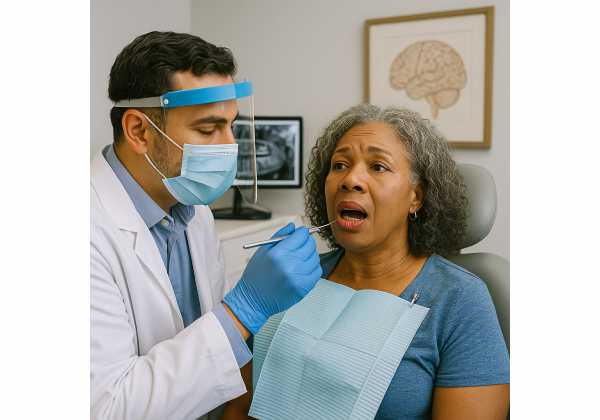
Oral health belongs in brain aging conversations because chronic gum inflammation is not sealed off from the rest of the body. Bleeding gums, deep periodontal pockets, loose teeth, and tooth loss often reflect a long-running immune response that adds to the same inflammatory burden linked with vascular aging, insulin resistance, and cognitive decline. The mouth also shapes eating, speech, sleep, confidence, and social contact, all of which influence brain health over time.
The evidence does not prove that brushing or gum treatment prevents dementia on its own. It does show a consistent pattern: poorer periodontal health and tooth loss are linked with higher risk of cognitive decline and dementia, while better tooth retention and timely gum care appear protective. That makes oral care a practical, low-regret part of cognitive longevity, especially in midlife and later life when small daily habits compound.
Table of Contents
- Why Gum Health Belongs in Brain Aging
- How Gum Disease Fuels Systemic Inflammation
- What Research Shows About Cognition and Dementia
- Signs That Oral Health Needs Attention
- Daily Care That Protects Gums and Teeth
- Professional Care and Medical Coordination
- Nutrition, Metabolism, and the Mouth-Brain Link
- A Simple Mouth-Brain Action Plan
Why Gum Health Belongs in Brain Aging
Gum health is one of the most overlooked signals of whole-body aging. The gums contain a dense blood supply, a large immune surface, and a bacterial ecosystem that changes with hygiene, smoking, glucose control, medications, saliva flow, diet, and dental access. When gum disease becomes chronic, the body keeps responding to bacterial plaque and damaged tissue. That response is local at first, then increasingly systemic.
Periodontitis is common with age. U.S. surveillance data show that about 4 in 10 adults aged 30 years or older have some level of periodontitis, and about 60% of adults aged 65 years or older were affected in 2009–2014. The numbers matter because cognitive risk also rises with age. When two common conditions share inflammation, vascular stress, diabetes, smoking, low physical activity, and social disadvantage as risk factors, they often travel together.
The mouth also affects cognition through everyday function. Missing teeth or painful chewing narrows food choices. People often drift toward softer, refined foods and away from fibrous vegetables, nuts, legumes, and protein-rich meals. Poor denture fit reduces chewing efficiency and meal enjoyment. Dental pain disrupts sleep. Bad breath, visible tooth loss, or embarrassment about dentures reduces social contact. These are not minor lifestyle details; nutrition, sleep, and connection all shape brain resilience.
Oral health and cognition also influence each other in both directions. Gum disease might add to inflammatory and vascular stress. At the same time, early cognitive change makes oral care harder. A person with mild cognitive impairment may forget nighttime brushing, skip dental appointments, lose the sequence of denture cleaning, or struggle with flossing because planning and hand coordination have slipped. This bidirectional pattern explains why oral decline sometimes appears before a dementia diagnosis and worsens after memory problems begin.
A useful approach treats the mouth as part of the brain-support system, not as a cosmetic side issue. The aim is not perfection. The aim is lower inflammatory load, stable chewing, fewer infections, better sleep, and routines that still work when life gets busy, stressful, or physically harder.
How Gum Disease Fuels Systemic Inflammation
Gum disease starts with plaque, a sticky bacterial film that forms on teeth. In gingivitis, the gums become inflamed, swollen, tender, and prone to bleeding, but the deeper support structures usually remain intact. Gingivitis is often reversible with better daily cleaning and professional care.
Periodontitis goes deeper. Plaque hardens into tartar, bacteria spread below the gumline, and the space between tooth and gum deepens into a periodontal pocket. The immune system attacks the infection but also damages surrounding tissue. Over time, the bone and ligaments that hold teeth in place break down. Teeth loosen, chewing changes, and tooth loss becomes more likely.
The inflammatory pathway
Inflamed gums release immune chemicals such as interleukin-1 beta, interleukin-6, tumor necrosis factor alpha, and C-reactive protein-related signals. These names sound technical, but the idea is simple: chronic gum disease keeps the immune system switched on. Short bursts of inflammation help the body heal. Long-running inflammation becomes wear and tear.
This is relevant to brain aging because chronic inflammation is involved in vascular injury, insulin resistance, blood-brain barrier stress, and microglial activation. Microglia are the brain’s resident immune cells. In a healthy state, they help clear debris and support repair. Under repeated inflammatory pressure, they shift toward a more reactive state. That pattern overlaps with broader neuroinflammation in brain aging.
Gum inflammation also connects with the blood-brain barrier, the protective lining that helps control what enters brain tissue. Aging, hypertension, diabetes, smoking, infection, poor sleep, and systemic inflammation all place stress on this barrier. A weaker barrier does not mean anything freely enters the brain, but it does mean immune signals and vascular injury gain more influence over brain tissue. That is why blood-brain barrier health matters when thinking about chronic inflammatory conditions outside the brain.
The bacterial pathway
Researchers also study whether oral bacteria or bacterial products reach distant tissues. Periodontal pockets create an inflamed surface that bleeds easily. During chewing, brushing, flossing, or dental procedures, bacteria and fragments of bacterial walls can enter the bloodstream for short periods. In healthy people, the immune system usually clears them. With severe gum disease, diabetes, smoking, or immune weakness, repeated exposure becomes more concerning.
One organism often discussed in Alzheimer’s research is Porphyromonas gingivalis, a periodontal pathogen linked with advanced gum disease. Studies have explored its enzymes, called gingipains, and its potential role in inflammatory brain changes. This does not mean one bacterium “causes Alzheimer’s.” Dementia develops through many pathways over many years. The bacterial findings instead support a broader idea: chronic oral infection is biologically plausible as one contributor to inflammatory and neurovascular stress.
The chewing and nutrition pathway
Teeth do more than break food apart. Chewing stimulates blood flow, saliva, jaw muscles, facial nerves, and sensory feedback to the brain. Tooth loss changes this input. Poor chewing also changes diet quality. People with painful gums, missing molars, or unstable dentures often eat fewer raw vegetables, salads, nuts, seeds, meat, and high-fiber foods. They may rely more on bread, pasta, sweet snacks, and soft ultra-processed foods.
That shift matters because the brain needs steady blood sugar, adequate protein, omega-3-rich foods, minerals, polyphenols, and fiber-supported gut health. Tooth loss can therefore affect cognition indirectly by changing the meals a person can comfortably eat.
What Research Shows About Cognition and Dementia
Research consistently links poor periodontal health with cognitive decline, but the evidence is mostly observational. That means studies follow people and look for patterns; they do not prove that gum disease directly causes dementia. Still, the pattern is strong enough to take seriously because it appears across different populations, study designs, and oral health measures.
A 2022 systematic review and meta-analysis of longitudinal studies found that poor periodontal health was associated with higher risk of cognitive decline and dementia. It included measures such as periodontitis, deep periodontal pockets, alveolar bone loss, and tooth loss. The estimated increases were modest, not extreme, but meaningful at a population level because gum disease is so common.
A 2024 systematic review and meta-analysis also found associations between periodontal disease and cognitive disorders, dementia, and depression. The authors emphasized that shared risk factors and study differences limit certainty. That caution is important. People with gum disease often have higher rates of smoking, diabetes, lower income, lower dental access, lower education, and cardiovascular risk. Each of those also relates to cognitive outcomes.
The strongest interpretation is balanced: gum disease is not a proven single cause of dementia, but it is a credible marker and contributor within a larger risk network. It fits beside blood pressure, glucose control, hearing, sleep, physical activity, smoking, depression, and social connection. Anyone building a brain-protective plan should include oral health in the same practical checklist used for cognitive aging and dementia risk.
Tooth loss sends a strong signal
Tooth loss often shows the long-term history of oral disease, access to care, nutrition, trauma, smoking, and metabolic health. Studies frequently find that fewer remaining teeth are linked with worse cognitive outcomes. Complete tooth loss is especially important, but partial tooth loss also matters when it changes chewing, diet, speech, or confidence.
The number of teeth is not the whole story. A person with fewer teeth and well-fitting dentures may eat well, speak clearly, and stay socially active. Another person with more teeth but untreated infection may carry a heavier inflammatory burden. Tooth retention is valuable, but stable, pain-free oral function is the real target.
Gum treatment looks promising, but not definitive
A 12-year prospective cohort study in older adults with periodontal symptoms found that people who received gum treatment had slower cognitive decline and lower dementia incidence than those who did not. This is encouraging because it points toward action, not just risk prediction.
Even so, gum treatment studies face a major challenge: people who get treatment often differ from those who do not. They may have better health literacy, better insurance, more regular medical care, higher income, or fewer barriers to appointments. Researchers adjust for these factors, but adjustment never removes all confounding.
The practical conclusion remains strong: treating gum disease is worthwhile even if dementia prevention is not guaranteed. It reduces bleeding, pockets, infection, tooth loss, pain, bad breath, and chewing problems. Those outcomes matter by themselves, and they also support the daily behaviors that protect the brain.
Signs That Oral Health Needs Attention
Gum disease often progresses quietly. Pain is not a reliable early warning sign. Many people wait until a tooth loosens or chewing hurts, but by then bone loss may already be advanced. Bleeding during brushing or interdental cleaning deserves attention, especially if it continues beyond one to two weeks of careful cleaning.
| Sign | What it often suggests | Why it matters for long-term function |
|---|---|---|
| Bleeding gums | Gingivitis or periodontitis | Inflamed tissue creates a repeated immune signal and often worsens without plaque control. |
| Persistent bad breath | Bacterial buildup, dry mouth, gum pockets, cavities, or tongue coating | It may reduce social confidence and signal infection or poor cleaning access. |
| Gum recession | Periodontal disease, aggressive brushing, grinding, or thin gum tissue | Exposed roots raise sensitivity and cavity risk. |
| Loose teeth | Bone loss, trauma, grinding, or advanced periodontitis | Chewing becomes less stable and tooth loss risk rises. |
| Pain when chewing | Cracked tooth, infection, bite problem, abscess, or gum disease | People often shift toward softer, less nutritious foods. |
| Dry mouth | Medication side effect, dehydration, mouth breathing, Sjögren’s disease, diabetes, or radiation history | Low saliva raises cavity risk, gum irritation, swallowing trouble, and nighttime discomfort. |
| Denture sores or poor fit | Bone ridge changes, worn dentures, poor cleaning, or infection | Unstable dentures reduce chewing and increase mouth irritation. |
Dry mouth deserves special mention in midlife and later life. Many common medicines reduce saliva, including some antihistamines, sleep aids, bladder medications, antidepressants, blood pressure drugs, and pain medicines. A dry mouth allows plaque to stick more easily and makes teeth more vulnerable to root cavities. People taking medications with anticholinergic effects should review the full medication list with a clinician, especially when memory, constipation, urinary symptoms, or daytime sleepiness are also present.
Cognitive changes create another warning pattern: a person who used to manage oral care well starts skipping brushing, leaving dentures in overnight, forgetting appointments, or resisting dental visits. Families sometimes interpret this as stubbornness. It may reflect memory loss, depression, poor vision, arthritis, fear, cost, or a dental problem the person cannot describe clearly.
A dental check is especially important after a stroke, a fall with facial impact, a new diabetes diagnosis, cancer treatment, major weight loss, new dentures, or the start of medications that dry the mouth.
Daily Care That Protects Gums and Teeth
Daily oral care works best when it is simple enough to repeat even on tired days. The basic routine is brushing twice daily with fluoride toothpaste, cleaning between teeth once daily, and cleaning the tongue or dentures as needed. Technique matters more than force. Scrubbing hard does not remove deep plaque better; it injures gums and wears exposed roots.
Use a soft-bristled toothbrush or an electric toothbrush with a timer and pressure sensor. Brush for two minutes, angling the bristles gently toward the gumline. Spit after brushing. Avoid rinsing aggressively with water right away, because leaving a thin fluoride film helps protect enamel and exposed roots.
Interdental cleaning should match the person’s hands, teeth, and gums. String floss works well where teeth are tight and the user has good dexterity. Interdental brushes often work better for larger spaces, bridges, implants, and areas with gum recession. Water flossers help some people who struggle with floss or braces, though they do not replace all mechanical plaque removal for everyone. The best tool is the one used thoroughly every day.
Make the routine easier before it breaks down
Oral care becomes harder with arthritis, tremor, low vision, depression, fatigue, and early cognitive change. Adjust the setup before hygiene declines.
Helpful changes include:
- an electric toothbrush with a large handle and built-in timer
- floss picks, interdental brushes, or a water flosser instead of string floss
- a mirror with good lighting
- toothpaste kept in more than one bathroom or travel bag
- a written evening checklist near the sink
- denture cups and cleaning tablets placed where they are easy to see
- caregiver cueing that preserves privacy and dignity
For people with memory changes, the routine should happen at the same time each day. Pair brushing with an existing habit, such as morning medication and evening pajamas. Avoid turning oral care into a debate. A calm prompt, prepared toothbrush, and familiar sequence usually work better than repeated verbal reminders.
Care for dentures, bridges, and implants
Dentures need daily cleaning and overnight removal unless a dentist gives a specific reason not to. Sleeping in dentures increases irritation and infection risk for many people. Clean the gums, tongue, and roof of the mouth even when no natural teeth remain.
Implants still need maintenance. They do not decay like natural teeth, but the tissue around them can become inflamed. Peri-implant disease threatens bone support and implant stability. People with implants need professional monitoring and a home routine designed around the implant shape.
Bridges and crowns also trap plaque at edges and under false-tooth areas. Floss threaders, super floss, or interdental brushes often become necessary. A hygienist can show the exact tool size and motion for each space.
Professional Care and Medical Coordination
Professional care finds problems that daily brushing cannot fix. Tartar below the gumline needs dental instruments. Deep periodontal pockets need measurement. Bone loss needs imaging. A person can have advanced gum disease with little pain, so waiting for symptoms is a poor strategy.
A routine periodontal assessment usually includes gum pocket measurements, bleeding checks, tooth mobility, recession measurements, bite evaluation, plaque and tartar assessment, and dental X-rays when needed. Pocket depths of 1–3 mm are usually easier to keep clean. Deeper pockets, especially 5 mm and above, often need more intensive treatment and closer maintenance.
Periodontal treatment commonly starts with scaling and root planing, often called deep cleaning. The aim is to remove plaque and tartar from below the gumline and smooth root surfaces so gums can heal. Some people also need local antimicrobials, bite adjustment, gum surgery, bone grafting, extraction of hopeless teeth, or referral to a periodontist.
After active gum treatment, maintenance visits often occur every three to four months for people with a history of periodontitis. This is different from a standard twice-yearly cleaning. Periodontal maintenance focuses on preventing relapse in areas that already showed breakdown.
Medical coordination matters because gum disease overlaps with major brain-aging risks. Diabetes worsens periodontal inflammation and slows healing; periodontal infection also makes glucose control harder. People working on diabetes and cognition should treat gum care as part of metabolic care, not as a separate chore.
Blood pressure also belongs in the same conversation. Hypertension damages small vessels in the brain and contributes to white matter changes. Chronic inflammation, poor sleep, and metabolic dysfunction add to that vascular strain. A person addressing hypertension and brain longevity gains more by pairing medical treatment with dental care, smoking cessation, sleep support, and physical activity.
Tell the dentist or periodontist about:
- diabetes, heart valve disease, joint replacement history, immune suppression, osteoporosis treatment, cancer treatment, stroke, or bleeding disorders
- anticoagulants, antiplatelet drugs, bisphosphonates, denosumab, steroids, chemotherapy, and medications that cause dry mouth
- new memory problems, falls, trouble using hands, or difficulty following instructions
- snoring, suspected sleep apnea, mouth breathing, reflux, or frequent nighttime thirst
- tobacco, nicotine, cannabis smoking, or heavy alcohol use
Dental professionals do not need every detail of a medical history to judge character; they need it to plan safer treatment. Bleeding risk, healing capacity, saliva flow, infection risk, and ability to maintain home care all affect the treatment plan.
Nutrition, Metabolism, and the Mouth-Brain Link
Food choices influence both gum tissue and brain aging. A mouth-friendly, brain-friendly pattern centers on protein, high-fiber plants, healthy fats, minerals, and low-sugar drinks. This does not require a perfect diet. It requires meals that do not constantly feed plaque bacteria or spike glucose.
A Mediterranean or MIND-style pattern fits well: vegetables, beans, lentils, whole grains, berries, nuts, olive oil, fish, yogurt or kefir if tolerated, herbs, and enough protein to preserve muscle. These foods support vascular health, gut microbial diversity, and a lower inflammatory dietary pattern. A deeper guide to brain-healthy eating pairs naturally with oral care because chewing ability determines whether people can follow that pattern in real life.
Protein also matters. Older adults with painful teeth or loose dentures often avoid meat, crunchy legumes, nuts, and some vegetables. That can worsen muscle loss and frailty. Softer protein options help during dental treatment: Greek yogurt, eggs, tofu, fish, cottage cheese, lentil soup, hummus, tender poultry, protein-rich smoothies without added sugar, and well-cooked beans.
Sugar frequency is more damaging than a single dessert. Sipping sweet drinks, sucking candies for dry mouth, grazing on crackers, or taking frequent sweetened coffee drinks keeps oral bacteria supplied with fermentable carbohydrate. That lowers pH and increases cavity risk. For dry mouth, sugar-free lozenges or xylitol gum may be better choices for some people, but xylitol is dangerous to dogs and should be stored safely.
Metabolic health and gum health reinforce each other. Insulin resistance and elevated glucose make infection harder to control. Gum inflammation adds to systemic inflammatory pressure. Tracking markers such as A1c, fasting glucose, and inflammatory markers sometimes helps people see the larger pattern. For readers using labs to guide prevention, inflammation markers such as hs-CRP can provide context, though they do not diagnose gum disease.
Hydration and saliva deserve attention. Saliva buffers acids, carries minerals, supports swallowing, and helps control microbes. A dry mouth at night often reflects mouth breathing, medication effects, dehydration, or sleep apnea. Alcohol, smoking, and some sleep medicines worsen dryness. Managing nasal congestion, reviewing medications, and treating sleep apnea when present often improves both mouth comfort and daytime thinking.
A Simple Mouth-Brain Action Plan
The best plan starts with risk level. Someone with healthy gums needs maintenance. Someone with bleeding, pockets, diabetes, smoking, or tooth loss needs a tighter plan. Someone with cognitive symptoms needs a routine that does not rely on memory alone.
| Risk level | Typical signs | Priority actions |
|---|---|---|
| Lower risk | No bleeding, no loose teeth, comfortable chewing, regular dental visits | Brush twice daily, clean between teeth daily, keep yearly dental checks or the schedule advised by your dentist. |
| Moderate risk | Bleeding gums, recession, dry mouth, several crowns, early pockets, diabetes, smoking history, or skipped visits | Book a periodontal evaluation, upgrade interdental tools, review dry-mouth medications, and set a three-month habit check. |
| Higher risk | Loose teeth, deep pockets, tooth loss, denture problems, chewing pain, poor glucose control, or memory changes | Ask about periodontal treatment, maintenance every three to four months if advised, denture or implant review, caregiver-supported routines, and medical-dental coordination. |
A practical 30-day reset works well for many adults:
- Replace the toothbrush head or buy a soft brush that feels easy to use.
- Choose one interdental tool that matches your teeth: floss, interdental brushes, picks, or a water flosser.
- Brush for two minutes twice daily and clean between teeth once daily for 14 days.
- Track bleeding. If bleeding continues after two weeks of careful cleaning, book a dental visit.
- Check chewing. Notice whether you avoid nuts, apples, salads, meat, or other firm foods because of dental discomfort.
- List dry-mouth triggers: medications, alcohol, nighttime mouth breathing, low fluid intake, or frequent thirst.
- Schedule overdue dental care before pain forces an urgent visit.
Avoid the common mistakes that allow gum disease to progress. Do not stop flossing only because gums bleed; bleeding often means inflammation needs better cleaning, though heavy or persistent bleeding needs professional care. Do not brush harder to “scrub away” gum disease. Do not assume dentures end the need for dental visits. Do not wait for pain before checking loose teeth or gum recession. Do not treat mouthwash as a replacement for mechanical plaque removal.
For families supporting someone with cognitive decline, the plan must become visible and repeatable. Keep supplies in plain sight. Use the same toothpaste flavor and brush type when possible. Break care into steps. Offer help before the person becomes exhausted. Watch for refusal that signals pain, poor denture fit, mouth sores, or fear. A dental visit may solve a behavior problem that looked like memory-related resistance.
Oral health is not a stand-alone dementia prevention strategy. It is a daily maintenance system that supports lower inflammation, better nutrition, clearer speech, social confidence, sleep comfort, and medical stability. Those are all brain-relevant outcomes. Healthy gums and stable teeth help the body spend less energy fighting chronic infection and more energy maintaining the functions that make long life feel usable.
References
- Impact of periodontal disease on cognitive disorders, dementia, and depression: a systematic review and meta-analysis 2024 (Systematic Review)
- Periodontal health, cognitive decline, and dementia: A systematic review and meta-analysis of longitudinal studies 2022 (Systematic Review)
- Association of Gum Treatment with Cognitive Decline and Dementia Risk among Older Adults with Periodontal Symptoms: A 12-Year Prospective Cohort Study 2025 (Cohort Study)
- Potential mechanisms between periodontitis and Alzheimer’s disease: a scoping review 2023 (Review)
- About Periodontal (Gum) Disease 2024 (Official Page)
- Treatment of stage I-III periodontitis-The EFP S3 level clinical practice guideline 2020 (Guideline)
Disclaimer
This article is educational and does not replace care from a dentist, periodontist, physician, or other qualified health professional. Bleeding gums, loose teeth, oral pain, swelling, pus, sudden bite changes, or trouble chewing deserve professional evaluation. People with diabetes, immune suppression, heart valve disease, anticoagulant use, or cognitive changes should coordinate dental care with their medical team.