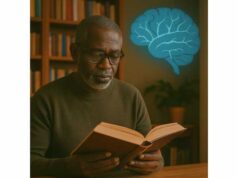
Loneliness reaches the brain through everyday life: fewer conversations, fewer shared routines, less emotional safety, and fewer chances to read faces, practice memory, solve problems, and feel needed. Social connection gives the aging brain steady stimulation, but it also gives the nervous system a sense of safety. That combination matters for memory, attention, mood, sleep, stress biology, and the confidence to keep learning.
Loneliness is not a character flaw, and it is not the same as being alone. A person can live with others and feel painfully disconnected. Another person can live alone and feel rooted, valued, and socially active. Brain longevity improves when connection becomes specific: regular contact, meaningful roles, shared activities, sensory access, and support during life transitions. The strongest approach is neither forced sociability nor vague advice to “get out more.” It is a repeatable connection plan that fits health, personality, culture, energy, and season of life.
Table of Contents
- Why Connection Belongs in Brain Longevity
- Loneliness, Isolation, and Solitude Are Not the Same
- How Social Life Trains the Aging Brain
- Risk Patterns That Deserve Attention
- A Connection Plan That Protects Cognition
- Technology, Transportation, and Sensory Access
- When Loneliness Overlaps with Health Problems
- Building a Socially Rich Later Life
Why Connection Belongs in Brain Longevity
Social connection belongs beside sleep, movement, blood pressure, metabolic health, and learning in any serious brain-longevity plan. The brain did not evolve as a private thinking machine. It evolved to track people, predict intentions, share attention, tell stories, cooperate, remember obligations, detect threat, and repair trust after conflict.
That social workload uses many cognitive systems at once. A normal conversation draws on hearing, working memory, word retrieval, facial recognition, emotional regulation, timing, attention switching, and self-control. A close relationship adds autobiographical memory, empathy, planning, forgiveness, and shared meaning. Even simple rituals, such as greeting a neighbor or attending a weekly class, give the brain familiar cues and fresh variation.
Large population studies link loneliness and social isolation with higher dementia risk. The evidence does not prove that loneliness alone causes dementia in every case, because health, depression, mobility, hearing, sleep, and income often interact. Still, the pattern is strong enough to treat chronic disconnection as a modifiable brain-health risk. In a large 2024 meta-analysis covering more than 600,000 people, loneliness was associated with about a 31% higher risk of all-cause dementia. A U.S. study of community-dwelling older adults found social isolation associated with a 27% higher risk of dementia over nine years.
The numbers should not scare people into frantic socializing. They should change how we define prevention. Protecting memory is not only crossword puzzles, omega-3 intake, or blood pressure checks. It also includes rebuilding the human structure around daily life.
Connection supports brain longevity through several routes:
- Cognitive stimulation: conversation, shared projects, games, planning, humor, and storytelling train attention and memory.
- Stress regulation: trusted contact lowers the sense of threat and helps the body return to baseline after strain.
- Mood protection: meaningful relationships reduce the risk that sadness, anxiety, and rumination become chronic.
- Health behavior support: people tend to walk, attend appointments, eat regularly, use hearing aids, and seek help sooner when others notice.
- Purpose: roles such as mentor, friend, volunteer, caregiver, neighbor, or teammate give the brain reasons to organize effort.
Social connection also strengthens cognitive reserve, the brain’s ability to cope with age-related changes while keeping function stable. A socially active person practices flexible thinking in real time: listening, responding, remembering, adapting, and repairing misunderstandings.
The protective effect comes from quality and rhythm, not popularity. A crowded calendar filled with shallow obligations does little for someone who feels unseen. A small circle with reliable contact, shared purpose, and emotional safety often does more.
Loneliness, Isolation, and Solitude Are Not the Same
Loneliness is the painful feeling that social needs are unmet. Social isolation is the measurable lack of contact, roles, or support. Solitude is chosen aloneness that feels restorative. These differences matter because each one needs a different response.
A person who is socially isolated needs access: transportation, mobility support, hearing correction, safe places to meet, invitations, and routines. A person who feels lonely despite regular contact often needs deeper belonging: honest conversation, shared values, emotional closeness, or help changing painful social expectations. A person who enjoys solitude should not be pushed into constant activity. Chosen quiet protects attention and emotional balance.
Loneliness also has a cognitive side. When people feel rejected or disconnected for long periods, the brain becomes more alert to threat. Neutral expressions look colder. Delayed replies feel personal. A missed invitation becomes evidence of exclusion. This pattern is sometimes called social vigilance. It is understandable, especially after loss, illness, bullying, divorce, relocation, or years of caregiving. Yet it can trap a person in defensive thinking.
Social cognition is the brain’s ability to understand social information. It includes reading facial expressions, recognizing tone, tracking social rules, noticing another person’s perspective, and judging whether a situation is safe. Loneliness can distort this system. A lonely person may withdraw to avoid pain, then lose the practice that keeps social confidence sharp. Over time, fewer interactions mean fewer chances to recalibrate.
The distinction between loneliness and isolation helps avoid common mistakes.
| Pattern | What it feels or looks like | Most useful first response |
|---|---|---|
| Loneliness | Feeling unseen, unwanted, or emotionally distant from others | Increase meaningful contact, honest conversation, and shared roles |
| Social isolation | Few visits, calls, activities, or dependable contacts | Build regular access through transportation, groups, routines, and support |
| Solitude | Peaceful time alone that restores energy | Protect it while keeping reliable connection in the week |
| Social overload | Too many obligations with too little emotional nourishment | Reduce draining contact and prioritize reciprocal relationships |
The brain benefits most from connection that feels safe enough to be real. That includes laughter, disagreement, shared meals, grief, problem-solving, and ordinary companionship. It does not require constant cheerfulness.
Midlife and later life often bring social narrowing. Children move, careers change, friends relocate, hearing becomes harder, spouses die, and health limits travel. Social networks shrink unless they are actively renewed. This renewal is a health behavior, not a luxury.
A useful self-check is simple: Who would notice if your week went badly? Who would you call with good news? Who expects to see or hear from you soon? If all three answers feel unclear, the social structure needs attention.
How Social Life Trains the Aging Brain
Social life trains the brain because people are unpredictable in healthy ways. A puzzle has rules. A conversation has movement. The other person changes tone, adds context, forgets something, jokes, pauses, disagrees, or asks a question. The brain must update constantly.
This is why social activity differs from passive entertainment. Watching a show may relax the mind, but it rarely asks for reciprocal attention. A conversation asks the brain to encode new information, retrieve old memories, choose words, monitor emotion, and stay flexible. Group activities add turn-taking, spatial awareness, impulse control, and planning.
Social connection supports several brain systems tied to longevity.
Memory
Names, stories, family details, shared history, and future plans all exercise memory. Social memory has emotional weight, which helps the brain decide what to store. Remembering that a friend has surgery next week or that a grandchild loves a certain song gives memory a purpose beyond performance.
This kind of memory practice feels different from drilling word lists. It is embedded in care. The brain has a reason to remember because the information belongs to a relationship.
Attention and processing speed
Conversation pushes attention to shift quickly. You listen, interpret, respond, and adjust. In group settings, the brain filters background noise, follows multiple speakers, and tracks timing. This becomes harder with age, especially when hearing declines, but the challenge remains valuable when the environment is manageable.
Good social settings are demanding without being exhausting. A quiet lunch with two friends may support cognition better than a loud banquet where hearing strain creates fatigue.
Emotion regulation
Trusted relationships help the nervous system settle. When people feel supported, they recover faster from stress. Over time, that matters because chronic stress affects sleep, blood pressure, inflammation, glucose regulation, and mood. These pathways also influence brain aging.
Connection does not remove stress. It gives stress somewhere to go. A person who can share worries, receive perspective, and feel accompanied has less need to carry every problem alone.
Language and identity
Speaking keeps word retrieval active. Telling stories helps organize identity across time. This is especially important after retirement, bereavement, illness, or migration, when old roles change. The brain needs updated stories: who I am now, where I belong, what I still offer, and what comes next.
Learning-rich relationships add another layer. A language group, choir, repair club, writing circle, dance class, or coding group blends social contact with skill development. These settings pair connection with complex skill building, which gives the brain novelty, feedback, and progression.
The strongest social activities usually share four traits: they repeat, they require participation, they include mild challenge, and they create belonging. A weekly music group, walking partner, volunteer shift, discussion circle, or shared meal often beats occasional large events because rhythm builds trust.
Risk Patterns That Deserve Attention
Loneliness deserves attention when it becomes frequent, painful, and self-reinforcing. Everyone feels lonely at times. A move, conflict, illness, caregiving season, or loss can create a temporary gap. The risk rises when loneliness changes behavior: fewer calls, more avoidance, irregular sleep, skipped meals, less movement, more alcohol, or loss of interest in activities that once felt meaningful.
The brain-health concern is not one quiet weekend. It is a shrinking life.
Several patterns deserve early action:
- Loss followed by withdrawal: grief naturally changes social energy, but months of near-total withdrawal raise concern.
- Hearing or vision strain: people often avoid gatherings when listening or seeing takes too much effort.
- Retirement without replacement roles: leaving work removes daily contact, identity, structure, and usefulness.
- Caregiving isolation: caregivers may spend years in service to one person while their wider network fades.
- Mobility limits: pain, falls, dizziness, driving changes, and inaccessible buildings reduce contact quickly.
- Depression or anxiety: low mood and worry make outreach feel pointless or threatening.
- Digital substitution: scrolling creates the feeling of contact without the nourishment of reciprocal exchange.
- Social mistrust after conflict: shame, rejection, or family rupture can make every invitation feel risky.
Loneliness and depression often overlap, but they are not identical. Loneliness says, “I lack the connection I need.” Depression says, “Nothing feels worthwhile, and I cannot feel pleasure or hope.” Both can occur together, and each can worsen the other. Persistent sadness, loss of interest, appetite change, sleep disruption, hopelessness, or thoughts of self-harm call for professional support. A fuller discussion of mood and cognition belongs in depression, anxiety, and cognitive aging.
Social withdrawal also appears in some cognitive disorders. A person with early memory change may avoid groups because conversation has become harder. Missed appointments, repeated stories, trouble following finances, getting lost, or personality changes deserve a medical evaluation. Social connection helps, but it should not delay assessment when function changes.
The most useful response starts with a pattern map rather than blame. Ask:
- When did the disconnection begin?
- Which activities disappeared first?
- Which barriers are practical, emotional, sensory, financial, or health-related?
- Which relationships still feel safe?
- Which contact leaves the person calmer afterward?
- Which settings create shame, fatigue, or overstimulation?
A good plan removes friction. Someone with hearing loss needs quieter rooms and properly fitted aids, not louder relatives. Someone with grief needs steady invitations without pressure to perform happiness. Someone with low confidence needs small, predictable contact before large group events. Someone with mobility limits needs transportation and accessible meeting places.
The earlier the response, the easier the rebuild. A social network is like muscle: it weakens with disuse, but it often responds to gradual training.
A Connection Plan That Protects Cognition
A brain-protective connection plan turns vague intention into weekly structure. “I should socialize more” rarely works. The brain needs cues, rhythm, and low-friction next steps.
Start with three layers: light contact, meaningful contact, and contribution.
Light contact keeps the social world familiar. This includes greeting neighbors, chatting with a cashier, attending a class, walking at the same time each morning, or visiting the same café. Light contact reduces the feeling of being invisible.
Meaningful contact creates emotional nourishment. This includes one-to-one conversations, shared meals, phone calls with close friends, spiritual community, peer support, or family rituals. The contact should allow honesty, not just updates.
Contribution gives the brain a role. This includes volunteering, mentoring, helping with childcare, teaching a skill, organizing a walking group, caring for plants in a shared garden, or checking on another person. Contribution fights the painful belief that one is no longer needed.
A simple weekly structure works well:
- Schedule one dependable anchor. Choose a repeating activity at the same time each week: choir, class, walking group, faith gathering, library club, volunteer shift, or lunch with a friend.
- Add two small outreach actions. Send a voice message, make a short call, invite someone for coffee, or follow up on a detail from a previous conversation.
- Build one shared project. Projects create momentum. Try a recipe exchange, garden bed, photo sorting, language practice, repair task, book discussion, or family history recording.
- Protect recovery time. Social effort should not erase solitude. Rest keeps connection sustainable.
- Review the week. Notice which contact improved mood, energy, or mental clarity. Repeat that.
The plan should match personality. An introverted person does not need a crowded schedule. They need reliable, meaningful contact with enough quiet around it. An extroverted person may need more frequent interaction and should avoid long stretches of unstructured isolation.
Shared movement deserves special attention. Walking with another person combines cardiovascular support, light exposure, rhythm, conversation, and orientation in space. It also lowers the pressure of face-to-face conversation. For some people, side-by-side contact feels safer than sitting across a table.
Learning groups are also powerful. Language practice, music, art, woodworking, gardening, bridge, dance, theater, and computer skills combine novelty with belonging. Bilingual practice, in particular, gives the brain a rich mix of memory, attention, sound discrimination, and social use; it pairs naturally with the principles in language as cognitive cross-training.
Use “minimum viable connection” on low-energy weeks. That might mean a 10-minute call, sitting in a public place, sending one sincere message, or attending the first half of a group. Keeping the thread alive matters. Social confidence grows through repetition more than intensity.
Avoid turning connection into another self-improvement burden. The aim is a life with people in it, not a perfect schedule.
Technology, Transportation, and Sensory Access
Connection fails when access fails. A person may want relationships but lack the practical bridge to reach them. Brain longevity improves when social plans include the body, senses, environment, and tools that make participation possible.
Technology helps when it supports real exchange. Video calls, group chats, online classes, shared photo albums, multiplayer games, telehealth, and voice messages can keep relationships active across distance. Technology hurts when it replaces reciprocal contact with passive scrolling, outrage, comparison, or late-night stimulation.
A useful rule: digital contact should leave a person feeling more connected, not more agitated or invisible. A 20-minute video call with a grandchild, an online language exchange, or a virtual grief group can be deeply useful. Two hours of scrolling through other people’s lives often deepens loneliness.
Transportation is just as important. Stopping driving can sharply reduce social contact. Families often focus on safety but forget replacement access. A driving change should come with a mobility plan: ride services, community transport, walking routes, senior center buses, family driving schedules, taxis, public transit practice, or relocation closer to daily needs.
Hearing and vision shape social cognition more than people realize. Poor hearing forces the brain to spend extra effort decoding sound, leaving less capacity for memory and conversation. Missed words create embarrassment. Background noise becomes exhausting. Over time, people withdraw. Addressing hearing loss is one of the most practical social-brain interventions available. The same applies to vision correction, contrast, lighting, and fall-safe environments. The link between sensory access and cognition is explored further in hearing loss and brain longevity.
The meeting environment matters. Better social settings for aging brains often include:
- good lighting without glare
- low background noise
- seating that allows face-to-face conversation
- clear bathrooms and exits
- predictable timing
- accessible parking or transit
- smaller groups when hearing or anxiety is an issue
- a purpose beyond “mingling”
Home design also shapes connection. A comfortable chair for visitors, a cleared table for tea, visible family photos, a calendar of upcoming plans, and easy video-call setup reduce friction. In apartments or assisted living, common spaces work best when they host repeated activities, not just occasional entertainment.
Technology should also support memory. Shared calendars, reminder texts, photo contact lists, and simple call routines help people follow through. Forgetting to call is not always lack of care. Sometimes the system is too weak.
Social access is health infrastructure. A person with no way to reach people, hear them, see them, or host them remains isolated even with goodwill all around.
When Loneliness Overlaps with Health Problems
Loneliness often travels with other brain-health risks. Treating those risks improves the odds that connection will feel possible again.
Sleep is one of the strongest examples. Lonely people often sleep more lightly, wake more often, or feel less restored. Poor sleep then worsens mood, attention, pain tolerance, and social patience. The person becomes too tired to reach out, and isolation deepens. A steady sleep schedule, morning light, treatment for sleep apnea, and calmer evenings support both cognition and relationships. The connection between social contact and rest is closely related to loneliness and sleep health.
Pain also narrows life. Chronic back pain, arthritis, neuropathy, headaches, and post-surgical pain make social plans feel risky. People cancel, then stop being invited, then feel forgotten. Pain care should include social participation as a treatment target: shorter visits, supportive seating, movement breaks, accessible venues, and pacing.
Blood pressure, diabetes, atrial fibrillation, and small vessel disease influence brain aging. Loneliness can worsen these indirectly through stress, inactivity, poor diet, missed care, and disrupted sleep. Meanwhile, cognitive or vascular changes can make social life harder. A person protecting brain longevity should treat connection as part of the same system as medical prevention. For example, protecting white matter through blood pressure control supports the brain networks needed for attention, gait, and thinking speed.
Medication effects also deserve review. Sedating drugs, anticholinergic medications, some sleep aids, and alcohol can dull attention, increase falls, worsen memory, or reduce social engagement. A clinician or pharmacist can review whether medication burden is interfering with cognition or participation.
Grief needs special respect. After the death of a spouse, sibling, friend, or child, loneliness is not a problem to solve quickly. It is an injury to the structure of life. The person may need companionship, practical help, rituals, and patient invitations long before they feel ready for new roles. Grief support groups, faith communities, walking partners, and regular family calls can provide scaffolding without demanding emotional speed.
Professional help is appropriate when loneliness comes with severe depression, panic, trauma, substance misuse, cognitive decline, unsafe living conditions, elder abuse, or thoughts of self-harm. Social prescribing, counseling, occupational therapy, audiology, physical therapy, community health workers, and memory clinics all have a place depending on the barrier.
The most effective support avoids shame. “You need to socialize” sounds like criticism. “Let’s make Tuesdays easier and quieter so you can enjoy lunch again” solves a real problem.
Building a Socially Rich Later Life
A socially rich later life is built before crisis, but it can also be rebuilt after loss. The strongest networks have variety: close ties, casual ties, peer groups, younger people, older people, neighbors, helpers, and people who share interests.
Close ties provide emotional depth. Casual ties provide belonging to place. Intergenerational ties provide energy, perspective, and usefulness. Interest-based ties provide identity beyond family roles. A person who relies on only one relationship for all social needs becomes vulnerable if that relationship changes.
Purpose strengthens connection because it moves attention outward. People bond more easily around a shared reason: teaching, repairing, singing, walking, cooking, worshiping, learning, planting, caring, building, or serving. Purpose gives contact a shape. It also protects dignity. Instead of being treated only as someone who needs help, the person becomes someone who contributes.
This is why volunteering often works better than generic social events. It gives a role, a schedule, and a reason to return. The task does not need to be grand. Reading to children, packing food boxes, calling other older adults, tending a community garden, helping at a museum, or mentoring a younger worker all create social value.
Family connection also benefits from structure. Adult children and relatives often say, “Call anytime,” but open-ended offers put the burden on the lonely person. Better: a Sunday video call, a Wednesday grocery trip, a monthly family meal, a shared photo album, or a rotating check-in schedule. Predictability communicates commitment.
Friendship in later life may require directness. Many adults quietly wait to be invited while others do the same. A clear invitation works better: “I’m trying to make Fridays my walking morning. Would you like to join me twice this month?” Specific invitations reduce uncertainty and make acceptance easier.
Communities can support brain longevity by making connection normal. Libraries, parks, clinics, faith groups, cafés, gyms, adult education centers, and housing communities all serve as cognitive-health environments when they create repeated, accessible, welcoming activities. Social connection should not depend only on family availability.
A useful long-term plan includes:
- One role: volunteer, mentor, organizer, helper, student, teammate, or caregiver in a sustainable form.
- One learning circle: language, music, art, movement, writing, technology, or discussion.
- One movement connection: walking partner, class, dance, tai chi, gardening, or light sport.
- One emotional anchor: a person or group where honest conversation is possible.
- One backup system: transportation, hearing support, calendar reminders, and contacts for hard weeks.
Meaning also matters. People stay connected when life feels worth sharing. The link between purpose and cognition is deep enough to deserve its own place in a brain-health plan, especially for people navigating retirement, caregiving, or loss. A broader discussion of this protective effect appears in purpose, meaning, and brain longevity.
Connection is not a soft add-on to healthy aging. It is one of the ways the brain keeps practicing being human. A protected brain needs blood flow, sleep, movement, nutrients, learning, and medical care. It also needs faces, voices, shared attention, usefulness, repair after conflict, and the steady knowledge that someone expects your presence.
References
- A Meta-analysis of Loneliness and Risk of Dementia using Longitudinal Data from >600,000 Individuals 2024 (Meta-analysis)
- Social Isolation and 9-year Dementia Risk in Community-Dwelling Medicare Beneficiaries in the United States 2023 (Cohort Study)
- Evaluating the cognitive effects of interventions to reduce social isolation and loneliness in older adults: a systematic review 2024 (Systematic Review)
- The Impact of Loneliness and Social Isolation on Cognitive Aging: A Narrative Review 2023 (Review)
- Association between loneliness and dementia risk: A systematic review and meta-analysis of cohort studies 2022 (Systematic Review)
- Social Isolation and Loneliness in Older Adults: Opportunities for the Health Care System 2020 (Consensus Study Report)
Disclaimer
This article is educational and should not replace care from a qualified health professional. Persistent loneliness, depression, anxiety, major sleep disruption, cognitive changes, or thoughts of self-harm deserve timely support from a clinician, mental health professional, or local emergency service. Social connection supports brain health, but medical, sensory, mobility, and safety issues also need direct attention.