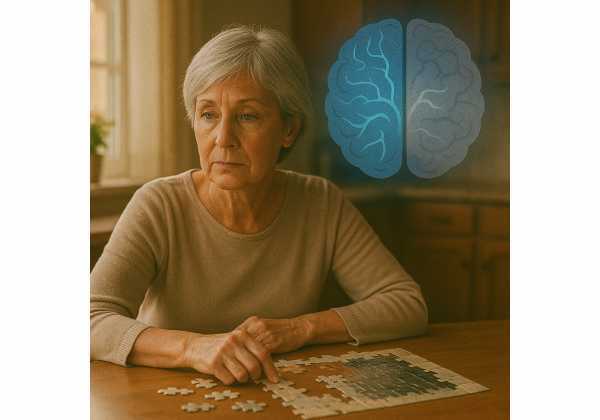
The aging brain changes, but dementia is not a normal part of aging. A slower name recall, a missed appointment, or needing more time to learn a new app often reflects normal cognitive aging. Losing the ability to manage bills, follow familiar routes, cook safely, or hold a clear conversation points to something more serious. The difference matters because fear often leads people to ignore early symptoms, while normal lapses often lead to unnecessary panic.
Brain longevity means protecting memory, attention, judgment, processing speed, mood, sleep, movement, and daily independence over time. No habit guarantees protection from dementia, and no single test predicts the future with certainty. Still, many risk factors are measurable and changeable, especially in midlife and early older age. Blood pressure, blood sugar, hearing, sleep, mood, movement, medications, social connection, and learning all shape the brain’s long-term resilience.
Table of Contents
- Normal Cognitive Aging: Slower Does Not Mean Broken
- MCI and Dementia: Where Normal Aging Ends
- Why Dementia Risk Rises With Age
- Modifiable Dementia Risk Factors Worth Taking Seriously
- Brain Longevity Habits That Protect Daily Function
- When Memory Changes Deserve Assessment
- Building a Brain Longevity Plan You Can Actually Follow
Normal Cognitive Aging: Slower Does Not Mean Broken
Normal cognitive aging usually shows up as slower access, not erased ability. A person may need extra time to find a word, remember a name, switch between tasks, or learn a new device. The information often comes back later, especially when stress drops or the setting gives a helpful cue. That pattern differs from forgetting entire conversations, repeating the same question many times, or losing the thread of routine daily tasks.
The brain changes with age because nerve cells, blood vessels, sleep patterns, hormones, inflammation, sensory input, and life experience all change. Processing speed often declines first. Divided attention also becomes harder, which explains why talking while driving, cooking while answering messages, or following a noisy group conversation feels more tiring than it used to.
Some abilities stay strong or improve. Vocabulary, life knowledge, emotional pattern recognition, practical judgment, and expertise often remain stable for decades. Older adults often solve familiar problems well because they draw from experience rather than raw speed alone.
Common normal changes include:
- Taking longer to recall a name, then remembering it later.
- Walking into a room and needing a moment to remember why.
- Needing written reminders for busy weeks.
- Learning new technology more slowly than younger adults.
- Feeling mentally drained after multitasking.
- Misplacing items occasionally, especially during stress or poor sleep.
These lapses become more noticeable when the brain is overloaded. Sleep debt, dehydration, grief, pain, infection, alcohol, high stress, low blood sugar, new medications, and untreated hearing loss often create short-term cognitive fog. The same person may think clearly after a better night of sleep, a calmer week, or treatment of the underlying trigger.
Normal aging also affects confidence. People who fear dementia often monitor every lapse, which makes mistakes feel larger. Anxiety narrows attention and makes recall harder, creating a loop: worry worsens memory performance, then the memory slip worsens worry. This does not mean symptoms should be ignored. It means the pattern, duration, and effect on independence matter more than one isolated mistake.
A useful self-check is function. If memory lapses are annoying but daily life stays organized, the pattern often fits normal aging. If cognitive changes repeatedly interfere with money management, medication safety, driving, work, cooking, appointments, or relationships, assessment becomes important.
MCI and Dementia: Where Normal Aging Ends
Mild cognitive impairment, often called MCI, sits between normal aging and dementia. In MCI, thinking or memory has declined more than expected for age, but the person still handles most daily activities independently. They may rely more on calendars, lists, routines, or family reminders, yet they still manage the essentials.
Dementia is different. Dementia describes a decline in one or more thinking abilities severe enough to interfere with independence. Memory loss is common, but dementia also affects language, judgment, planning, visual-spatial skills, behavior, personality, attention, or movement depending on the cause.
Alzheimer’s disease is the most common cause of dementia, but it is not the only one. Vascular dementia, Lewy body dementia, frontotemporal dementia, Parkinson’s disease dementia, mixed dementia, traumatic brain injury, alcohol-related brain damage, and some medical conditions also cause dementia-like decline. Many older adults have mixed pathology, meaning more than one disease process affects the brain at the same time.
| Pattern | Typical signs | Daily independence | Usual next step |
|---|---|---|---|
| Normal cognitive aging | Slower recall, slower learning, more effort with multitasking | Preserved | Improve sleep, routines, hearing, movement, stress control, and health checks |
| Mild cognitive impairment | Measurable decline noticed by the person or others | Mostly preserved, with more supports | Clinical evaluation, medication review, lab checks, risk-factor treatment, follow-up testing |
| Dementia | Decline in memory, language, judgment, behavior, orientation, or daily task ability | Reduced | Medical diagnosis, safety planning, cause-specific care, caregiver support, legal and financial planning |
MCI does not always progress to dementia. Some people remain stable for years. Some improve when the cause is sleep apnea, depression, medication side effects, thyroid disease, vitamin B12 deficiency, alcohol use, grief, uncontrolled blood pressure, or untreated hearing loss. Others progress because an underlying brain disease continues.
Dementia risk also differs from dementia diagnosis. Risk means the odds are higher than average; diagnosis means symptoms and testing show a current disorder. A person with an APOE ε4 gene variant has higher Alzheimer’s risk, but many carriers never develop dementia. A person without that variant still develops dementia if other biological, vascular, or lifestyle risks accumulate. Genetics belongs in context, especially when interpreting APOE and other longevity genetics.
One important distinction is subjective cognitive decline. This means a person notices worsening memory or thinking, but standard testing does not show clear impairment. Subjective changes deserve respect, especially when they persist, worsen, or come with strong family history. They also need careful interpretation because stress, sleep, anxiety, menopause symptoms, pain, and sensory loss often produce the same complaint.
Why Dementia Risk Rises With Age
Dementia risk rises with age because damage accumulates across many brain systems. The brain is not isolated from the rest of the body. It depends on steady blood flow, oxygen, glucose regulation, sleep quality, immune balance, social stimulation, sensory input, and movement. When those systems erode over decades, the brain loses reserve.
Neurons communicate through networks. Dementia begins when disease processes disrupt those networks enough to impair function. Alzheimer’s disease involves amyloid plaques, tau tangles, synapse loss, inflammation, and nerve-cell injury. Vascular cognitive impairment involves small strokes, microbleeds, blood vessel stiffness, white matter damage, and reduced blood-flow control. Lewy body disease involves abnormal alpha-synuclein protein deposits and often affects attention, movement, sleep, and visual perception. Frontotemporal dementia often affects personality, behavior, language, or executive function earlier than memory.
Age increases vulnerability, but age alone does not explain everything. Two people at age 75 often have very different brain health because their lifetime exposures differ. One may have decades of treated blood pressure, regular walking, rich social ties, good hearing care, and mentally demanding work. Another may have uncontrolled hypertension, diabetes, poor sleep, isolation, smoking history, repeated head injuries, and untreated hearing loss. Their chronological age is the same, but their brain risk profile differs.
Reserve explains part of this difference. Cognitive reserve means the brain uses flexible networks to keep functioning despite age-related change or disease burden. Education, complex work, bilingualism, music, skill learning, reading, social engagement, and problem-solving appear to build reserve over time. Reserve does not make the brain immune to disease, but it often delays the point where damage becomes obvious in daily life. Deliberate skill learning is one way to build cognitive reserve across adulthood.
Vascular health also matters because the brain is an energy-hungry organ. It represents about 2% of body weight but uses roughly 20% of the body’s resting oxygen supply. High blood pressure, insulin resistance, smoking, sleep apnea, kidney disease, and abnormal lipids damage small vessels and reduce the brain’s ability to respond to demand. White matter, the wiring that connects brain regions, is especially sensitive to long-term vascular strain.
Inflammation adds another layer. Short bursts of immune activity help repair injury. Chronic inflammation from gum disease, poor metabolic health, smoking, visceral fat, infections, pollution exposure, or autoimmune disease strains the brain’s support cells. Microglia, the brain’s immune cells, help clear debris, but chronic activation contributes to synapse loss and tissue injury.
Dementia prevention therefore does not rely on one magic habit. It resembles compound interest. Small improvements repeated for years lower the total burden on brain networks.
Modifiable Dementia Risk Factors Worth Taking Seriously
Dementia risk is not fully controllable, but many risk factors are practical targets. The strongest approach treats brain health as a whole-body project rather than a memory-only project.
The 2024 Lancet Commission identified 14 modifiable risk factors across life: less education, hearing loss, high LDL cholesterol, depression, traumatic brain injury, physical inactivity, diabetes, smoking, high blood pressure, obesity, excessive alcohol, social isolation, air pollution, and vision loss. The report estimated that addressing these factors could prevent or delay about 45% of dementia cases worldwide. That number is not a promise for one person. It shows how much risk comes from conditions that society, clinicians, families, and individuals can influence.
Vascular and metabolic risks
High blood pressure is one of the most important midlife brain risks. It damages small vessels, increases white matter disease, and raises the risk of stroke and vascular cognitive impairment. Home measurement helps because clinic readings often miss masked hypertension or exaggerate white-coat effects. People with high readings should treat blood pressure as a brain-protection issue, not only a heart issue. A deeper look at hypertension and white matter health explains why midlife control has long-term cognitive value.
Diabetes and insulin resistance also increase dementia risk. The brain needs stable energy delivery, healthy blood vessels, and low inflammatory load. Repeated glucose spikes, high insulin, abdominal fat, fatty liver, and poor sleep often cluster together. Addressing diabetes and cognition means improving food patterns, muscle mass, walking, sleep, medication adherence, and cardiovascular risk markers.
LDL cholesterol has gained more attention in dementia prevention because vascular disease and neurodegeneration often overlap. Lipids influence atherosclerosis, stroke risk, and blood vessel health. Cholesterol targets should be individualized with a clinician, especially for people with cardiovascular disease, diabetes, high ApoB, high Lp(a), or strong family history.
Sensory loss and brain load
Untreated hearing loss forces the brain to spend extra effort decoding sound. That leaves fewer resources for memory and conversation. Hearing loss also increases social withdrawal, listening fatigue, and depression risk. Hearing aids and cochlear implants do not guarantee dementia prevention, but better hearing improves communication and reduces cognitive strain. Adults who miss words in noise, turn up the television, avoid restaurants, or misunderstand conversations should treat hearing testing and hearing aids as brain-health tools.
Vision loss deserves similar attention. Cataracts, glaucoma, macular degeneration, outdated lenses, and poor contrast at home increase cognitive load and fall risk. Vision correction also protects mobility, reading, driving, and social participation.
Sleep, mood, medications, and head injury
Sleep protects memory consolidation, emotional regulation, metabolic health, and waste-clearance systems in the brain. Chronic insomnia, sleep apnea, irregular sleep timing, excessive daytime sleepiness, and short sleep duration all deserve attention. Snoring with pauses, morning headaches, high blood pressure, and daytime sleepiness point toward sleep apnea. The relationship between sleep and brain aging is strong enough to treat sleep as a foundation, not a luxury.
Depression and anxiety also affect cognition. Depression in later life often looks like poor concentration, slowed thinking, low motivation, and memory complaints. Treating mood symptoms improves quality of life and often improves cognitive performance. Persistent mood changes after retirement, illness, bereavement, or caregiving strain deserve support rather than dismissal.
Medication burden is a common reversible contributor. Anticholinergic medications, sedating antihistamines, some bladder medications, some sleep drugs, benzodiazepines, opioids, and combinations of sedatives increase confusion, falls, and memory problems in vulnerable adults. No one should stop prescribed medication abruptly, but a careful anticholinergic burden review with a clinician often reveals safer options.
Traumatic brain injury raises risk, especially repeated injuries or injuries with loss of consciousness. Fall prevention, strength training, balance work, safer cycling, seatbelts, helmets, and alcohol moderation all reduce head-injury exposure.
Brain Longevity Habits That Protect Daily Function
Brain longevity works best when habits support several systems at once. A walk after lunch improves glucose control, blood pressure, blood flow, sleep pressure, mood, and attention. A shared meal improves nutrition and social connection. Strength training protects insulin sensitivity, gait, confidence, and fall risk. These overlapping benefits matter because dementia risk is multi-factorial.
Move for blood flow, muscle, balance, and reserve
Physical activity supports the brain through better vascular function, lower insulin resistance, lower inflammation, improved sleep, stronger muscles, and reduced depression symptoms. The best routine combines aerobic work, resistance training, balance, mobility, and daily walking.
A practical weekly target for many adults is:
- 150 to 300 minutes of moderate aerobic activity, such as brisk walking, cycling, swimming, dancing, or incline walking.
- Two to three strength sessions covering squat, hinge, push, pull, carry, and core patterns.
- Balance practice several days per week, especially after age 60.
- Short movement breaks after meals and during long sitting periods.
Zone 2 training, done at a pace where conversation is possible but effort is steady, builds aerobic capacity without high strain. It pairs well with strength work and walking. A structured guide to Zone 2 training for healthy aging helps turn the idea into a weekly routine.
Eat for vessels, metabolism, and inflammation control
A brain-supportive eating pattern looks more like a steady template than a strict diet. Mediterranean and MIND-style patterns emphasize vegetables, leafy greens, berries, legumes, whole grains, nuts, olive oil, fish, fermented foods, herbs, and minimally processed meals. They limit frequent fried foods, processed meats, refined carbohydrates, and heavy alcohol.
This pattern helps the brain indirectly through better blood pressure, insulin sensitivity, lipid levels, gut health, and inflammation control. It also supplies nutrients involved in nerve signaling and methylation, including B vitamins, choline, magnesium, omega-3 fats, polyphenols, and potassium.
A practical brain-focused plate includes:
- A protein source at each meal, such as fish, yogurt, eggs, poultry, tofu, tempeh, beans, lentils, or lean meat.
- Two colorful plant foods, with leafy greens often.
- A high-fiber carbohydrate when tolerated, such as oats, barley, beans, lentils, berries, potatoes, or intact whole grains.
- A healthy fat source, such as extra-virgin olive oil, nuts, seeds, avocado, or oily fish.
For a nutrition-first approach, Mediterranean and MIND principles for brain health offer a useful starting point.
Train the brain with challenge, not busywork
The brain responds to novelty, effort, feedback, and meaning. Crossword puzzles are fine, but the broader aim is learning that stretches attention and skill. Examples include learning a language, practicing music, dancing, coding, woodworking, chess, photography, writing, volunteering in a demanding role, or studying a new field.
Effective cognitive training has four features: it is challenging, progressive, emotionally engaging, and connected to real life. Passive scrolling rarely meets that standard. A pottery class, choir rehearsal, bridge group, language exchange, or community project usually does.
Social contact adds another layer. Conversation requires attention, memory, emotional reading, language, hearing, and quick adjustment. Loneliness and isolation remove that training while increasing stress biology. Strong social connection belongs in a brain longevity plan, especially after retirement, bereavement, relocation, or caregiving changes.
When Memory Changes Deserve Assessment
Memory concerns deserve assessment when they persist, worsen, or affect daily function. Early evaluation does not mean assuming dementia. It means looking for treatable causes, documenting a baseline, and making safer decisions.
Seek medical evaluation when any of these patterns appear:
- Repeating the same question or story several times in one conversation.
- Getting lost on familiar routes.
- Missing bills, double-paying, falling for scams, or losing financial judgment.
- Forgetting medications or taking them twice.
- New trouble cooking familiar meals or using household appliances safely.
- Personality changes, poor judgment, apathy, paranoia, or major social withdrawal.
- New language problems, such as struggling to name common objects or follow conversation.
- New visual-spatial problems, such as misjudging distances, bumping into objects, or trouble parking.
- Family members notice decline that the person minimizes.
- Sudden confusion, weakness, facial droop, severe headache, or speech trouble.
Sudden cognitive change is urgent. Delirium, stroke, infection, dehydration, medication reaction, low oxygen, low sodium, and other acute problems require prompt care. Dementia usually develops over months to years, not overnight.
A good cognitive assessment starts with a history. The clinician asks what changed, when it started, whether it is progressing, which daily tasks are affected, and which medications or health events changed around the same time. A family member or close friend often provides essential detail because people with cognitive decline may underestimate changes.
Common evaluation steps include:
- Cognitive screening, such as MoCA, Mini-Cog, SLUMS, or similar tools.
- Medication review, including over-the-counter sleep aids and allergy pills.
- Mood and sleep screening, especially depression, anxiety, insomnia, and sleep apnea.
- Blood tests for common reversible contributors, such as B12 deficiency, thyroid disease, anemia, kidney or liver problems, inflammation, infections when relevant, and glucose problems.
- Hearing and vision checks.
- Brain imaging when symptoms, exam, or history suggest stroke, tumor, bleeding, normal pressure hydrocephalus, or another structural cause.
- Neuropsychological testing when the pattern is unclear or a detailed baseline is needed.
Vitamin B12 deserves special mention because low B12 contributes to neuropathy, anemia, mood symptoms, and cognitive problems. Folate and homocysteine sometimes add context. A careful look at B12, folate, and homocysteine is especially useful for people taking metformin or acid-suppressing medications, vegans, older adults, and people with digestive disorders.
Biomarker testing for Alzheimer’s disease is changing quickly. Blood tests, cerebrospinal fluid tests, amyloid PET scans, and tau PET scans identify biological signs of Alzheimer’s pathology. These tests are not general screening tools for every worried adult. They work best when ordered in the right clinical context, interpreted by trained clinicians, and connected to a clear decision, such as diagnosis, treatment eligibility, or trial enrollment.
Building a Brain Longevity Plan You Can Actually Follow
A brain longevity plan should reduce major risks without turning life into a full-time medical project. The most useful plan starts with a baseline, selects a few high-return actions, and repeats them long enough to matter.
Start with the risks that cause the most damage or have the clearest next step. Blood pressure, hearing loss, sleep apnea, diabetes, smoking, heavy alcohol, medication burden, depression, inactivity, and social isolation usually deserve attention before niche supplements or expensive testing.
A simple plan for the next 90 days might look like this:
| Priority | Action | Why it helps |
|---|---|---|
| Blood pressure | Measure at home for 7 days and review the average with a clinician if elevated | Protects small vessels, white matter, stroke risk, kidney health, and heart health |
| Movement | Walk after meals and do two full-body strength sessions weekly | Improves glucose control, blood flow, sleep, balance, and mood |
| Sleep | Keep a steady wake time and screen for apnea if snoring or daytime sleepiness is present | Supports memory consolidation, metabolic health, and daytime attention |
| Hearing and vision | Book testing if conversations, reading, driving, or contrast have become harder | Reduces cognitive load and protects social participation |
| Medication burden | Bring all prescriptions and over-the-counter products to a medication review | Identifies sedating or anticholinergic drugs that worsen memory and falls |
| Connection and learning | Schedule one recurring social activity and one skill-building activity | Builds cognitive reserve, mood stability, and routine |
Tracking should stay simple. Too many metrics create noise. Useful measures include home blood pressure, waist circumference, walking pace, strength progress, sleep regularity, hearing follow-through, alcohol intake, mood symptoms, and whether daily tasks feel easier. Cognitive testing belongs on a longer interval unless a clinician recommends closer follow-up. Testing too often creates practice effects and anxiety.
Supplements deserve caution. Correcting a deficiency helps; adding pills without a clear reason often distracts from higher-value work. Omega-3, vitamin D, B12, magnesium, creatine, and other supplements have specific use cases, but they do not replace movement, sleep, blood pressure control, hearing care, food quality, and social connection. Supplements also interact with medications and medical conditions.
Families should discuss brain health before a crisis. A respectful conversation covers driving, finances, medication systems, emergency contacts, legal documents, home safety, and preferences for care. These talks feel easier when framed as independence planning rather than decline planning.
Brain longevity is not perfection. It is a steady reduction in avoidable strain and a steady increase in reserve. A person who controls blood pressure, treats hearing loss, walks daily, lifts twice weekly, sleeps on a regular schedule, eats mostly whole foods, keeps learning, and stays socially connected has built a strong foundation. The plan is ordinary on purpose. Ordinary actions repeated for years are the brain’s best protection.
References
- Dementia prevention, intervention, and care: 2024 report of the Lancet standing Commission 2024 (Review)
- 2026 Alzheimer’s disease facts and figures 2026 (Report)
- Risk reduction of cognitive decline and dementia: WHO guidelines 2019 (Guideline)
- Physical Activity and Cognitive Decline Among Older Adults: A Systematic Review and Meta-Analysis 2024 (Systematic Review)
- Association of Hearing Aids and Cochlear Implants With Cognitive Decline and Dementia: A Systematic Review and Meta-analysis 2023 (Systematic Review)
- Sleep disorders and the risk of cognitive decline or dementia: an updated systematic review and meta-analysis of longitudinal studies 2025 (Systematic Review)
Disclaimer
This article is educational and does not replace care from a qualified health professional. Memory changes, confusion, mood symptoms, sleep problems, medication side effects, and dementia risk need individualized assessment. Seek urgent medical care for sudden confusion, weakness, speech trouble, severe headache, chest pain, fainting, or symptoms of stroke.