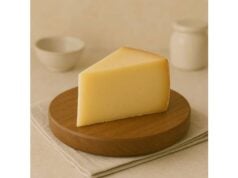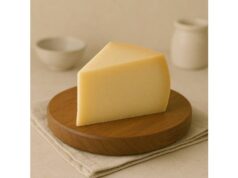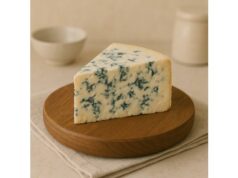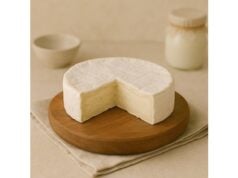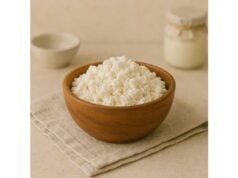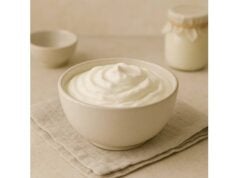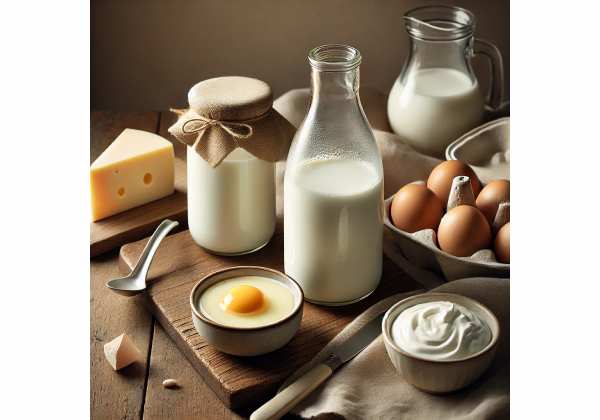
Sheep milk is a naturally rich, creamy dairy with distinct nutrition compared with cow and goat milk. Per 100 g, it typically delivers more protein, calcium, and phosphorus, plus a fuller body that excels in yogurt and cheese making. Its protein profile yields firm curds for celebrated cheeses like Pecorino and Roquefort, while its higher solids make it a versatile base for yogurt, kefir, and desserts. At the same time, sheep milk remains a whole food: it provides essential vitamins (notably vitamin A and riboflavin), minerals for bones and teeth, and complete proteins that support satiety and muscle repair. For many readers, the practical question is simple: how does sheep milk fit into an everyday diet? Below, you will find an evidence-based overview of nutrients, health benefits and risks, smart shopping and storage tips, and kitchen guidance to help you get the best flavor and nutrition from sheep milk—safely and sustainably.
Quick Overview
- Higher in protein, calcium (≈190 mg/100 g), and phosphorus than cow milk; excellent for bones and satiety.
- Choose pasteurized sheep milk and dairy to reduce risk of foodborne illness; avoid unpasteurized products during pregnancy.
- Typical serving: 200 mL (≈210 g), 3–5 times per week as part of varied dairy choices.
- People with cow’s milk protein allergy or galactosemia should avoid; those with lactose intolerance may tolerate cultured sheep dairy better than fluid milk.
Table of Contents
- What Makes Sheep Milk Different
- Sheep Milk Nutrition Profile (per 100 g)
- Science-Backed Benefits of Sheep Milk
- Risks, Allergies and Who Should Avoid
- Buying, Quality, Sustainability and Storage
- How to Use and Preserve Nutrients
- Portions, Comparisons and FAQs
What Makes Sheep Milk Different
Sheep milk stands out for its concentration of solids—protein, fat, and minerals—relative to cow or goat milk. This creates both culinary and nutritional advantages. From a culinary perspective, higher casein (milk’s main cheese-forming protein) and calcium-phosphate micelles form tighter curds. That means better yield, firmer texture, and fuller flavor in yogurt and cheese. Even when enjoyed as fluid milk, the mouthfeel is naturally velvety because more fat and protein increase viscosity.
Nutritionally, the picture is equally compelling. Per 100 g, sheep milk commonly provides around 6 g protein (complete, with all essential amino acids), 7 g fat (with both saturated and monounsaturated fats), and about 5.4 g lactose. The mineral density is a highlight: calcium often falls near 190–200 mg/100 g and phosphorus around 150–160 mg/100 g, supporting bone mineralization and enamel integrity. Riboflavin (vitamin B2) is notably abundant relative to many dairy choices, and vitamin A (as retinol) contributes to vision and epithelial health. These differences stem from breed genetics, feeding patterns (pasture vs. mixed rations), lactation stage, and seasonal shifts—all of which influence solids-not-fat and fatty acid composition.
For home cooks, those compositional details translate into predictable behavior in recipes: sheep milk scalds and steams well, holds structure in custards and puddings, and produces thick, stable yogurt with minimal straining. Its emulsifying proteins stabilize sauces without excessive thickeners. In baking, it adds tenderness and browning thanks to extra milk solids that participate in Maillard reactions.
Of course, “richer” is not the same as “always better.” The higher saturated fat content means portions matter if you are managing LDL cholesterol. Lactose content is similar to cow milk, so people with lactose intolerance may experience symptoms with fluid sheep milk but often tolerate fermented options (yogurt, kefir) better because live cultures break down part of the lactose. Safety is also paramount: unpasteurized (raw) sheep milk and soft cheeses made from it carry a higher risk of Listeria, which is especially critical for pregnancy, older adults, and immunocompromised people. The practical guidance: reach for pasteurized products, enjoy fermented forms if you want easier digestibility, and keep servings aligned with your personal calorie and fat targets.
Sheep Milk Nutrition Profile (per 100 g)
How to read this section: Values are typical for plain, pasteurized sheep milk (not fortified) and rounded to sensible precision. Percent Daily Values (%DV) use adult reference DVs (e.g., calcium 1300 mg, phosphorus 1250 mg, potassium 4700 mg, sodium 2300 mg, magnesium 420 mg, zinc 11 mg, vitamin A 900 µg RAE, riboflavin 1.3 mg, vitamin B12 2.4 µg, vitamin D 20 µg, vitamin E 15 mg). Natural variation is expected by breed, feed, and season. Fortified or UHT products may differ.
Macros and Electrolytes
| Nutrient | Amount (per 100 g) | %DV |
|---|---|---|
| Energy | 108 kcal | — |
| Protein | 6.0 g | 12% |
| Total Fat | 7.0 g | 9% |
| Saturated Fat | 4.6 g | 23% |
| Monounsaturated Fat | 1.8 g | — |
| Polyunsaturated Fat | 0.3 g | — |
| Carbohydrate (total) | 5.4 g | 2% |
| Total Sugars (as lactose) | 5.4 g | — |
| Sodium | 44 mg | 2% |
| Potassium | 136 mg | 3% |
| Water | 81–82 g | — |
Fats and Fatty Acids
| Fatty Acid Category | Typical Amount (per 100 g) | Notes |
|---|---|---|
| Short-chain (C4:0–C6:0) | ~0.5–0.7 g | Flavor/aroma; rapidly oxidized for energy |
| Medium-chain (C8:0–C12:0) | ~0.8–1.2 g | Efficient energy; less need for micellar transport |
| Palmitic acid (C16:0) | ~2.0–2.5 g | Primary saturated fatty acid |
| Oleic acid (C18:1 n-9) | ~1.2–1.6 g | Main MUFA |
| Linoleic acid (C18:2 n-6) | ~0.15–0.25 g | Essential PUFA |
| Alpha-linolenic acid (C18:3 n-3) | ~0.05–0.10 g | Essential PUFA; pasture raises levels |
| Conjugated linoleic acid (CLA, total) | ~0.05–0.12 g | Varies with diet and season |
Protein and Key Amino Acids (overview)
| Component | Typical Share | Practical Meaning |
|---|---|---|
| Caseins (αs1, αs2, β, κ) | ~75–80% of total protein | Strong gel/curd formation, higher cheese yield |
| Whey proteins (β-lactoglobulin, α-lactalbumin, serum albumin, immunoglobulins) | ~20–25% | Rapid digestion; peptides with bioactivity |
Vitamins
| Vitamin | Amount (per 100 g) | %DV |
|---|---|---|
| Vitamin A (retinol activity equivalents) | ~63 µg RAE | 7% |
| Riboflavin (Vitamin B2) | ~0.30 mg | 23% |
| Vitamin B12 (Cobalamin) | ~0.4 µg | 17% |
| Folate (DFE) | ~10 µg | 3% |
| Vitamin D | ~0.18 µg | 1% |
| Vitamin E (α-tocopherol) | ~0.12 mg | 1% |
Minerals
| Mineral | Amount (per 100 g) | %DV |
|---|---|---|
| Calcium | ~193 mg | 15% |
| Phosphorus | ~158 mg | 13% |
| Magnesium | ~18 mg | 4% |
| Zinc | ~0.6 mg | 5% |
| Selenium | ~3–5 µg | 6–9% |
Allergens and Intolerance Markers
| Marker | Presence | Notes |
|---|---|---|
| Lactose | Present (~5.4 g/100 g) | Similar to cow milk; fermentation reduces lactose |
| Beta-lactoglobulin | Present | Major whey allergen in ruminant milks |
| Casein proteins | Present (αs1, αs2, β, κ) | Cross-reactivity with cow’s milk proteins is common |
| Histamine/biogenic amines | Trace in fermented products | Rises with ripening; sensitive individuals may react |
Footnotes:
- Values reflect non-fortified products unless noted. Some markets fortify fluid milk or yogurt with vitamin D or A; labels override typical values.
- Trace elements (iodine, fluoride) vary widely with feed and water and are not listed due to variability.
Science-Backed Benefits of Sheep Milk
1) Bone and dental support from calcium–phosphorus density. Sheep milk’s standout mineral profile—about 193 mg calcium and 158 mg phosphorus per 100 g—makes it an efficient contributor to daily bone needs. Casein micelles naturally carry calcium and phosphate in a bioavailable form, and the higher casein concentration compared with many other milks supports both skeletal mineralization and enamel integrity. For individuals not meeting calcium targets, a single 200 mL glass can contribute roughly 30% of daily calcium requirements.
2) Quality protein for satiety and repair. With about 6 g protein per 100 g (≈12 g per 200 mL serving), sheep milk supplies complete, readily utilized protein. The casein fraction digests more slowly (sustained amino acid supply), while whey proteins deliver a faster rise in plasma amino acids. This mixed profile is practical for post-exercise recovery snacks (yogurt, smoothies) and for steady satiety between meals.
3) Naturally nutrient-dense for smaller portions. Because sheep milk concentrates solids, smaller portions deliver comparable nutrition to larger servings of leaner milks. That is particularly helpful for children with limited appetites, older adults, or anyone who prefers smaller, more satisfying servings.
4) Fermented sheep dairy may be easier to digest. Yogurt and kefir made from sheep milk often contain live cultures (Lactobacillus, Bifidobacterium species) that hydrolyze lactose during fermentation and provide microbial β-galactosidase. Many people with lactose intolerance find cultured products more tolerable than fluid milk. Fermented sheep milk also forms a firmer gel and thicker texture, which improves palatability without added thickeners.
5) Bioactive components beyond basic nutrition. Sheep milk contains lactoferrin, immunoglobulins, and peptides formed during fermentation or digestion; these compounds have been investigated for roles in mineral absorption, antimicrobial defense, and blood pressure regulation. While mechanisms and clinical impact are active research areas, the combination of quality proteins and bioactives supports the rationale for including sheep milk dairy as one of several protein-rich foods in a balanced diet.
6) Support for vision and energy metabolism. Vitamin A (retinol) supports epithelial integrity and vision. Riboflavin is a cofactor in energy metabolism (flavoproteins), and sheep milk tends to provide comparatively higher riboflavin than many dairy alternatives—useful for populations with marginal intakes.
How to apply the evidence in daily life
- Aim for 2–3 dairy servings per day across all dairy sources; incorporate a 200 mL glass of sheep milk or a 170 g serving of sheep milk yogurt several times per week.
- Pair fermented sheep dairy with carbohydrate sources (fruit, oats) post-workout for protein plus glycogen replenishment.
- If you are sensitive to lactose, test tolerance with small portions (100–125 g) of yogurt or kefir before trying fluid milk.
- Combine sheep dairy with plant foods rich in potassium and fiber (legumes, leafy greens) for heart-conscious plates.
Risks, Allergies and Who Should Avoid
Raw milk and soft cheese safety. Unpasteurized (raw) sheep milk and dairy products made from it can harbor dangerous pathogens (including Listeria monocytogenes). Soft and fresh cheeses are higher risk because their high moisture and low acidity can permit microbial growth. Pasteurization sharply reduces those risks while keeping core nutrients. Practical rule: choose pasteurized sheep milk and pasteurized cheeses, especially in pregnancy, for older adults, and for people with weakened immunity.
Lactose intolerance. Sheep milk contains lactose in amounts similar to cow milk (~5–5.5 g/100 g). Individuals with lactase non-persistence may experience bloating, cramps, or diarrhea after drinking fluid milk. Fermented options (yogurt, kefir) typically reduce lactose and may be tolerated better. Tolerance varies; start with small servings and increase as comfortable.
Milk protein allergy and cross-reactivity. If you have a diagnosed cow’s milk protein allergy, cross-reactivity to sheep milk proteins (caseins, β-lactoglobulin) is common. Do not substitute sheep milk unless an allergist has specifically evaluated tolerance under supervision. For infants with cow’s milk protein allergy, sheep milk is not an appropriate alternative.
Cardiometabolic considerations. Sheep milk is higher in saturated fat per 100 g than many other milks. If you are managing LDL cholesterol or following a heart-healthy plan, keep an eye on portion sizes and the overall dietary pattern. Pair sheep dairy with fiber-rich foods, choose fermented forms more often, and balance with unsaturated fats (olive oil, nuts, fish).
Kidney disease and mineral loads. People with advanced chronic kidney disease may need to limit phosphorus and, in some cases, potassium. Sheep milk’s higher phosphorus can be an issue—speak with your renal dietitian before adding it regularly.
Biogenic amines and histamine sensitivity. Aged sheep cheeses can accumulate histamine and other amines over time. Sensitive individuals may prefer fresh cheeses, yogurt, or pasteurized fluid milk.
Food handling and storage. Keep milk at 0–4 °C (32–39 °F). Return to the fridge promptly after pouring. Discard if sour odor or curdling develops. Reheat gently; avoid prolonged holding in the 40–60 °C (104–140 °F) “danger zone.”
Who should limit or avoid
- Avoid entirely: individuals with cow’s milk protein allergy (unless medically cleared), infants under 12 months as a primary milk, and anyone advised to avoid galactose (classic galactosemia).
- Limit and choose pasteurized only: pregnant people, adults over 65, immunocompromised individuals.
- Monitor portions: those with elevated LDL cholesterol or chronic kidney disease.
Buying, Quality, Sustainability and Storage
How to choose
- Pasteurization first. Look for “pasteurized” on labels for milk, yogurt, and soft cheeses.
- Freshness cues. Seek cold-chain integrity (product is well-refrigerated, not sweating). Choose containers furthest from their sell-by date. For yogurt, a slight layer of whey on top is normal; excessive separation or off-odors are not.
- Ingredients list. Plain sheep milk needs no thickeners; yogurt should list milk plus cultures (e.g., S. thermophilus and L. delbrueckii subsp. bulgaricus). Fortified products may list vitamin D or A—useful in low-sunlight seasons.
- Packaging. Opaque, well-sealed cartons or bottles protect light-sensitive vitamins (riboflavin). Rigid tubs for yogurt help reduce whey pooling.
Signs of quality
- Flavor and aroma. Clean, mildly sweet, and creamy; avoid rancid, barny, or excessively sour notes.
- Texture. Fluid milk should pour smoothly; yogurt should be cohesive and spoonable without being gluey.
- Cheese yield. For home cheesemakers, sheep milk’s higher casein and calcium produce excellent yield and firm textures.
Sustainability snapshot
Sheep dairying is often integrated with grazing on marginal lands where cropping is limited. That can maintain grassland ecosystems and support rural economies. Environmental impact varies by region and management; per liter, small ruminant milk can show higher greenhouse gas intensity than industrial cow dairies, but rotational grazing, improved genetics, and optimized feeding reduce footprints. Choosing local producers, seasonal products, and minimal-additive items helps lower transport and processing impacts. Reusable glass or recyclable packaging further improves sustainability.
Storage and shelf life
- Fluid milk: keep at 0–4 °C (32–39 °F); use within 5–7 days of opening (or manufacturer guidance). Do not store in the door (warmer); place on a middle shelf.
- Yogurt and kefir: unopened, follow date; after opening, use within 5–10 days while flavors are brightest.
- Freezing: fluid sheep milk can be frozen for cooking (up to 2–3 months). Thaw overnight in the fridge, shake well; expect slight separation. Fresh cheeses freeze poorly; aged hard cheeses fare better if well-wrapped.
- Cross-contamination: dedicate a clean ladle for yogurt; avoid double-dipping to protect cultures.
How to Use and Preserve Nutrients
Everyday uses (no special equipment)
- Glass of milk, warmed or chilled. Add a pinch of cinnamon or cardamom to highlight natural sweetness.
- Sheep milk yogurt bowl. Top 170 g with berries, nuts, and a drizzle of honey; yields protein plus fiber and polyphenols.
- Smoothies. Blend 200 mL milk or kefir with banana and oat flakes; the β-glucans from oats complement dairy protein for steady energy.
- Sauces and soups. The higher solids stabilize creaminess in tomato soups or mushroom sauces without heavy cream.
Culinary techniques that flatter sheep milk
- Gentle heat. Heat slowly to avoid scorching proteins (use heavy-bottomed pans, medium-low heat).
- Fermentation. For yogurt: inoculate warm milk (≈43 °C/110 °F), incubate 6–10 hours; longer incubation deepens tang and reduces lactose further.
- Straining. To make labneh-style yogurt, strain through a fine cloth for 2–6 hours under refrigeration; the higher protein delivers a rich, spreadable texture.
- Cheesemaking basics. Sheep milk’s casein favors firm, elastic curds. Even simple fresh cheeses (paneer, queso-style) set cleanly with acid or rennet.
Retention tips
- Avoid prolonged high heat. Extended boiling can denature whey proteins and reduce B-vitamins; simmer gently and add dairy near the end of cooking when possible.
- Light protection. Store in opaque containers to protect riboflavin.
- Fermented forms for lactose management. Yogurt and kefir retain most minerals while lowering lactose, which aids tolerance for some individuals.
- Pairing for absorption. Vitamin D–fortified products or small amounts of dietary fat in a meal can support calcium absorption; conversely, very high phytic acid from raw bran consumed at the same time may slightly reduce mineral uptake.
Flavor pairings
- Savory: roasted vegetables, lentils, herbs (mint, dill), citrus zest, olive oil.
- Sweet: stone fruits, berries, dates, pistachios, vanilla.
- Spices: cardamom, saffron, cinnamon, black pepper (for lassi-style drinks).
Portions, Comparisons and FAQs
Recommended portion and frequency
- Fluid milk: 200 mL (≈210 g) per serving, 3–5 times per week within a mixed dairy pattern.
- Yogurt/kefir: 150–200 g per serving; daily use is reasonable for most adults.
- Cheese (sheep milk): 30 g hard cheese or 50 g fresh cheese as a standard serving.
Adjust frequency to your calorie, saturated fat, and sodium goals. Those managing LDL cholesterol may focus on fermented options and keep portions moderate.
How sheep milk compares (per 100 g, typical values)
- Protein: Sheep ≈6.0 g > Goat ≈3.6–3.8 g ≈ Cow ≈3.2–3.4 g.
- Fat: Sheep ≈7.0 g > Goat ≈3.5–4.0 g ≈ Cow ≈3.3–3.8 g.
- Calcium: Sheep ≈190–200 mg > Goat ≈120–140 mg ≈ Cow ≈115–130 mg.
- Lactose: Sheep ≈5.0–5.5 g (similar to cow; often slightly higher than goat).
- Texture: Sheep is naturally richer and thicker; excellent yogurt yield and stable sauces.
Cost and availability
Sheep milk is less widely produced than cow milk, often seasonal, and may cost more. If fluid milk is hard to find, yogurt and cheeses made from sheep milk are common substitutes that retain much of the nutrition.
FAQs
Is sheep milk suitable for toddlers?
From 12 months onward, small amounts of pasteurized sheep milk products can be included as part of varied dairy options, assuming the child tolerates lactose and milk proteins. Before 12 months, breast milk or iron-fortified infant formula should remain the primary milk.
Does sheep milk contain A2 β-casein?
Sheep milk predominantly contains β-casein variants considered “A2-type,” but allergy risk is driven by multiple proteins (caseins and whey). Do not use sheep milk as a treatment for cow’s milk allergy without medical guidance.
Can I froth sheep milk for coffee?
Yes. Its higher protein supports stable microfoam; use 60–65 °C (140–149 °F) to protect sweetness and avoid scorched flavors.
Will yogurt cultures survive refrigeration?
Yes, but counts decline over time. Consume within a week of opening for the best balance of texture, tang, and live cultures.
What about lactose-free sheep milk?
Where available, lactose-free versions are treated with lactase enzyme to hydrolyze lactose into glucose and galactose. Expect a slightly sweeter taste.
References
- Raw Milk 2025 (Guideline)
- How Listeria Spread: Soft Cheeses and Raw Milk | Listeria Infection | CDC 2025 (Guideline)
- Comparison of nutritional value of different ruminant milks in human nutrition 2022 (Review)
- Natural Bioactive Compounds in Sheep Milk: Potential Biomedical Applications 2025 (Review)
- Bioavailability of Macroelements from Synbiotic Sheep’s Milk Ice Cream 2023 (Experimental Study)
Disclaimer
This article is for general education and is not a substitute for personalized medical advice, diagnosis, or treatment. Always talk with your healthcare professional or a registered dietitian about dietary changes—especially if you are pregnant, immunocompromised, managing chronic disease, or have food allergies or intolerances.
If you found this guide helpful, please consider sharing it on Facebook, X (formerly Twitter), or your favorite platform to support our work and help others discover practical, evidence-based nutrition information.