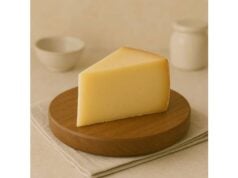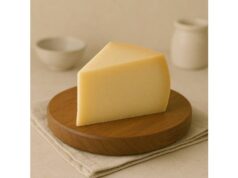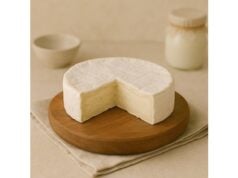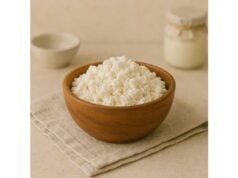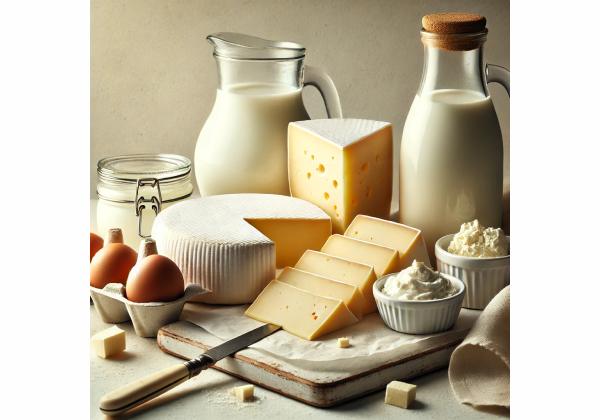
Queso blanco is a fresh, mild Latin-style cheese known for its clean dairy taste, creamy crumb, and distinctive non-melting character. Made by heating milk and setting it with an acid such as vinegar or lemon juice (rather than with rennet), it stays pleasantly firm when cooked—ideal for pan-searing, grilling, and crumbling over warm dishes without turning gooey. Home cooks prize it because it’s quick to make and easy to use; professionals love its versatility in salads, tacos, arepas, and vegetable sautés. Nutritionally, queso blanco provides complete protein, bioavailable calcium, and a modest amount of carbohydrates. Because it’s a fresh cheese, flavor is gentle and salty, and moisture is high. Safety matters, too: choose pasteurized milk versions and store them cold to minimize risk. This guide explains how queso blanco compares to other cheeses, what a 100-gram portion delivers, when it’s helpful nutritionally, who should limit it, and how to prep and cook it so you keep the nutrients you want—without losing the texture that makes this cheese special.
Top Highlights
- Protein-rich fresh cheese that keeps its shape when heated.
- Good source of calcium and phosphorus per 100 g; very low in carbs.
- Use pasteurized milk products and refrigerate promptly to reduce Listeria risk.
- Typical serving: 30–40 g, enjoyed 3–4 times weekly within overall sodium goals.
- People with milk allergy or strict low-sodium diets should limit or avoid.
Table of Contents
- Queso Blanco: What It Is
- Queso Blanco Nutrition Profile
- Potential Health Benefits
- Risks, Allergies and Interactions
- Selecting Quality, Sustainability and Storage
- Cooking, Uses and Nutrient Retention
- Portions, Comparisons and FAQs
Queso Blanco: What It Is
Queso blanco (literally “white cheese”) is a family of fresh, soft-to-firm cheeses common across Latin America and now widely made at home. It is an acid-heat–coagulated cheese: milk is heated, then curdled with an acid such as vinegar, lemon juice, or citric acid. The process produces a fine, tight curd without using rennet. After a light pressing, the cheese becomes sliceable and pleasantly squeaky. Because the proteins are set by heat and acid, queso blanco softens in the pan but does not melt into long strands—making it perfect for searing, cubing into soups, or crumbling on top of hot foods where you want clean edges and a creamy bite.
Flavor is mild and fresh, with a gentle tang and a saline finish. Texture ranges from tender and moist to firm and bouncy, depending on how long it’s pressed and how much salt is added. Many regional styles exist. In the United States, grocery-store “queso blanco” often resembles paneer or farmer’s cheese. In Latin American kitchens it may overlap in use with queso fresco, requesón, cuajada, and other local varieties. Compared with queso fresco, queso blanco is usually slightly firmer and more heat-stable, though recipes and moisture levels vary.
A fresh cheese is only as good as its milk. Cow’s milk is most common, but goat or a blend can be used. Pasteurized milk is the default for retail products; traditional farmhouse versions may rely on raw milk where local rules allow. Salt is the main added ingredient, though some commercial products include acidulants (citric or lactic acid) to standardize the curd and, less commonly, stabilizers for moisture control.
Culinary uses are broad. Queso blanco’s non-melting behavior lets you brown cubes for tacos, toss warm pieces into grain bowls, or tuck slices into arepas and pupusas without losing structure. Crumbled over black beans, spicy salsas, roasted vegetables, or fruit, it adds creamy contrast and a protein boost. Because it’s neutral, it plays well with citrus, herbs, chiles, tomatoes, and sweet-savory pairings like mango and tajín. It also offers an easy gateway for home cheese makers: a pot, a thermometer, acid, and cheesecloth are enough to produce a reliable, fresh block in under an hour.
Queso Blanco Nutrition Profile
How much nutrition does queso blanco deliver? Values vary by brand, milk type, and moisture, but the following table summarizes typical composition per 100 g for a plain, salted, pasteurized cow’s-milk queso blanco. Percent Daily Value (%DV) uses U.S. adult DVs.
Macros and Electrolytes (per 100 g)
| Nutrient | Amount | %DV |
|---|---|---|
| Energy | 300 kcal | — |
| Protein | 18.0 g | 36% |
| Total Fat | 24.0 g | 31% |
| Saturated Fat | 15.0 g | 75% |
| Carbohydrates | 2.2 g | 1% |
| Total Sugars | 1.5 g | — |
| Dietary Fiber | 0 g | 0% |
| Sodium | 650 mg | 28% |
| Potassium | 80 mg | 2% |
| Cholesterol | 70 mg | — |
| Water | ~53 g | — |
Fats and Fatty Acids
| Nutrient | Amount | %DV |
|---|---|---|
| Monounsaturated Fat | 7.0 g | — |
| Polyunsaturated Fat | 0.7 g | — |
| Trans Fat | 0 g | — |
Vitamins
| Vitamin | Amount | %DV |
|---|---|---|
| Vitamin A (RAE) | 230 µg | 26% |
| Vitamin B12 (Cobalamin) | 1.7 µg | 71% |
| Riboflavin (Vitamin B2) | 0.30 mg | 23% |
| Choline | 15 mg | 3% |
Minerals
| Mineral | Amount | %DV |
|---|---|---|
| Calcium | 550 mg | 42% |
| Phosphorus | 350 mg | 28% |
| Zinc | 2.5 mg | 23% |
| Selenium | 14 µg | 25% |
| Magnesium | 20 mg | 5% |
| Iron | 0.2 mg | 1% |
Allergens and Intolerance Markers
- Lactose: Fresh cheeses usually contain more lactose than long-aged hard cheeses, though still less than milk; individuals with lactose intolerance may tolerate small servings (e.g., 30 g) better than a glass of milk.
- Milk proteins: Contains casein and whey; avoid if you have a diagnosed milk allergy.
- Sodium: Moderate to high; many products contain 550–700 mg sodium per 100 g. Choose low-sodium options when available.
Glycemic and Acid–Base Notes
- Glycemic impact: Minimal; carbohydrates are very low and glycemic load is near zero.
- PRAL (acid load): Like most cheeses, queso blanco contributes to dietary acid load; pair with vegetables and fruits to balance overall acid–base intake.
Notes: Composition varies by moisture, pressing, and milkfat. Values above reflect a typical pasteurized, salted product and are not for a fortified or processed “cheese product.” Always check your brand’s label for precise data.
Potential Health Benefits
A compact source of complete protein. Queso blanco provides all essential amino acids and about 18 g of protein per 100 g. For small appetites or athletes trying to distribute protein across meals, a 30–40 g serving adds 5–7 g of high-quality protein with little carbohydrate, making it easy to balance plates built around beans, grains, or vegetables.
A meaningful dose of bioavailable calcium. At roughly 550 mg per 100 g, queso blanco is an efficient calcium carrier. Calcium from dairy is highly bioavailable and supports bone mineralization; pairing the cheese with vitamin-C–rich produce or vitamin-D–containing foods helps optimize utilization. For adolescents, older adults, and adults with low dietary calcium, replacing some salt-only toppings with a small amount of this cheese can raise daily intake without adding sugars.
Helpful nutrients beyond calcium. Fresh cheeses contribute phosphorus (for energy metabolism and bone), vitamin B12 (neurological function and red blood cell formation), and riboflavin (cellular energy). Together with protein, these nutrients help create satisfying meals with stable energy release, especially when cheese is combined with fiber-rich foods.
Satiety and meal structure. Because queso blanco is low in carbs and rich in protein and fat, it can improve satiety when used in modest amounts—crumbling over a bean-and-corn salad, folding into a vegetable omelet, or topping roasted squash. That satiety can support portion control for higher-glycemic foods served alongside.
Fermented-dairy context. While queso blanco itself is acid-set rather than culture-fermented, it still fits within the broader dairy matrix explored in clinical research. Randomized-trial meta-analyses suggest dairy foods, including cheese in balanced diets, can fit into cardiometabolic eating patterns without worsening risk markers when portions are moderate and overall saturated fat and sodium goals are respected. In practice, that means using queso blanco as a garnish or protein accent rather than the centerpiece.
Culinary benefits that enable healthier patterns. Because it doesn’t melt, queso blanco withstands high heat. That lets you sauté vegetables and finish with browned cheese cubes, gaining texture and flavor without the heavy sauces or large volumes of higher-fat melting cheeses. Its mild flavor also means a little goes a long way—another ally for portion-savvy eating.
Who benefits most.
- Flexitarians and vegetarians can lean on queso blanco for complete protein alongside legumes and whole grains.
- People limiting refined carbs can add savory richness without extra starch.
- Cooks seeking low-mess, high-heat protein can pan-brown cubes for quick, balanced weeknight bowls.
As always, the net health effect depends on the entire diet: portion size, sodium targets, and what the cheese replaces matter as much as the cheese itself.
Risks, Allergies and Interactions
Unpasteurized soft cheeses and Listeria risk. Fresh, high-moisture cheeses made from unpasteurized milk have been implicated in Listeria monocytogenes outbreaks. Listeria can grow at refrigerator temperatures and causes severe illness in pregnant people, newborns, adults over 65, and individuals with weakened immunity. To reduce risk, choose products labeled “made with pasteurized milk,” keep them refrigerated at or below 40°F (4°C), and observe the “use by” date. If you prepare queso blanco at home, use pasteurized milk, clean equipment, and chill promptly.
Sodium load. Many fresh cheeses are salted during draining. A generous 50 g serving can supply 300–350 mg sodium. For people managing hypertension or on sodium-restricted diets, this may represent a sizable share of the daily limit. If sodium is a focus, select lower-sodium brands, rinse lightly before crumbling, or compensate elsewhere in the meal (e.g., unsalted beans, citrus, herbs instead of added salt).
Saturated fat. Queso blanco typically contains 15 g saturated fat per 100 g (about 3–4 g in a 25 g crumble). In balanced eating patterns, small portions can fit, particularly when most dietary fats come from unsaturated sources like olive oil, nuts, and fish. If your clinician advises stricter saturated-fat limits, use smaller amounts and pair with unsaturated fats.
Milk allergy and lactose intolerance.
- Milk allergy: Avoid entirely. Symptoms can be immediate and serious.
- Lactose intolerance: Queso blanco contains less lactose than milk but more than long-aged cheeses. Many people tolerate small portions with meals; others may need lactase supplements or should choose lactose-free dairy.
Food–drug considerations. There are no common direct drug interactions, but individuals on strict sodium limits (e.g., certain heart, kidney, or liver conditions) should account for cheese sodium. Immunocompromised individuals should avoid unpasteurized soft cheeses and ensure cold-chain handling.
Storage and time-temperature safety. Because queso blanco is moist and fresh, it’s more perishable than aged cheese. Keep cold, minimize time at room temperature, and consume opened packages within 5–7 days. Discard if texture becomes slimy, the smell turns sour or yeasty, or mold appears on surfaces not designed for it.
Pregnancy and high-risk groups. Use only pasteurized products, keep them cold, and do not consume past the “use by” date. When dining out, ask whether a fresh cheese is pasteurized if the menu does not specify.
Selecting Quality, Sustainability and Storage
How to spot quality at the store.
- Ingredient list: Look for milk, acid (vinegar, lemon juice, or lactic/citric acid), salt. Short lists suggest a minimally processed fresh cheese.
- Milk source: Cow’s milk is most common; goat’s milk produces a tangier profile. Choose pasteurized milk unless a trusted local producer and regulations explicitly allow otherwise and you are not in a high-risk group.
- Moisture and texture: Pressed blocks should feel firm yet springy through the package. Excess whey pockets or fractures can indicate handling problems.
- Salt level: If sodium is a concern, compare labels; differences of 20–30% between brands are common.
- Date codes and handling: Prefer the farthest “use by” date, and buy from cases that feel cold. Avoid packages with torn seals or trapped air.
Sustainable and ethical considerations.
- Dairy sourcing: Brands that publish animal-care standards, on-farm antibiotic stewardship, and manure management plans contribute to more responsible dairy.
- Local and regional producers: Buying closer to home reduces transport and supports small dairies when available.
- Packaging: Look for recyclable trays and minimal plastic; some makers use vacuum-sealed pouches with reduced material.
- Food waste: Choose package sizes you can finish within a week; a smaller block you fully use is “greener” than a larger one you partially discard.
Storing at home.
- Refrigeration: 34–40°F (1–4°C). Keep in the coldest part of the fridge, not the door.
- Wrap: After opening, rewrap tightly to limit moisture loss and odor transfer. A tight plastic wrap or reusable silicone pouch works well; avoid paper towels that wick moisture.
- Shelf life: Opened pasteurized queso blanco keeps 5–7 days; unopened can last to the “use by” date.
- Freezing: Possible but not ideal; thawed cheese can become crumbly and release whey. If you must freeze, portion in 30–50 g blocks and use in cooked dishes within 1–2 months.
Buying tips for special diets.
- Lower-sodium: Seek “lightly salted” or “low-sodium” labels; rinse crumbles briefly and pat dry to remove surface brine.
- Higher-protein: Firmer, more-pressed styles generally provide slightly more protein per 100 g.
- Cow’s-milk alternatives: Goat-milk queso blanco will taste tangier and may be easier to digest for some, though allergy cross-reactivity can occur.
Cooking, Uses and Nutrient Retention
Why it browns but doesn’t melt. Acid-heat coagulation creates a fine, tight protein network with low meltability. On the stovetop, water evaporates and the surface proteins undergo Maillard browning, giving a toasty crust while the interior stays tender. This makes queso blanco a smart substitute when you want crisp edges and clean cubes rather than ooze.
Techniques that keep nutrition intact.
- Dry-sear, then season. Pat cubes dry and sear in a hot nonstick or cast-iron pan with a thin film of oil. You’ll lose less moisture—and therefore less water-soluble B-vitamins—than if you simmer it for long periods. Add salt-forward seasonings after browning to avoid over-salting.
- Toss with produce. Pair with vitamin-C–rich vegetables (peppers, tomatoes) and leafy greens to support mineral absorption and dietary balance.
- Add late to soups and stews. Stir in diced cheese during the final 1–2 minutes to warm through without leaching nutrients.
- Marinate briefly. Citrus, garlic, and herbs add flavor so you can use less salt. Keep marinating time under 30 minutes to avoid textural softening.
- Grill on skewers. Thread with zucchini, onion, and cherry tomatoes; high heat browns the cheese quickly, and you keep portions modest.
Everyday serving ideas.
- Crisped taco topper: Brown small cubes and scatter over black beans, pico de gallo, and shredded cabbage.
- Grain-and-green bowls: Combine warm quinoa, roasted vegetables, avocado, herbs, and lemony queso blanco.
- Arepas and pupusas: Tuck thin slices inside for a structured, creamy layer that doesn’t leak.
- Breakfast scramble: Crumble into eggs with peppers and onions; finish with cilantro and lime.
- Watermelon–cucumber salad: Balance sweetness with salty crumbles, mint, and chili-lime spice.
Food safety while cooking. Keep raw and ready-to-eat ingredients separate; chill leftovers within two hours; reheat to steaming hot before serving. For homemade versions, sanitize equipment, use pasteurized milk, and cool the finished cheese rapidly (shallow, uncovered container in the fridge for 15–20 minutes, then wrap).
Flavor-building without excess sodium. Lean on acids (lime, vinegar), aromatics (scallion, garlic), seeds (toasted cumin), and fresh herbs to lift taste, allowing a lighter hand with salt.
Portions, Comparisons and FAQs
Recommended serving size. A practical serving for most adults is 30–40 g (roughly 2–3 tablespoons crumbled or 3–4 small cubes). This adds about 90–120 kcal, 5–7 g protein, 7–10 g fat, and 200–260 mg sodium, depending on the brand. Enjoy 3–4 times weekly within your overall saturated-fat and sodium goals.
How it compares with other cheeses.
- Queso fresco: Softer, often more crumbly and slightly saltier; melts only slightly and warms into a creamy crumble. Nutrition is broadly similar; sodium may be higher.
- Paneer: A close cousin in technique and behavior. Paneer is usually pressed a bit firmer; nutrition is comparable.
- Feta: Brined and tangier, with higher sodium; often lower in fat per 30 g than many Latin-style fresh cheeses because of moisture and brine dilution, but the salt load is greater.
- Mozzarella (fresh): More elastic and meltable; slightly higher moisture and sometimes lower sodium; behaves very differently when heated.
Can you make it at home? Yes—bring pasteurized milk just below a boil, stir in acid until curds form, rest, drain in cheesecloth, then press lightly. Salt to taste. Homemade versions let you control sodium and texture. Keep refrigerated and eat within a week.
Is it lactose-free? No. Lactose is reduced compared with milk, but not negligible. Many people with lactose intolerance tolerate small amounts, especially with meals; test your personal tolerance.
Is it safe during pregnancy? Choose pasteurized products only, keep them cold, and observe dates. Avoid soft cheeses from unknown sources or made with unpasteurized milk.
Best way to cut and store for meal prep? Cut into 1–2 cm cubes for even browning. Store in an airtight container lined with parchment to absorb surface moisture. If freezing, portion in small bags and use for hot dishes to minimize texture changes.
Budget tips. Buying whole blocks and crumbling yourself is often cheaper than pre-crumbled tubs. Because flavor is mild, you can stretch portions by combining small amounts with bold ingredients—charred scallion, pickled jalapeños, or citrus zest.
Quick wins to balance a plate.
- Add vegetables at a 2:1 ratio to cheese by volume.
- Use acids and herbs to amplify flavor so smaller portions satisfy.
- Pair with high-fiber sides (beans, whole grains) to support fullness and cardiometabolic balance.
References
- Queso Fresco-type Cheeses Consumer Guidance 2025 (Guidance)
- Listeria Outbreak Linked to Queso Fresco and Cotija Cheese – February 2024 2024
- Dietary Guidelines for Americans, 2020-2025 2020 (Guideline)
- Regular-fat and low-fat dairy foods and cardiovascular and cardiometabolic health: a frequentist and Bayesian meta-analysis of randomized trials 2025 (Systematic Review and Meta-analysis)
- Effects of dairy intake on markers of cardiometabolic health: a systematic review and meta-analysis of randomized controlled trials 2023 (Systematic Review and Meta-analysis)
Disclaimer
This article provides general nutrition and food-safety information for educational purposes and is not a substitute for personalized medical advice, diagnosis, or treatment. Always consult a qualified health professional about your specific health needs, dietary restrictions, and food-safety concerns, especially if you are pregnant, immunocompromised, or managing a medical condition. If you think a food has made you ill, seek medical care and follow local reporting guidance.
If you found this guide useful, please consider sharing it on Facebook, X (formerly Twitter), or your favorite platform to help others and support our work. Thank you.