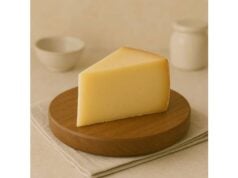
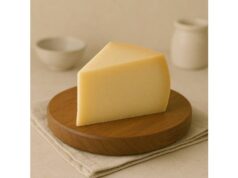
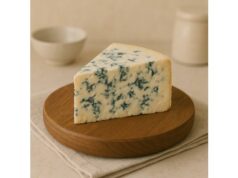
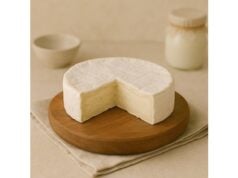
Limburger is the world’s best-known “washed-rind” (smear-ripened) cheese: soft at heart, orange at the rind, and famous for a bold aroma that mellows into deep, meaty flavor. Born in the historical Duchy of Limburg (modern Belgium–Netherlands–Germany) and still produced in parts of Europe and the United States, it begins as a lactic curd and ripens with a surface culture that slowly breaks down the paste from the outside in. The result is a creamy, spreadable center under a supple rind with savory notes of mushroom, cured ham, and sweet onion. Beneath its reputation, Limburger is a nutrient-dense food: concentrated protein and calcium in small portions with minimal sugars. It shines on hearty bread with onion and mustard, melts into potato dishes, and adds umami to vegetable plates. Its trade-offs are typical for full-fat cheese—saturated fat and sodium—so portion control and smart pairing matter. This guide distills what most readers want to know: how Limburger is made and what makes it smell, the exact nutrition per 100 g, credible health evidence around fermented dairy, who should go easy or avoid it, how to buy and store it, and kitchen techniques that protect both flavor and nutrients.
Key Takeaways
- Typical serving 25–35 g, 2–4 times weekly, adds ~5–7 g protein and ~120–175 mg calcium per serving.
- Smear-ripening lowers lactose and creates savory flavor; many with lactose intolerance tolerate modest portions.
- Main cautions are sodium (~800 mg/100 g) and saturated fat (~17 g/100 g); keep portions small and pair with unsalted, high-fiber foods.
- Avoid unpasteurized Limburger if you’re pregnant, immunocompromised, or over 65 unless it’s thoroughly heated until steaming.
Table of Contents
- Limburger at a Glance: Origin, Style, and Flavor
- Limburger Nutrition Profile (per 100 g)
- Evidence-Based Health Benefits
- Risks, Allergies and Interactions
- Selecting, Quality, Sustainability and Storage
- Preparation, Cooking and Nutrient Retention
- Portions, Comparisons and FAQs
Limburger at a Glance: Origin, Style, and Flavor
What it is. Limburger is a traditional smear-ripened (also called washed-rind or red-rind) cow’s-milk cheese. Young wheels are regularly washed with brine and ripening cultures; this encourages an orange surface “smear” where salt-tolerant bacteria and yeasts transform texture and flavor. The rind looks tawny to orange-red; the paste moves from firm and chalky at the center to pliant, custardy, and glistening near the rind as ripening progresses.
Why it smells (and why that’s good). The signature aroma comes from the rind’s microbiota—most famously Brevibacterium linens—whose enzymes break down proteins and fats into flavor-active molecules, including sulfur-containing compounds (the source of “pungency”) and short-chain fatty acids (nutty, meaty notes). While the rind can be assertive, the interior is often milder and deeply savory. As the rind softens the paste, the cheese gains smear’s hallmark “meaty” and “brothy” tones with a faint sweetness.
Texture and taste across age.
- 4–6 weeks (young): Center remains firm, tang is gentle, aroma still developing.
- 6–8 weeks (ripe): Cream line under the rind, spreadable at room temperature, balanced salt, and robust savory finish.
- 8–10+ weeks (very ripe): Stronger aroma, pronounced creaminess, slight bitterness if overripe; ideal for bold pairings.
Culinary roles. Limburger spreads beautifully on rye or pumpernickel with raw onion and mustard, melts into potatoes and spaetzle, enriches grilled mushrooms, and anchors hearty sandwiches. It’s great for hot-and-cold contrasts: a warm potato-and-herb salad finished with thin slices, or a roasted-vegetable platter with a small wedge on the side.
Buying cues. Choose intact packages without bulging or leaks. A ripe wedge should give slightly to pressure and show a thin cream line beneath the rind. Aroma should be bold yet clean—pungent but not ammoniacal. If you prefer a gentler experience, select a younger piece and let it ripen in the fridge for a few days before serving.
Rind etiquette. The rind is edible and houses much of the flavor. If it’s too strong for you, remove part of it and blend a small amount into the paste to acclimate your palate rather than discarding the whole rind.
Limburger Nutrition Profile (per 100 g)
Values below reflect typical Limburger from major nutrient databases. Actual numbers vary by brand, age, and moisture. Percent Daily Values (%DV) use FDA DVs for a 2,000 kcal diet.
Macros and Electrolytes
| Nutrient | Amount (per 100 g) | %DV |
|---|---|---|
| Energy | ~327 kcal | — |
| Protein | ~20.0 g | 40% |
| Total Fat | ~27.3 g | 35% |
| Saturated Fat | ~16.7–17.0 g | 84–85% |
| Carbohydrate | ~0.5 g | 0% |
| Total Sugars | ~0.5 g | — |
| Dietary Fiber | 0 g | 0% |
| Sodium | ~800 mg | 35% |
| Water | ~48–50 g | — |
Fats and Fatty Acids
| Component | Amount | Notes |
|---|---|---|
| Saturated Fat | ~17 g | Main driver of %DV; portion control helps. |
| Monounsaturated Fat | ~8.6 g | Predominantly oleic acid. |
| Polyunsaturated Fat | ~0.5 g | Small contributor to total fat. |
| Cholesterol | ~90 mg | Consider within daily totals. |
| Trans Fat (natural, ruminant) | trace | Not the industrial type; typically very low. |
Protein and Amino Acids
Limburger provides complete dairy protein with a robust essential amino acid profile. Approximate essentials per 100 g: leucine ~2.1 g, lysine ~1.7 g, valine ~1.4 g, isoleucine ~1.2 g, threonine ~0.7 g. A 30 g serving contributes ~6 g complete protein—useful at breakfast or lunch to even out daily protein distribution.
Vitamins
| Vitamin | Amount (per 100 g) | %DV |
|---|---|---|
| Vitamin A (RAE) | ~340 µg | ~38% |
| Vitamin B2 (Riboflavin) | ~0.3 mg | ~23% |
| Vitamin B12 | ~1.0–1.5 µg | 42–63% |
| Vitamin D | ~0.5 µg | 2–3% |
Minerals
| Mineral | Amount (per 100 g) | %DV |
|---|---|---|
| Calcium | ~497 mg | 38–50% |
| Phosphorus | ~390–400 mg | 31–32% |
| Zinc | ~2.0–2.5 mg | 18–23% |
| Selenium | ~12–20 µg | 22–36% |
| Potassium | ~120–130 mg | 3% |
| Iodine | variable | — |
Allergens and Intolerance Markers
- Milk proteins (casein and whey): present; not suitable for dairy-protein allergy.
- Lactose: typically very low after fermentation and rind ripening; many with lactose intolerance tolerate small portions, especially with meals.
- Biogenic amines: smear-ripened cheeses can contain histamine and tyramine; sensitive individuals may need to limit intake.
Footnote on additives and fortification: Traditional Limburger contains milk, cultures, salt, and sometimes surface cultures introduced during washing. Fortified variants are uncommon; flavored products may add spices or beer/wine washes—check labels for sodium and allergens.
Practical takeaway: Per 25–35 g (about a generous slice), expect ~5–7 g protein, ~7–10 g total fat (~4–6 g saturated), ~200–280 mg calcium, and ~200–300 mg sodium. Flavor intensity lets small amounts go a long way.
Evidence-Based Health Benefits
1) Fermented dairy and cardiometabolic risk: generally neutral to modestly favorable. Contemporary systematic reviews evaluating dairy patterns show no convincing harm from moderate dairy intake on cardiometabolic markers, with fermented dairy (yogurt, many cheeses) often linked to neutral or slightly beneficial risk profiles. In practice: small servings of flavorful cheese like Limburger can fit within heart-conscious patterns if the day’s saturated fat and sodium are managed.
2) Protein, calcium, and phosphorus for bone and muscle. Limburger concentrates complete protein with calcium and phosphorus, nutrients central to bone remodeling and muscle maintenance. A strategic 30 g portion at breakfast (e.g., on rye with tomato) or lunch (with potatoes and greens) helps distribute protein across the day, which is advantageous for muscle health—especially for midlife and older adults.
3) Low lactose after ripening: potential tolerance for many. Surface ripening and fermentation reduce residual lactose to low levels. Many individuals with lactose intolerance handle modest portions—particularly when eaten with other foods—without symptoms. Personal thresholds vary; start low and adjust.
4) Satiety and culinary leverage. Because Limburger is intensely savory, less is more. Finely slicing or gently warming a small quantity elevates vegetables, legumes, and whole grains, improving meal satisfaction and, indirectly, overall diet quality.
5) Microbial ecology and food safety defenses. Proper smear-ripening cultivates a competitive rind microbiota that can help suppress unwanted microbes on the surface. This is not a substitute for hygiene—just part of why well-made washed-rind cheeses can mature safely under controlled conditions.
What this does not mean. These benefits play out within balanced, plant-forward patterns. People with sodium sensitivity, hyperlipidemia, migraine triggered by aged cheeses, or amine intolerance should tailor portions or choose alternatives. Limburger should not be considered a “functional” food; it’s a flavorful, nutrient-dense accent best used thoughtfully.
Risks, Allergies and Interactions
Allergy to milk proteins. Limburger contains casein and whey proteins that can provoke IgE-mediated reactions. Cross-reactivity across ruminant milks is common; those with diagnosed dairy allergy should avoid Limburger entirely unless cleared by an allergist.
Lactose intolerance. Residual lactose is usually low, and many people tolerate 10–30 g in a mixed meal. If highly sensitive, try a small amount alongside other foods rather than on an empty stomach and monitor symptoms.
Sodium and blood pressure. With ~800 mg sodium per 100 g, Limburger sits in the mid-to-high range for cheese saltiness. Keep portions modest, build the rest of the plate from unsalted staples (beans, greens, whole grains), and season with acid (vinegar, lemon) and herbs to reduce added salt.
Saturated fat and LDL cholesterol. At ~17 g saturated fat per 100 g, Limburger can quickly consume much of a day’s target. Focus on 25–35 g portions, and emphasize unsaturated fats from olive oil, nuts, and fish elsewhere in the day.
Food safety and Listeria. Fresh and soft-ripened cheeses have been implicated in Listeria outbreaks when made or handled improperly. High-risk groups—pregnant individuals, older adults, and those who are immunocompromised—should avoid unpasteurized Limburger and practice strict refrigeration. If safety is uncertain, heat dishes until steaming.
Biogenic amines (histamine, tyramine). Washed-rind cheeses can accumulate amines during ripening; sensitive individuals or those on MAO inhibitor medications should limit or avoid aged cheeses. If migraines or flushing occur after washed-rind cheeses, consider alternatives or smaller portions.
Medication and condition notes.
- Potassium-restricted diets: Limburger is moderate-to-low in potassium; include it in daily totals.
- Sodium-restricted regimens: Favor small amounts and plain sides; consider limiting frequency.
- Gastrointestinal sensitivity: Strong rind aromas can be off-putting; try removing part of the rind and enjoying the creamier interior.
Selecting, Quality, Sustainability and Storage
How to choose a good wedge or brick
- Milk and pasteurization: Cow’s milk is standard. If you’re pregnant or immunocompromised, choose pasteurized cheese from reputable producers.
- Age statement: Some producers mark “ripe” windows; otherwise, check texture—slight give beneath the rind signals ripeness.
- Aroma check: Expect a bold but clean smell. Overpowering ammonia or sharp bitterness suggests overripeness or poor storage.
- Packaging: Vacuum-sealed or well-wrapped bricks are typical. Avoid bloated packs or leaks.
Reading labels
- Ingredients usually list milk, salt, cultures, and possibly a smear culture. Sodium is often given as sodium (mg); if salt (g) is listed, estimate sodium by multiplying salt grams by 0.4.
- Some brands indicate vegetarian (microbial) rennet; verify if this matters to you.
Sustainability and origin
- Washed-rind cheeses are often made by regional dairies using local milk, sustaining rural economies and dairy-craft skills. Buying close to home reduces transport footprint and supports cold-chain integrity.
- Limit waste: Limburger is potent—buy smaller bricks that you can finish in 2–3 weeks after opening.
Storage to preserve quality
- Temperature: Refrigerate at ≤4 °C (≤40 °F).
- Wrap: Rewrap opened cheese in parchment or cheese paper, then place in a loose plastic bag or lidded box to balance airflow and humidity.
- Aging at home: For a slightly riper profile, store for 2–4 days before serving; keep odors contained by using a cheese box.
- Serving: Bring to room temperature for 30–45 minutes before eating so the center softens and flavors bloom.
- Freezing: Not recommended; it disrupts texture and aroma balance. If you must freeze, portion small, thaw slowly, and use in cooked dishes.
Sustainably delicious pairings
- Pair with potatoes, mushrooms, brassicas, and whole grains to showcase umami and keep portions small.
- Use herbs, pickles, mustard, and vinegar to cut richness—less cheese feels like more flavor.
Preparation, Cooking and Nutrient Retention
Principles for cooking with Limburger
- Small amounts, big impact. The cheese is potent; thin slices or small cubes deliver full flavor with fewer grams.
- Gentle heat near the end. Add late to warm dishes or melt over low-to-medium heat to prevent oiling off and preserve a creamy texture.
- Balance with acid and crunch. Mustard, pickles, vinegar, apple, or radish cut richness and let you reduce total cheese.
- Let veggies lead. Use Limburger as an accent in vegetable-forward meals for better nutrient ratios and fiber.
Techniques that work
- Open-faced rye melt: Toast rye, smear mustard, add paper-thin onion and 20–25 g thin-sliced Limburger. Briefly melt under a moderate broiler until just softened. Finish with dill pickles or apple slices.
- Warm potato salad: Toss steamed waxy potatoes with parsley, chives, and a vinegar-forward dressing. Fold in 15–20 g diced Limburger at the end so residual heat softens it without greasing.
- Mushroom skillet: Sauté mushrooms with thyme; off heat, add 10–15 g diced Limburger and a splash of sherry vinegar.
- Barley or spaetzle: Stir 15–25 g through hot grains with greens; finish with lemon to brighten.
- Vegetable tartine: Spread ricotta or low-salt soft cheese, dot with 10–15 g Limburger, add roasted peppers and arugula.
Nutrient-savvy moves
- Use micro-thin slices or shavings. More surface area means you perceive more flavor from less cheese.
- Marry with potassium-rich foods (beans, tomatoes, leafy greens) to offset sodium.
- Rely on herbs and acids to dial back added salt.
Food safety in the kitchen
- Keep the cheese cold until use; avoid cross-contamination with raw meats.
- If you are in a high-risk group and choose to eat Limburger, cook until steaming.
- Refrigerate leftovers within 2 hours (1 hour if ambient temperature is >32 °C/90 °F).
Common mistakes
- Overheating or long broils: Drives off moisture and separates fat.
- Oversalting: Taste first—the cheese brings salt.
- Discarding all rind: Try a little mixed into the paste; it’s where much flavor lives.
Portions, Comparisons and FAQs
What’s a reasonable portion and how often?
For most adults, 25–35 g (about 1–1½ thin slices) 2–4 times per week fits comfortably, especially if the rest of the plate is unsalted and plant-forward. If you’re targeting lower saturated fat or sodium, aim for 15–25 g portions and enjoy less frequently.
How does Limburger compare to similar cheeses?
- Versus Époisses or Munster (washed-rind): Limburger is often slightly firmer at comparable ages and less creamy than very ripe Époisses; salt levels are similar.
- Versus Brie/Camembert (bloomy rind): Limburger is saltier and far more aromatic due to smear cultures; bloomies are creamier but milder in aroma.
- Versus cheddar or Gouda: Limburger is softer and more pungent; aged Goudas can be saltier per gram but are firmer and nuttier.
- Versus blue cheeses: Blues bring pungency via Penicillium roqueforti veins and lipolysis; Limburger’s intensity is centered on the rind surface microbiota.
Is Limburger lactose-free?
Not completely, but residual lactose is typically very low after fermentation and rind ripening. Many with lactose intolerance tolerate small portions, especially with a meal.
Is the rind safe to eat?
Yes, if the cheese is sound and within date. The rind hosts the smear microbiota; it’s edible but stronger in flavor. If you’re unsure about hygiene or fall into a high-risk group, heat the cheese thoroughly or skip the rind.
Can I find vegetarian Limburger?
Some producers use microbial rennet; others use animal rennet. Check labels or producer websites if this matters to you.
What should I drink with Limburger?
Try lager, kölsch, or Czech-style pilsner for cleansing bitterness; dry riesling or sylvaner for acidity and stone-fruit lift; cider for brightness. Nonalcoholic pairings include hop tea, sparkling water with lemon, or cold-brewed herbal infusions.
Budget and storage tips
- Buy smaller bricks; the flavor is concentrated.
- Store in a dedicated box to prevent aroma transfer.
- Plan cheese-forward meals early in the week after opening for peak quality.
References
- The Microbial Diversity on the Surface of Smear-Ripened Cheeses and Its Impact on Cheese Quality and Safety (2024) (Systematic Review)
- How Listeria Spread: Soft Cheeses and Raw Milk (2025) (Guidance)
- Fermented dairy product consumption and blood lipid levels in healthy adults: a systematic review (2025) (Systematic Review)
- Milk and dairy products – a scoping review for Nordic Nutrition Recommendations 2023 (2024) (Systematic Review)
- USDA FoodData Central (Accessed 2025)
Medical Disclaimer
This article offers general information about Limburger cheese and is not a substitute for personalized medical advice, diagnosis, or treatment. Nutrition and safety needs vary by individual. If you are pregnant or immunocompromised, have food allergies or intolerances, manage hypertension or high cholesterol, or take prescription medications, consult a qualified health professional for guidance tailored to you before making dietary changes.
If you found this guide helpful, please consider sharing it on Facebook, X (formerly Twitter), or any platform you prefer. Your support helps us continue producing accurate, practical nutrition content.