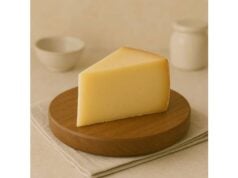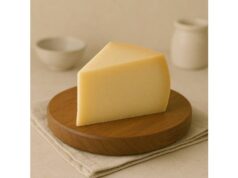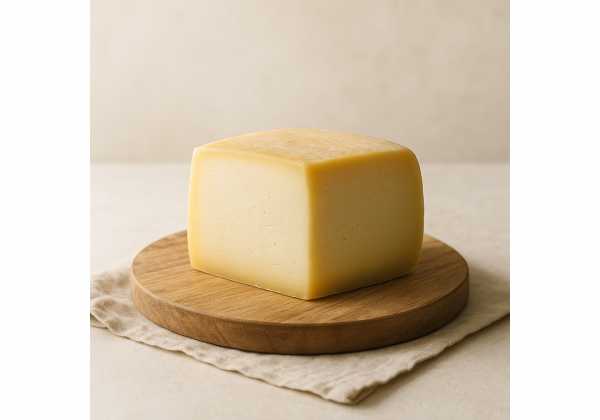
Kasseri is Greece’s beloved, semi-hard table cheese made primarily from sheep’s milk with up to 20% goat’s milk. Pale yellow, elastic, and pleasantly tangy, it melts beautifully yet slices cleanly—ideal for saganaki, grilled sandwiches, pies, and mezze boards. Beyond flavor, kasseri supplies high-quality protein and substantial calcium and phosphorus in a compact serving. As a stretched-curd (pasta filata) cheese aged at least several months, it’s typically very low in lactose, making it tolerable for many with lactose intolerance. As with most cheeses, its sodium and saturated fat warrant mindful portions—especially if you manage blood pressure or cholesterol. This guide distills what matters: how kasseri is produced and protected (PDO), its nutrient profile per 100 g with percent Daily Values, evidence-backed benefits, who should limit or avoid it, how to choose and store it, and the best cooking tactics to protect nutrients while getting peak flavor. If you love Mediterranean food or simply want a versatile cheese that holds its shape on a board and melts into dinner, kasseri deserves a permanent spot in your repertoire.
Top Highlights
- Typical serving 30–40 g, 3–4 times weekly fits many balanced diets; provides ~8–10 g protein and meaningful calcium per serving.
- Naturally low in lactose after aging; many with lactose intolerance tolerate moderate portions.
- Sodium (~0.8 g per 100 g as sodium equivalent) and saturated fat are the main nutrients to watch; choose smaller portions if you have hypertension or high LDL.
- Avoid unpasteurized kasseri if you’re pregnant, immunocompromised, or over 65 unless it’s thoroughly heated.
Table of Contents
- Kasseri at a Glance: Origin, Style, and Taste
- Kasseri Nutrition Profile (per 100 g)
- Evidence-Based Health Benefits
- Risks, Allergies and Interactions
- Selecting, Quality, Sustainability and Storage
- Preparation, Cooking and Nutrient Retention
- Portions, Comparisons and FAQs
Kasseri at a Glance: Origin, Style, and Taste
Kasseri is a Protected Designation of Origin (PDO) cheese from Greece, produced traditionally in regions such as Thessaly and Macedonia. The PDO standard stipulates that kasseri is made from sheep’s milk, with up to 20% goat’s milk permitted; cow’s milk is not allowed. The result is a semi-hard, elastic cheese with a natural rind and a supple paste that stretches slightly when warm—hallmarks of the pasta filata (stretched-curd) family.
Flavor and texture: Kasseri’s profile sits between buttery and tangy. Young wheels are mild and milky with a clean, lactic finish; as aging progresses (commonly 3–6 months, sometimes longer), savory depth and light piquancy develop while the texture stays sliceable and springy rather than crumbly. Its excellent meltability makes it a favorite for saganaki (pan-fried cheese finished with lemon), grilled cheese, omelets, and pies (like kasseropita). On a board, it pairs well with olives, roasted peppers, stone fruit, and seeded breads.
Production notes: Curds are heated and stretched once acidity reaches the right point, creating long protein fibers that give kasseri its hallmark elasticity and melt behavior. That stretching, plus brining and aging, also drives down residual lactose to very low levels. Salt is added for flavor and preservation; final salt content commonly translates to roughly 2 g “salt” per 100 g (≈800 mg sodium equivalent).
Buying cues: Look for “Kasseri PDO” on labels, which signals compliance with traditional milk sources and regional production rules. Expect a pale yellow interior, uniform, elastic slice, and a pleasant dairy aroma without sharp ammonia. Flavor should be buttery, lightly salty, and faintly tangy—never bitter or soapy.
Culinary roles: Kasseri’s versatility is broad. It grates well for finishing baked dishes, holds shape when warmed in sandwiches, and browns attractively under the broiler. It’s also a smart swap wherever you might use young provolone, caciocavallo, or a mellow Gruyère.
Kasseri Nutrition Profile (per 100 g)
Below is a practical snapshot based on typical kasseri labels and widely sold PDO products. Values vary by brand and aging; use this as a realistic range for home planning. Percent Daily Values (%DV) use FDA DVs for adults and children ≥4 years (2,000 kcal diet).*
Macros & Electrolytes (per 100 g)
| Nutrient | Amount | %DV |
|---|---|---|
| Energy | ~331 kcal | — |
| Protein | ~26 g | 52% |
| Total Fat | ~25 g | 32% |
| Saturated Fat | ~17.5 g | 88% |
| Carbohydrate | ~0.5 g | 0% |
| Total Sugars | ~0.5 g | — |
| Dietary Fiber | 0 g | 0% |
| Sodium (as 2.0 g “salt” ≈ 800 mg sodium) | ~800 mg | 35% |
| Water | ~43–45 g | — |
Fats & Fatty Acids (per 100 g)
| Component | Amount | Notes |
|---|---|---|
| Saturated Fat | ~17.5 g | Primary contributor to %DV; portion size matters. |
| Monounsaturated Fat | ~6–7 g | Oleic acid predominates. |
| Polyunsaturated Fat | ~0.3–0.5 g | Small fraction of total fat. |
| Trans Fat | ~0–0.5 g | Naturally occurring ruminant trans fats may be present in trace amounts. |
| Cholesterol | ~90–100 mg | Consider within overall dietary pattern. |
Protein & Key Amino Acids
Kasseri provides complete protein rich in leucine (~2.2–2.5 g/100 g), lysine (~2.2 g/100 g), and other essential amino acids typical of sheep/goat-milk cheeses—supportive for muscle repair and satiety.
Vitamins (per 100 g, approximate)
| Vitamin | Amount | %DV |
|---|---|---|
| Vitamin A (RAE) | ~200–220 µg | ~22–24% |
| Vitamin B2 (Riboflavin) | ~0.3–0.4 mg | ~23–31% |
| Vitamin B12 | ~1.0–1.5 µg | ~42–63% |
| Vitamin D | Trace–low | — |
Minerals (per 100 g, approximate)
| Mineral | Amount | %DV |
|---|---|---|
| Calcium | ~700–800 mg | 54–62% |
| Phosphorus | ~450–550 mg | 36–44% |
| Zinc | ~3–4 mg | 27–36% |
| Selenium | ~15–25 µg | 27–45% |
| Potassium | ~80–120 mg | 2–3% |
| Iodine | variable | — |
*Footnote: %DV values are calculated using current FDA Daily Values. Actual label values vary by producer, fat content, and maturation. “Salt” on EU labels converts to sodium by ×0.4 (e.g., 2.0 g salt ≈ 0.8 g sodium). Products fortified with vitamins or with different brining/aging practices will differ.
Why this matters: Per 30–40 g serving, kasseri delivers ~8–10 g complete protein and ~200–250 mg calcium with minimal sugars, but notable saturated fat and sodium. This makes portion control the lever for fitting kasseri into heart-conscious and blood-pressure–aware eating patterns.
Evidence-Based Health Benefits
1) Cardiovascular outcomes: neutral to modestly favorable within balanced diets. Large prospective syntheses examining dairy patterns (including cheese) generally report no increased risk for cardiovascular disease (CVD) and often small risk reductions with moderate intake. While study designs vary and heterogeneity exists, findings consistently suggest that cheese—within an overall prudent diet—does not worsen CVD risk markers for most people and may be associated with lower risk at moderate intakes. Mechanistically, the “dairy matrix” (calcium, fermentation by-products, and milk fat structure) appears to attenuate how saturated fat from cheese affects blood lipids compared with isolated saturated fat.
2) Bone health support via calcium, phosphorus, and protein. Kasseri provides a high density of calcium and phosphorus alongside complete protein—nutrients integral to bone mineralization and remodeling. Observational meta-analyses show that habitual dairy intake can support bone outcomes, particularly when dietary calcium is otherwise low. As a concentrated source, kasseri can help close calcium gaps with small portions, a practical advantage for those who prefer savory foods over dairy beverages.
3) Low lactose after aging: potential tolerance for many with lactose intolerance. Aging and fermentation degrade lactose; brined, matured cheeses (including PDO styles) typically contain very low residual lactose, often below the analytical limit of quantification. Many individuals with lactose intolerance can tolerate aged cheeses in modest portions without symptoms, especially when consumed with other foods. Individual tolerance varies; start small (15–20 g) and build based on comfort.
4) Satiety and protein quality. Kasseri’s protein and fat contribute to fullness, which may help regulate appetite in mixed meals. Sheep’s- and goat’s-milk proteins deliver a robust essential amino acid profile; in practical terms, 30–40 g can boost meal protein to a satisfying threshold, especially at breakfast or lunch.
5) Culinary utility enhances nutrient absorption. Using kasseri in warm dishes (e.g., with vegetables and legumes) can increase enjoyment and total vegetable intake; fat in cheese also enhances absorption of fat-soluble nutrients (like carotenoids) from accompanying produce.
What this doesn’t mean: Cheese is not a stand-alone “health food.” Benefits emerge in the context of overall diet quality, total saturated fat and sodium management, and active lifestyles. Prioritize fruits, vegetables, legumes, whole grains, nuts, seafood, and olive oil alongside modest cheese portions in a Mediterranean-style pattern.
Risks, Allergies and Interactions
1) Milk protein allergy (IgE-mediated): Anyone with confirmed allergy to sheep or goat milk proteins should avoid kasseri. Cross-reactivity with cow’s milk protein is common but not universal; consult an allergist for testing and a tailored plan.
2) Lactose intolerance: Aged kasseri is typically very low in lactose, and many people tolerate 15–40 g without symptoms—especially with meals. That said, tolerance is individual. If you’re highly sensitive, trial smaller portions, pair with other foods, and monitor symptoms.
3) Sodium and blood pressure: Typical kasseri contains the equivalent of ~800 mg sodium per 100 g (2 g “salt”). For sodium-sensitive individuals or those with hypertension, this makes portion size and overall daily sodium important. Combine small amounts of kasseri with unsalted foods (beans, greens, grains) and use citrus, herbs, and spices for brightness so you can keep cheese portions modest.
4) Saturated fat and LDL cholesterol: At ~17–18 g saturated fat per 100 g, kasseri can contribute substantially to the daily saturated fat budget. Many cardiometabolic guidelines favor keeping saturated fat to a small share of total calories; a 30–40 g serving fits more easily without exceeding targets. Balance the rest of the day with unsaturated fat sources (olive oil, nuts, fish).
5) Listeria risk with unpasteurized cheese: Pregnant individuals, older adults, and those who are immunocompromised should avoid unpasteurized kasseri unless it’s thoroughly heated before eating. Pasteurized kasseri from reputable producers reduces risk, but deli-sliced, ready-to-eat cheeses should still be handled carefully. When in doubt, heat until steaming for higher-risk groups.
6) Medication and condition considerations:
- ACE inhibitors/potassium-sparing diuretics: Kasseri is not particularly high in potassium, but if you’re advised to limit potassium, keep track of total daily intake.
- Histamine intolerance: Aged cheeses may provoke symptoms due to histamine accumulation in sensitive individuals. Trial small portions or choose fresher cheeses if needed.
- Migraine sensitivity: Aged cheeses can be a trigger for some; monitor your own threshold.
Storage and food safety overlaps: Improper refrigeration increases safety risks for any cheese. Keep kasseri at ≤4 °C (≤40 °F); avoid temperature abuse; once cut, rewrap tightly and return to the fridge promptly.
Selecting, Quality, Sustainability and Storage
How to choose kasseri like a pro
- Look for “Kasseri PDO.” This signals adherence to traditional milk sources (sheep with up to 20% goat) and regional production.
- Inspect the paste: A pale yellow, uniform interior with a subtle sheen and elastic slice is ideal. Avoid cracked, excessively dry, or greasy surfaces.
- Smell matters: Clean, dairy-sweet, slightly tangy aroma—never sour or ammoniacal.
- Taste cues: Balanced salt, buttery start, gentle tang, and a lingering savory finish. With more age, expect firmer texture and nuttier notes.
Reading labels that vary by market
- In the EU, salt is listed as “salt (g)”; multiply by 0.4 to estimate sodium (g).
- Protein and calcium can vary by season and producer. If calcium matters for you, compare labels; some kasseri lists ~700–800 mg calcium/100 g, others a bit lower.
- Prefer pasteurized products if you’re pregnant or in another high-risk group.
Sustainability and animal welfare
- Sheep and goat dairying in Greek PDO regions is often pasture-based, supporting rural economies and local biodiversity. If sustainability is a priority, look for producers who state pasture practices, animal welfare certifications, and responsible brining/wastewater management.
- Buy exact quantities you’ll use; cheese waste squanders upstream resources. Choosing quality and storing it well often means you eat less but enjoy it more.
Storing kasseri for peak quality
- Rewrap cut faces in parchment or specialty cheese paper, then place in a loose plastic bag to limit drying.
- Ideal storage zone is the vegetable drawer or a cheese box at ≤4 °C (≤40 °F) with moderate humidity.
- Once opened, plan to use within 2–3 weeks; flavors hold best in the first 10–14 days.
- For serving, remove from the fridge 30–40 minutes before eating to bring out aroma and texture. Return leftovers promptly.
Freezing? Not ideal. Freezing can make kasseri crumbly and mute flavors. If needed for cooking (e.g., shredding for a bake), grate first, freeze in thin layers, and use straight from frozen.
Preparation, Cooking and Nutrient Retention
Best uses to maximize nutrition and enjoyment
- Saganaki (pan-seared kasseri): A quick sear develops deep flavor with minimal nutrient loss. Keep portions modest (30–40 g per person), finish with lemon and herbs, and serve alongside a big salad or beans to balance sodium and fat.
- Grilled vegetables with kasseri shavings: Add thin slices after cooking so residual heat softens the cheese without prolonged high heat—preserving delicate vitamins.
- Pitas and pies: Use kasseri with spinach, mushrooms, or roasted peppers; distribute cheese evenly so small amounts go a long way.
- Pastas and grains: Finely grate kasseri and toss through whole-grain or legume pasta with olive oil and greens. The fat improves absorption of carotenoids from vegetables.
Techniques for nutrient-conscious cooking
- High flavor, low quantity: Grate finely or shave so less cheese covers more surface, intensifying perceived cheesiness while cutting total grams used.
- Add late: Stir in near the end to reduce time at high heat and minimize fat separation.
- Pair smart: Combine with potassium-rich foods (beans, tomatoes, leafy greens) and fiber to counterbalance sodium and improve cardiometabolic meal quality.
- Acid and herbs: Lemon, vinegar, oregano, thyme, and mint brighten flavors, letting you use less salt overall.
Food safety in the kitchen
- Thorough heat eliminates most safety concerns for high-risk groups: bring dishes to steaming hot if using questionable or deli-sliced cheese.
- Avoid cross-contamination: Separate cutting boards for raw meats and ready-to-eat cheese; wash hands and knives well.
- Leftovers: Cool quickly; refrigerate within 2 hours (1 hour if >32 °C/90 °F ambient). Reheat to steaming.
Common mistakes to avoid
- Overheating: Prolonged high heat makes kasseri oily and tough. Use moderate heat and brief cooking.
- Oversalting: Kasseri already contributes salt; taste before adding extra.
- Large blocks on pizzas or bakes: Grate or cube small for even melt and portion control.
Portions, Comparisons and FAQs
What’s a reasonable serving and how often?
A practical serving is 30–40 g (about 1 oz to 1.4 oz). For many adults, 3–4 servings per week fits comfortably within goals—especially when the rest of the diet emphasizes vegetables, legumes, whole grains, fish, and olive oil. If you monitor sodium or LDL cholesterol, consider 15–30 g portions and reserve cheese for meals that are otherwise low in sodium and saturated fat.
How does kasseri compare to other cheeses?
- Versus cheddar or young provolone: Kasseri is similar in calories and protein per 100 g but often a touch lower in moisture than provolone, with distinctive tang and spring from pasta filata processing.
- Versus mozzarella (part-skim): Kasseri is typically higher in salt and saturated fat and more flavorful per gram; mozzarella is milder and lower in sodium.
- Versus feta: Feta is saltier per gram and more crumbly; kasseri slices and melts better.
- Versus Gruyère/Emmental: Kasseri’s flavor is milder and more elastic; Swiss-style cheeses may be lower in sodium depending on brand.
Is kasseri lactose-free?
Most aged cheeses—including kasseri—contain very little lactose, commonly below detection with standard analytical methods. Many with lactose intolerance tolerate small to moderate portions, especially with other food. Start small and monitor your response.
Is kasseri vegetarian?
Some producers use microbial/vegetarian rennet, while others use traditional rennet. If this matters to you, check the label or producer website.
Can I eat kasseri if I’m pregnant?
Choose pasteurized kasseri and handle it safely. High-risk groups (pregnant, immunocompromised, older adults) should avoid unpasteurized cheese unless it is thoroughly heated until steaming before eating.
Budget tips
- Buy smaller wedges; portion and freeze grated kasseri for cooked dishes only.
- Combine kasseri with less expensive, lower-sodium cheeses to stretch flavor in bakes.
- Use bold accompaniments (lemon, herbs, chili) to keep portions down.
Quick meal ideas (balanced and flavorful)
- Warm white-bean, roasted-pepper, and arugula salad with 20–30 g shaved kasseri and lemon–olive oil dressing.
- Whole-grain pita stuffed with sautéed greens, herbs, and 30 g grated kasseri; toast to melt.
- Tomato-barley soup finished with 15–20 g grated kasseri and oregano.
- Broiled mushrooms topped with thin slices of kasseri and thyme; serve with a big chopped salad.
References
- Dairy Product Consumption and Cardiovascular Health: A Systematic Review and Meta-analysis of Prospective Cohort Studies (2021) (Systematic Review)
- Cheese consumption and multiple health outcomes: an umbrella review and updated meta-analysis of prospective studies (2023) (Systematic Review)
- Lactose Residual Content in PDO Cheeses: Novel Inclusions for Consumers with Lactose Intolerance (2021)
- How Listeria Spread: Soft Cheeses and Raw Milk (2025) (Guidance)
- eAmbrosia – Κασέρι / Kasseri – European Commission (Accessed 2025)
Medical Disclaimer
This information is for general education and is not a substitute for personalized medical advice, diagnosis, or treatment. Always consult a qualified healthcare professional about your specific health needs, food allergies or intolerances, and dietary changes—especially if you are pregnant, immunocompromised, managing chronic conditions, or taking prescription medications.
If you found this guide helpful, please consider sharing it on Facebook, X (formerly Twitter), or your favorite platform to support our work in creating accurate, practical nutrition content.