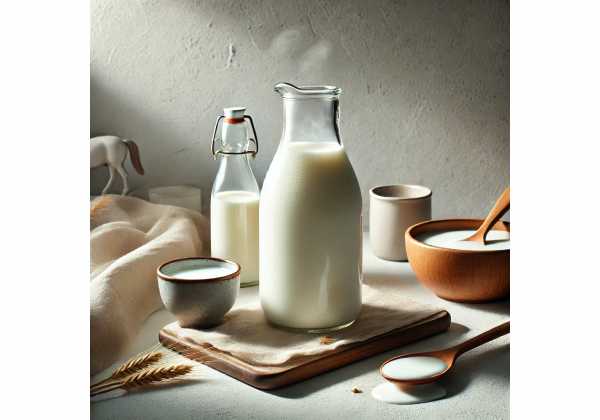
Silky, lightly sweet, and naturally low in fat, horse milk (mare’s milk) is a traditional food in parts of Central Asia and Eastern Europe where it’s enjoyed fresh or fermented into koumiss. Interest is rising elsewhere thanks to its gentle taste, high lactose and whey content, and a nutrition profile that differs from cow’s milk. Horse milk typically has less fat and casein but more lactose and whey proteins, which can make it feel lighter and easier to digest for some people. It also contains electrolytes such as potassium and modest amounts of vitamins like riboflavin and vitamin C. While it is still a niche product—often produced on small farms and sold pasteurized or freeze-dried—it can be used in smoothies, cultured drinks, coffee, and cold recipes. If you’re curious about horse milk for culinary, cultural, or nutrition reasons, this guide walks you through its benefits, safety, sourcing, and smart ways to use it at home.
Essential Insights
- Naturally low in fat (~1.5 g/100 g) with higher whey-to-casein proteins and a light, mildly sweet taste.
- Good source of potassium and a modest source of calcium and riboflavin per 100 g serving.
- Safety first: avoid raw horse milk due to potential pathogens; choose pasteurized or properly fermented products.
- Typical serving: 150–200 ml (about ⅔–1 cup), up to several times per week based on overall diet.
- People who should limit or avoid: those with lactose intolerance, milk protein allergy, during pregnancy (avoid unpasteurized and alcoholic ferments).
Table of Contents
- Horse milk: detailed overview
- Horse milk nutrition profile (per 100 g)
- Horse milk health benefits: what research shows
- Horse milk risks, allergies and interactions
- Selecting, quality, sustainability and storage
- Preparation, cooking and nutrient retention
- Portions, comparisons and FAQs
Horse milk: detailed overview
Horse milk—specifically, milk from mares—has been part of human diets for centuries, especially across the Eurasian steppe. In Mongolia, Kazakhstan, and neighboring regions, it is traditionally fermented into koumiss, a tangy, lightly effervescent drink. Outside these regions, it’s more often sold fresh, pasteurized, or as freeze-dried powder for reconstitution. Because the equine mammary gland produces milk with a different protein and fat structure than bovine milk, horse milk tastes delicate and less “creamy,” with a clean finish and a sweetness driven by its naturally higher lactose.
Three properties set horse milk apart:
- Protein quality and structure. Compared with cow’s milk, horse milk contains proportionally more whey and less casein. The softer curd formation and smaller fat globules contribute to its light mouthfeel and can affect digestion perception in some people.
- Lower fat, higher lactose. Mare’s milk typically has around 1–2 g fat per 100 g and 6–7 g lactose per 100 g. This profile lowers calories versus whole cow’s milk while keeping a naturally sweet taste.
- Culinary behavior. Due to low casein, horse milk doesn’t coagulate with rennet the way cow’s milk does, so it’s not used for conventional cheesemaking. It shines in cultured beverages, smoothies, cold sauces, and gentle heating applications (e.g., warm drinks). Fermentation into koumiss adds lactic acid bacteria and yeasts, developing a lightly sour, slightly alcoholic, effervescent drink.
Availability varies. In Europe and parts of Asia, specialized dairies sell pasteurized liquid horse milk; elsewhere, freeze-dried powders and fermented products are more common. Always check labeling for pasteurization, origin, and storage instructions. Because production volumes are small and seasonality matters (mares produce less milk and for a shorter lactation period than cows), prices are typically higher than cow’s or goat’s milk.
Who might consider horse milk? Curious cooks exploring world cuisines; people who enjoy tangy fermented dairy; and those building a varied dairy rotation. Who should be cautious? Anyone with lactose intolerance or known milk protein allergy, infants (not a breastmilk replacement), and pregnant individuals when products are unpasteurized or alcoholic.
Horse milk nutrition profile (per 100 g)
Below are typical values for pasteurized horse milk. Composition can vary with breed, diet, and stage of lactation. %DV uses adult Daily Values for a 2,000-kcal diet.
Macros and Electrolytes (per 100 g)
| Nutrient | Amount | %DV |
|---|---|---|
| Energy | 50 kcal | — |
| Water | 89 g | — |
| Protein | 2.1 g | 4% |
| Total Fat | 1.5 g | 2% |
| Saturated Fat | 0.6 g | 3% |
| Carbohydrate (total) | 6.8 g | 2% |
| Total Sugars (as lactose) | 6.8 g | — |
| Sodium | 35 mg | 2% |
| Potassium | 150 mg | 3% |
Fats and Fatty Acids (per 100 g)
| Nutrient | Amount | %DV |
|---|---|---|
| Monounsaturated Fat | 0.5 g | — |
| Polyunsaturated Fat | 0.4 g | — |
| Omega-3 Fatty Acids | 0.06 g | — |
| Omega-6 Fatty Acids | 0.30 g | — |
| Cholesterol | 7 mg | — |
Protein and Amino Acids (qualitative)
Predominantly whey proteins relative to caseins; softer curd formation compared with bovine milk.
Vitamins (per 100 g)
| Nutrient | Amount | %DV |
|---|---|---|
| Vitamin A (RAE) | 20 µg | 2% |
| Vitamin D | 0.05 µg | 0% |
| Vitamin C | 1.5 mg | 2% |
| Riboflavin (Vitamin B2) | 0.05 mg | 4% |
| Vitamin B12 | 0.2 µg | 8% |
| Folate (DFE) | 5 µg | 1% |
Minerals (per 100 g)
| Nutrient | Amount | %DV |
|---|---|---|
| Calcium | 95 mg | 7% |
| Phosphorus | 60 mg | 5% |
| Magnesium | 9 mg | 2% |
| Zinc | 0.3 mg | 3% |
Carbohydrates and Glycemic Notes
Carbohydrate is almost entirely lactose (~6–7 g/100 g). No added sugars. Glycemic response is driven by lactose; pair with fiber/healthy fats to moderate.
Allergens & Intolerance Markers
Contains lactose and milk proteins (whey, casein). Individuals with lactose intolerance or milk protein allergy should exercise caution.
Additives & Fortification
Most horse milk is unfortified. Some powders may include added vitamins/minerals; always check labels.
Notes: Values are approximate mid-ranges reported for mare’s milk; %DV shown where official DVs exist.
Horse milk health benefits: what research shows
Light, lower-fat dairy option. With roughly 1–2 g of fat and ~50 kcal per 100 g, horse milk provides a naturally lighter option than whole cow’s milk. For people managing calorie or saturated fat intake, it can fit into a balanced pattern while still offering dairy flavor and essential nutrients.
Electrolytes for everyday hydration support. Potassium and modest sodium contribute to fluid balance. While horse milk isn’t a sports drink or a replacement for water, the electrolyte profile can complement meals and snacks, especially in warm climates or after moderate activity.
Whey-forward proteins. The higher whey-to-casein ratio yields a softer curd and different digestion kinetics than cow’s milk. Many people perceive a lighter feel after drinking it. As with any milk, it supplies essential amino acids, though in smaller total amounts per serving than cow’s milk due to lower protein concentration.
Fermented options offer live microbes. Koumiss—traditionally fermented horse milk—contains lactic acid bacteria and yeasts. These microbes produce lactic acid (tanginess), carbon dioxide (effervescence), and trace alcohol. While microbial compositions vary widely by culture and process, fermented dairy can contribute to dietary diversity of microbes that some people value in a mixed diet.
Micronutrient contribution. Per 100 g, horse milk contributes ~7% DV for calcium and ~4% DV for riboflavin, along with small amounts of vitamin C and vitamin B12. Regular servings (e.g., 150–200 ml) can meaningfully add to daily intakes when paired with other nutrient-dense foods.
Culinary versatility. The mild sweetness and low fat content make horse milk an appealing base for smoothies, chilled soups, and cultured drinks. It pairs well with berries, cocoa, herbs, and spices without the heavy creaminess of high-fat dairy.
Quality of evidence. Most modern data on mare’s milk composition and fermented products come from food science, microbiology, and regional nutrition studies. Effects vary by individual tolerance, product type (fresh, pasteurized, fermented, powdered), and overall diet quality. Treat horse milk as part of a diverse eating pattern rather than a singular “solution.”
Horse milk risks, allergies and interactions
Raw milk hazards. Unpasteurized milk—of any species—can harbor harmful bacteria. Listeria, Campylobacter, Salmonella, and other pathogens have been documented in raw dairy and can cause severe illness. Pasteurization reduces these risks substantially. Choose pasteurized horse milk (or products made from pasteurized milk) when available. If consuming fermented horse milk (koumiss), ensure it’s produced under hygienic conditions by reputable producers.
Lactose intolerance. Horse milk’s lactose is typically ~6–7 g/100 g—higher than cow’s milk. People with lactose intolerance may experience bloating or discomfort. Strategies that can help include small portions, pairing with meals, or choosing fermented products where some lactose is metabolized during fermentation. If symptoms occur, reduce the amount or avoid altogether.
Milk protein allergy. Individuals with cow’s milk protein allergy should not assume horse milk is safe. While equine milk proteins differ from bovine proteins, cross-reactivity is possible. Anyone with a diagnosed milk allergy should seek specialist guidance and supervised testing before trying horse milk.
Fermentation and alcohol. Traditional koumiss fermentation generates trace alcohol due to yeasts. Levels vary with culture, temperature, and time. People who avoid alcohol for medical, religious, or personal reasons—as well as children and pregnant individuals—should choose non-alcoholic cultured products or pasteurized, unfermented milk instead.
Medication and condition considerations.
- Immunocompromised states, pregnancy, and older age: Avoid unpasteurized dairy and uncontrolled home ferments due to infection risk.
- Low-FODMAP diets: Lactose is a FODMAP; even small servings may trigger symptoms for sensitive individuals.
- Infants: Horse milk is not an appropriate substitute for breastmilk or infant formula.
Quality variability. Small-scale production is common. Storage and transport conditions can affect safety and taste. Buy from trusted suppliers, check “use by” dates, keep cold, and discard if off-odors or separation persist after gentle mixing.
Selecting, quality, sustainability and storage
How to select.
- Form: Fresh pasteurized (chilled), ultra-high temperature (rare), fermented koumiss, or freeze-dried powder for reconstitution.
- Label checks: Pasteurization status; country/region of origin; storage instructions; production or batch date; ingredient list on powders (some add vitamins/minerals).
- Flavor cues: Fresh horse milk should smell clean and slightly sweet. A sour, vinegary, or “barny” aroma suggests fermentation or spoilage. Koumiss should smell tangy and lightly yeasty.
Quality markers.
- Color and texture: Opaque white, fluid, with minimal separation. A quick swirl should reincorporate settled solids.
- Packaging: Opaque or UV-blocking containers help protect light-sensitive nutrients like riboflavin. Powder should be in moisture-proof pouches or tins with desiccant packs.
- Traceability: Small dairies that publish herd care, testing, and hygiene protocols provide added assurance.
Sustainability and ethics.
- Scale and welfare: Equine dairies are typically small; good farms prioritize foal health and humane milking schedules.
- Feed and land use: Horses browse and graze differently than cattle. Regional impacts vary; look for farms that rotate pastures, conserve water, and manage manure responsibly.
- Packaging and transport: Because horse milk often travels long distances, powders may have a lower transport footprint per serving than chilled liquid; choose recyclable packaging when possible.
Storage and shelf life.
- Fresh pasteurized: Keep at 0–4°C (32–39°F). Use within 3–5 days after opening or by the “use by” date, whichever comes first.
- Powder: Store sealed in a cool, dry place. After opening, keep tightly closed; use within 4–8 weeks as directed by the manufacturer.
- Reconstituted powder: Refrigerate immediately and consume within 24–48 hours.
- Freezing: Fresh horse milk can be frozen up to 2–3 months. Thaw overnight in the refrigerator; avoid microwave thawing to protect proteins and vitamins.
- Koumiss: Keep chilled; consume by the date shown. Expect natural effervescence—open slowly.
Signs to discard. Persistent off-odors, curdling that doesn’t mix back in, gas-swollen containers, or visible mold. When in doubt, throw it out.
Preparation, cooking and nutrient retention
Best uses for flavor and texture.
- Cold applications: Smoothies with berries or cocoa; overnight oats; chia pudding; chilled soups; iced coffee.
- Warm but not boiling: Gently heated lattes or golden milk. Excessive boiling can drive off aroma and may reduce certain heat-sensitive vitamins.
- Fermented drinks: Koumiss and similar cultured beverages highlight horse milk’s natural sweetness and low fat, creating a bright, tangy profile.
Not ideal for: Traditional rennet-set cheeses. The low casein content means poor curd formation. Fresh cultured cheeses or yogurt-style products are possible with suitable starters, but textures will be softer and more delicate.
Simple reconstitution (powder):
- Warm safe drinking water to ~35–40°C (95–104°F).
- Whisk in powder according to label ratio (often 1 part powder to 9 parts water).
- Chill promptly; shake before serving.
Koumiss basics (overview, food-safe approach):
- Use pasteurized horse milk and a reputable starter culture designed for koumiss.
- Ferment at 20–25°C (68–77°F) until pleasantly tangy and lightly effervescent; keep containers vented to release gas.
- Refrigerate to slow fermentation. Home fermentation carries risk; scrupulous sanitation is essential.
Tips to retain nutrients and quality.
- Keep it cold. Refrigerate promptly after purchase or mixing; minimize time in the “danger zone” (5–60°C / 41–140°F).
- Protect from light. Store in opaque containers to help preserve riboflavin.
- Gentle heat. Warm slowly and avoid rolling boils to help protect heat-sensitive vitamins.
- Add fresh fruit or cocoa at serving. Waiting until the end minimizes nutrient loss and preserves aroma.
- Mind the pH. Acidic additions (citrus) can cause slight separation; blend just before serving for the smoothest texture.
Flavor pairings. Honey, dates, apricots, cacao, cinnamon, cardamom, mint, roasted nuts, and whole grains complement horse milk’s light sweetness.
Portions, comparisons and FAQs
Suggested portions. A typical serving is 150–200 ml (about ⅔–1 cup). That provides roughly 75–100 kcal, ~3–4 g protein, and ~10–14 g lactose. Most people who enjoy horse milk drink it several times per week, not necessarily daily, as part of a varied diet.
How it compares to other milks (per 100 g, typical):
- Horse (mare): ~50 kcal; fat ~1.5 g; protein ~2.1 g; lactose ~6.8 g.
- Cow (whole): ~61 kcal; fat ~3.3 g; protein ~3.2 g; lactose ~4.8–5.0 g.
- Goat: ~69 kcal; fat ~4.1 g; protein ~3.6 g; lactose ~4.4 g.
- Camel: ~60 kcal; fat ~3.2 g; protein ~3.1 g; lactose ~4.5–5.0 g.
- Donkey: ~40–50 kcal; very low fat; lactose often high (similar to horse).
Who might choose horse milk?
- Cooks seeking lighter dairy in smoothies or cold dishes.
- Fans of fermented dairy who want to try koumiss.
- People building dietary variety across different animal milks.
Who should not?
- Anyone with diagnosed milk protein allergy unless cleared by an allergy specialist.
- People with lactose intolerance who do not tolerate even small servings.
- Pregnant individuals, children, older adults, and immunocompromised people should avoid unpasteurized products and alcoholic ferments.
FAQs
Does horse milk taste “gamey”? No. Fresh horse milk is clean, lightly sweet, and less creamy than cow’s milk. Koumiss is tangy, faintly yeasty, and slightly sparkling.
Can I froth it for coffee? You can create light foam, but it’s softer and shorter-lived than cow’s milk due to lower fat and casein.
Is horse milk a protein drink? Not by itself. It supplies complete protein but less protein per 100 g than cow’s milk. Pair with nuts, seeds, or yogurt to boost protein.
Is koumiss alcoholic? Traditional fermentation produces trace alcohol. If you avoid alcohol, choose pasteurized, unfermented milk or fermented products verified as non-alcoholic.
Is it good for children? As cultured dairy at appropriate ages and in small portions, some families include it, but always avoid unpasteurized products. It is not suitable as an infant formula or breastmilk replacement.
Any environmental advantage? It depends on the farm. Small, pasture-oriented dairies and powder formats can reduce transport impacts, but data are limited and vary by region.
References
- Mare’s Milk: Composition, Properties, and Application in Medicine and in the Human Diet 2021 (Review)
- Bacterial community and composition in mare’s milk and koumiss by 16S rDNA based methods 2009
- Food Safety and Why it’s Important 2021
- Dairy Species as a Source of Polyclonal Antibodies for Immunotherapy 2022 (Context for species differences and milk bioactives)
Disclaimer
This article is for general education and is not a substitute for personalized medical advice, diagnosis, or treatment. Always consult a qualified healthcare professional about dietary choices if you have a medical condition, take medications, are pregnant or breastfeeding, or plan to introduce new foods to children. Never give unpasteurized dairy to infants, pregnant individuals, older adults, or people with weakened immunity. If you have a known or suspected milk allergy or lactose intolerance, seek guidance from a healthcare professional before trying horse milk or fermented products.
If you found this guide helpful, please consider sharing it on Facebook, X (formerly Twitter), or your favorite platform. Your support helps us keep creating clear, evidence-informed articles. Thank you.