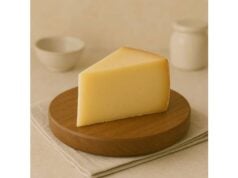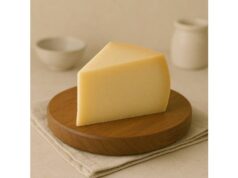
Mild, buttery, and supremely melty, Havarti is the Danish table cheese that slides effortlessly from everyday sandwiches to elegant cheese boards. Behind its creamy texture is a concentrated package of nutrients: complete dairy proteins, abundant calcium and phosphorus for bones, and fat-soluble vitamins that ride along with milk fat. At the same time, Havarti is a salty, high–saturated-fat food—so learning when and how to enjoy it matters. This guide unpacks the essentials: what Havarti is, how its nutrition compares, who benefits (and who should be cautious), how to buy and store it, and the smartest ways to cook with it without overwhelming your sodium or saturated fat budget. Whether you prefer young “cream Havarti” or an aged, crystal-speckled wheel, you will find practical serving ideas, evidence-based health context, and clear safety notes (including pregnancy and allergy guidance). Think of this as your one-stop, people-first reference for enjoying Havarti with confidence and balance.
Quick Overview
- Good source of protein (≈23 g/100 g) and calcium (≈700 mg/100 g) that support bones and muscles.
- High in saturated fat (≈19 g/100 g) and sodium (≈560 mg/100 g); keep portions modest and frequency balanced.
- Typical serving: 30 g (about 1 oz) once per day or a few times per week, depending on your overall diet.
- Choose pasteurized Havarti during pregnancy; avoid if you have a confirmed milk allergy.
- People with uncontrolled hypertension, high LDL cholesterol, or tyramine sensitivity should limit aged Havarti.
Table of Contents
- Detailed Overview of Havarti
- Havarti Nutrition Profile
- Evidence-Based Health Benefits
- Risks, Allergies and Interactions
- Selecting, Quality, Sustainability and Storage
- Preparation, Cooking and Nutrient Retention
- Portions, Comparisons and FAQs
Detailed Overview of Havarti
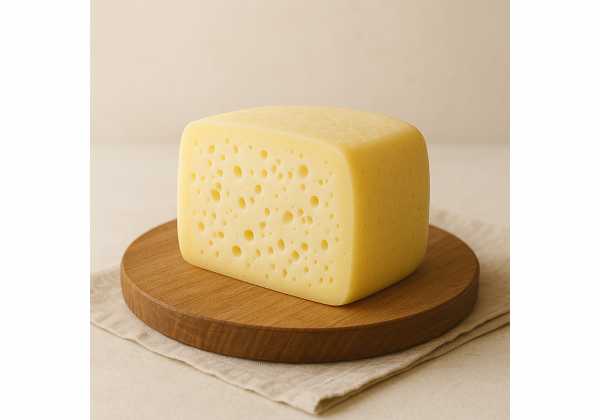
Havarti is a semi-soft Danish cow’s-milk cheese known for its pale straw color, supple body, and small, irregular “eyes.” Traditionally made with mesophilic cultures and rennet, it is pressed, brined, and aged from a few weeks (young “cream Havarti”) to six months or more (aged Havarti). Younger wheels taste buttery and mild, with a clean lactic finish; longer aging concentrates savory notes and can produce tiny, crunchy tyrosine crystals.
Two broad styles appear at retail:
- Cream Havarti (younger, 1–3 months): Smooth, sliceable, and highly meltable. Flavored versions (dill, caraway, jalapeño) are common.
- Aged Havarti (≥6 months): Firmer, slightly drier, with deeper caramel, hazelnut, or toffee notes; sometimes labeled “Havarti aged” or “Havarti reserva.”
Melt behavior. Havarti has a low melting point and smooth melt, ideal for grilled cheese, quesadillas, burgers, baked eggs, au gratin potatoes, or creamy sauces. It browns gently without oil separation when heated over moderate heat, making it forgiving for home cooks.
How it compares. Flavor sits between mild Gouda and young Cheddar. Compared with mozzarella, Havarti is richer in fat and sodium but brings more buttery depth. Compared with Gouda, it’s typically a bit softer and creamier when young.
Nutrition snapshot. Like most natural cheeses, Havarti concentrates milk nutrients: complete protein, calcium, phosphorus, and fat-soluble vitamins. Carbohydrates remain low because lactose is mostly removed during curd cutting, draining, and ripening.
Culinary versatility. Use thin slices in deli sandwiches, melt cubes into pan sauces, shave aged Havarti over roasted vegetables, or fold grated Havarti into mashed potatoes for velvety richness. Its mildness pairs well with apples, pears, cucumbers, tomatoes, rye bread, smoked salmon, prosciutto, mustard, and pickles.
Label notes to notice. Look for milk source (cow), pasteurized if you’re pregnant, sodium per serving (brands vary widely), and the type of rennet (vegetarian microbial vs animal). Flavor-added options change sodium and additives, so check the ingredient list.
Bottom line. Havarti is a flavorful, nutrient-dense cheese that fits well in moderate portions. Taste and texture depend heavily on age; pick the style that suits your recipe and nutrition goals.
Havarti Nutrition Profile
All values below are per 100 g of plain, full-fat Havarti (typical averages). %DV uses U.S. reference values for adults.
Macros and Electrolytes (per 100 g)
| Nutrient | Amount | %DV |
|---|---|---|
| Energy | 371 kcal | — |
| Water | ~41 g | — |
| Protein | 23.2 g | 46% |
| Total Fat | 29.7 g | 38% |
| Carbohydrate (total) | 2.8 g | 1% |
| Fiber | 0 g | 0% |
| Total Sugars | ≤1 g | — |
| Sodium | 560 mg | 24% |
| Potassium | 170 mg | 4% |
Fats and Fatty Acids
| Lipid | Amount | %DV/Limit* |
|---|---|---|
| Saturated Fat | 18.9 g | ~95% of 20 g limit |
| Monounsaturated Fat | ~8.5 g | — |
| Polyunsaturated Fat | ~0.8 g | — |
| Trans Fat | ≤0.5 g | — |
| Cholesterol | ~90 mg | — |
*For saturated fat, labels use a daily limit of 20 g.
Protein and Amino Acids
| Aspect | Detail |
|---|---|
| Protein quality | Complete protein containing all essential amino acids |
| Protein density | ~23 g per 100 g; ~7 g per 30 g (1 oz) serving |
Vitamins
| Vitamin | Amount | %DV |
|---|---|---|
| Vitamin A (RAE) | ~260 µg | 29% |
| Vitamin B12 (Cobalamin) | ~1.5 µg | 63% |
| Riboflavin (B2) | ~0.30 mg | 23% |
| Vitamin B6 | ~0.10 mg | 6% |
| Vitamin K2 (menaquinones) | Variable (not standardized) | — |
Minerals
| Mineral | Amount | %DV |
|---|---|---|
| Calcium | ~700 mg | 54% |
| Phosphorus | ~500 mg | 40% |
| Zinc | ~3.5 mg | 32% |
| Selenium | ~14 µg | 25% |
| Iodine | Variable (region/feed dependent) | — |
Allergens and Intolerance Markers
| Item | Typical Level | Note |
|---|---|---|
| Lactose | ~0.1–1.0 g | Often very low after ripening; individual products vary. |
| Milk proteins (casein, whey) | Present | Major allergen—avoid with confirmed milk allergy. |
| Biogenic amines (histamine/tyramine) | Trace to moderate | Higher in longer-aged lots; sensitive individuals should choose very young cheeses. |
Glycemic and Acid–Base Metrics
| Metric | Value |
|---|---|
| Glycemic Index (GI) | Not applicable (very low carbohydrate) |
| Glycemic Load (per 100 g) | ~0–1 |
| PRAL (acid load) | Acid-forming food; balance with fruits/vegetables |
Footnotes. Values are typical of full-fat, plain Havarti. Flavored versions and reduced-sodium or reduced-fat products will differ. Vitamin K2 content varies with cultures and aging and is not yet standardized on labels.
Evidence-Based Health Benefits
1) Bone integrity and dental health. Havarti supplies concentrated calcium (~700 mg/100 g) and phosphorus (~500 mg/100 g)—the mineral pair that supports bone density and tooth enamel. In practical terms, a 30 g slice delivers roughly 15–20% of daily calcium needs, useful for people who don’t drink much milk.
2) High-quality protein for maintenance. About 23 g of protein per 100 g (≈7 g per 30 g slice) helps maintain lean mass, especially when paired with resistance activity and adequate total protein across the day. Cheese proteins are complete and digest slowly, which may assist satiety.
3) Neutral to modestly favorable cardiometabolic associations—when portions are moderate. Large prospective analyses suggest that moderate cheese intake sits neutrally or slightly favorably in relation to risk of several outcomes (e.g., cardiovascular disease and type 2 diabetes) when part of varied diets. Mechanisms may include calcium-fatty acid binding in the gut, fermentation-derived compounds, and the overall “dairy matrix” that influences lipid handling.
4) Low lactose for many (not all) with lactose intolerance. Ripening reduces lactose substantially, and many people with lactose intolerance tolerate small portions of natural cheeses like Havarti. Tolerance is individual; start with small amounts and assess symptoms.
5) Micronutrient extras from the dairy matrix. Havarti provides vitamin B12 for red-blood-cell formation and neurological function, riboflavin for energy metabolism, and small amounts of vitamin A important for vision and immune function. Aged cheeses may also contain menaquinones (vitamin K2) from bacterial cultures, though amounts vary.
Practical take. If you enjoy Havarti, treat it as a flavorful nutrient-dense accent: thin slices on whole-grain bread, a finish for vegetables, or a protein-rich snack paired with fruit or a handful of nuts. That approach captures benefits while keeping saturated fat and sodium in check.
Risks, Allergies and Interactions
Saturated fat and LDL cholesterol. Havarti is high in saturated fat (≈19 g/100 g). Diets that regularly exceed saturated fat limits can raise LDL cholesterol for many people. Keep portions modest (e.g., 15–30 g at a time) and balance with unsaturated fat sources (olive oil, fish, nuts, seeds).
Sodium and blood pressure. Typical sodium is ~560 mg/100 g. If you live with hypertension or salt-sensitive blood pressure, you may prefer lower-sodium brands, smaller servings, and pairing with potassium-rich foods (tomatoes, leafy greens, beans, potatoes). Remember that melted cheese can tempt oversized portions; pre-slice or pre-weigh.
Milk allergy. Havarti contains casein and whey proteins—major allergens. If you have a confirmed milk allergy, avoid it entirely. Those with non-IgE sensitivities should trial only with advice from a clinician.
Lactose intolerance. Most natural cheeses are low in lactose after ripening, but not completely lactose-free. Tolerance varies. Start with very small portions and avoid on an empty stomach if you are sensitive.
Biogenic amines (histamine/tyramine). Longer-aged cheeses can accumulate histamine and tyramine. Sensitive individuals may experience flushing, headaches, or blood pressure changes. People on monoamine oxidase inhibitors (MAOIs) should avoid aged cheeses due to tyramine interactions.
Food safety and pregnancy. Choose pasteurized Havarti during pregnancy. Unpasteurized soft and semi-soft cheeses pose a risk of listeriosis. Keep cheese refrigerated, avoid cross-contamination, and respect use-by dates.
Medication and condition notes.
- Heart disease / high LDL: Use Havarti sparingly; emphasize unsaturated fats elsewhere in your diet.
- Kidney disease: Discuss protein, phosphorus, and sodium limits with your clinician.
- Migraine/amine sensitivity: Prefer very young Havarti or choose low-amine cheeses; monitor symptoms.
Storage-related risks. Mold growth or ammonia-like odors signal spoilage. Discard visibly moldy slices (beyond the cut edge) and any cheese with slimy surfaces or sharp bitterness.
Selecting, Quality, Sustainability and Storage
How to choose.
- Age: Young “cream Havarti” is ultra-mild and melts easily; aged Havarti is drier, sliceable, and nuttier.
- Milk and rennet: If vegetarian, look for “microbial rennet.” If pregnant, verify pasteurized milk.
- Sodium: Compare labels; brands vary by >30%. Flavored Havarti (e.g., dill, jalapeño) often adds salt.
- Texture cues: Seek even, supple paste with small, irregular eyes; avoid excessive cracks or weeping moisture.
Sustainability pointers.
- Choose producers that publish animal-welfare standards and sustainable feed/water practices.
- Prefer locally produced cheese where possible to cut transport emissions.
- Opt for minimal or recyclable packaging (paper-wrapped wedges, recyclable trays).
Smart storage.
- Wrap: Cheese paper or parchment plus a loose outer foil/plastic layer. Avoid airtight containers that trap moisture.
- Fridge zone: 1–4 °C (34–39 °F), ideally in a cheese drawer or vegetable crisper to moderate humidity.
- After opening: Quality holds ~1–2 weeks for young Havarti; aged Havarti can last a bit longer if kept dry.
- Freezing: Possible for cooking use (texture becomes crumbly). Freeze tightly wrapped pieces for up to 2–3 months; thaw in the fridge and grate before melting.
- Handling: Use clean knives; rewrap immediately; keep flavors separate from pungent foods.
Budget tips. Buy blocks and slice/shred at home; you’ll pay less per kilogram. Store pre-portioned slices (15–30 g) to make portion control effortless.
Preparation, Cooking and Nutrient Retention
Best uses for young Havarti.
- Melt master: Grilled cheese, patty melts, tuna melts, breakfast sandwiches.
- Creamy sauces: Bechamel-based macaroni, mushroom pan sauces, or a quick fondue (with white wine and a touch of lemon).
- Vegetable boost: Melt over broccoli, roasted cauliflower, or asparagus; fold into mashed potatoes.
Best uses for aged Havarti.
- Cheese boards: Slice thin and pair with apples, pears, toasted nuts, rye crackers, or dark bread.
- Shave and finish: Micro-plane over warm vegetables, soups, or risotto for nutty depth.
- Baked dishes: Grate with a drier style of mozzarella to balance browning and stretch.
Technique pointers for perfect melt.
- Grate or slice thinly for even melting.
- Moderate heat (medium to medium-low). Overheating separates oil and creates greasiness.
- Add acidity (splash of wine, lemon, or a pinch of sodium citrate in sauces) for smooth emulsification.
- Starch helps (a little flour or cornstarch in sauces) to stabilize melted fat.
- Salt awareness: Havarti is salty; season other ingredients lightly and rely on herbs, lemon, and pepper.
Nutrient retention.
- Protein, calcium, phosphorus: Stable with heating.
- Vitamin A: Mostly heat-stable at household temperatures.
- B vitamins: Small losses can occur in high-heat or prolonged cooking; minimize by melting gently and cooking just until cheese flows and browns.
- Fat and sodium: Heating doesn’t reduce these; portion size is the lever.
Lighter ideas without losing flavor.
- Use 15–20 g finely grated Havarti as a finishing accent.
- Combine ½ Havarti + ½ lower-sodium cheese (fresh mozzarella or ricotta) in bakes.
- Pair with high-potassium sides (tomatoes, spinach, beans) to balance sodium.
- Add herbs (dill, chives, thyme) for perceived saltiness without extra salt.
Portions, Comparisons and FAQs
Right-sized portions. A practical everyday portion is 15–30 g (½–1 oz)—roughly 1–2 thin slices. That keeps saturated fat and sodium reasonable while still delivering flavor and protein. Active adults with higher calorie needs can flex upward; those managing LDL cholesterol, blood pressure, or total calories may lean toward the lower end or enjoy Havarti less often.
Quick comparisons (per 30 g / 1 oz, typical):
| Cheese | Calories | Total Fat | Sat Fat | Protein | Sodium |
|---|---|---|---|---|---|
| Havarti | ~110 kcal | ~9 g | ~6 g | ~7 g | ~170–220 mg |
| Gouda | ~110 kcal | ~9 g | ~5.5 g | ~7 g | ~200 mg |
| Cheddar (mild) | ~115 kcal | ~9–10 g | ~6 g | ~7 g | ~180–200 mg |
| Mozzarella (part-skim) | ~85 kcal | ~6 g | ~3.5 g | ~7 g | ~180 mg |
FAQs
Is Havarti lactose-free? Not necessarily. It’s usually low in lactose after ripening, and many people with lactose intolerance tolerate small portions. Check your personal response.
Is Havarti safe during pregnancy? Yes—if made from pasteurized milk and handled properly. Avoid unpasteurized soft/semi-soft cheeses.
Does Havarti contain vitamin K2? Many aged, culture-ripened cheeses contain some menaquinones (K2), but amounts vary; they’re not routinely listed on labels.
Vegetarian-friendly? Some products use microbial or vegetable rennet; others use animal rennet. Check the label.
How can I lower sodium when using Havarti? Use thinner shavings, pair with fresh vegetables and acidic elements (tomato, lemon), and season the rest of the dish lightly.
Can I freeze Havarti? Yes for cooking use. Texture becomes crumbly after thawing, which works fine for grating and melting.
References
- Foods to avoid in pregnancy 2024 (Guideline)
- Sodium reduction 2025 (Fact Sheet)
- Lactose Residual Content in PDO Cheeses: Novel Inclusions for Consumers with Lactose Intolerance – PubMed 2021
- Cheese consumption and multiple health outcomes: an umbrella review and updated meta-analysis of prospective studies – PMC 2023 (Systematic Review)
- Dietary Guidelines for Americans, 2020-2025 and Online Materials 2020 (Guideline)
Disclaimer
This guide is educational and does not replace personalized medical advice. Nutrition needs and tolerances vary by health status, medications, allergies, and life stage. If you are pregnant, immunocompromised, managing cardiovascular or kidney disease, or using MAOI medications, speak with a qualified health professional about cheese choices and amounts that are right for you.
If you found this article useful, please consider sharing it on Facebook, X, or your favorite platform to help others cook and eat with confidence. Your support helps us keep creating high-quality, evidence-informed resources.