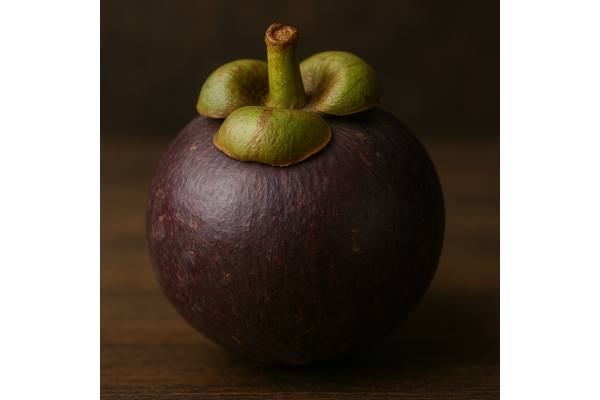
Mangosteen (Garcinia mangostana) is a small, thick-rinded tropical fruit prized for its sweet-tart arils and deep purple peel. Often called the “queen of fruits,” it delivers a delicate fragrance and a clean, lychee-like juiciness that fits both snacks and desserts. While its macronutrients are modest, mangosteen offers vitamin C and a spectrum of plant compounds—especially xanthones concentrated in the peel—studied for antioxidant and anti-inflammatory actions. You will find fresh mangosteens in limited seasons, plus frozen, canned, and juice products year-round. This guide brings together what matters most: accurate, per-100-gram nutrition; benefits supported by human and lab research; practical buying and storage tips; and clear safety notes, including medication cautions. Whether you are exploring mangosteen out of culinary curiosity or to diversify fruit intake, the sections below will help you choose quality fruit, use it well in the kitchen, and decide how it fits into your overall eating pattern.
Fast Facts
- One 100 g serving of mangosteen pulp provides ~68–73 kcal with ~14–18 g carbohydrate and ~3 mg vitamin C.
- Peel (inedible) is rich in xanthones; juice and supplements vary widely and are not nutritionally equivalent to whole fruit.
- Typical serving: 100–150 g edible arils, 3–4 times weekly as part of total fruit intake.
- Safety note: concentrated juices or supplements may interact with medications that affect clotting; choose whole fruit if on such drugs and consult your clinician.
- People on anticoagulant or multiple chronic medications, and those who are pregnant or breastfeeding, should limit extracts and discuss use with a healthcare professional.
Table of Contents
- Mangosteen: Detailed Overview
- Mangosteen Nutrition Profile
- Evidence-Based Health Benefits
- Risks, Allergies and Interactions
- Selecting, Quality, Sustainability and Storage
- Preparation, Cooking and Nutrient Retention
- Portions, Comparisons and FAQs
Mangosteen: Detailed Overview
Mangosteen is native to Southeast Asia and grows on a slow-maturing evergreen tree. The fruit has a leathery, purple rind that protects soft, segmented white arils inside. Each segment surrounds a seed; the largest segment often contains the largest seed. The flavor profile is balanced—sweet with a lively acidity—making mangosteen a natural fit for fruit salads, icy desserts, and fresh eating. Culinary use traditionally focuses on the arils. The peel (pericarp) is not eaten; it is bitter, astringent, and rich in pigments and xanthones such as alpha- and gamma-mangostin that are used in extracts, teas, and topical products.
From a nutrition standpoint, mangosteen pulp is like many juicy tropical fruits: primarily water and carbohydrate with small amounts of fiber, vitamin C, and B vitamins. It is not a major source of minerals but contributes potassium and trace amounts of iron and calcium. The peel’s phytochemicals are far more concentrated than those in the pulp, which explains why supplements and juices often advertise high “antioxidant” content. However, those products differ widely in composition and are not interchangeable with the whole fruit. If you are after nutrition plus flavor with minimal risk, choose the intact arils and treat supplements separately—more like herbal products than foods.
Seasonality is short. Mangosteen bruises easily and does not ripen off the tree, so supply depends on careful harvesting and rapid transport. You will see fresh mangosteen most often in Asian markets and specialty grocers during peak months; frozen arils are increasingly common and offer a convenient, waste-free option for smoothies and sorbets. Canned mangosteen, usually packed in syrup, tastes pleasant but is higher in sugars and does not reflect the nutrition of fresh pulp.
At the table, mangosteen shines in simple preparations: chilled and eaten out of the shell, layered with pineapple or citrus, or folded into yogurt with mint. It also pairs beautifully with lime, coconut milk, passion fruit, and ginger. Because its aroma is delicate, avoid heavy spices that can mask its character. If you are curious about the much-publicized “xanthones,” remember that peel extracts deliver most of them; enjoy the fruit for its taste, hydration, and small vitamin C contribution, and treat concentrated products with the same care you would give any supplement.
Mangosteen Nutrition Profile
Below are approximate values for fresh mangosteen pulp per 100 g, compiled from regional food composition data. Percent Daily Values (%DV) use standard adult DVs (2,000 kcal diet).
Macros and Key Electrolytes (per 100 g)
| Nutrient | Amount | %DV |
|---|---|---|
| Energy | 68 kcal | — |
| Water | 82.7 g | — |
| Carbohydrate | 14.4 g | — |
| Dietary Fiber | 1.5 g | 5% |
| Total Sugars | not specified | — |
| Protein | 0.6 g | 1% |
| Total Fat | 0.6 g | 1% |
| Potassium | 63 mg | 1% |
| Sodium | 10 mg (approx.) | <1% |
Vitamins (per 100 g)
| Vitamin | Amount | %DV |
|---|---|---|
| Vitamin C (ascorbic acid) | ~3 mg | 3% |
| Thiamin (B1) | ~0.06 mg | 5% |
| Riboflavin (B2) | ~0.03 mg | 2% |
| Niacin (B3) | ~0.30 mg | 2% |
| Vitamin A (RAE) | 0 | 0% |
Minerals (per 100 g)
| Mineral | Amount | %DV |
|---|---|---|
| Calcium | ~11 mg | 1% |
| Phosphorus | ~13 mg | 1% |
| Iron | ~0.3 mg | 2% |
Bioactives / Phytonutrients
- Xanthones (peel/pericarp): alpha-mangostin, gamma-mangostin, gartanin, and related compounds are concentrated in the inedible rind. Whole-fruit juices and supplements may include peel extract; fresh arils contain much lower levels.
- Anthocyanins and phenolics (peel): contribute to the deep violet color and antioxidant capacity of pericarp extracts.
Glycemic and Acid–Base Notes
- With ~14–18 g carbohydrate per 100 g and modest fiber, mangosteen pulp has a moderate carbohydrate density similar to many sweet fruits. Pair with protein or yogurt to slow absorption if you are watching post-meal glucose.
- Potential acid load is low and similar to other juicy fruits.
Fortification, Additives, and Forms
- Fresh and frozen arils reflect the tables above.
- Canned in syrup will be higher in sugars and can dilute vitamin C due to heating and storage.
- Juices and concentrates vary; nutrition labels and ingredient lists are the only reliable guides. Products that include “pericarp extract” will not reflect the simple fruit values above.
What this means for you
A typical 120 g serving (about one average fruit’s edible arils) supplies ~80 kcal, a small vitamin C boost, and refreshing hydration. To increase fiber, pair mangosteen with higher-fiber fruits (guava, berries) or nuts and seeds.
Evidence-Based Health Benefits
Antioxidant effects (human data). A small, 30-day randomized, double-blind, placebo-controlled trial in healthy adults found that daily intake of a mangosteen-based beverage increased plasma antioxidant capacity (ORAC) and reduced C-reactive protein compared with placebo. While the study used a blended beverage rather than plain fruit, it supports the plausibility that xanthone-containing mangosteen products can influence oxidative and inflammatory biomarkers under controlled conditions. For everyday eating, that translates into a simple, evidence-aligned practice: include mangosteen as one of your weekly fruit choices, but do not expect it to replace a varied plant-rich diet.
Xanthone bioavailability (human data). Xanthones from mangosteen juice—especially alpha- and gamma-mangostin—have been detected in human plasma after ingestion, indicating absorption and phase-II metabolism (conjugation). Bioavailability matters because it tells us these compounds reach circulation; it does not, by itself, prove disease-level benefits. Whole fruit arils contain far less xanthone than peel-rich extracts, so the physiological impact from eating the arils is expected to be modest.
Anti-inflammatory and antimicrobial mechanisms (lab and animal). Pericarp extracts show inhibition of inflammatory mediators and microbial growth in vitro, and alpha-mangostin has been studied for effects on cellular pathways linked to oxidative stress, apoptosis, and metabolic signaling. These mechanistic findings explain the interest in mangosteen as a functional ingredient in beverages, dental gels, and cosmeceuticals. Still, clinical translation remains limited: high-quality trials in specific populations (e.g., metabolic syndrome, periodontal disease) are few and small.
Skin and oral applications (emerging). Topical or oral use of pericarp-derived formulations has shown promise in early studies for reducing gingival inflammation and supporting barrier function, but these are small or adjunctive trials. If you are considering a mouth gel or serum that lists Garcinia mangostana peel extract, look for standardized products and realistic claims.
Practical bottom line. Mangosteen arils offer hydration, vitamin C, and culinary pleasure. Extract-based products concentrate xanthones and can affect lab markers in short trials, but they are not a substitute for medical treatment. For most people, the most reliable “benefit” is simply adding fruit variety, which supports overall diet quality.
Risks, Allergies and Interactions
Whole fruit vs. concentrated products. Fresh arils are generally well tolerated. Most reported adverse events involve concentrated juices or supplements that include peel extracts. Case reports describe severe lactic acidosis in an individual consuming mangosteen juice; while rare and not definitive proof of causation, this highlights that highly concentrated, non-food forms can carry risks absent from the fruit itself.
Medication cautions. Xanthones from mangosteen pericarp can inhibit various cytochrome P450 enzymes in vitro (notably CYP3A4 and others). This raises a theoretical risk of drug interactions when taking concentrated extracts, potentially altering levels of medications metabolized by these pathways. In addition, some resources caution against combining mangosteen products with anticoagulant or antiplatelet drugs due to possible effects on clotting and platelet function. If you take warfarin, DOACs, antiplatelets, chemotherapy, immunosuppressants, or multiple chronic medications, avoid extract-rich supplements and discuss any mangosteen beverages with your clinician or pharmacist.
Allergy. True mangosteen allergy appears uncommon. Because it is not a latex-fruit–syndrome staple, cross-reactivity is unlikely but still possible in highly sensitive individuals. First tries should be modest (a few segments), especially if you have a history of fruit allergies.
Gastrointestinal tolerance. The fruit is not high in fermentable oligosaccharides (FODMAPs) compared with stone fruits, but rapid intake of large amounts can cause mild GI upset in sensitive people. Canned mangosteen in syrup is higher in simple sugars and may be more problematic for glucose spikes.
Pregnancy and lactation. Food-level intake of the arils is considered reasonable. Safety data for supplements or peel extracts during pregnancy or breastfeeding are insufficient; avoidance is prudent.
Children. Whole fruit fits a balanced diet; watch for choking hazards with seeds and limit syrups or sugar-sweetened juices.
Surgery. Because of potential effects on clotting, discontinue extracts and concentrated beverages at least two weeks before elective procedures, unless your surgical team advises otherwise. Whole fruit portions are usually acceptable.
Diabetes and glucose control. Per 100 g, mangosteen provides ~14–18 g carbohydrate with modest fiber. Enjoy it alongside protein (e.g., Greek yogurt) or nuts to soften the glucose rise, and favor fresh or frozen over syrup-packed forms.
Selecting, Quality, Sustainability and Storage
How to choose. Select fruits with deep purple, glossy rinds free of cracks or wet spots. A slight give when pressed and a pliable calyx (green “cap”) suggest ripeness; rock-hard rinds often indicate underripe fruit or dehydrated stock. Because mangosteen does not ripen appreciably after harvest, choose the best fruit you see—waiting at home will not rescue an underripe one.
Season and supply. Mangosteen trees are slow to bear, and harvest windows are short. That limited seasonality, combined with careful transport needs, explains the higher price and occasional scarcity. Frozen arils are an excellent alternative when fresh supply is limited; quality varies less, waste is lower, and prep is trivial.
Sustainability snapshot. Most mangosteens sold outside Southeast Asia are air-freighted, which carries a higher transport footprint than local fruit. When you can, buy during peak season from sellers that consolidate shipments, or choose frozen options that are often shipped more efficiently. At home, reduce waste by storing and using fruit promptly (see below).
Storage and shelf life. Keep ripe mangosteens refrigerated in a breathable container; use within 3–5 days for best texture. Avoid sealed plastic bags that trap moisture and encourage mold. If fruit feels slightly firm but not hard, hold at room temperature for a day and recheck—there’s a narrow sweetness gain just after arrival. For longer storage, remove the arils and freeze them in a single layer before packing into an airtight bag; use within 3 months for best flavor.
Handling tips. Score the rind around the equator with a paring knife, then twist gently to open. Press from the stem end if you prefer a no-knife method, but be prepared for purple stains from the rind pigments. Wear an apron or open over a washable board.
Quality troubleshooting.
- Dry, tough rind: fruit picked too early or stored too long; arils may be shrunken.
- Browned arils: postharvest chilling injury or internal breakdown; discard.
- Off aromas: fermentation—do not eat.
- Visible mold at the seam: avoid; spores spread internally.
Buying formats. Fresh for eating; frozen for smoothies and desserts; canned for occasional use in fruit salads (rinse syrup off); juice/extracts only if you understand formulation and discuss meds with your clinician.
Preparation, Cooking and Nutrient Retention
Minimal prep preserves quality. Mangosteen’s strengths—aroma, juiciness, and gentle sweetness—shine with minimal heat. Vitamin C is heat-sensitive and water-soluble; prolonged simmering or canning reduces it. For maximum retention, enjoy the arils raw, chilled, or folded into cold dishes.
Smart pairings. Combine mangosteen with acid-bright partners (lime, passion fruit) to amplify freshness, or with creamy elements (coconut milk, skyr) to add body and protein. Peppermint, Thai basil, and ginger complement without overpowering. Salt—just a pinch—can sharpen sweetness the way it does for melon.
Techniques to try.
- Chilled fruit cups: Toss arils with pineapple and orange segments; finish with lime zest.
- Yogurt parfait: Layer Greek yogurt, mangosteen, toasted coconut, and chopped pistachios for fiber, protein, and texture.
- Smoothie bowl: Blend frozen mangosteen with banana and kefir; top with chia seeds for extra fiber and omega-3 ALA.
- Granita: Puree arils with a little honey and lime juice; freeze and scrape fork-fluffy for a low-fat dessert.
- Salsa for seafood: Mix chopped mangosteen, cucumber, scallion, cilantro, and chili; spoon over grilled shrimp or halibut.
What to avoid. Heavy caramelization, deep-frying, or long stewing will bury the fruit’s character. High-sugar syrups obscure natural flavor and add empty calories. If using canned mangosteen, rinse the syrup and drain well.
Food safety. Wash the whole fruit before cutting—soil or microbes on the rind can transfer inward on the knife. Use a clean board and knife, and refrigerate leftovers within two hours. Once the arils are exposed, consume within 24–48 hours for best taste and texture.
Nutrient retention tips.
- Cut just before serving to reduce vitamin C losses from air exposure.
- Keep cold when possible; chill bowls and plates for fruit desserts.
- Add a protein or fat source (yogurt, nuts) to moderate glucose impact and improve satiety.
- Freeze fast in a single layer; slow freezing forms large ice crystals that can damage texture.
Supplements and powders. If you choose a peel-extract powder or capsule, understand that it is a concentrate, not a food. Doses and bioactive profiles vary; quality controls differ by brand. Discuss use with your clinician if you take prescription medications, are pregnant, or plan surgery.
Portions, Comparisons and FAQs
Typical portion. For most adults, 100–150 g of arils (about one medium fruit’s edible portion) counts as one fruit serving. Enjoy mangosteen 3–4 times per week within total fruit goals (generally 1½–2 cups fruit daily for many adults). If you track carbohydrates, budget 15–20 g per 100 g serving.
How does mangosteen compare to other tropical fruits?
- Vs. mango: Mango provides more vitamin A precursors and often more fiber per cup; mangosteen is lighter in calories and has a cleaner, lychee-like profile.
- Vs. lychee and longan: All three are juicy and aromatic; lychee typically delivers more vitamin C per gram, and longan leans sweeter.
- Vs. rambutan: Rambutan and lychee share higher vitamin C; mangosteen’s appeal is balance and texture rather than vitamin density.
Fresh, frozen, canned, or juice—what’s best?
Fresh or frozen arils are the closest to the fruit’s natural nutrition. Canned in syrup raises sugars and lowers vitamin C; fine for occasional desserts. Juices vary widely; unless a label is clear and the product fits your dietary needs, prioritize whole fruit.
Can I eat the peel?
No—the peel is inedible. It is intensely bitter and astringent. Its value lies in concentrated extracts used in research and supplements. Do not home-brew peel teas if you take medications or are pregnant.
Is mangosteen “good for inflammation”?
Whole fruit offers hydration and small amounts of vitamin C and phenolics; that supports overall diet quality. Extract-based products can shift blood markers in short trials, but strong clinical outcomes data are limited. If you enjoy mangosteen, include it as one fruit among many rather than relying on it as an “anti-inflammatory cure.”
Weight management—yes or no?
At ~68–73 kcal per 100 g, mangosteen is comparable to many fruits. It’s satisfying when paired with protein (yogurt, cottage cheese) and fiber (chia, oats). As with any fruit, portion awareness matters if you are in a tight calorie budget.
Diabetes—can I include it?
Yes, in measured portions. Pair with protein or fat, prefer fresh or frozen over syrups, and consider timing (as part of a meal rather than alone).
How many mangosteens is too many?
For most healthy adults, 1–2 fruits at a sitting is reasonable. If you are on medications that affect clotting or that depend on CYP3A4 metabolism, avoid extracts and concentrated juices unless cleared by your care team.
References
- Daily consumption of a mangosteen-based drink improves in vivo antioxidant and anti-inflammatory biomarkers in healthy adults: a randomized, double-blind, placebo-controlled clinical trial 2015 (RCT)
- Severe lactic acidosis associated with juice of the mangosteen fruit Garcinia mangostana 2008 (Case Report)
- Insights into the Chemical Composition and In Vitro Biological Properties of Garcinia mangostana (Mangosteen) Pericarp 2023 (Systematic/Comprehensive Review)
- In vitro inhibition of multiple cytochrome P450 isoforms by xanthone derivatives from mangosteen extract 2009 (Mechanistic Study)
- ASEAN Food Composition Database, Electronic version 1 (February 2014) 2014 (Food Composition Tables)
Disclaimer
This article is for general information and education. It does not provide medical advice and is not a substitute for diagnosis, treatment, or individualized nutrition care. Always consult your licensed healthcare professional about diet changes, supplements, and potential interactions with your medications or health conditions.
If you found this helpful, please consider sharing it with friends or colleagues on Facebook, X (formerly Twitter), or any platform you prefer. Your support helps us continue creating reliable, reader-first guides.