Loquat (Eriobotrya japonica) is a small, golden stone fruit with a bright, apricot-meets-citrus flavor and a short spring season. Beyond its refreshing taste, loquat offers a lean calorie profile, modest fiber, and notable provitamin A carotenoids that support eye and skin health. Home cooks appreciate how quickly it peels, how well it holds shape in compotes and pies, and how easily it swings from sweet applications to savory pairings (think grilled chicken, soft cheeses, or bitter greens). Growers value its resilience and early ripening; shoppers prize the delicate aroma and melt-in-the-mouth texture when it’s perfectly ripe. This guide brings together what matters most: a clear nutrition snapshot per 100 g, practical health insights grounded in current research, the few real-world risks to know (especially around seeds and leaves), and smart tips for choosing, storing, and cooking loquats so you keep their flavor—and nutrients—intact.
Fast Facts
- Typical serving: 150 g (about 6–8 small loquats), enjoyed a few times per week as part of a varied diet.
- Key benefits: provides provitamin A carotenoids and light fiber while staying low in calories (≈47 kcal per 100 g).
- Safety note: do not eat the seeds; they contain cyanogenic glycosides that can release cyanide if crushed or ground.
- Who should limit: people with pollen-related fruit allergies (Rosaceae), those advised to restrict potassium, and anyone on diabetes medications considering concentrated leaf products.
Table of Contents
- Loquat Overview and Origins
- Loquat Nutrition Profile (100 g)
- Evidence-Based Loquat Health Benefits
- Risks, Allergies and Interactions
- Selecting Loquats, Sustainability and Storage
- Prep, Cooking and Nutrient Retention
- Portions, Comparisons and FAQs
Loquat Overview and Origins
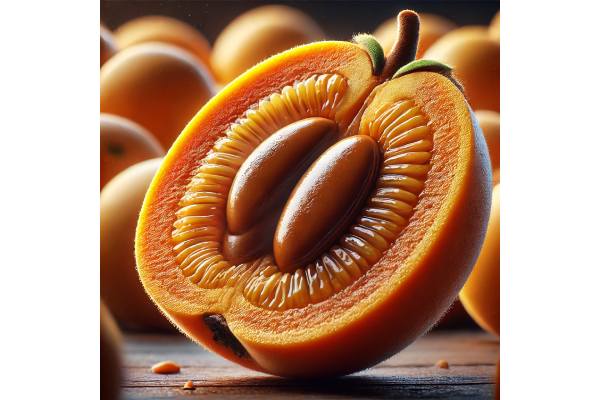
Loquat is an evergreen member of the rose family (Rosaceae) that likely originated in south-central China and spread throughout East Asia, the Mediterranean, and subtropical regions worldwide. The fruit—oval to pear-shaped with thin, slightly fuzzy skin—ripens early, typically late winter through spring depending on climate. The flesh ranges from ivory to deep orange; flavor profiles vary by cultivar from honeyed and floral to tart and citrus-leaning. Because loquat is non-climacteric (it does not ripen significantly after harvest), timing matters: fruit picked fully colored and fragrant gives the best texture and sweetness.
In markets, you may see loquat sold under names like Japanese plum, Chinese plum, or biwa. Each cluster contains 3–5 large, glossy seeds. These pits are inedible and should be discarded, not saved for grinding or “seed tea.” The peel is edible, yet many cooks remove it for a softer mouthfeel and to reduce surface bitterness in preserves.
Culinarily, loquat shines anywhere you’d use apricots, peaches, or firm mango. It’s outstanding in:
- Fresh fruit plates with yogurt, ricotta, or labneh.
- Quick chutneys for grilled fish or chicken (loquat + ginger + lime).
- Jam, compote, and pie fillings that hold shape without getting mushy.
- Pickles and relishes, where its tartness lifts rich dishes.
- Lightly poached halves served chilled with syrup and citrus zest.
Nutrition-wise, loquat is a lean fruit: around 47 kcal per 100 g with modest fiber and a standout contribution of provitamin A (as carotenoids). Potassium is present at moderate levels for a fruit, and sodium is negligible. Its phenolic compounds and carotenoids support the antioxidant color and may contribute to health benefits discussed later. As a seasonal fruit with delicate skin, it’s best purchased when fragrant and used promptly, or refrigerated to slow softening.
From a sustainability lens, loquat trees tolerate a range of soils and are often grown in mixed orchards or home gardens with low inputs. The short supply chain in many regions—garden to table—helps keep fruit fresh and reduces food miles. Simple kitchen steps (quick refrigeration, acidulation after cutting, and respectful handling) go a long way to reduce waste. You’ll find detailed shopping, storage, and ripening strategies in Section 5, and straightforward, nutrient-smart cooking ideas in Section 6.
Loquat Nutrition Profile (100 g)
Below is a practical, label-style view per 100 g edible portion. % Daily Value (%DV) uses current U.S. Daily Values for adults and children ≥4 years. Amounts are rounded sensibly for kitchen use.
Macros & Electrolytes (per 100 g)
| Nutrient | Amount | %DV |
|---|---|---|
| Energy | 47 kcal | — |
| Water | 86.7 g | — |
| Carbohydrate | 12.1 g | 4% |
| Dietary Fiber | 1.7 g | 6% |
| Protein | 0.43 g | 1% |
| Total Fat | 0.20 g | 0% |
| Sodium | 1 mg | 0% |
| Potassium | 266 mg | 6% |
Vitamins (per 100 g)
| Vitamin | Amount | %DV |
|---|---|---|
| Vitamin A (RAE) | 76 µg | 8% |
| Vitamin C (ascorbic acid) | 1.0 mg | 1% |
| Folate (DFE) | 14 µg | 4% |
| Vitamin B6 (pyridoxine) | 0.10 mg | 6% |
| Thiamin (B1) | 0.02 mg | 2% |
| Riboflavin (B2) | 0.03–0.04 mg | 2–3% |
| Niacin (B3) | 0.18–0.27 mg | 1–2% |
Minerals (per 100 g)
| Mineral | Amount | %DV |
|---|---|---|
| Calcium | 16 mg | 1% |
| Magnesium | 13 mg | 3% |
| Phosphorus | 27 mg | 2% |
| Iron | 0.28 mg | 2% |
| Copper | 0.04 mg | 4% |
| Manganese | 0.15 mg | 6% |
Carbohydrates
Loquat is a moderate-carb, low-fat fruit. Natural sugars dominate the carb profile, with fiber contributing about 6% of the daily value per 100 g. For blood sugar management, the portion and pairing (protein, fat, or higher-fiber foods) matter more than minor cultivar-to-cultivar differences.
Fats & Fatty Acids
Total fat is very low; contributions are mainly trace polyunsaturates.
Protein & Amino Acids
Protein is minimal. Amino acids appear in trace amounts and are not a meaningful source.
Bioactives/Phytonutrients
Loquat provides carotenoids (notably beta-carotene and beta-cryptoxanthin) that convert to vitamin A activity and lend the orange hue. Phenolic acids and flavonoids are present at modest levels in the fruit flesh (leaves contain higher concentrations, but those are typically consumed as teas or extracts, not as food). Levels vary by cultivar, ripeness, and growing conditions.
Glycemic & Acid–Base Notes
Given its carbohydrate density and low fiber per 100 g, loquat is best enjoyed in balanced meals or snacks. Its potential renal acid load (PRAL) is negative, meaning it’s generally alkalizing.
Notes: Values reflect raw, unfortified fruit. Natural variability is expected across cultivars and seasons. %DV reference values are current and standardized.
Evidence-Based Loquat Health Benefits
1) Vision and skin support from provitamin A carotenoids
Loquat’s orange flesh signals carotenoids such as beta-carotene and beta-cryptoxanthin, which the body converts to vitamin A. Per 100 g, loquat delivers roughly 8% of daily vitamin A (as RAE). Consistent intake of carotenoid-rich fruits is associated with maintaining the surface integrity of the eye and skin and supporting normal immune function. While loquat isn’t the single richest carotenoid source, it fits well into a varied color-forward produce pattern that cumulatively meets vitamin A needs.
2) Weight-conscious sweetness with light fiber
At ~47 kcal per 100 g, loquat is a low-energy-density fruit that satisfies a craving for something sweet without a heavy calorie load. The modest fiber (about 1.7 g/100 g) contributes to fullness alongside the high water content. As part of a whole-food diet, replacing refined desserts with a loquat bowl or loquat-based fruit salad can help manage calories without feeling deprived.
3) Cardiometabolic markers: what early research suggests
Animal and cell studies using loquat fruit and juice report improvements in lipid handling (e.g., reduced triglyceride accumulation), oxidative stress markers, and features related to fatty liver in high-fat, high-sucrose diet models. These exploratory findings point to a plausible benefit from phenolics and carotenoids; however, human data on loquat fruit itself remain limited. Treat loquat as a nutrient-dense addition to a heart-smart pattern—rich in fruits, vegetables, whole grains, legumes, nuts, and seeds—rather than a stand-alone “treatment.”
4) Potassium and fluid balance
Each 100 g provides about 266 mg potassium (≈6% DV). Adequate dietary potassium helps maintain normal blood pressure when combined with reduced sodium and an overall balanced diet. For most healthy adults, the potassium in a typical loquat serving (about 150 g) is a helpful contribution to daily goals.
5) Gut comfort and culinary flexibility
Loquat’s fiber is modest but well-tolerated for many people, and the fruit’s pectin content makes it suitable for gentle compotes and sauces that sit well in the stomach. For those easing back into fiber after a gastrointestinal upset, soft-cooked loquat flesh (peeled and poached) can be an easy step before transitioning to raw fruit.
Practical takeaways
- Use loquat fruit as a colorful, carotenoid-containing option alongside leafy greens and orange vegetables to round out vitamin A intake.
- Pair with yogurt, nuts, or cheese to blunt glucose excursions and boost satiety.
- Think pattern, not single food: loquat complements the overall benefits of a produce-rich dietary pattern.
Risks, Allergies and Interactions
Seeds are not edible
Loquat seeds contain cyanogenic glycosides (chiefly amygdalin) that can release cyanide if crushed, ground, or otherwise broken down. Do not ingest the pits raw or as powder and do not brew “seed tea.” Commercial advisories have documented unsafe cyanide levels in some seed-based products; stick to the edible flesh and discard the seeds. Whole seeds accidentally swallowed intact typically pass without issue, but avoid intentional ingestion.
Leaves and leaf teas
Traditional loquat leaf infusions (“biwa-cha”) are generally used in small amounts. While leaves contain much lower cyanogenic glycosides than seeds, concentrated or improperly prepared products can still pose risks. People who are pregnant, breastfeeding, or on chronic medications should avoid medicinal-strength teas or extracts unless advised by a qualified clinician.
Allergy and cross-reactivity
Loquat belongs to the Rosaceae family (like apple, pear, peach, and apricot). Individuals with pollen-related oral allergy syndrome (e.g., birch pollen) or known Rosaceae fruit allergies may experience itching or tingling in the mouth and should try a very small amount first, choose well-cooked preparations, or avoid altogether if reactions occur. Severe allergy to loquat is uncommon, but caution is warranted.
Medication considerations
- Diabetes therapies: Concentrated loquat leaf products have been studied for effects on glucose metabolism in animals and small trials; anyone on insulin or oral hypoglycemics should avoid self-experimenting with potent leaf extracts without medical supervision. Eating the fruit in typical portions is generally safe.
- Potassium-sparing drugs: Loquat fruit has a moderate potassium content; those on potassium-sparing diuretics, ACE inhibitors, or ARBs who have been advised to limit potassium should count loquat toward daily totals.
- Surgery and sedation: Herbal extracts (not the fruit) can sometimes interact with platelets or cytochrome systems; if you use any loquat-derived supplements, disclose them to your healthcare team at least two weeks before procedures.
Food safety and handling
Wash gently under running water just before eating. Loquat bruises easily; damaged fruit perishes faster and can harbor spoilage organisms. Refrigerate ripe fruit you won’t use within a day.
Bottom line
Enjoy the edible flesh; discard seeds; be conservative with concentrated non-culinary leaf products; and take extra care if you have relevant allergies or are advised to restrict potassium.
Selecting Loquats, Sustainability and Storage
How to choose
- Color: Look for uniform golden-yellow to deep orange, depending on variety. Green tinges indicate underripeness.
- Aroma: A floral, apricot-like scent signals flavor; a fermented odor suggests over-ripeness.
- Skin: Thin and delicate; minor scuffing is normal, but avoid splits, oozing, or large bruises.
- Feel: Ripe loquat yields gently to pressure but should not be mushy. Firm fruit can finish coloring at room temperature but will not sweeten much further.
Season and sourcing
Peak season is late winter through spring. In many regions, loquat is a backyard or small-orchard fruit sold at farmers markets; this short supply chain improves freshness and reduces transport emissions. If you have a local source, ask about cultivars—flavor nuances vary widely.
Storage
- Counter: If slightly firm and not yet fragrant, hold at cool room temperature for 12–24 hours.
- Refrigerator: Once fragrant and soft-ripe, refrigerate in a breathable container; use within 3–5 days.
- Cut fruit: Loquat browns quickly after cutting. To slow browning, dip halves in a solution of water with lemon juice (or another mild acid) and refrigerate in a covered container; use within 24 hours for best quality.
- Freezing: Peel, pit, and freeze loquat halves or slices on a tray, then store in freezer bags. For best texture in desserts or smoothies, use within 6–9 months. A light syrup or a sprinkle of sugar can help protect texture; acidulate to preserve color.
Sustainability pointers
- Home and community trees: Loquat thrives in many warm climates with relatively low inputs; urban gleaning programs often recover backyard fruit that would otherwise go to waste.
- Food waste reduction: Buy (or harvest) in small quantities you’ll use within a few days; turn surplus into freezer-ready puree or quick jam.
- Packaging: If buying at markets, bring a shallow container to prevent crushing and reduce single-use bags.
Quality troubleshooting
- Dry, mealy texture: Fruit was harvested underripe or stored too long; use in cooked dishes.
- Excess browning after cutting: Increase acidulation and refrigerate promptly.
- Watery flavor: Choose deeper orange fruit next time; those cultivars typically carry more carotenoids and fuller flavor.
Prep, Cooking and Nutrient Retention
Quick prep
- Rinse gently. 2) Halve lengthwise. 3) Twist or spoon out the seeds. 4) Peel (optional). The peel is edible but slightly tannic; most cooks peel for preserves and sauces where a smooth texture is preferred.
Keep color bright
Loquat flesh oxidizes quickly. To maintain a fresh look and taste:
- Toss cut fruit with lemon juice (about 1 tablespoon per 2 cups fruit).
- For larger batches, keep prepared pieces submerged in lightly acidulated water until cooking.
- Minimize exposure to air and heat.
Cooking methods and what they do
- Poach: Gentle poaching (just-simmering with water, citrus zest, and a touch of sugar) softens fibers while preserving shape—ideal for parfaits and tarts.
- Roast: High-heat roasting concentrates flavors; pair with honey, thyme, and a pinch of salt.
- Sauté: Quick sauté with butter or olive oil caramelizes edges for savory dishes.
- Jam/compote: Loquat’s natural pectin helps set spreads with moderate sugar. Add lemon juice to balance pH and color.
- Pickle: A light brine with ginger and rice vinegar yields a crisp, tangy condiment.
Nutrient retention tips
- Vitamin A precursors (carotenoids) are heat-stable relative to vitamin C. In fact, gentle heat and a small amount of fat can improve carotenoid bioavailability by softening cell walls and aiding micelle formation. For maximum uptake, serve cooked loquat with a fat source (yogurt, nuts, olive oil).
- Vitamin C is heat- and oxygen-sensitive. To keep what little loquat contains, favor raw or minimally cooked preparations, cook in closed vessels when possible, and avoid prolonged holding on the stove.
- Minimize water losses. Prefer poaching over boiling, or reuse poaching liquid in sauces so water-soluble vitamins aren’t discarded.
Smart pairings
- Protein: Greek yogurt, chèvre, cottage cheese, or grilled halloumi.
- Healthy fats: Toasted almonds, pistachios, or a drizzle of extra-virgin olive oil.
- Acid & herbs: Lemon, lime, mint, basil, or thyme to amplify brightness.
- Spices: Ginger, cardamom, star anise, or Szechuan peppercorn for aromatic depth.
Three easy recipes (frameworks)
- Loquat-ginger compote: 4 cups peeled, pitted loquats; 2–3 tbsp sugar (to taste); 1 tbsp lemon juice; 1 tsp grated ginger. Simmer 8–10 minutes; cool.
- Savory skillet loquats: Halved loquats seared in olive oil; deglaze with white wine vinegar; finish with thyme and black pepper.
- Five-minute fruit bowl: Loquat slices, orange segments, toasted pistachios, and a dollop of yogurt.
Portions, Comparisons and FAQs
Real-world portions
- Everyday snack: ~150 g (6–8 small fruits), ≈70 kcal.
- Dessert topping: 100 g sliced loquat over yogurt with nuts, ≈47 kcal plus toppings.
- Cooking: 300–500 g for a 9-inch tart or a small batch of compote.
Who benefits most from adding loquat?
- Anyone looking for a low-calorie fruit to diversify color and flavor.
- People assembling a carotenoid-rich plate but not craving vegetables at every meal.
- Cooks seeking a spring fruit that holds shape in pies and chutneys.
How does loquat compare to similar fruits?
- Versus apricot: Loquat is juicier with a softer tang; apricots typically provide more fiber and vitamin C per 100 g.
- Versus pear: Loquat is lower in calories and firmer when cooked; pears usually have more fiber.
- Versus kumquat: Kumquat (eaten peel-and-all) outperforms loquat on vitamin C; loquat brings more provitamin A carotenoids.
Is there a best time to eat loquat?
When it’s fragrant and fully colored. Because it does not ripen much after harvest, peak flavor is at purchase or shortly thereafter. For glycemic steadiness, pair with protein or fat, especially at breakfast.
Can I eat the peel?
Yes, though many prefer peeling for texture. If you keep the peel, rinse gently and eat soon after cutting to minimize browning.
Can kids and older adults enjoy loquat safely?
Yes—just remove the seeds first and serve in bite-size pieces to reduce choking risk. For anyone with chewing or swallowing difficulties, poach briefly to soften.
What about the seeds—can they be used for anything?
Not for eating or brewing. Dispose of them. Avoid online claims about seed powders.
How often should I eat it?
Enjoy it like other fruits—daily variety matters more than a fixed number. A few loquats several times per week is an easy, seasonal goal.
References
- Daily Value and Percent Daily Value on the Nutrition and Supplement Facts Labels (2023).
- Nutritional Composition and Effect of Loquat Fruit (Eriobotrya japonica L. var. Navela) on Lipid Metabolism and Liver Steatosis in High-Fat High-Sucrose Diet-Fed Mice (2024) (Review/Animal Data).
- Nutrition Facts for Loquats (Biwa, Chinese Plum, Akidini) (2025).
- Cyanide compounds contained in health tea using loquat seeds – Beware of excessive intake because decomposition thereof in the body may produce hydrocyanic acid (2018).
- Cyanogenic glycosides in loquat seeds (2018).
Medical Disclaimer
This article is for general information and education. It does not replace personalized advice, diagnosis, or treatment from your physician, registered dietitian, or other qualified health professional. If you have a medical condition, take prescription medications, are pregnant or breastfeeding, or are considering herbal or concentrated loquat products, consult your clinician before making dietary changes.
If you found this guide helpful, please consider sharing it on Facebook, X (formerly Twitter), or your preferred platform. Your support helps us keep creating evidence-based resources.