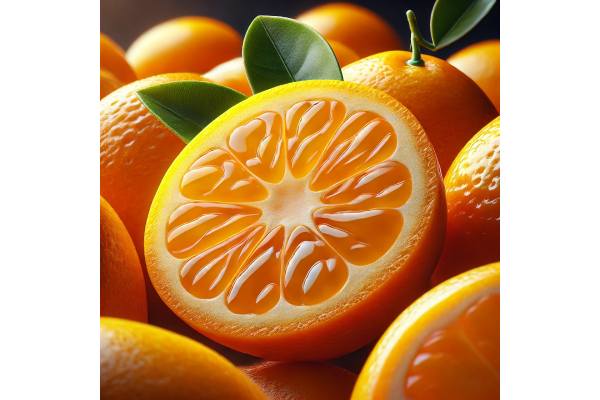
Kumquats look like miniature oranges, but they behave differently: you eat them whole—sweet peel and tangy pulp together. That bite-sized design delivers bright flavor, notable fiber, and a concentrated hit of vitamin C with far fewer sugars than most citrus. Thanks to their edible rind, kumquats bring aromatic essential oils and polyphenols to the table, too, which add fragrance and culinary range—from salads and salsas to marmalades and cocktails. In season through the cooler months, they store well in the refrigerator and can be preserved, candied, or fermented. This guide walks you through how kumquats can fit into everyday eating, what their nutrition label really means, how to select and store them, and where to watch for allergens or interactions. You will also find practical kitchen tips to keep their flavor and nutrients intact and a clear, people-first look at portions and common questions. Whether you are citrus-curious or already a kumquat fan, you will leave knowing exactly how to enjoy them confidently and safely.
Fast Facts
- One small serving (100 g, about 5–6 fruits) supplies ≈44 mg vitamin C and ≈6.3 g fiber.
- Low glycemic load per 100 g (≈4) with peel-in fiber that slows absorption.
- Typical serving: 100–150 g, up to several times per week as part of varied fruit intake.
- Safety note: dried or candied kumquats may contain added sugars or sulfites; check labels.
- Limit or avoid if you have confirmed citrus allergy or severe reflux triggered by acidic fruits.
Table of Contents
- Kumquat at a Glance
- Kumquat Nutrition Profile
- Evidence-Based Benefits of Kumquat
- Risks, Allergies and Interactions
- Selecting Quality, Sustainability and Storage
- Preparation, Cooking and Nutrient Retention
- Portions, Comparisons and FAQs
Kumquat at a Glance
Kumquats (botanically grouped within the Citrus genus; often labeled Citrus japonica or the older Fortunella names) are bite-size citrus with a thin, sweet peel and tart pulp. Unlike oranges, the rind is not waste—it is part of the experience. Eating the whole fruit balances sweetness and acidity in one bite and delivers more fiber and aromatic compounds than peeled citrus. Two widely sold types are Nagami (oval, bright tartness, great for candied peel and savory uses) and Meiwa (rounder, sweeter, often preferred for eating out of hand). Other specialty cultivars—Fukushu, Marumi, and variegated forms—show up at farmers’ markets and specialty shops.
From a nutrition perspective, kumquats are notable because the edible peel raises fiber and contributes unique polyphenols and essential oils (limonene, myrcene, and others) responsible for their orange-blossom aroma. Per 100 g (about 5–6 fruits), you get roughly 70 calories, ~16 g carbohydrate, ~6 g fiber, ~2 g protein, and <1 g fat—an easy way to add volume and flavor without large calorie or sugar loads. The vitamin C content (≈44 mg per 100 g) rivals many larger citrus, and minerals like calcium and potassium are present in meaningful amounts for such a small fruit.
Culinarily, kumquats handle both heat and raw applications. Slice them thin for salads, salsa, or slaws; muddle into sparkling water; roast alongside poultry or fish to perfume pan juices; simmer into quick marmalade; or candy into jewel-like garnishes. Because the peel carries most of the aroma, quick cooking preserves more character than prolonged simmering. The seeds are edible but can be bitter; most cooks either spit them out or strain them after simmering.
A few practical notes: store fresh kumquats unwashed in the fridge for longest life, and rinse just before use. For meal prep, slice and remove seeds, then refrigerate airtight for a few days, or freeze sliced fruit for later baking or blending. Dried and candied options exist, but they are desserts—check labels for added sugars and sulfites if those are a concern.
Kumquat Nutrition Profile
Serving basis for the tables: raw kumquats, edible portion, per 100 g. Percent Daily Values (%DV) use current U.S. DVs for adults and children ≥4 years.
Macros & Electrolytes (per 100 g)
| Nutrient | Amount | %DV |
|---|---|---|
| Energy | 71 kcal | — |
| Water | 81 g | — |
| Carbohydrate | 15.8 g | — |
| Dietary fiber | 6.3 g | 23% |
| Total sugars | 9.5 g | — |
| Protein | 1.9 g | — |
| Total fat | 0.8 g | — |
| Saturated fat | 0.1 g | 1% |
| Sodium | 10 mg | 0% |
| Potassium | 186 mg | 4% |
| Calcium | 62 mg | 5% |
| Magnesium | 20 mg | 5% |
| Phosphorus | 19 mg | 2% |
Carbohydrates
| Component | Amount | Context |
|---|---|---|
| Total carbohydrate | 15.8 g | Primarily natural sugars plus pectin-rich fiber from edible peel |
| Sugars (incl. glucose/fructose/sucrose) | 9.5 g | No added sugars in fresh fruit |
| Starch | minimal | Trace compared with sugars |
| Net carbs (carbs − fiber) | ≈9.5 g | Drives the low glycemic load |
Fats & Fatty Acids
| Component | Amount | Note |
|---|---|---|
| Total fat | 0.8 g | Naturally very low |
| Monounsaturated fat | ~0.13 g | Small amounts of oleic acid |
| Polyunsaturated fat | ~0.17 g | Trace omega-6 and omega-3 |
| Saturated fat | 0.1 g | Negligible |
Protein & Amino Acids
| Component | Amount | Note |
|---|---|---|
| Protein | 1.9 g | Typical for citrus; low overall |
Vitamins
| Vitamin | Amount | %DV |
|---|---|---|
| Vitamin C | 43.9 mg | 49% |
| Vitamin A (RAE) | 15 µg | 2% |
| Folate (DFE) | 17 µg | 4% |
| Thiamin (B1) | 0.05 mg | 4% |
| Riboflavin (B2) | 0.10 mg | 8% |
| Niacin (B3) | 0.4 mg | 3% |
| Vitamin B5 (Pantothenic acid) | 0.21 mg | 4% |
| Vitamin B6 | 0.05 mg | 3% |
| Vitamin E | 0.16 mg | 1% |
| Vitamin K | 0 µg | 0% |
| Choline | 8.4 mg | 2% |
Minerals
| Mineral | Amount | %DV |
|---|---|---|
| Potassium | 186 mg | 4% |
| Calcium | 62 mg | 5% |
| Magnesium | 20 mg | 5% |
| Iron | 0.8 mg | 5% |
| Copper | 0.10 mg | 11% |
| Manganese | 0.16 mg | 7% |
| Zinc | 0.1 mg | 1% |
| Phosphorus | 19 mg | 2% |
| Sodium | 10 mg | 0% |
Bioactives / Phytonutrients
| Compound/Class | Examples/Notes |
|---|---|
| Flavonoids | Hesperidin, narirutin, and kumquat-associated glycosides such as fortunellin reside primarily in peel and albedo. |
| Carotenoids | Lutein + zeaxanthin (~129 µg/100 g), beta-cryptoxanthin (~193 µg/100 g), α-carotene (~155 µg/100 g). |
| Essential oils | Peel oils rich in limonene with minor myrcene and characteristic esters; aromatic and contribute to perceived sweetness. |
Glycemic & Acid–Base Metrics
| Metric | Value/Range | Interpretation |
|---|---|---|
| Estimated glycemic index (GI) | ~30–50 (low) | Typical of high-fiber citrus eaten with peel |
| Estimated glycemic load (GL), 100 g | ~4 | Low impact |
| PRAL (acid–base) per 100 g | ≈ −3.6 mEq | Slightly alkaline-forming |
Additives & Fortification
- Fresh kumquats are unfortified.
- Candied or dried kumquats often include added sugars and may contain sulfites as preservatives—check labels.
Notes on values: Minor variations occur by cultivar, ripeness, and growing conditions. Use fresh weight values for practical planning; the %DV figures help compare kumquats to other fruits at a glance.
Evidence-Based Benefits of Kumquat
Supports immune function and collagen formation. A 100 g portion delivers about half the daily vitamin C target, a cofactor for immune cell function and collagen cross-linking. Vitamin C also regenerates other antioxidants and supports iron absorption from plant foods. Because kumquats are pleasant to eat whole, they can help people reach vitamin-C goals without resorting to juice.
Aids digestive regularity and gut comfort. With roughly 6.3 g of fiber per 100 g—much of it pectin from the peel—kumquats provide bulk and gel-forming fiber in a small volume. Pectin slows gastric emptying and helps modulate post-meal glucose spikes. Eating the peel with the pulp also means more chewing and slower eating, which nudges appetite regulation in a favorable direction.
Low glycemic load for blood-sugar steadiness. The fruit’s fiber-to-sugar ratio keeps the estimated glycemic load around 4 per 100 g, a “low” category. That makes kumquats easy to fit into mixed meals for people watching post-meal glucose, especially when paired with protein or fats (e.g., sliced into yogurt, cottage cheese, or grilled salmon salads).
Citrus polyphenols with antioxidant activity. Kumquat peel contains citrus flavonoids and aromatic terpenes. In experimental models and test systems, these compounds show antioxidant and antimicrobial properties and may dampen inflammatory signaling. While such lab findings are not direct health outcomes in humans, they point to plausible mechanisms for the long-observed benefits of higher fruit and vegetable intake.
Micronutrient variety in small bites. Kumquats contribute small yet meaningful amounts of calcium, magnesium, and potassium, all supportive of nerve, muscle, and cardiovascular function. These minerals are modest per serving but add up when kumquats replace lower-nutrient snacks.
Real-world application tips
- Use kumquats where you would normally add zest and juice: slicing in the whole fruit gives aroma and fiber without extra prep.
- For an easy, balanced snack: mix sliced kumquats with a handful of nuts; the fat and protein further lower the meal glycemic impact.
- Add to grain bowls or leafy salads for acidity that can replace vinaigrette, reducing added oils or sugars.
Bottom line: kumquats are a compact way to raise vitamin C and fiber intake, add bright flavor, and keep glycemic load low—especially valuable for people seeking nutrient-dense, snack-friendly fruit options.
Risks, Allergies and Interactions
Citrus allergy and intolerance. True citrus allergy is uncommon but real. Reactions typically involve proteins found in citrus and can present as oral itching, hives, or (rarely) more severe symptoms. People with known citrus allergy should avoid kumquats. Some individuals experience non-allergic intolerance to acidic fruits (mouth or stomach irritation); in those cases, portion control or avoidance is prudent.
Contact reactions from peel oils. The peel’s fragrant oils can occasionally trigger skin irritation or contact dermatitis, especially if the oils are oxidized (e.g., older fruit, zest left exposed). If you have sensitive skin, wear gloves when zesting or slicing large quantities and avoid touching eyes.
Gastroesophageal reflux (GERD). The acidic pulp may aggravate reflux in some people. If citrus worsens symptoms, reduce serving sizes, pair with food, or choose lower-acid fruits.
Added sugars and sulfites in processed forms. Candied and dried kumquats can be high in added sugars; some products use sulfites to preserve color. People with sulfite sensitivity or asthma triggered by sulfites should check ingredient lists and opt for unsulfited versions.
Medication considerations. Grapefruit contains furanocoumarins that can interfere with certain drugs; kumquats are not known for clinically meaningful interactions of this type. Still, if you take medications with narrow therapeutic windows, maintain consistent fruit intake patterns and consult your clinician if you plan major dietary changes.
Food safety basics. Rinse whole kumquats under running water before eating or cutting. Refrigerate cut fruit within 2 hours (within 1 hour if it is very warm) and use clean knives and boards to avoid cross-contamination. For meal prep, store sliced kumquats airtight in the refrigerator and consume within 3–4 days.
Who should limit or avoid
- Individuals with confirmed citrus allergy or history of severe reactions.
- Those with severe reflux triggered by acidic foods.
- People on sulfite-restricted diets (for processed products).
- Individuals with chronic kidney disease who must tightly control potassium should count kumquats toward daily totals (though per-serving potassium is modest).
If you have any history of systemic reactions after citrus, seek evaluation from an allergist before adding kumquats back into your diet.
Selecting Quality, Sustainability and Storage
How to choose good kumquats
- Appearance: look for firm fruits with glossy, unblemished skin and vibrant orange color. Slight green at the stem can still be fully ripe if the peel smells sweet.
- Aroma: a gentle rub should release a floral-orange scent; dull aroma may signal age.
- Weight: heavier fruits are juicier. Avoid soft spots, wrinkling, or bruising.
Season and sourcing
- In the Northern Hemisphere, peak season runs roughly November through March, though imports and greenhouse production can extend availability.
- Specialty stores, Asian groceries, and farmers’ markets may carry cultivars beyond the common Nagami and Meiwa. Varietal labeling helps you predict flavor: Meiwa (sweeter), Nagami (brighter and more tart).
Sustainability pointers
- Kumquats are typically grown on small evergreen trees that can be productive with limited inputs in suitable climates. When possible, buy local or regional during peak season to reduce transport impacts.
- Because the peel is eaten, wash well; choosing organically grown fruit may reduce your exposure to certain pesticide residues on the rind. If organic is not available, thorough rinsing and gentle scrubbing still help.
Storage and shelf life
- Room temperature: 3–5 days on the counter away from sunlight; flavor intensifies but texture softens if kept too long.
- Refrigerator: up to 2–3 weeks in a breathable produce bag; humidity helps prevent dehydration.
- After cutting: refrigerate within 2 hours; keep airtight and use within 3–4 days.
- Freezing: slice and seed, spread on a tray to freeze individually, then transfer to freezer bags. Use within 6 months for best quality (texture softens after thawing; great for sauces, baking, and cocktails).
Minimizing waste
- Zest and freeze: microplane zest and freeze in teaspoon portions.
- Quick preserve: simmer sliced fruit with a touch of sugar and lemon juice for a small-batch marmalade; refrigerate and use within 2–3 weeks.
- Infuse: steep peels in vinegar or olive oil for kitchen use; strain and store.
Label literacy
- “Unsulfited” or “no sulfites added” on dried or candied packages can be meaningful if you are sensitive.
- “No added sugar” indicates a product sweetened only by the fruit itself; candied styles usually include syrups.
Preparation, Cooking and Nutrient Retention
Prep basics
- Rinse under cool running water; pat dry.
- Roll gently between your palm and the cutting board to release peel oils.
- Slice crosswise into thin rings or lengthwise into wedges; flick out seeds if desired.
- Taste: if very tart, gently squeeze to release some juice, then eat the peel for sweetness.
Keep more nutrients (and flavor)
- Eat the peel. That is where much of the fiber, aromatic oils, and some flavonoids live.
- Use quick heat. High heat for short times (stir-fry, quick roast, blistering in a hot pan) preserves aroma better than long simmering, which drives off volatiles and can dull vitamin C.
- Add late. When making stews or braises, stir in sliced kumquat near the end of cooking for fresher flavor.
- Acid balance. A pinch of salt or a fat element (olive oil, yogurt, avocado) rounds the acidity and can improve palatability for sensitive mouths.
Practical applications
- Simple salad: shaved fennel, arugula, sliced kumquats, olive oil, and toasted almonds.
- Weeknight pan sauce: sear chicken, deglaze with white wine, add sliced kumquats and a knob of butter; reduce to glaze.
- Breakfast bowl: Greek yogurt, chia seeds, and thinly sliced kumquat with a drizzle of honey.
- Quick marmalade: simmer equal parts sliced kumquat and water with 60–70% sugar by fruit weight; cook until peels turn translucent.
- Zero-waste syrup: simmer leftover seeds and trimmings with sugar and water; strain to use in cocktails or seltzer.
Food safety while cooking
- Use separate boards for raw meats and produce.
- Refrigerate cooked dishes with kumquat within 2 hours.
- If preserving (marmalade, candied), follow tested recipes; sugar and acidity help, but proper processing prevents spoilage.
Texture and taste troubleshooting
- Too bitter? Remove seeds, slice thinner, or blanch slices briefly and shock in cold water before using.
- Too tart? Pair with creamy, salty, or fatty elements; sweetness in the peel balances lamb, duck, or aged cheeses.
- Peel seems tough? Choose riper fruit, slice thinner, or confit slices gently in olive oil for savory uses.
Portions, Comparisons and FAQs
How much is a serving?
A practical serving is 100–150 g, or about 5–8 kumquats depending on size. That fits well within daily fruit recommendations while keeping sugars modest. For children, start with 2–3 fruits and adjust by appetite.
How often can I eat kumquats?
Several times per week is reasonable in a varied diet. Rotate with other fruits for broader micronutrient and phytochemical coverage.
Are kumquats “good for weight management”?
They are nutrient-dense and low-calorie with a high fiber-to-sugar ratio, which can help with satiety. Replace refined snacks with kumquats plus a protein or fat source for better fullness.
How do kumquats compare to oranges or mandarins?
- Fiber: higher per 100 g because you eat the peel.
- Vitamin C: comparable per 100 g (kumquats often ~44 mg; oranges ~53 mg).
- Sugars: typically lower per 100 g than sweet mandarins.
- Glycemic load: low due to fiber and portion size.
Are kumquats suitable for people monitoring blood sugar?
Yes, in typical portions. The estimated GL ≈4 per 100 g is low. Combine with protein or fat to further blunt post-meal glucose responses.
Can I eat the seeds?
They are edible but bitter and can distract from the flavor. Most people remove them for fresh eating and strain them out for preserves.
Do kumquats interact with medications like grapefruit does?
Kumquats are not known for the grapefruit-style drug interactions. If you are on medications with strict dosing windows, keep intake consistent and consult your healthcare provider when making big dietary changes.
Are dried or candied kumquats healthy?
They are delicious treats but typically contain added sugars; some brands use sulfites. Enjoy occasionally, check labels, and consider unsweetened dried slices if available.
Any tips for kids?
Slice thinly, remove seeds, and pair with something creamy or salty. The sweet peel often wins over hesitant tasters.
References
- Nutrition Facts for Kumquats 2025
- Daily Value on the Nutrition and Supplement Facts Labels 2024 (Guideline)
- International tables of glycemic index and glycemic load values 2021: a systematic review 2021 (Systematic Review)
- Chemical Profile of Kumquat (Citrus japonica var. margarita) Essential Oil, In Vitro Digestion, and Biological Activity 2024
- Always Refrigerate Perishable Food Within 2 Hours 2024
Disclaimer
The information in this article is educational and general in nature. It is not a substitute for personalized medical advice, diagnosis, or treatment. If you have a medical condition, take prescription medications, are pregnant, or have experienced reactions to citrus, speak with a qualified healthcare professional before changing your diet.
If you found this guide useful, please consider sharing it on Facebook, X (formerly Twitter), or your favorite platform to help others discover reliable, practical nutrition content.