Jujube—often called Chinese date—pairs a crisp, apple-like snap when fresh with a chewy, caramel-like sweetness when dried. Behind that appealing range of textures is a fruit that pulls real nutritional weight: meaningful vitamin C, gentle fiber, and modest potassium with very little fat or sodium. Home cooks value jujube for its versatility. Fresh, it brightens salads, slaws, and snack plates; dried, it enriches teas, porridges, braises, and desserts. The fruit’s polysaccharides and polyphenols have become research targets, but your day-to-day wins are practical: a portable snack, a flavorful way to boost fruit intake, and a baker’s ally for natural sweetness. With dried forms, label reading matters—some products include sulfites or added sugars for color and texture. This guide explains how to use jujube with confidence: what to expect nutritionally per 100 grams (fresh and dried), evidence-based benefits, who should be cautious, how to select and store for peak quality, cooking techniques that protect heat-sensitive nutrients, and sensible portions for different goals.
Key Takeaways
- Per 100 g fresh, jujube provides ~79 kcal, ~69 mg vitamin C, and ~250 mg potassium; dried jujube is energy-dense and fiber-richer.
- Dried jujube may contain sulfites; check labels if you have sensitivity or asthma.
- A practical serving is 1 cup fresh (≈120–140 g) or ¼–½ cup dried (≈35–70 g), several times weekly within overall fruit targets.
- People with sulfite sensitivity or potassium-restricted diets should limit certain forms; those using sedative supplements from jujube seed should not equate them with the fruit.
Table of Contents
- Jujube: detailed overview
- Jujube nutrition profile (per 100 g)
- Evidence-based health benefits of jujube
- Risks, allergies and interactions
- Selecting, quality, sustainability and storage
- Preparation, cooking and nutrient retention
- Portions, comparisons and FAQs
Jujube: detailed overview
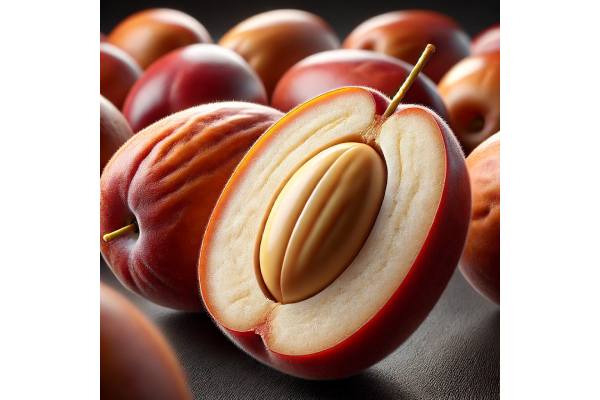
Jujube (Ziziphus jujuba Mill.) is a deciduous fruit tree native to Asia that thrives in semi-arid climates and increasingly shows up in orchards worldwide. The fruit’s character shifts with maturity. Fresh jujube (often sold as “winter jujube”) is pale green to yellow with a crisp bite and gentle sweetness—think apple meets date. Dried jujube wrinkles, deepens in color, and concentrates sugars; it becomes chewy, honeyed, and ideal for simmering or baking.
Edible parts and forms. Most shoppers encounter jujube in three ways: (1) fresh whole fruit, eaten out of hand or sliced; (2) dried whole or pitted fruit, used in teas, porridges, braises, or desserts; and (3) sliced dried jujube “coins,” convenient for quick infusions and garnishes. Less common in grocery aisles are jujube powders, pastes, and syrups for confectionery and beverage applications.
Flavor and pairing. Fresh jujube’s mild sweetness welcomes bright and savory partners: citrus, ginger, toasted sesame, vinegar, soy or tamari, and herbs like mint or cilantro. Dried jujube pairs well with oats, rice, barley, chicken, tofu, and warming spices (cinnamon, star anise, cardamom). Because dried fruit is potent, a few pieces can sweeten a pot of porridge or enrich a salad without added sugar.
Nutritional gist. Per 100 g fresh jujube provides roughly 79 kcal, ~69 mg vitamin C, ~250 mg potassium, and light protein with very little fat or sodium. Dried jujube is calorie-dense and richer in fiber per weight, making portion size more important. Jujube also contains a spectrum of bioactive compounds—polyphenols, carotenoids in small amounts, and distinctive polysaccharides—that contribute to its research interest.
Kitchen use by goal.
- Everyday hydration and immune support: Snack on fresh jujube, or add slices to green salads with citrus dressing.
- Comforting, gentle-on-digestion meals: Simmer dried jujube in rice congee, barley soup, or ginger tea.
- Baking with less added sugar: Finely chop dried jujube to replace part of the sugar in muffins or quick breads; pair with nuts for texture and better glycemic balance.
How it fits in a pattern. Jujube stands comfortably among other fruits as a rotating option. Rely on fresh jujube for vitamin C and crispness; use dried jujube like you would raisins or dates—sparingly but strategically—for flavor, fiber, and pleasure.
Jujube nutrition profile (per 100 g)
The tables below summarize fresh and dried jujube using widely referenced datasets. Natural variation occurs by cultivar, climate, and processing. %DV uses current U.S. Daily Values for adults and children ≥4 years.
Fresh jujube (per 100 g) — Macros and electrolytes
| Nutrient | Amount | %DV |
|---|---|---|
| Energy | 79 kcal | — |
| Water | 77.9 g | — |
| Carbohydrate | 20.2 g | 7% |
| Dietary fiber | data vary by cultivar | — |
| Protein | 1.2 g | 2% |
| Total fat | 0.2 g | 0% |
| Sodium | 3 mg | 0% |
| Potassium | 250 mg | 5% |
Fresh jujube — Vitamins
| Vitamin | Amount | %DV |
|---|---|---|
| Vitamin C (ascorbic acid) | ~69 mg | 77% |
| Thiamin (B1) | 0.02 mg | 2% |
| Riboflavin (B2) | 0.04 mg | 3% |
| Niacin (B3) | 0.90 mg | 6% |
| Vitamin B6 (pyridoxine) | 0.08 mg | 5% |
| Vitamin A (RAE) | 2 µg | 0% |
Fresh jujube — Minerals
| Mineral | Amount | %DV |
|---|---|---|
| Calcium | 21 mg | 2% |
| Iron | 0.48 mg | 3% |
| Phosphorus | 23 mg | 2% |
| Magnesium | 10 mg | 2% |
| Copper | 0.07 mg | 8% |
| Manganese | 0.08 mg | 4% |
| Zinc | 0.05 mg | 0% |
Dried jujube (per 100 g) — Macros and electrolytes
| Nutrient | Amount | %DV |
|---|---|---|
| Energy | 281 kcal | — |
| Water | 20.2 g | — |
| Carbohydrate | 72.5 g | 26% |
| Dietary fiber | 6.0 g | 21% |
| Total sugars (subset of carbs) | ~47–50 g | — |
| Protein | 4.7 g | 9% |
| Total fat | 0.5 g | 1% |
| Sodium | 5 mg | 0% |
| Potassium | 217 mg | 5% |
Dried jujube — Vitamins and minerals (selected)
| Nutrient | Amount | %DV |
|---|---|---|
| Vitamin C | ~218 mg | 242% |
| Iron | 5.1 mg | 28% |
| Calcium | 63 mg | 5% |
| Phosphorus | 68 mg | 5% |
| Copper | 0.23 mg | 26% |
| Zinc | 0.39 mg | 4% |
Bioactives and phytonutrients (qualitative)
- Polyphenols: flavonoids (e.g., rutin, quercetin), phenolic acids; higher near the peel and in some dried forms.
- Polysaccharides: jujube polysaccharides (JPS) investigated for antioxidant and immunomodulatory activity in preclinical studies.
- Carotenoids: minimal to modest levels compared with orange-fleshed fruits.
Allergens and additives (label cues)
- Sulfites may be used in some dried products to preserve color; look for “sulfur dioxide” or “sulfites” on the ingredient list.
- Added sugars appear in some candied styles—scan labels and choose “unsweetened” or “no added sugar” dried fruit when possible.
Glycemic and acid–base context
- Fresh jujube: carbohydrate-dense for a fruit of its size, but typical portions remain moderate in glycemic load, especially when paired with protein or fat.
- Dried jujube: higher glycemic load per gram; treat like raisins or dates and downshift the portion.
- PRAL: generally alkaline-forming due to potassium and organic acids.
Notes: When fiber or sugar values vary between databases, cultivar and processing explain much of the spread. For precise tracking (e.g., diabetes meal planning), log what you eat (fresh vs dried, brand, and weight) and use a consistent database.
Evidence-based health benefits of jujube
1) Vitamin C for connective tissue and everyday immune defense
Fresh jujube is notably rich in vitamin C. This water-soluble vitamin supports collagen formation in skin and connective tissue and helps protect cells from oxidative stress. Because vitamin C isn’t stored in large quantities, spacing intake across the day matters: a handful of fresh jujube in the afternoon, citrus at breakfast, and vegetables at dinner can keep levels steady without supplements. Vitamin C also enhances non-heme iron absorption from plant foods—useful if you rely on legumes or whole grains.
2) Gentle fiber and polyphenols for digestive comfort
Jujube contributes fiber (especially in dried form) plus polyphenols that act as substrates for gut microbes. In culinary practice, combining chopped dried jujube with oats, barley, or chia increases soluble fiber, which forms gels that can soften stools and slow gastric emptying. If you’re increasing fiber, step up gradually and hydrate to avoid bloating.
3) Potassium to support healthy blood pressure patterns
While not a potassium heavyweight like bananas or potatoes, jujube helps nudge your daily intake upward without sodium. A high potassium-to-sodium ratio across meals is associated with healthier blood pressure. Fresh jujube offers this ratio naturally; dried forms remain low in sodium unless flavored mixes add salt.
4) Antioxidant capacity beyond vitamin C
Peel and near-peel tissues of jujube carry diverse flavonoids (rutin, quercetin glycosides) and phenolic acids. In preclinical and observational work, diets richer in polyphenols link to reduced oxidative stress markers. Translating that into the kitchen: leave the peel on for fresh preparations when texture allows, and vary fruit colors across the week rather than relying on one “hero” fruit.
5) Sleep and calm: nuance matters
Jujube’s reputation for promoting relaxation comes largely from seed extracts (often labeled Ziziphus jujuba var. spinosa, “suan zao ren”) used in traditional formulas and studied in animals and some preliminary human research. That’s not the same as eating the fruit. If you take prescription sedatives, sleep aids, or herbal sedatives, treat seed products like medication and speak with your clinician. Enjoy the fruit for taste and nutrition rather than expecting a direct sedative effect.
6) Athletic and busy-day practicality
Fresh jujube travels well, slices cleanly, and can be layered into yogurt parfaits or bento boxes without leaking juice like stone fruit. Dried jujube works like a portable sweetener in trail mixes, but balance it with nuts and seeds so the snack delivers protein and healthy fats, not just quick sugars.
7) Balanced weight management
Fresh jujube offers sweetness at modest calories; dried jujube is more energy-dense. For weight-conscious goals, prioritize fresh and use dried as a flavor accent. In recipes, finely chop dried jujube and fold into batter or grain salads so a small amount disperses sweetness through the dish.
Real-world ways to use the science
- Iron pairing: Add fresh jujube slices to a spinach-lentil salad; the vitamin C enhances iron absorption.
- Glycemic balance: Top Greek yogurt with a few chopped dried jujubes and walnuts; the protein and fat blunt rapid glucose rise.
- Antioxidant variety: Combine jujube with citrus and berries for assorted polyphenols, not just one source.
Risks, allergies and interactions
Sulfites in some dried products
To preserve color, some dried jujubes include sulfites (often listed as sulfur dioxide or sulfites). Sensitive individuals—especially those with asthma—may react with wheeze, hives, or flushing. Regulations in many regions require labeling when sulfites are present above set thresholds. If you’ve reacted to sulfited foods (dried fruit, some wines), choose unsulfited jujube and read ingredient lists carefully.
Added sugars and candied styles
Certain brands sell candied jujube or syrup-packed products. These can deliver substantial added sugars; use sparingly or opt for plain dried fruit. If you’re managing diabetes or triglycerides, favor fresh jujube and small portions of plain dried jujube folded into balanced meals.
Allergy and cross-reactivity
True jujube allergy appears uncommon, but any fruit can trigger reactions in sensitized individuals. Symptoms like oral itching, hives, wheeze, or gastrointestinal distress warrant evaluation. People with latex–fruit cross-reactivity should be attentive when trying new fruits; consider medical advice if you’ve had significant reactions to related plant foods.
Kidney disease and potassium
Fresh jujube has modest potassium (~250 mg/100 g). That’s appropriate for most people but can add up for those on potassium-restricted diets. If you have advanced chronic kidney disease or take potassium-raising medications (ACE inhibitors, ARBs, potassium-sparing diuretics), discuss personalized fruit portions with your care team.
Fruit vs. seed supplements
Supplements made from jujube seed are not nutritionally equivalent to the fruit. Seed extracts may affect the central nervous system and interact with sedatives. If you use prescription sleep medications, antianxiety drugs, or other CNS-active agents, avoid self-experimentation with seed supplements and do not assume culinary amounts of fruit will have drug-like effects.
Food safety and storage hygiene
As with all produce, wash fresh jujube under running water before eating. Refrigerate cut fruit promptly and use within 3–4 days. For dried jujube, store in an airtight container away from heat and light; discard any with visible mold, off aromas, or sticky clumping that suggests moisture intrusion.
Who should limit or avoid jujube (certain forms)?
- Individuals with sulfite sensitivity (avoid sulfited dried jujube).
- People on potassium-restricted diets (monitor portions).
- Anyone who has experienced prior allergic reactions to jujube or related fruits.
- People using sedative medications should avoid seed supplements unless supervised.
Selecting, quality, sustainability and storage
How to pick good jujube—fresh and dried
- Fresh (crisp style): Choose firm fruit with smooth, glossy skin ranging from light green to yellow. A little speckling is normal; avoid deep bruises or soft spots. Crisp types have a light, apple-like snap when you press gently.
- Fresh (fully ripe): Skin may turn more yellow-brown with a slight give. Flavor is sweeter, texture less snappy.
- Dried: Look for intact, evenly wrinkled fruit without crystallized sugar on the surface (which can signal added syrups or moisture issues). Prefer products labeled unsulfited or no added sugar if those matter to you.
Sustainability snapshot
Jujube trees tolerate heat and drought, bear prolifically, and grow in marginal soils—traits that can reduce irrigation need compared with thirstier tree crops. Buying in season and from regional growers (where available) can lower transport impacts and improve freshness. Choosing plain dried fruit (rather than heavy packaging or syruped versions) also trims processing inputs.
Storage timelines and conditions
- Fresh, whole: Keep at cool room temperature for up to 2–3 days to finish ripening, then refrigerate in a breathable bag for up to a week depending on ripeness and variety.
- Fresh, sliced: Refrigerate promptly in a covered container; finish within 3–4 days.
- Dried, unopened: Store in a cool, dark cupboard for 3–6 months or per date on pack.
- Dried, opened: Transfer to an airtight jar or zip bag; keep ≤3 months at room temperature (cool pantry) or refrigerate to extend quality.
- Freezing: Both fresh slices and dried fruit freeze well; use within 3 months for best flavor. Freeze dried jujube spread out on a tray first to prevent clumping, then move to a freezer bag.
Quality cues over time
- Fresh: Shriveling signals moisture loss; peel browning alone is not spoilage, but sour/fermented aroma means discard.
- Dried: Watch for dense clumping, surface sugar bloom, or musty smells; these suggest excess moisture or age.
Buying smart
- Compare unit prices (per kilogram) across fresh, dried, and frozen. Plain dried often wins on cost per edible portion, but fresh delivers vitamin C and crispness unmatched by other forms.
- Read ingredients: prioritize short lists (e.g., “jujube”) and avoid “glucose syrup,” “fructose syrup,” or “sulfur dioxide” if you’re minimizing added sugars or sulfites.
- For tea blends, pick whole dried fruit you can slice yourself; you’ll control intensity and reduce the risk of undisclosed sweeteners.
Preparation, cooking and nutrient retention
Fresh jujube, minimal fuss
- Wash and slice: Rinse under running water, pat dry, slice around the pit, and pop out the kernel. Keep the peel on for extra phytonutrients and texture.
- Serve crisp: Toss into slaws with cabbage, carrot, and a citrus-soy vinaigrette; add to cheese boards for an apple-meets-date note.
- Quick pickle: Thin-slice and marinate in rice vinegar with ginger and a pinch of salt for 15–30 minutes; use as a bright condiment for grain bowls or grilled fish.
Dried jujube in sweet and savory dishes
- Tea or infusion: Simmer 2–3 sliced fruits (or ~10–15 g) with ginger for 10–15 minutes; strain and sip.
- Porridge and grains: Add chopped pieces to oatmeal, congee, or barley during cooking to infuse gentle sweetness; finish with nuts or seeds for staying power.
- Braises and soups: Halve dried fruits and add during the last 20–30 minutes of simmering so they soften without disintegrating.
- Baking: Hydrate briefly in warm water, pat dry, then fold into muffin or quick-bread batter as a partial sugar substitute.
Seeds and non-culinary parts
Culinary use focuses on the flesh. The seed (pit) is hard and not eaten in home cooking. Seed extracts used as supplements are pharmacologically distinct and outside the scope of culinary preparation.
Techniques that protect nutrients
- Vitamin C care: Heat, oxygen, and time deplete vitamin C. For fresh fruit, minimize cut-to-serve time and keep slices chilled. For dried forms, long boiling isn’t necessary—gentle simmering preserves more aroma and reduces losses versus a rolling boil.
- Polyphenol retention: Use peel-on for fresh preparations when texture allows; many polyphenols concentrate near the skin.
- Sugar balance: In sweet uses, combine dried jujube with nuts, seeds, or yogurt to temper glycemic impact and increase satiety.
Flavor pairings and format ideas
- Savory: jujube + ginger + soy/tamari + sesame; jujube + fennel + lemon + olive oil; jujube + cider vinegar + mustard in pan sauces.
- Sweet: jujube + orange zest + cinnamon; jujube + cardamom + pistachio; jujube + cocoa nibs in energy bites.
- Make-ahead snack: Stuff pitted dried jujube with toasted walnuts; one or two makes a satisfying finish to a meal.
Food safety
- Use a clean cutting board and knife.
- Refrigerate cut fruit within 2 hours (1 hour in hot weather).
- For dried fruit, keep containers dry; moisture invites spoilage.
Portions, comparisons and FAQs
Practical portions
- Fresh: 1 cup sliced (≈120–140 g) works as a snack or salad add-in. Expect ~95–110 kcal, ~25–28 g carbohydrate, and abundant vitamin C for the calories.
- Dried: ¼–½ cup (≈35–70 g) as a mix-in or tea ingredient. This provides ~100–200 kcal, ~25–50 g carbohydrate, and ~1.5–3 g fiber; dial the portion based on your meal’s protein and fat.
- Frequency: Several times weekly within your overall 1.5–2.5 cups fruit/day target, rotating with berries, citrus, melons, and stone fruit for breadth.
How jujube compares
- Versus dates (Deglet Noor) per 100 g dried: Jujube is similar in calories and carbs but often a bit lower in potassium than common date varieties. Flavor is subtler; sweetness infuses rather than dominates.
- Versus apples per 100 g fresh: Jujube is higher in vitamin C on average and delivers a different crunch; apples tend to provide more fiber per 100 g.
- Versus raisins: Jujube pieces are typically larger and milder; raisins usually pack more sugars per spoonful due to smaller size and density.
Is jujube “low sugar”?
No. Fresh jujube is moderately sweet; dried is concentrated. Use fresh generously in meals and dried as a condiment or accent.
What about glycemic index?
Specific GI values vary by cultivar and processing, and standardized data are limited. In practice, the glycemic load of fresh jujube in typical portions is modest; dried forms carry a higher load per gram. Pair with protein/fat and watch portions if you track post-meal glucose.
Is dried jujube always sulfited?
No. Many products are unsulfited. Check ingredients; if sulfites trigger symptoms for you, choose clearly labeled unsulfited options.
Can jujube replace dessert?
Often. Fresh jujube chilled with citrus or a dusting of cinnamon satisfies with fewer calories than pastries. For dried, use a small portion with nuts for a finishing bite that feels substantial.
Any tips for kids or older adults?
Fresh jujube slices are easy to chew when ripe; dried pieces may be sticky. For safer chewing, thinly slice fresh fruit or briefly hydrate dried pieces in warm water before serving.
Budget and waste reduction
If you buy a large bag of dried jujube, portion it into small jars to reduce repeated air exposure. Freeze extras to preserve aroma. For fresh fruit, use crisp jujube in slaws early in the week and softer, riper fruit in quick compotes or teas later.
References
- Nutrition Facts for Jujube 2025
- Nutrition Facts for Dried Jujube 2025
- Research advances in bioactive components and health benefits of jujube (Ziziphus jujuba Mill.) 2021 (Review)
- Ziziphus jujuba: Applications in the Pharmacy and Food Industry 2024 (Review)
- Follow-up of the re-evaluation of sulfur dioxide (E 220–228) as food additives 2022 (Regulatory Opinion)
Disclaimer
This article provides general nutrition and safety information and is not a substitute for personalized medical advice. If you have sulfite sensitivity, chronic kidney disease, diabetes, food allergies, or take sedative medications or potassium-raising drugs, consult your healthcare professional or a registered dietitian for individualized guidance before changing your diet.
If this guide was helpful, please consider sharing it on Facebook, X (formerly Twitter), or any platform you like—your support helps us keep producing clear, practical nutrition resources.