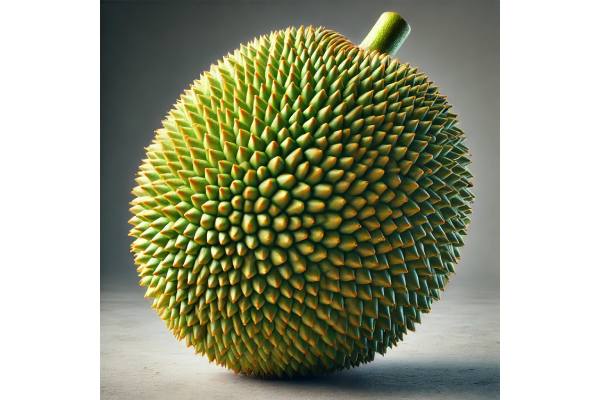
Jackfruit is the world’s largest tree-borne fruit, yet its everyday strengths are surprisingly down-to-earth: a mellow sweetness, a meaty texture when young, and a nutrient mix that supports practical health goals. Ripe jackfruit delivers vitamin C and potassium along with small amounts of B vitamins. Young (unripe) jackfruit, by contrast, is mild and stringy—useful in savory recipes where it absorbs sauces like a sponge. The seeds, often boiled or roasted, add fiber and resistant starch. For home cooks, jackfruit is versatile: shred young jackfruit for tacos or curry, toss ripe bulbs into fruit salads, or simmer seeds with spices for a hearty side. It’s also friendly to special diets: naturally gluten-free, low in fat, and cholesterol-free. As with any fruit, handling matters—choose carefully, store correctly, and be mindful of latex allergy if that applies to you. This guide distills what matters most: the nutrition profile per 100 grams, realistic benefits, risks and interactions, how to buy and store it well, cooking methods that protect nutrients, and sensible portions for everyday eating.
Quick Overview
- Per 100 g, jackfruit provides ~95 kcal, ~450 mg potassium, and ~14 mg vitamin C; young jackfruit is mild and low in fat.
- Possible cross-reactivity with latex; stop eating and seek care if you experience allergy symptoms.
- Typical portion: 1 cup sliced (150–165 g), enjoyed 2–4 times weekly within a varied diet.
- People with advanced kidney disease or those on potassium-sparing medications should limit intake and consult a clinician.
Table of Contents
- Jackfruit: detailed overview
- Jackfruit nutrition profile
- Evidence-based health benefits of jackfruit
- Jackfruit risks, allergies and interactions
- Selecting jackfruit: quality, sustainability and storage
- Preparation, cooking and nutrient retention
- Jackfruit portions, comparisons and FAQs
Jackfruit: detailed overview
Jackfruit (Artocarpus heterophyllus) is a tropical member of the mulberry family that thrives in warm, humid climates across South and Southeast Asia and increasingly in tropical regions worldwide. Each tree can bear dozens of fruits yearly; a single fruit may weigh 10–25 kg (and sometimes more). Despite the epic size, you’ll mostly work with three edible parts:
- Ripe bulbs (arils): Golden, sweet, and aromatic. These are eaten fresh, tossed into fruit salads, or blended into smoothies and desserts. Their texture is firm-chewy, with a flavor often described as a blend of mango, banana, and pineapple.
- Young (unripe) jackfruit flesh: Pale, fibrous, and neutral-tasting. When simmered or braised, it easily shreds, making a plant-based stand-in for pulled or stewed dishes. Because it’s naturally low in fat and protein, the magic comes from sauces and seasonings (and pairing with protein-rich sides).
- Seeds: Smooth, oval seeds are edible once boiled or roasted. They deliver starch, fiber, and a modest amount of protein. Peeled seeds can be curried, sautéed with spices, or mashed and folded into fritters.
Taste and texture vary with ripeness. Young jackfruit is starchy and mild (ideal for savory dishes). As it ripens, sugars rise, the flesh turns deeper yellow, and aroma intensifies. Because the rind exudes sticky white latex, oiling the knife and gloves makes prep easier.
Culinary range. In home kitchens, young jackfruit supports saucy dishes—think tomato-chipotle tacos, coconut-ginger curries, or tamarind stews. Ripe bulbs shine in chilled fruit cups, yogurt bowls, or lightly caramelized in a skillet with lime juice. Seeds, once cooked and peeled, take well to cumin, turmeric, or smoked paprika.
Nutrition basics. Per 100 g of ripe flesh, jackfruit averages about 95 kcal, 23–24 g carbohydrate, ~1.5 g fiber, ~19 g sugars, ~1.7 g protein, and ~0.6 g fat, along with potassium (~450 mg) and vitamin C (~14 mg). Young jackfruit (often sold canned in brine) is lower in sugars but may carry added sodium—always check the label and rinse well.
Who it’s for. Jackfruit suits those seeking more fruit variety, plant-forward cooks wanting texture without soy or gluten, and anyone needing easy sources of vitamin C and potassium. If you have a latex allergy, chronic kidney disease, or need to manage blood sugar closely, read the safety section before trying it.
Jackfruit nutrition profile
All values below are for ripe jackfruit flesh per 100 g edible portion unless noted. Percent Daily Value (%DV) uses current U.S. DVs. Actual content varies by cultivar and ripeness.
Macros and electrolytes (per 100 g)
| Nutrient | Amount | %DV |
|---|---|---|
| Energy | 95 kcal | — |
| Water | 74 g | — |
| Carbohydrate | 23.5 g | 9% |
| Dietary fiber | 1.5 g | 5% |
| Total sugars | 19.1 g | — |
| Protein | 1.7 g | 3% |
| Total fat | 0.6 g | 1% |
| Saturated fat | 0.19 g | 1% |
| Potassium | 448 mg | 10% |
| Sodium | 2 mg | 0% |
Carbohydrates (detail)
| Component | Amount | Notes |
|---|---|---|
| Starch | ~1.5–2.0 g | Higher in young jackfruit than ripe. |
| Sugars (total) | ~19.1 g | Mostly glucose and fructose with small sucrose. |
| Fiber | 1.5 g | Rises modestly if including seed or membrane pieces. |
Fats and fatty acids
| Component | Amount | %DV |
|---|---|---|
| Total fat | 0.6 g | 1% |
| Monounsaturated fat | ~0.13 g | — |
| Polyunsaturated fat | ~0.09 g | — |
| Alpha-linolenic acid (ALA, omega-3) | ~0.08 g | — |
| Linoleic acid (omega-6) | ~0.03 g | — |
Protein and amino acids
Jackfruit flesh provides ~1.7 g protein per 100 g—higher than some fruits, but still modest overall. Seeds contribute additional protein once cooked. Pair jackfruit with legumes, tofu, dairy, eggs, or meat/fish to reach protein goals.
Vitamins (per 100 g)
| Vitamin | Amount | %DV |
|---|---|---|
| Vitamin C (ascorbic acid) | ~13.7 mg | 15% |
| Vitamin B6 (pyridoxine) | ~0.33 mg | 19% |
| Folate (DFE) | ~24 µg | 6% |
| Thiamin (B1) | ~0.10 mg | 9% |
| Riboflavin (B2) | ~0.055 mg | 4% |
| Niacin (B3) | ~0.91 mg | 6% |
| Vitamin A (RAE) | ~5 µg | 1% |
| Vitamin E | ~0.34 mg | 2% |
Minerals (per 100 g)
| Mineral | Amount | %DV |
|---|---|---|
| Potassium | 448 mg | 10% |
| Magnesium | 29 mg | 7% |
| Calcium | 24 mg | 2% |
| Phosphorus | 21 mg | 2% |
| Iron | 0.23 mg | 1% |
| Zinc | 0.13 mg | 1% |
| Copper | 0.08 mg | 9% |
| Manganese | 0.04 mg | 2% |
Bioactives and phytonutrients
| Compound (examples) | Notes |
|---|---|
| Carotenoids (e.g., lutein, zeaxanthin, beta-carotene) | Present in ripe bulbs; amounts vary with cultivar and maturity. |
| Polyphenols | Found in peel, membrane, and seeds; increase with less-refined preparations. |
Allergens and intolerance markers
| Consideration | What to know |
|---|---|
| Latex–fruit cross-reactivity | Individuals with latex allergy have reported reactions to jackfruit. Introduce cautiously or avoid if previously sensitized. |
| FODMAPs | Ripe jackfruit contains free sugars; portions may matter for those with sensitive digestion. |
Anti-nutrients (seeds)
| Factor | Impact | Mitigation |
|---|---|---|
| Tannins, trypsin inhibitors | Can reduce protein digestibility and mineral absorption when raw | Boiling/roasting substantially reduces activity; consume seeds cooked only |
Additives and fortification
- Canned young jackfruit (brine): Often includes sodium and citric acid; occasionally calcium chloride for firmness.
- Flavored or barbeque-style packs: May contain added sugars and significant sodium; check labels.
Glycemic and acid–base metrics (contextual)
| Metric | Value/Range | Notes |
|---|---|---|
| Estimated GI (fresh, ripe) | ~50–75 | Varies by ripeness and testing method. |
| GL per 100 g | ~11–16 | Based on available carbs and GI estimate. |
| PRAL (acid–base) | Alkaline-forming | Fruit generally yields a slightly negative PRAL. |
Notes: DVs are general guides for adults and children ≥4 years. Nutrient values fluctuate by cultivar, ripeness, and preparation. If using canned products, sodium can be substantially higher; rinsing helps.
Evidence-based health benefits of jackfruit
1) Supports everyday immune function and collagen formation. Ripe jackfruit supplies meaningful vitamin C (~15% DV per 100 g). Vitamin C participates in collagen synthesis for skin and connective tissue and supports normal immune cell activity. Eating jackfruit alongside vitamin-C-sensitive foods (cut fruit, leafy greens) helps diversify your intake across the day.
2) Helps maintain healthy blood pressure. Potassium—about 10% DV per 100 g—assists with vascular tone and sodium balance. Within a diet that emphasizes vegetables, legumes, and minimally processed foods, jackfruit contributes to a higher potassium-to-sodium ratio, a pattern associated with healthier blood pressure. For those who must limit potassium, see the safety section for tailored guidance.
3) Adds fiber and bulk while staying light in calories and fat. Even small fiber increments matter when they displace ultra-refined options. Jackfruit’s fiber (plus water) adds volume for relatively few calories, which can help increase meal satisfaction. Young jackfruit is particularly low in sugars and fat, making it a useful vehicle for nutrient-dense sauces and protein-rich sides.
4) Offers carotenoids and polyphenols. Ripe bulbs contain carotenoids such as lutein and beta-carotene, and the seeds/peel house additional polyphenols. In whole-diet patterns rich in colorful plant foods, these compounds contribute to antioxidant capacity. Because carotenoid content varies widely by cultivar and ripeness, think of jackfruit as one colorful option among many rather than a singular “superfood.”
5) Practical upsides for plant-forward cooking. The fibrous strands of young jackfruit deliver “bite” without gluten or soy. That makes it useful for people who need texture but are managing allergens or rotating proteins. The trade-off: very low protein. For balanced meals, combine young jackfruit with beans, lentils, tofu/tempeh, eggs, dairy, fish, or meats—or serve it in a wrap with hummus or a side of bean salad.
6) Seeds worth saving. Cooked jackfruit seeds add starchy bulk plus resistant starch and fiber. In mixed meals, these can help modulate the post-meal rise in glucose compared with a similar carb-only portion. Always cook seeds thoroughly to deactivate anti-nutrients and to improve digestibility.
7) Balanced glycemic impact with mindful portions. Reported glycemic index values for jackfruit vary (roughly low-to-moderate range in most tests). The glycemic load of a typical 100-gram portion remains modest, especially when ripe jackfruit is eaten with protein and fat or when you use young jackfruit in savory, fiber-rich dishes. For those using carbohydrate counting, include jackfruit in your tally based on its carbohydrate content (≈23–24 g per 100 g).
Putting it into practice.
- Add 1 cup ripe jackfruit to a Greek-yogurt bowl with chopped nuts for vitamin C plus protein.
- Braise young jackfruit with onions, garlic, and spices; fold into tacos with black beans for fiber and protein.
- Boil seeds, peel, then pan-toast with mustard seeds and curry leaves as a crunchy side.
Jackfruit risks, allergies and interactions
Latex–fruit cross-reactivity. Jackfruit belongs to the Moraceae family. A subset of people with latex allergy may react to certain fruits; case reports have documented anaphylaxis after jackfruit consumption in latex-sensitized individuals. If you have a known latex allergy—or a history of reactions to latex-associated fruits—avoid jackfruit or seek allergy evaluation before trying it. Never test tolerance without medical supervision if you’ve had severe reactions.
Kidney disease and potassium. Jackfruit provides ~450 mg potassium per 100 g (roughly 740 mg per 1 cup sliced). People with advanced chronic kidney disease, those on dialysis, or anyone instructed to follow a potassium-restricted diet should track portions carefully. Canned young jackfruit (rinsed and drained) is often lower in sugars but not necessarily lower in potassium; when in doubt, ask your renal dietitian for tailored advice.
Blood sugar management. Ripe jackfruit contains natural sugars. In diabetes or prediabetes meal plans, portion size and food pairing matter. Combine ripe jackfruit with protein (yogurt, cottage cheese, nuts) or choose young jackfruit in savory dishes with beans or tofu to moderate the post-meal glucose rise.
Sodium in packaged products. Young jackfruit is commonly sold canned in brine. Rinsing under running water for 15–30 seconds can remove a meaningful amount of surface sodium. Pre-flavored pouches (e.g., barbeque or teriyaki) may be quite high in sodium and added sugars; check labels and choose lower-sodium sauces when cooking at home.
Seed safety and anti-nutrients. Raw jackfruit seeds contain tannins and protease inhibitors that can impair protein digestion. Boiling or roasting denatures these compounds. Always cook seeds thoroughly, peel the outer coats after cooking, and avoid eating them raw.
Food safety basics. Wash the rind before cutting, use a clean cutting board, and refrigerate cut fruit in shallow containers within 2 hours (sooner in hot weather). Discard leftovers with off smells or slime. When prepping extra-large fruit, portion and chill promptly to minimize time in the temperature “danger zone.”
Medication considerations.
- Potassium-sparing agents: If you take spironolactone, eplerenone, triamterene, ACE inhibitors, or ARBs, consult your clinician about potassium intake.
- Allergy therapy: If you’re undergoing evaluation for latex or fruit allergies, mention jackfruit specifically before trialing it.
Who should limit or avoid.
- Individuals with a latex allergy or prior severe reactions to cross-reactive fruits.
- People on potassium-restricted diets unless a clinician provides portion guidance.
- Anyone who experienced prior adverse reactions to jackfruit (e.g., hives, wheeze, throat swelling)—avoid and seek care.
Selecting jackfruit: quality, sustainability and storage
How to choose fresh fruit.
- Young jackfruit (for savory cooking): Skin is green to light green with firm spines; the fruit feels heavy and emits a faint, grassy aroma.
- Ripe jackfruit (for eating fresh): Skin shifts from green to yellow-green, spines flatten slightly, and a fruity aroma becomes noticeable. A gentle press may feel slightly yielding.
- Sound checks: A hollow thump when tapped can indicate ripeness; visible cracks or soft spots signal over-ripeness.
Form matters.
- Whole fresh: Most economical but requests prep know-how and space.
- Pre-cut bulbs: Convenient and typically sold chilled; check that the bulbs look glossy, not dry.
- Canned young jackfruit in brine or water: Ideal for savory dishes; pick “in water” or low-sodium brine when possible.
- Frozen ripe bulbs: Quick to use in smoothies and desserts; quality depends on handling before freezing.
- Seeds: Often a byproduct—save and cook; discard any with cracks, dark spots, or mold.
Sustainability snapshot. Jackfruit trees are prolific in tropical climates, often thriving without intensive inputs. The large fruit yields many edible portions (flesh plus seeds), and using the whole fruit helps minimize waste. Choosing minimally processed forms (fresh, frozen, or canned in water) and cooking at home typically lowers packaging and transport impacts compared with heavily sauced convenience products.
Storage and shelf life.
- Whole fruit: Ripen at room temperature on newspaper or a tray (to catch sticky latex). Once fragrant and slightly yielding, move to the refrigerator to slow further ripening.
- Cut bulbs: Refrigerate promptly in a covered container; enjoy within 3–4 days.
- Young jackfruit (canned): After opening, transfer to a non-metal container with fresh water; refrigerate and use within 3–4 days. Rinse before cooking.
- Seeds: Boil or roast soon after extraction, then refrigerate cooked seeds up to 3–4 days or freeze for a month.
Avoiding common pitfalls.
- Leaving cut fruit at room temperature too long.
- Buying heavily flavored pouches when you need a low-sodium option.
- Expecting young jackfruit to “provide protein”—it does not; plan a protein source alongside.
Budget tips. In regions where fresh jackfruit is pricey, compare cost per edible portion across forms. Canned young jackfruit in water and frozen ripe bulbs are often the best value and reduce prep time.
Preparation, cooking and nutrient retention
Safe, low-mess prep.
- Line your workspace with parchment or newspaper.
- Lightly oil your knife and (optional) gloves to manage sticky latex.
- Halve the fruit, cut into wedges, and remove the core.
- Pop out the yellow bulbs; collect seeds for cooking separately.
- Wash tools with hot, soapy water.
Young jackfruit (savory).
- Rinse and drain canned pieces. For lower sodium, simmer 5–10 minutes in water, drain again, and pat dry.
- Braise to tenderness with aromatics (onion, garlic, ginger), spices, and a modest amount of oil. Shred with forks.
- Layer flavor intentionally: acidity (lime, vinegar), umami (miso, soy sauce, fish sauce or tamari), and a touch of sweetness (tomato paste, date paste) create depth without relying on excess salt.
- Serving ideas: taco fillings, vindaloo-style stews, satay-inspired skewers, or Mediterranean tomato-olive braises.
Ripe jackfruit (sweet or fresh).
- Eat chilled as a snack or dessert topping.
- Caramelize quickly in a skillet with a squeeze of citrus.
- Blend into smoothies with yogurt or kefir for protein, or freeze bulbs for a “nice cream” texture when blended.
Seeds (always cook).
- Boil 20–30 minutes until tender; drain, cool, and peel the papery coats.
- Roast at 200°C (392°F) for 20–25 minutes, tossing once; finish with olive oil, salt, and spices.
- Mash and season into spreads or fold into stir-fries for texture.
Protecting nutrients.
- Vitamin C: Minimize cut-to-serve time and avoid prolonged high heat to preserve vitamin C in ripe bulbs.
- Minerals and fiber: Largely heat-stable; rinsing canned jackfruit reduces sodium with minimal nutrient loss.
- Carotenoids: Absorption improves with a little dietary fat. Add a spoon of olive oil, tahini, or coconut milk to jackfruit dishes.
Food safety pointers.
- Chill cut fruit quickly; store in shallow containers to reduce time in the temperature danger zone.
- Use clean cutting boards and knives; wash hands before and after handling.
- Discard any fruit that smells fermented (unless intentionally fermented) or shows signs of spoilage.
Flavor pairings that work.
- Savory: cumin, coriander, turmeric, smoked paprika, soy sauce/tamari, coconut milk, lime, cilantro.
- Sweet: vanilla, cardamom, lime zest, toasted coconut, chopped nuts.
Jackfruit portions, comparisons and FAQs
Practical portions.
- Ripe jackfruit: 1 cup sliced (150–165 g) as a snack or dessert component. Provides ~157 kcal, ~38 g carbohydrate, and ~740 mg potassium.
- Young jackfruit (savory): ¾–1 cup drained as a base in saucy dishes; add a clear protein source on the side or in the sauce.
- Seeds: ½ cup cooked as a side or mixed into curries or salads.
How does jackfruit compare to other fruit staples (per 100 g)?
- Calories: Jackfruit (~95) is a bit higher than mango (~60–70) and similar to banana (~89).
- Potassium: Jackfruit (~450 mg) rivals banana (~360 mg) and beats mango (~160 mg).
- Vitamin C: Jackfruit (~14 mg) is moderate; citrus, guava, and kiwi deliver much more per serving.
- Fiber: Jackfruit (~1.5 g) is modest; berries and pears provide notably more.
- Protein: At ~1.7 g, jackfruit is high for a fruit but low versus legumes or dairy.
Can jackfruit replace meat nutritionally?
Not on protein alone. Young jackfruit matches meat’s shreddable texture but provides very little protein. Treat it as a flavorful base and add beans, tofu/tempeh, eggs, dairy, or meats to meet protein targets.
Is jackfruit “low glycemic”?
Reported GI values vary by cultivar, ripeness, and testing protocol. Most fresh fruit servings yield a modest glycemic load, especially when eaten with protein, fat, and fiber. If you monitor carbohydrates, count jackfruit like you would other fruit and consider pairings.
Are the seeds safe to eat?
Yes—once cooked and peeled. They contain tannins and protease inhibitors when raw; boiling or roasting deactivates these compounds and improves digestibility.
How do I minimize waste with a very large fruit?
Portion bulbs and seeds into meal-sized containers and refrigerate promptly; freeze extras. Use scraps thoughtfully: membranes can add body to long-simmered stocks (strain before serving), though they’re not typically eaten.
Who should limit jackfruit?
People with latex allergy, those on potassium-restricted diets, and anyone advised to limit high-potassium foods. If you’re unsure, bring this article to your clinician or dietitian and discuss how jackfruit might fit your plan.
References
- International tables of glycemic index and glycemic load values 2021: a systematic review 2021 (Systematic Review)
- Nutritional and Health Benefits of Jackfruit (Artocarpus heterophyllus Lam.): A Review 2019 (Review)
- Jackfruit Anaphylaxis in a Latex Allergic Non-Healthcare Worker 2021 (Case Report)
- Daily Value on the Nutrition and Supplement Facts Labels 2024 (Guideline)
- Preventing Listeria Infection 2025 (Guidance)
Disclaimer
This guide is educational and does not replace personalized medical advice. Nutrition needs and safety considerations vary based on health conditions, medications, allergies, and lab results. Always consult a qualified healthcare professional or registered dietitian before making significant changes to your diet, especially if you have kidney disease, a latex allergy, diabetes, or other medical concerns.
If you found this article useful, please consider sharing it on Facebook, X, or your preferred platform to help others and support our work. Thank you.