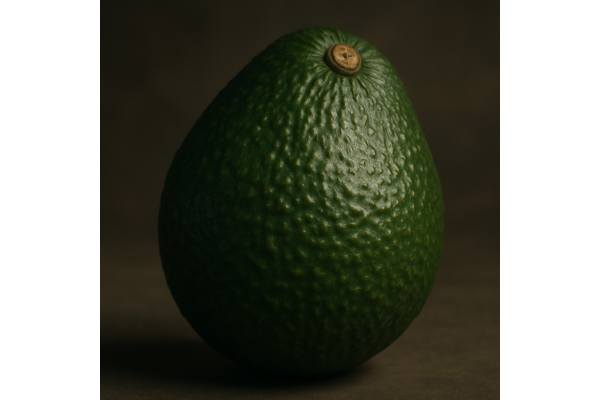
Creamy, nutty, and endlessly versatile, avocados deliver a rare combination in the fruit world: abundant heart-friendly monounsaturated fat, meaningful fiber, and a portfolio of micronutrients and bioactives packaged in a naturally low-sugar, low-sodium food. A ripe avocado spreads like butter, blends into smoothies for a dairy-free silkiness, and anchors salads, tacos, and grain bowls with satisfying heft. Cooks use it as a base for dressings and dips, a stand-in for part of the butter in baking, and a garnish that turns simple eggs or toast into a complete meal. Nutritionally, one of avocado’s biggest advantages is what it replaces: when you swap it for refined carbohydrates or saturated fats, you gain fiber and monounsaturated fat along with potassium, folate, vitamin E, vitamin K, and carotenoids like lutein. That pattern supports cholesterol management, steady energy, and satiety. This guide distills what health professionals look for: a clear nutrition profile per 100 g, realistic benefits grounded in food-as-eaten research, practical buying and storage advice, safety notes such as latex–fruit cross-reactivity and potassium considerations, and preparation methods that keep the flesh green and the texture plush.
Key Takeaways
- Per 100 g, avocado provides ~160 kcal, ~14.7 g fat (mostly monounsaturated), and ~6.7 g fiber for steady energy and satiety.
- Typical serving: 50 g (about one third of a medium fruit), enjoyed daily or several times per week as part of a balanced pattern.
- Safety note: raw avocado can trigger latex–fruit cross-reactions in sensitized individuals; monitor symptoms and consider cooked or peeled forms.
- People with advanced kidney disease or those on potassium-restricted diets should review portions, especially when eating avocado frequently.
Table of Contents
- Avocado Overview: Variety, Taste, and Uses
- Avocado Nutrition Profile (per 100 g)
- Evidence-Based Avocado Benefits
- Avocado Risks, Allergies and Interactions
- Selecting Avocado: Quality, Sustainability and Storage
- Avocado Preparation, Cooking and Nutrient Retention
- Avocado Portions, Comparisons and FAQs
Avocado Overview: Variety, Taste, and Uses
Avocados (Persea americana) are unique among fruits: they are energy-dense not from sugars but from predominantly monounsaturated fat, chiefly oleic acid. The most common market variety is Hass, prized for a pebbled skin that darkens as it ripens and flesh that turns from firm to custardy. Other cultivars—Fuerte, Reed, Bacon, Zutano, Pinkerton—differ in size, oil content, and seasonality. Reed tends to be large with a thick, glossy skin; Fuerte skews slightly lower in oil and is often earlier in season. Most commercial avocados are harvested mature but firm, ripen off the tree, and arrive at stores ready to finish ripening on your counter.
Culinarily, avocado’s value is threefold. First, its texture: ripe flesh purées into a velvet base for green goddess dressings, soups, and smoothie bowls; diced, it adds cool richness that balances spicy tacos, citrusy ceviches, or grain salads. Second, its flavor: mild, nutty, and buttery, with a clean finish that supports both savory and lightly sweet applications. Third, its function: the blend of water, fat, and fiber emulsifies sauces naturally, and in baking you can often replace 25–50 percent of butter with mashed avocado to cut saturated fat while keeping moisture.
Traditional and modern kitchens use avocado widely:
- Breakfasts: smashed on whole-grain toast with lemon and chili; folded into omelets; blended into yogurt for a quick dip.
- Lunches: sliced into sandwiches and bowls; stirred into tuna or chickpea salad in place of some mayonnaise.
- Dinners: tucked beside grilled fish or beans; puréed with herbs and citrus over roasted vegetables; turned into a quick pesto with basil, garlic, and pistachios.
- Desserts and snacks: chocolate–avocado mousse, avocado–lime semifreddo, or simply cubes with fruit and a squeeze of lime.
Unlike many fruits, avocado pairs beautifully with strong flavors: smoked paprika, cumin, sesame, citrus peel, miso, and chilies all meet it halfway. Its fat also enhances carotenoid absorption from other vegetables—think tomato, carrot, and leafy greens—making avocado a worthy partner in salads and salsas.
From a practical standpoint, the fruit ripens predictably. Stored at room temperature, firm avocados soften over two to five days. A gentle yield to thumb pressure at the stem end signals readiness. If you need more time, refrigeration slows ripening; if you need less, a paper bag with a banana or apple concentrates ethylene and speeds softening. Once cut, avocado browns as polyphenol oxidase reacts with oxygen; limiting air exposure and adding acidity keep it greener (see Section 6).
Avocado Nutrition Profile (per 100 g)
Values below reflect raw, unfortified avocado flesh (edible portion). Percent Daily Values (%DV) use current adult reference intakes.
Macros and Electrolytes (per 100 g)
| Nutrient | Amount | %DV |
|---|---|---|
| Energy | 160 kcal | — |
| Water | ~73 g | — |
| Protein | 2.0 g | 4% |
| Total Fat | 14.7 g | 19% |
| Saturated Fat | 2.1 g | 11% |
| Monounsaturated Fat | ~9.8 g | — |
| Polyunsaturated Fat | ~1.8 g | — |
| Carbohydrate | 8.5 g | 3% |
| Dietary Fiber | 6.7 g | 24% |
| Total Sugars | 0.7 g | — |
| Sodium | ~7 mg | 0% |
| Potassium | ~485 mg | 10% |
Carbohydrates (per 100 g)
| Component | Amount | Notes |
|---|---|---|
| Starch | ~0.4 g | Minimal |
| Sugars | ~0.7 g | Mostly glucose, fructose, trace sucrose |
| Fiber | 6.7 g | Mix of soluble and insoluble fibers |
Fats and Fatty Acids (per 100 g)
| Fatty Acid | Amount | Notes |
|---|---|---|
| Oleic acid (omega-9) | ~9.3–9.8 g | Predominant monounsaturated fat |
| Linoleic acid (omega-6) | ~1.6–1.7 g | Essential fatty acid |
| Alpha-linolenic acid (omega-3) | ~0.1 g | Trace |
Vitamins (per 100 g)
| Vitamin | Amount | %DV |
|---|---|---|
| Vitamin K (phylloquinone) | ~21 µg | 18% |
| Folate (DFE) | ~81 µg | 20% |
| Vitamin E (alpha-tocopherol) | ~2.1 mg | 14% |
| Vitamin C (ascorbic acid) | ~10 mg | 11% |
| Vitamin B5 (pantothenic acid) | ~1.4 mg | 28% |
| Vitamin B6 (pyridoxine) | ~0.26 mg | 15% |
| Niacin (B3) | ~1.7 mg | 11% |
| Riboflavin (B2) | ~0.13 mg | 10% |
| Thiamin (B1) | ~0.07 mg | 6% |
| Vitamin A (RAE) | ~7 µg | 1% |
Minerals (per 100 g)
| Mineral | Amount | %DV |
|---|---|---|
| Magnesium | ~29 mg | 7% |
| Phosphorus | ~52 mg | 4% |
| Calcium | ~12 mg | 1% |
| Iron | ~0.6 mg | 3% |
| Zinc | ~0.6 mg | 6% |
| Copper | ~0.19 mg | 21% |
| Manganese | ~0.14 mg | 6% |
Bioactives and Phytonutrients
| Compound/Class | Typical Amount or Presence | Notes |
|---|---|---|
| Lutein and zeaxanthin | ~250–300 µg | Carotenoids linked to eye health |
| Phytosterols (beta-sitosterol) | ~70–80 mg | Support LDL-lowering when paired with high-fiber patterns |
| Phenolics | Present | Small amounts; contribute to browning reactions |
Allergens and Intolerance Markers
- Latex–fruit cross-reactivity: possible oral or systemic symptoms in latex-sensitized individuals.
- FODMAPs: small servings are typically well tolerated; larger portions can contribute polyols for some.
Glycemic and Acid–Base Metrics
- Glycemic index: very low, given minimal sugars and high fiber.
- Glycemic load (per 100 g): very low; real-world response depends on meal context.
Footnote: Nutrient levels vary by cultivar, growing region, and ripeness. Avocado is unfortified by default; flavored or processed products (spreads, dips) may include salt, acids, or stabilizers—check labels.
Evidence-Based Avocado Benefits
Heart-smart fat in a food matrix
The standout feature of avocado is its monounsaturated fat, primarily oleic acid, packaged with fiber, potassium, and phytosterols. When avocados replace foods rich in saturated fat or refined carbohydrates, studies report modest reductions in LDL cholesterol and improvements in certain vascular markers. Mechanistically, monounsaturated fat supports favorable lipid profiles, while soluble fiber and phytosterols help reduce intestinal cholesterol absorption and increase fecal sterol loss. The practical takeaway is not to “add” avocado to an already calorie-rich pattern but to swap it for butter, creamy dressings, or refined starches.
Satiety and weight management
Avocados are calorie-dense, yet their fiber and water help you feel full, and their fat slows gastric emptying. In meal studies, adding avocado to mixed dishes can reduce hunger and snack cravings later, particularly when it displaces lower-fiber sides. For everyday habits, one simple approach is pairing a 50 g portion with protein and high-fiber vegetables—a sliced avocado quarter on a bean and vegetable bowl, or a few cubes with eggs and greens.
Glycemic friendliness
Because avocado is low in digestible carbohydrate, it has a low glycemic response. Adding avocado to carbohydrate-containing meals often flattens post-meal glucose compared with the same meal without avocado fat and fiber, especially when the avocado displaces refined starches or sugary dressings. For people managing blood glucose, the pattern that matters is the overall meal composition and portion size; avocado can play a helpful role within that context.
Blood pressure and potassium
A 100 g serving provides roughly 485 mg potassium with minimal sodium, supporting a diet pattern aligned with healthy blood pressure. While bananas and potatoes are well-known potassium sources, avocado is a good option for those who prefer lower-sugar fruit and higher-fat satiety.
Folate, vitamin E, and vitamin K
Avocado supplies folate for red blood cell formation and pregnancy support, vitamin E as a fat-soluble antioxidant, and vitamin K for normal blood clotting. For those on anticoagulants, consistent intake—not avoidance—is the key (see Section 4).
Eye health from carotenoids
Avocados contain lutein and zeaxanthin, pigments associated with macular health. The fruit’s own fat aids absorption of these compounds—both from avocado and from carotenoid-rich foods you eat with it (e.g., tomatoes, carrots, greens).
Gut support through fiber
With about 6.7 g fiber per 100 g, avocado contributes both soluble and insoluble fibers that feed beneficial gut microbes and add stool bulk. Many people fall short of the 28 g daily fiber target; using avocado to replace lower-fiber fats helps close the gap.
Everyday practicality
Beyond nutrients, avocado is practical: it is portable when uncut, ripens reliably at room temperature, and adapts to cuisines from Mediterranean to Mexican, Persian, and Japanese. That means you are more likely to eat it often enough for benefits to accrue. Think of avocado as a building block—not a cure-all—that improves meals when it replaces less desirable fats and refined items.
Avocado Risks, Allergies and Interactions
Latex–fruit cross-reactivity
People with latex allergy sometimes react to certain fruits, including avocado. Symptoms can range from oral itching to hives, wheeze, or rarely anaphylaxis. If you suspect this latex–fruit syndrome, discuss evaluation with an allergist. Practical steps in the meantime: avoid raw avocado, try cooked preparations (heat can denature some proteins), or consider peeled servings if your reactions are mild and localized. Always follow your personalized medical plan if you carry epinephrine.
Potassium and medical conditions
Avocado’s potassium is beneficial for most, but those with advanced chronic kidney disease or on medications that raise potassium may need portion control. If you have a potassium-restricted plan, discuss serving frequency with your clinician or dietitian. Similarly, very high-fat meals may be restricted after pancreatitis—get individualized guidance.
Warfarin and vitamin K
Avocado contains vitamin K. You do not need to avoid it on warfarin, but keep intake consistent so your dosing remains stable. Large, sporadic swings in vitamin K intake—not steady daily portions—are what complicate anticoagulation.
FODMAP and tolerance
Avocado is generally well tolerated in small to moderate portions. Larger servings can contribute polyols, which may bother people with IBS or fructose–polyol malabsorption. Start with 30–50 g and assess your response, especially if you are in the early phase of a low-FODMAP approach.
Calorie density and portion awareness
Because avocado is energy-dense, portions matter if you are aiming for weight loss. Replacing, not layering, is the strategy—swap avocado for foods like cheese spreads, mayonnaise, or butter to keep energy in check while improving fat quality and fiber.
Food safety and handling
Wash the skin before cutting so your knife does not transfer surface microbes into the flesh. Use a stable cutting board, and avoid the common “avocado hand” injury by placing the fruit on the board, cutting around the pit, twisting halves apart, and removing the pit with a spoon or by tapping it gently with the heel of a knife laid flat (not stabbing). Refrigerate cut avocado promptly and use within 24–48 hours for best quality.
Pets and household safety
While the edible flesh is safe for humans, avocado leaves, bark, and pits contain persin, which can be harmful to birds and some animals. Keep trimmings out of pet access and compost responsibly.
Who should take extra care
- Individuals with known latex allergy or prior reactions to avocado.
- Those with kidney disease or on potassium-altering drugs.
- Anyone on warfarin who does not yet have a consistent vitamin K intake pattern.
- People with IBS or polyol sensitivity, especially at larger portions.
Selecting Avocado: Quality, Sustainability and Storage
Choosing a good avocado
- Color and feel (Hass): look for skin that shifts from green to nearly black as it ripens. Press gently at the stem end; ripe fruit yields slightly without leaving deep dents.
- Shoulders and stem check: the area around the stem should be level, not sunken or cracked. If the tiny stem nub pops off to reveal bright green underneath, the fruit is likely just right; brown indicates overripe flesh.
- Other cultivars: Reed remains green even when ripe; gauge ripeness by gentle give rather than color.
Sustainability snapshot
Avocados require water and are often grown in regions facing drought pressure. Some producing areas also face deforestation and biodiversity concerns. As a consumer, you can support better practices by choosing growers or brands that communicate water stewardship, soil health, and habitat initiatives, favoring in-season fruit, and storing avocados well to avoid waste. Using the whole edible portion—including scraping the greenest layer just under the skin—maximizes your nutritional return per fruit.
Storage and ripening
- To ripen: keep firm avocados at room temperature away from heat and sun. For faster softening, place with an apple or banana in a paper bag to concentrate ethylene.
- To pause ripening: refrigerate firm avocados for a day or two, then bring back to room temperature to resume.
- Once ripe: whole avocados keep in the fridge for 2–5 days depending on variety and starting ripeness.
- Cut fruit: minimize air contact. Press plastic wrap directly against the cut surface, or store in a small airtight container with a squeeze of lemon or lime. A thin film of olive oil over the surface also reduces browning. Using the pit does not stop browning, but it reduces the exposed area.
Quality troubleshooting
- Stringy flesh: more common in late season or after cold stress; safe to eat.
- Brown spots: often from bruising or oxidation; trim away if limited.
- Water submersion hacks: prolonged soaking can reduce browning but may raise food safety concerns; prioritize methods that limit air exposure and add acid instead.
Cost and planning
Buy a mix of ripeness stages: a couple ready to eat, a few firm for later in the week. If you have surplus ripe avocados, mash with lemon and freeze in small bags for guacamole or smoothies. For meal prep, assemble bowls and salads with avocado added shortly before eating to maintain texture.
Avocado Preparation, Cooking and Nutrient Retention
Safe cutting, step by step
- Wash the fruit and dry it. 2) Place on a cutting board and slice lengthwise around the pit. 3) Twist halves to separate. 4) Remove the pit with a spoon or by gently tapping it with the heel of a knife laid flat, then lift away. 5) Score the flesh in the skin and scoop with a spoon, or peel to keep the dark green outer layer intact—this layer is richest in carotenoids.
Keeping it green
Browning is an enzymatic reaction. Limit oxygen, keep it cool, and add acid: lime, lemon, or even a splash of vinegar. For spreads, press parchment or plastic directly onto the surface. For diced avocado in salads, dress it early with citrus or vinaigrette so the coating shields it from air.
Cooking without losing character
Avocado is heat-tolerant to a point. Gentle warming preserves texture, but prolonged high heat can turn it mushy and increase bitterness. Smart uses:
- Grill or sear halves for 1–2 minutes to char the surface, then fill with salsa.
- Stir into warm dishes off heat (grain bowls, soups) to protect texture.
- Bake into goods by swapping 25–50 percent of butter with mashed avocado; this maintains moisture and lowers saturated fat.
- Blend into sauces (herb–avocado pesto, tahini–avocado dressing) to create stable emulsions without heavy cream.
Avocado oil basics
Refined avocado oil has a relatively high smoke point, suitable for sautéing and roasting; extra-virgin versions are best for dressings, finishing, and low to medium heat. As with olive oil, flavor and smoke point vary by brand and refinement. Store oils in a cool, dark place and use within a few months of opening for best flavor.
Pairings that work hard
- For carotenoid synergy: combine with tomatoes, carrots, or leafy greens; the fat in avocado enhances absorption.
- For satiety: pair with protein (eggs, beans, fish, tofu) and high-fiber vegetables.
- For contrast: balance richness with acids (citrus, vinegar), heat (chilies), and crunch (nuts, seeds).
Meal ideas that take minutes
- Avocado, tomato, and chickpea salad with lemon and herbs.
- Yogurt–avocado green goddess dip with crudités.
- Charred avocado halves with corn and black bean salsa.
- Whole-grain toast topped with smashed avocado, radish, and soft-boiled egg.
Food safety notes
Use clean knives and boards. Refrigerate cut avocado promptly and consume within 24–48 hours. If off-odors or fermentation appear, discard.
Avocado Portions, Comparisons and FAQs
Portions and frequency
- Standard nutrition serving: 50 g (about one third of a medium Hass), which provides roughly 80 kcal, ~7 g fat (mostly monounsaturated), and ~3.3 g fiber.
- Everyday use: 50–100 g per meal works for many adults, especially if avocado replaces butter, creamy dressings, or refined sides.
- Athletes or higher-energy needs: 100–150 g can fit comfortably when matched to training and total daily energy.
Comparisons that help you choose
- Avocado vs olive oil: both deliver monounsaturated fat. Avocado adds fiber, folate, potassium, and chewable bulk for satiety; olive oil concentrates calories in a small volume and excels for cooking and dressings.
- Avocado vs nuts: nuts offer more protein and minerals per calorie; avocado gives water, fiber, and freshness, and is easier to spread across savory meals.
- Avocado vs banana (potassium): per 100 g, avocado and banana both supply meaningful potassium; avocado does so with far less sugar and with fat that slows digestion.
Frequently asked questions
- Is the pit edible or useful?
Do not eat the pit. It is hard, a choking hazard, and adds no culinary advantage. Compost it or discard safely. - Why are there brown strings in some avocados?
Strings can appear from cultivar traits or late-season stress. They are safe; remove if they affect texture. - Can I freeze avocado?
Yes. Mash with lemon juice and freeze flat in small bags for guacamole or smoothies. Texture softens on thawing, so it is best for purées. - Is avocado good for a low-carb or Mediterranean pattern?
Yes. Its fat and fiber align with Mediterranean-style diets and can fit low-carb patterns when portions are matched to goals. - Is avocado low-FODMAP?
Smaller portions (about 30–50 g) are typically better tolerated. Larger servings can contribute polyols that bother some people. - How many avocados per week is reasonable?
For most adults, one half to one whole avocado most days can fit within a balanced diet if it replaces less desirable fats or refined sides and if total energy needs allow. - How do I know it is ripe?
Gentle pressure near the stem end should yield slightly. If it dents deeply or feels watery, it is overripe. If it is rock-hard, let it sit at room temperature for a day or two.
Bottom line
Avocado is a flexible, nutrient-dense way to improve the quality of your fats and the fiber in your meals. Treat it as a swap for less healthful choices, keep portions aligned with your energy needs, and enjoy it across cuisines and temperatures.
References
- FoodData Central 2025 (Database)
- Dietary Guidelines for Americans, 2020–2025 2020 (Guideline)
- Dietary Fats and Cardiovascular Disease: A Presidential Advisory From the American Heart Association 2017 (Guideline)
- Avocado Consumption and Cardiometabolic Risk Factors: A Systematic Review and Meta-Analysis 2019 (Systematic Review)
- The Effects of Avocado Intake on Weight, Glycemia, and Lipids: A Randomized Controlled Trial 2018 (RCT)
Disclaimer
The information in this article is educational and does not replace personalized medical advice, diagnosis, or treatment. If you have food allergies, kidney disease, digestive conditions, or take prescription medications (including anticoagulants), discuss avocado portions and frequency with a qualified healthcare professional. Seek medical care promptly if you experience symptoms of an allergic reaction or severe digestive distress.
If this guide was helpful, please consider sharing it with friends or on your preferred platforms (Facebook, X, or others). Your support helps us continue producing balanced, evidence-informed resources.