Young, mild, and remarkably versatile, veal sits in a unique spot between poultry and beef. It delivers concentrated, high-quality protein with very little carbohydrate, a generous spread of B-vitamins (notably niacin, B6, and B12), and useful amounts of zinc, selenium, and phosphorus. Cooks prize veal for its fine texture and clean, delicate flavor that plays well with bright herbs, citrus, wine, and gentle braises. From quick-cooking cutlets and chops to slow-comforting osso buco and stews, veal adapts to weeknight meals and elegant menus alike.
If you have only tried one style—say, thin cutlets—there is more to explore. “Milk-fed” or pale veal tends to be lean and delicate; “rose veal” is darker, slightly more robust, and still tender, especially when sautéed or roasted to a blush. Buying thoughtfully—looking for humane housing, clear provenance, and well-handled meat—helps align nutrition, flavor, and values. Below, you will find a practical guide to veal’s nutrition, evidence-based benefits, safe handling, and kitchen know-how, with cooking tips to keep nutrients intact and flavor vivid.
Quick Overview
- Lean veal provides ~30–37 g protein per 100 g cooked with meaningful B12, niacin, zinc, and selenium.
- Cook whole-cut veal to 145°F (63°C) with a 3-minute rest; cook ground veal to 160°F (71°C).
- A typical serving is 85–115 g cooked (3–4 oz), enjoyed 1–2 times per week within a varied diet.
- High-risk groups (pregnancy, older adults, immunocompromised) should avoid undercooked veal and reheat deli meats to steaming hot.
Table of Contents
- Veal Basics: Cuts and Uses
- Veal Nutrition Profile (Per 100 g)
- Evidence-Based Health Benefits
- Risks, Allergies and Interactions
- Selecting, Quality, Sustainability and Storage
- Preparation, Cooking and Nutrient Retention
- Portions, Comparisons and FAQs
Veal Basics: Cuts and Uses
Veal is meat from young cattle and is valued for its tenderness, fine grain, and mild flavor. Two common styles appear in markets:
- Milk-fed (pale) veal: very light color, subtle flavor, typically lean and quick-cooking.
- Rose veal (grain-fed): a deeper rosy hue with slightly more myoglobin and a fuller, still delicate taste.
Popular cuts and how to use them
- Cutlets/Scaloppine (leg/top round): Thin, even slices ideal for fast sautéing. Classic dishes include piccata (lemon, capers), marsala (fortified wine, mushrooms), and milanese (lightly breaded, pan-fried).
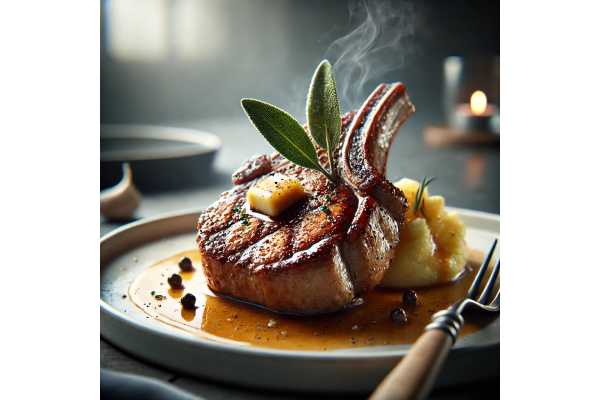
- Chops (loin/rib): Tender, juicy, perfect for pan-searing or grilling. A quick brine or dry rub keeps them succulent.
- Osso buco (shank cross-cut): Gelatin-rich and flavorful; braise gently with aromatics, tomatoes, and stock until spoon-tender.
- Shoulder and breast: Excellent for slow braises, roulades, or stuffing; they reward patient, moist-heat techniques.
- Ground veal: Blends beautifully into meatballs, meatloaf, and burgers, bringing tenderness without greasiness.
- Offal (liver, kidneys, sweetbreads): Distinctive textures and flavors; best when fresh, trimmed, and cooked with care.
Flavor partners
Veal’s mild profile shines with lemon zest, parsley, sage, thyme, rosemary, capers, anchovy, garlic, shallot, white wine, dry marsala, light stocks, and olive oil or cultured butter. For sauces, think pan reductions finished with lemon and herbs, or gentle cream sauces where the dairy supports rather than masks the meat.
What to expect in the pan
Veal cooks quickly. Whole cuts are at their best medium-rare to medium (145°F/63°C with a 3-minute rest) to preserve tenderness and juiciness. Ground veal requires a full 160°F/71°C for safety. As with beef, carryover heat continues to cook meat after you remove it from the heat, so plan to stop a few degrees early and rest.
When to choose veal
- You want high protein with modest fat and no carbohydrates.
- You need a neutral canvas for bright Mediterranean flavors.
- You prefer quick cooking on busy nights, yet want the option to slow-braise for weekend meals.
Veal Nutrition Profile (Per 100 g)
Below are representative values per 100 g for two widely used forms. Actual numbers vary by cut, trimming, and cooking method. Use these as practical benchmarks.
Macros & Electrolytes — Cooked veal leg (top round), lean only, braised (per 100 g)
| Nutrient | Amount | %DV |
|---|---|---|
| Energy | 203 kcal | 10% |
| Protein | 36.7 g | 73% |
| Total fat | 5.1 g | 7% |
| Saturated fat | 1.9 g | 10% |
| Carbohydrate | 0 g | 0% |
| Cholesterol | 135 mg | 45% |
| Sodium | 67 mg | 3% |
| Potassium | 387 mg | 8% |
| Phosphorus | 252 mg | 20% |
| Magnesium | 30 mg | 7% |
Vitamins — Cooked veal leg (top round), lean only, braised (per 100 g)
| Vitamin | Amount | %DV |
|---|---|---|
| Thiamin (B1) | 0.06 mg | 5% |
| Riboflavin (B2) | 0.36 mg | 28% |
| Niacin (B3) | 10.7 mg | 67% |
| Pantothenic acid (B5) | 1.0 mg | 21% |
| Vitamin B6 | 0.37 mg | 22% |
| Folate (DFE) | 18 µg | 5% |
| Vitamin B12 | 1.2 µg | 50% |
| Vitamin E | 0.5 mg | 3% |
Minerals — Cooked veal leg (top round), lean only, braised (per 100 g)
| Mineral | Amount | %DV |
|---|---|---|
| Zinc | 4.0 mg | 37% |
| Selenium | 15.6 µg | 28% |
| Iron | 1.3 mg | 7% |
| Calcium | 9 mg | 1% |
Fats & Fatty Acids — Cooked veal leg (per 100 g)
| Fatty Acids | Amount |
|---|---|
| Monounsaturated fat | 1.84 g |
| Polyunsaturated fat | 0.41 g |
| Omega-3 (total) | 0.03 g |
| Omega-6 (total) | 0.30 g |
Macros & Key Micronutrients — Raw ground veal (per 100 g)
| Nutrient | Amount | %DV |
|---|---|---|
| Energy | 197 kcal | 10% |
| Protein | 18.6 g | 37% |
| Total fat | 13.1 g | 17% |
| Saturated fat | 5.1 g | 26% |
| Carbohydrate | 0 g | 0% |
| Cholesterol | 49 mg | 16% |
| Sodium | 103 mg | 4% |
| Potassium | 198 mg | 4% |
| Phosphorus | 197 mg | 16% |
| Zinc | ~2.5 mg | 23% |
| Selenium | ~13 µg | 24% |
| Iron | 1.4 mg | 8% |
| Vitamin B6 | ~0.45 mg | 26% |
| Niacin (B3) | ~5.5 mg | 34% |
| Vitamin B12 | ~2.3 µg | 96% |
| Vitamin D | ~1.3 µg | 7% |
| Choline | ~97 mg | — |
Notes on interpretation
- Protein quality: Veal provides a complete amino acid profile with adequate leucine, lysine, and methionine to support muscle protein synthesis.
- Electrolytes: Potassium outnumbers sodium in lean cuts, aligning with blood-pressure-friendly patterns when overall diet is balanced.
- Fat profile: Veal is relatively lean in whole cuts; fat rises in ground mixtures depending on the fat percentage selected.
- Carbs and fiber: Like other meats, veal contains virtually no carbohydrate or fiber.
Evidence-Based Health Benefits
1) High-quality protein for muscle and recovery
Veal’s protein is rich in essential amino acids and highly digestible, supporting muscle maintenance, strength, and recovery—especially in active individuals and older adults who benefit from hitting a per-meal leucine threshold. In practice, 100 g cooked lean veal contributes well over half of a typical 25–30 g protein target at a meal.
2) B-vitamin support for energy metabolism
Niacin (B3) and vitamin B6 aid carbohydrate and fat metabolism, while B12 supports red blood cell formation and neurological function. Veal provides meaningful amounts of all three, making it a useful option for people with higher demands, such as those increasing training volume or recovering from illness.
3) Micronutrients for immunity and thyroid health
Zinc and selenium—both present in practical amounts—help maintain immune defenses and antioxidant enzymes. Selenium is also involved in thyroid hormone metabolism via selenoproteins. A standard serving can contribute a notable share of the daily need without excessive calories.
4) Weight-management friendly when lean and well-portioned
Lean veal offers high satiety per calorie due to its protein density and low carbohydrate content. When cooked with modest added fat and paired with vegetables and whole grains, it fits well in calorie-controlled or higher-protein dietary patterns.
5) Blood sugar friendliness
With virtually no carbohydrate, veal does not meaningfully raise post-meal glucose on its own. In mixed meals, prioritizing lean cuts and non-starchy sides can help keep post-meal glycemic responses stable, especially for people monitoring glucose.
6) Culinary versatility encourages balanced meals
Because veal is mild, it pairs naturally with herbs, citrus, tomatoes, and leafy greens—ingredients that add potassium, vitamin C, and polyphenols—supporting an overall nutrient-forward plate.
How to get benefits in real life
- Choose lean whole-cut veal most often; enjoy ground veal occasionally or select leaner grinds.
- Aim for 3–4 oz (85–115 g) cooked per meal; pair with fibrous vegetables and whole grains to round out micronutrients and fiber.
- Use gentle, moist heat for collagen-rich cuts (shank, shoulder) to extract gelatin and minimize charring, and quick sauté for cutlets to avoid overcooking.
Risks, Allergies and Interactions
Undercooking and foodborne illness
As with all meats, undercooked veal may harbor pathogens. Keep raw and ready-to-eat foods strictly separate, wash hands and equipment, and use a thermometer: 145°F (63°C) + 3-minute rest for whole cuts, 160°F (71°C) for ground veal, and 165°F (74°C) for leftovers and casseroles. These temperatures are designed to reduce risk reliably when measured at the thickest part.
Pregnancy, older adults, and immunocompromised individuals
High-risk groups should avoid undercooked veal and reheat deli meats to steaming hot (165°F/74°C) before eating. If you like chilled sandwiches, heat the meat first, then let it cool. This practice reduces Listeria risk while preserving convenience.
Allergy/intolerance
True beef/veal allergy is uncommon but possible; symptoms include urticaria, wheezing, or anaphylaxis. People with dairy allergy are not automatically reactive to veal; however, cross-contact in facilities that process both should be considered if you are highly sensitive. Anyone with a suspected meat allergy should seek evaluation from an allergist.
Cholesterol and saturated fat
Lean whole-cut veal is relatively low in saturated fat, but ground veal can vary widely by fat content. People managing LDL-cholesterol should favor lean cuts, trim visible fat, and opt for cooking methods that allow fat to render and drain (racks, broiling, roasting on a rack).
Purines and gout
Like other meats, veal contains purines. Individuals with gout or hyperuricemia should moderate portions, space intake across the week, and maintain hydration; your clinician may suggest additional limits during flares.
Medication considerations
No routine food–drug interactions are specific to veal. General guidance applies: if you take MAO inhibitors, keep cured meats moderate because of potential tyramine; if you take warfarin, veal itself is not vitamin-K-rich, but sides (e.g., large amounts of parsley or leafy greens) can shift INR—keep intake consistent.
Cross-contamination at home
Assign raw-meat cutting boards and tongs, keep marinades used on raw veal away from cooked foods unless boiled, and store raw packages on the refrigerator’s lowest shelf to avoid drips.
Selecting, Quality, Sustainability and Storage
How to choose
- Color & moisture: Look for light pink (pale veal) to rosy (rose veal), fine muscle grain, and minimal surface moisture without pooling liquid.
- Fat cover & marbling: A thin, creamy fat cap protects chops and roasts; excessive or yellowed fat suggests age or poor handling.
- Butcher labels: Seek clear cut names (loin chop, top round, shank), grind percentages for ground veal, and a “packed on” or “use by” date.
- Traceability: Prefer producers who disclose raising conditions, transport times, and processing details.
Sourcing with values in mind
- Animal welfare: Group-housing (crate-free), adequate space, and enrichment improve welfare and often yield calmer animals—factors that can reduce stress-related quality defects.
- Feeding models: Milk-fed veal is particularly pale and delicate; rose/grain-finished veal leans darker with slightly more flavor. Choose based on taste preference and culinary use.
- Sustainability: Select local or regional producers when possible to shorten transport. Nose-to-tail cooking (shank, shoulder, bones) honors the animal and stretches value.
- Certifications: Third-party audits for welfare or quality assurance can add transparency; read the scope, as standards vary.
Storage and handling
- Refrigerate whole cuts at ≤4°C (≤40°F) and cook within 3–5 days (ground veal within 1–2 days).
- Freeze well-wrapped cuts for up to 6–12 months (ground, 3–4 months) to preserve best quality; press out air to reduce freezer burn.
- Thaw in the refrigerator, never on the counter. For quick thawing, submerge sealed packages in cold water, changing the water every 30 minutes, then cook at once.
Quality tips
- Dry brining chops (0.5–0.75% salt by weight) for a few hours improves moisture retention and browning.
- Resting whole cuts after cooking (3–5 minutes) equalizes juices and makes carving neater.
- Leftovers cool rapidly in shallow containers; reheat to 165°F/74°C.
Preparation, Cooking and Nutrient Retention
Match method to cut
- Quick sauté/pan-fry: Best for cutlets and thin chops. Use high heat, minimal oil, and quick deglazing with lemon and stock to build a light sauce.
- Grill/roast: Excellent for loin and rib chops or small roasts. Sear to develop flavor, then finish gently to target temperature.
- Braise/stew: Ideal for shanks, shoulder, breast, and stew meat. Low-and-slow cooking melts collagen to gelatin, enriching texture; keep liquids flavorful (stock, tomatoes, wine).
- Ground preparations: Keep mixtures cold for tender meatballs or burgers; handle gently to avoid compacting.
Food-safe temperatures without overcooking
- Whole cuts: Pull at ~140°F (60°C), rest to 145°F (63°C).
- Ground veal: Cook to 160°F (71°C).
- Leftovers/casseroles: Reheat to 165°F (74°C).
Use an instant-read thermometer inserted from the side into the thickest section.
Retaining nutrients
- Limit excessive heat/time: Overcooking denatures proteins and can squeeze out moisture. Hit temperature, then stop.
- Choose moist heat for tougher cuts: Braising retains water-soluble nutrients in the sauce—serve the cooking liquid.
- Keep sauces light: Pan sauces (stock, wine, citrus) add flavor without excess saturated fat.
- Mind added salt: Start with seasoning on the meat and finish with acid and herbs; this often reduces the need for extra salt.
Practical, nutrient-savvy meal ideas
- Veal piccata with lemon-capers: Sauté 2–3 minutes per side; finish with lemon juice, capers, and parsley. Serve with farro and sautéed greens.
- Herb-rubbed veal chops: Sear, then roast to 145°F (63°C). Pair with roasted carrots and a yogurt-herb sauce.
- Osso buco-style shanks: Braise with onions, celery, tomatoes, and stock until tender; finish with gremolata (lemon zest, parsley, garlic).
- Veal-turkey meatballs: Blend lean ground veal with ground turkey, grated onion, egg, and herbs; bake to 160°F (71°C).
Common errors to avoid
- Skipping the thermometer: Color is unreliable; temperature is precise.
- Pan too cold for cutlets: You will steam instead of brown; preheat until oil shimmers.
- No rest time: Juices run and meat tastes drier.
- Crowding the pan: Work in batches for good crust and even doneness.
Portions, Comparisons and FAQs
How much veal is a portion?
A practical cooked portion is 3–4 oz (85–115 g). For strength or higher-protein needs, 5–6 oz (140–170 g) can fit, balancing the plate with vegetables and whole grains.
How often can I eat veal?
For most healthy adults, 1–2 times per week is a reasonable cadence within a varied diet that includes poultry, fish, legumes, and plant proteins. Rotate cuts and cooking methods.
Veal vs. beef: is veal leaner?
Lean veal whole cuts are often very lean per 100 g cooked. Some beef cuts are comparable, while others (especially higher-fat ground beef) run richer. Choose cut and grind percentage based on your goals.
Is veal a good iron source?
Veal contains iron, though typically less than darker beef cuts. Pair veal with vitamin-C-rich ingredients (lemon, tomatoes, leafy greens) to enhance iron absorption at the meal.
What about ground veal?
Ground veal’s nutrition varies by fat content. Read labels and, when in doubt, treat it like medium-lean ground meat. Always cook to 160°F (71°C).
Is veal safe during pregnancy?
Yes—when fully cooked. Avoid undercooked meats and reheat deli meats to steaming hot before eating. Emphasize good refrigeration and clean prep surfaces.
Any tips for leftovers?
Cool quickly in shallow containers and refrigerate within 2 hours (sooner in hot weather). Reheat to 165°F (74°C) and use within 3–4 days or freeze.
Can I marinate veal overnight?
Yes. Acidic marinades (wine, citrus, yogurt) tenderize surface proteins and add flavor. Pat dry before cooking to encourage browning, and boil used marinades before using as a sauce.
References
- Nutrition Facts for Cooked Veal Leg Top Roast 2025 (Database)
- Nutrition Facts for Raw Ground (Minced) Veal 2025 (Database)
- Safe Minimum Internal Temperature Chart 2024 (Guideline)
- Cook to a Safe Minimum Internal Temperature 2024 (Guideline)
- Safer Food Choices for Pregnant Women 2025 (Guideline)
Disclaimer
This article is for general education and is not a substitute for personalized medical advice, diagnosis, or treatment. Nutrition and safety needs vary by age, health status, medications, and pregnancy. Always follow local food safety guidance and consult your healthcare professional or a registered dietitian for advice tailored to you. If you suspect a foodborne illness or allergic reaction, seek medical care promptly.
If you found this guide useful, please consider sharing it with friends or colleagues on Facebook, X, or your preferred platform. Your support helps us keep producing practical, evidence-informed articles.