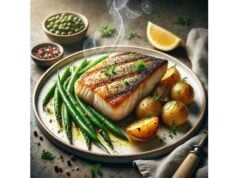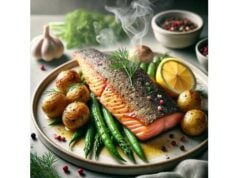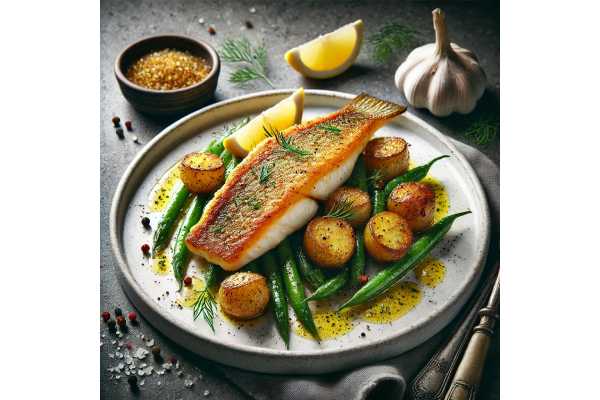
Walleye (Sander vitreus) is a cold-water freshwater fish popular across the northern United States and Canada for its delicate, mild flavor and tender, flaky texture. Cooks like it because it is lean, versatile, and forgiving in quick weeknight methods like pan-searing or broiling. Nutrition-wise, walleye delivers high-quality protein, meaningful selenium and phosphorus, and a modest amount of long-chain omega-3s (EPA and DHA) per serving—enough to make a helpful contribution when you eat fish regularly. Because it is lean, it suits eaters watching calories or saturated fat while still wanting satisfying portions. Since many walleyes are lake- or river-caught, safety varies by water body; paying attention to local advisories protects you from contaminants that can accumulate in freshwater food webs. This guide distills what matters most: how to select excellent fillets, what you truly get nutritionally per 100 g, how to cook it so it stays moist, and how to enjoy walleye safely and sustainably throughout the year.
Essential Insights
- Per 100 g raw walleye: ~90–100 kcal, ~20–22 g protein, ~1–2 g fat, small but useful EPA+DHA, and notable selenium and phosphorus.
- Typical serving and frequency: 85–115 g cooked (3–4 oz) eaten 1–2 times per week within a mixed-species seafood pattern.
- Safety caveat: Follow local freshwater fish advisories; trim skin and fatty portions; cook thoroughly to 63 °C (145 °F).
- Who should limit or avoid: People with fish allergy; those who are pregnant or feeding young children should rely on low-contaminant sources and local guidance for serving frequency.
Table of Contents
- Detailed Overview
- Nutrition Profile
- Evidence-Based Health Benefits
- Risks, Allergies and Interactions
- Selecting, Quality, Sustainability and Storage
- Preparation, Cooking and Nutrient Retention
- Portions, Comparisons and FAQs
Detailed Overview
What is walleye?
Walleye is a cool-water, predatory freshwater fish native to North America’s lakes and large rivers. It has firm, off-white flesh that cooks to moist, tender flakes. The flavor is clean and mild, more delicate than salmon and richer than cod, which makes it a crowd-pleaser and a gateway fish for people who “don’t like fishy fish.”
Culinary character.
- Texture: Lean and fine-flaked; it cooks quickly and dries if overdone, so gentle heat or fast searing works best.
- Flavor: Subtle and slightly sweet; it pairs well with citrus, fresh herbs, browned butter, light pan sauces, and crisp coatings.
- Forms: You will see skin-on or skinless fillets (most common), cheeks (a delicacy with a scallop-like texture), and occasionally whole fish dressed for baking.
Where it shines in the kitchen.
- Quick entrées: Pan-sear with lemon and capers; broil with herb crumbs; grill on a vegetable-oiled grate for 6–8 minutes total.
- Light comfort: Walleye tacos with slaw, baked fillets with a lemon-dill yogurt sauce, or a Midwest fish fry using a thin, crisp batter.
- Health-first plates: Sheet-pan walleye with asparagus and baby potatoes; parchment-baked fillets with tomatoes and olives.
Fishery notes (practical).
Walleye is abundant in many managed fisheries. It’s often sold fresh within driving distance of lakes and frozen elsewhere. Because it is a freshwater species, contaminant profiles (like mercury or PFAS) depend on the specific water body. That’s why local advisories matter more for walleye than for most ocean fish: the same species can be “good to go weekly” in one lake and “limit to monthly” in another.
Bottom line.
Choose firm, fresh fillets; cook just to done; and follow local guidance if you or your fish come from inland waters. You will get a lean, protein-dense meal with a clean flavor that works across cuisines.
Nutrition Profile
Scope and units. Values below are per 100 g raw walleye fillet. Energy in kcal; macronutrients and fatty acids in g; vitamins and minerals in mg or µg. % Daily Value (%DV) reflects standard adult DVs. Actual values vary slightly by season, size, and habitat; cooking changes moisture and weight.
Macros & Electrolytes
| Component | Amount (per 100 g) | %DV |
|---|---|---|
| Energy | ~90–100 kcal | — |
| Protein | ~20–22 g | 40–44% |
| Total Fat | ~1.0–2.0 g | 1–3% |
| Carbohydrate | 0 g | 0% |
| Sodium | ~45–75 mg | 2–3% |
| Potassium | ~280–350 mg | 6–7% |
| Water | ~76–78 g | — |
Interpretation: A very lean, high-protein fish with minimal saturated fat and modest potassium. Its low fat means fewer calories per portion than fattier fish, and it takes well to heart-healthy cooking fats you add in the pan.
Fats & Fatty Acids
| Component | Amount (per 100 g) | Notes |
|---|---|---|
| Saturated fat | ~0.3–0.5 g | Naturally low. |
| Monounsaturated | ~0.3–0.6 g | |
| Polyunsaturated | ~0.4–0.8 g | Includes omega-3 and omega-6. |
| EPA + DHA (omega-3) | ~0.25–0.50 g | Varies by habitat/season; contributes to weekly omega-3 targets. |
| Cholesterol | ~60–75 mg | Comparable to other lean fish. |
Interpretation: Walleye contributes EPA+DHA, but less than oily fish like salmon or sardines. A mixed-species seafood pattern (1–2 meals/week) easily covers omega-3 goals.
Protein & Amino Acids
| Component | Amount (per 100 g) | Notes |
|---|---|---|
| Protein | ~20–22 g | High biological value; complete essential amino acids. |
| Notable AAs | leucine, lysine | Support muscle protein synthesis and tissue repair. |
Vitamins
| Vitamin | Amount (per 100 g) | %DV |
|---|---|---|
| Vitamin B12 | ~1.0–2.5 µg | 42–104% |
| Niacin (B3) | ~2.5–5.0 mg | 16–31% |
| Pyridoxine (B6) | ~0.2–0.4 mg | 12–24% |
| Riboflavin (B2) | ~0.1–0.2 mg | 8–15% |
| Thiamin (B1) | ~0.05–0.10 mg | 4–8% |
| Vitamin D | ~2–5 µg (80–200 IU) | 10–25% |
Interpretation: B-vitamin rich (especially B12 and niacin). Vitamin D is present but modest compared with oily fish.
Minerals
| Mineral | Amount (per 100 g) | %DV |
|---|---|---|
| Selenium | ~30–45 µg | 55–82% |
| Phosphorus | ~180–240 mg | 14–19% |
| Magnesium | ~25–30 mg | 6–7% |
| Potassium | ~280–350 mg | 6–7% |
| Zinc | ~0.4–0.7 mg | 4–6% |
| Iron | ~0.2–0.6 mg | 1–3% |
| Calcium | ~10–20 mg | 1–2% |
Interpretation: Selenium and phosphorus stand out. Selenium supports antioxidant enzymes; phosphorus supports bone and energy metabolism.
Allergens & Intolerance Markers
- Major allergen: Fish. True fish allergy can cause hives, wheeze, GI symptoms, or anaphylaxis.
- Histamine: Not typically an issue in freshwater species when properly chilled; always keep cold from lake to plate.
Contaminants / Residues
- Mercury: Generally low-to-moderate; varies by water body and fish size.
- PFAS/PCBs: Possible in some watersheds; follow local advisories.
- Parasites: Freshwater fish commonly harbor parasites; proper cooking or commercial freezing protocols are essential for raw-style preparations.
Additives & Fortification
- Fresh and frozen fillets are usually additive-free. Breaded/frozen products may include sodium and refined oils—check labels.
%DV reference (selected): Protein 50 g; Total Fat 78 g; Potassium 4,700 mg; Selenium 55 µg; Phosphorus 1,250 mg; Magnesium 420 mg; Vitamin B12 2.4 µg; Vitamin D 20 µg (800 IU); Niacin 16 mg; B6 1.7 mg.
Evidence-Based Health Benefits
1) High-quality protein for muscle and metabolic health
With ~20–22 g protein per 100 g and a full essential amino acid profile, walleye supports muscle maintenance and repair in active adults and older adults alike. Compared with red meat, a walleye dinner delivers comparable protein with far less saturated fat and fewer calories, which helps you hit protein targets while keeping meals light.
2) Omega-3s that support heart, brain, and eye health
Even lean fish contribute EPA and DHA. A typical walleye portion (85–115 g cooked) provides a few hundred milligrams—an incremental dose that counts toward weekly goals linked with cardiovascular benefits. Because omega-3 levels vary across species, a smart pattern is “mix and match”: enjoy lean fish like walleye most weeks and include oily fish (e.g., salmon, trout, sardines) periodically to top up intake.
3) Selenium-driven antioxidant defense
Walleye’s selenium (often 55–80% DV per 100 g) helps form glutathione peroxidases—enzymes that protect cell membranes from oxidative damage. This is a simple way to support antioxidant capacity without supplements.
4) B-vitamins for energy metabolism and neurologic function
B12, niacin, and B6 in walleye support mitochondrial energy pathways and nervous-system function. Regular fish meals are a convenient strategy for people who under-consume B12 (e.g., some older adults with lower stomach acid or those who avoid red meat).
5) Weight-smart entrée option
Because walleye is lean and satiating, it makes it easier to build plates with generous vegetables and whole grains while keeping total calories in check. Swapping two higher-fat dinners each week for lean fish entrées is a simple, sustainable habit for calorie control.
6) Lower sodium—when you cook it yourself
Plain fresh or frozen fillets are naturally low in sodium. Preparing them at home (rather than relying on breaded, processed fish) helps reduce discretionary sodium while still enjoying a satisfying “fish fry” vibe with smart techniques like air-frying or oven-crisping light coatings.
Risks, Allergies and Interactions
Fish allergy
Walleye is a major allergen. Reactions can include hives, swelling, wheezing, or anaphylaxis. If you have a fish allergy—or you are unsure due to past reactions—avoid walleye and consult an allergist for testing and individualized guidance.
Local freshwater advisories (mercury, PCBs, PFAS)
Contaminants in inland waters vary widely by lake and river. Large, older predators concentrate more mercury. Some watersheds also have PCB or PFAS advisories. Follow your state, provincial, or tribal advisory for species, size limits, and recommended servings per month for the general population, pregnant or breastfeeding individuals, and children.
Parasites and raw preparations
Freshwater fish frequently harbor parasites. Unless a fillet has been frozen under commercial “sushi-grade” time-temperature controls, do not use walleye for raw dishes. Cook to an internal temperature of 63 °C (145 °F) until the flesh is opaque and flakes easily.
Bones and choking risk
Pin bones are rare in properly trimmed fillets but can occur. Use fine tweezers to remove any you feel, and exercise caution when serving young children or older adults.
Medication and nutrient considerations
- Anticoagulants: Routine fish intake is compatible with anticoagulants; walleye’s omega-3 content is modest.
- Sodium: Breaded and frozen prepared products can be high in sodium; read labels if you are limiting salt.
Selecting, Quality, Sustainability and Storage
How to select excellent fillets
- Look: Moist, translucent flesh with no gaping; off-white to pale cream color; no drying along edges.
- Smell: Clean, ocean-like or neutral; never sour or “fishy.”
- Touch: Firm and resilient; it should spring back when pressed lightly.
- Skin-on vs. skinless: Skin crisps well in a pan and protects moisture; if you dislike the stronger taste near the skin, choose skinless and trim the dark lateral line.
Fresh vs. frozen
Frozen wild walleye can be superb when processed and blast-frozen promptly after harvest. Look for vacuum-sealed packages with minimal frost. Thaw overnight in the refrigerator on a rack over a tray to avoid waterlogging.
Sustainability snapshot
In many regions, walleye populations are actively managed with quotas and seasonal restrictions. Responsible sourcing focuses on:
- Legal harvest: Buy from licensed commercial or tribal fisheries.
- Traceability: Prefer sellers who can identify harvest region/water body.
- Diversity: Rotate among species (lake whitefish, trout, cod, pollock, salmon) to spread demand and reduce pressure on any single fishery.
Storage and shelf life
- Refrigerator (raw): 0–2 °C (32–36 °F) for 1–2 days. Store on ice in a covered container; drain meltwater.
- Freezer (raw): −18 °C (0 °F) or colder; vacuum-sealed fillets keep best for 3–6 months.
- Leftovers (cooked): Refrigerate within 2 hours; consume within 2–3 days. Reheat gently to preserve moisture.
Quality troubleshooting
- Dry, stringy flesh: Overcooked; reduce heat/time, or use moist methods (parchment, poach, steam).
- Fishy aroma: Age or poor handling; buy from a more reliable fishmonger and cook within 24–48 hours of purchase.
- Muddy taste: Occasionally from summer lake algae; neutralize with acid (lemon), herbs, and quick brining before cooking.
Preparation, Cooking and Nutrient Retention
Goal: Keep lean fillets moist, highlight their sweetness, and preserve omega-3s and heat-sensitive vitamins.
Smart preparation steps
- Pat dry and salt lightly 15–30 minutes in advance (dry brine) to enhance seasoning and moisture retention.
- Optional quick brine for fish fry (15 minutes in 3% salt solution) to improve juiciness.
- Portion thickness matters: 1.5–2.5 cm (⅝–1 in) cooks in 6–10 minutes depending on method.
Core methods (with time/temperature guides)
- Pan-sear (skin-on or skinless): Preheat skillet to medium-high. Film with oil. Cook first side 3–4 minutes to golden; flip and cook 2–3 minutes more. Finish with lemon and herbs.
- Oven-broil: Place 15 cm (6 in) from broiler. Broil 4–6 minutes (no flip) until opaque at the thickest point.
- Parchment bake (en papillote): 200 °C (400 °F) for 10–12 minutes with lemon slices, cherry tomatoes, and a dab of butter or olive oil.
- Air-fryer fish fry: Lightly coat in seasoned flour or panko. 200 °C (400 °F) for 7–10 minutes, spraying lightly with oil.
- Poach: Simmer aromatics in lightly salted water/stock. Slide in fillets; cook 5–7 minutes at a bare simmer.
Temperature for safety
Cook to 63 °C (145 °F)—just until flakes separate and center turns opaque. Residual heat will finish the last degree or two; pull slightly early and rest 2 minutes.
Nutrient-savvy tactics
- Preserve omega-3s: Use gentler heat (poach, steam, oven) or quick searing rather than deep-frying. Avoid repeated reheating.
- Add healthy fats intentionally: A teaspoon of olive oil or a pat of butter adds mouthfeel without overwhelming calories—and improves absorption of fat-soluble nutrients (vitamin D).
- Acid and herbs: Lemon, capers, dill, parsley, or chives brighten flavor so you can keep sodium modest.
Three flavor frameworks
- Lemon–Caper–Parsley: Pan juices deglazed with lemon; finish with capers and parsley.
- Smoky-Paprika Crust: Dust with sweet paprika, garlic powder, and black pepper; sear and finish with olive oil.
- Miso–Ginger Glaze: Thin white miso with a little honey and rice vinegar; broil until just caramelized.
Common mistakes
- Overcooking lean fillets.
- Skipping local advisories when sourcing from inland waters.
- Using heavy batters that mask the fish’s delicate flavor (light coatings stay crisp and let the fish shine).
Portions, Comparisons and FAQs
How much should I eat?
A practical serving is 85–115 g cooked (3–4 oz). As part of a mixed-species seafood pattern, aim for 1–2 fish meals per week, including both lean fish (like walleye) and oily fish (salmon, trout, sardines) to balance omega-3 intake.
Is walleye “low mercury”?
Often yes, but it depends on the water body and fish size. Smaller, younger fish usually carry less mercury than large, older specimens. Always check local guidance for frequency limits, especially if you are pregnant or serving young children.
Can I make sushi from walleye?
Not recommended unless the fish has been commercially frozen to parasite-killing specifications. Freshwater fish are more likely to carry parasites; cooking to 63 °C (145 °F) is the safer choice.
Walleye vs. cod vs. tilapia vs. salmon
- Walleye: Lean, fine-flaked, subtle flavor; modest omega-3s; excellent for pan-searing and broiling.
- Cod: Very lean and mild; slightly firmer flakes; similar protein; very low omega-3s.
- Tilapia: Lean and mild; lower omega-3s; widely available farmed options.
- Salmon (Atlantic/wild Pacific): Higher fat and calories; rich omega-3s (EPA+DHA); stronger flavor; forgiving to cook.
Skin-on or skinless?
Skin-on crisped in a hot pan is delicious and helps protect moisture. If you prefer a very mild profile, choose skinless and trim any dark, stronger-tasting lateral line.
Freezing and thawing best practice
Freeze fillets vacuum-sealed at −18 °C (0 °F). Thaw overnight in the refrigerator on a rack over a tray; pat dry before cooking. Avoid quick thawing in warm water, which affects texture and safety.
Any special nutrients for athletes or older adults?
The leucine-rich protein supports muscle protein synthesis after training; pairing walleye with carbohydrate (e.g., potatoes, rice) and produce creates a balanced recovery meal. For older adults, the combination of high-quality protein, low saturated fat, and selenium makes walleye a nutrient-dense choice that is easy to chew and digest.
Bottom line
Cooked properly and sourced wisely, walleye is a lean, satisfying way to add protein and essential micronutrients while keeping saturated fat low. Rotate it with oilier fish for a well-rounded seafood routine.
References
- Nutrition Facts for Walleye, raw 2024
- Advice about Eating Fish 2024 (Guidance)
- Technical Information on Fish Advisories 2024 (Guidance)
- Omega-3 Fatty Acids Fact Sheet for Health Professionals 2022
- Seafood Long-Chain n-3 Polyunsaturated Fatty Acids and Cardiovascular Health: A Science Advisory From the American Heart Association 2021 (Advisory)
Disclaimer
The information in this article is educational and not a substitute for personalized medical advice, diagnosis, or treatment. If you are pregnant, breastfeeding, serving young children, immunocompromised, or managing chronic conditions, follow your local fish advisories and consult a qualified healthcare professional for tailored guidance on fish choices and serving frequency. Always source fish from reputable suppliers, keep it properly chilled, and cook to a safe internal temperature.
If this guide was useful, please consider sharing it on Facebook, X (formerly Twitter), or any platform you prefer. Your support helps us continue producing clear, evidence-informed food and nutrition resources.