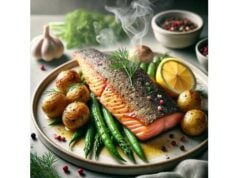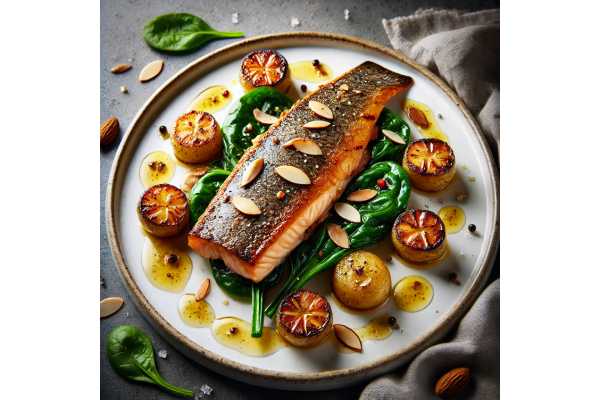
Trout brings together the best of freshwater fish: delicate flavor, tender flakes, and reliable nutrition. Rainbow trout is the most common in markets, though lake, brook, and steelhead (sea-run rainbow) also appear. Cooks like trout because it’s versatile—quick to pan-sear, easy to roast whole, and flavorful when smoked or poached. Health-wise, trout is a standout: it packs complete protein, meaningful omega-3s (EPA and DHA), and generous amounts of vitamin B12, vitamin D, and selenium, with naturally low mercury compared with many larger fish. Farmed rainbow trout is widely available and, when well managed, offers consistent quality and a relatively light environmental footprint. This guide distills what most readers want to know—clear nutrient numbers per 100 g, evidence-backed benefits, practical risk and allergy guardrails, smart buying and storage tips, cooking methods that protect moisture and nutrients, and straightforward portion guidance—so you can enjoy trout with confidence and great results at the table.
Nutrition Snapshot
- Lean, high-protein fish with ~20 g protein and ~0.9–1.2 g EPA+DHA per 100 g.
- Typical cooked serving: 4–6 oz (113–170 g), 1–2 times weekly within an 8–12 oz seafood plan.
- Generally low mercury; fish allergy applies; cook or use validated raw-handling protocols.
- People who are pregnant, breastfeeding, or feeding young children can prioritize trout as a lower-mercury choice.
Table of Contents
- Trout detailed overview
- Trout nutrition profile
- Evidence-based health benefits
- Risks, allergies and interactions
- Selecting, quality, sustainability and storage
- Preparation, cooking and nutrient retention
- Portions, comparisons and FAQs
Trout detailed overview
“Trout” covers several salmonid species with overlapping culinary uses and slightly different textures and flavors:
- Rainbow trout (Oncorhynchus mykiss): the most common in stores; often farmed; mild, slightly nutty flavor; delicate pink to orange flesh.
- Steelhead trout: sea-run rainbow trout; usually firmer and slightly richer than freshwater rainbow.
- Brook trout (Salvelinus fontinalis): actually a char; fine flakes and sweet, delicate taste; often sold whole.
- Lake trout (Salvelinus namaycush): richer, oilier flesh with a stronger flavor; excellent smoked or roasted.
Culinary strengths include speed and versatility. Fillets cook in minutes on the stovetop; whole trout roasts neatly on a sheet pan; and both take well to grilling, smoking, and poaching. The flavors pair well with citrus, herbs (dill, chives, parsley), nuts (almonds, hazelnuts), and gentle aromatics such as shallot and fennel.
From a nutrition standpoint, trout is a compact package of complete protein, long-chain omega-3 fats (EPA and DHA), and key micronutrients—notably vitamin B12, vitamin D, and selenium—with naturally low carbohydrate and modest total fat. Compared with many larger predatory fish, trout typically has lower mercury, making it a family-friendly seafood option when sourced responsibly.
Sourcing matters. Farmed rainbow trout from well-managed systems (flow-through raceways or recirculating aquaculture) can be a sustainable choice with predictable quality and traceable feed. Wild trout availability varies by region and season; local regulations protect stocks and habitat. Regardless of origin, cold-chain integrity—prompt icing, proper storage, and careful handling—has a bigger effect on eating quality than any single label claim.
For home cooks, the main success factor is not overcooking. Because trout is moderately lean, a minute too long can tip it from silky to dry. Aim for gentle opacity, juicy flakes, and a tender bite. If you are new to whole fish, trout is one of the easiest to learn: small size, pliable bones, and forgiving roasting methods.
Trout nutrition profile
Basis: raw, edible portion, per 100 g (about 3.5 oz). Values reflect commonly reported composition for rainbow trout with sensible rounding. Percent Daily Values (%DV) use adult reference intakes: protein 50 g; total fat 78 g; saturated fat 20 g; sodium 2,300 mg; potassium 4,700 mg; phosphorus 1,250 mg; selenium 55 µg; vitamin D 20 µg; vitamin B12 2.4 µg; niacin 16 mg; vitamin B6 1.7 mg. Omega-3s do not have a formal %DV.
Macros and electrolytes (per 100 g)
| Nutrient | Amount | %DV |
|---|---|---|
| Energy (kcal) | ~141 | — |
| Protein (g) | ~19.9 | 40% |
| Total Fat (g) | ~6.2 | 8% |
| Saturated Fat (g) | ~1.4 | 7% |
| Carbohydrate (g) | 0.0 | 0% |
| Sodium (mg) | ~51 | 2% |
| Potassium (mg) | ~381 | 8% |
| Cholesterol (mg) | ~59 | — |
Fats and fatty acids (per 100 g)
| Component | Amount | Notes |
|---|---|---|
| Total Fat (g) | ~6.2 | Moderately lean. |
| Polyunsaturated Fat (g) | ~1.6 | Includes omega-3 and omega-6. |
| EPA + DHA (g) | ~0.9–1.2 | Varies by feed and habitat. |
| DHA (g) | ~0.6–0.8 | Key structural fat for brain and eyes. |
| EPA (g) | ~0.3–0.4 | Supports triglyceride reduction. |
| Trans Fat (g) | 0 | Naturally negligible. |
Protein and amino acids
Trout provides complete, high-biological-value protein. A typical 170 g cooked portion yields ~32–36 g protein after moisture loss, supporting satiety, muscle maintenance, and recovery.
Vitamins (per 100 g)
| Vitamin | Amount | %DV | Role |
|---|---|---|---|
| Vitamin B12 (µg) | ~4.5 | 188% | Red blood cells, nerve function. |
| Vitamin D (µg) | ~11.5 | 58% | Calcium balance, immune function. |
| Niacin (Vitamin B3) (mg) | ~5.6 | 35% | Energy metabolism, skin health. |
| Vitamin B6 (mg) | ~0.4 | 24% | Amino acid metabolism. |
| Riboflavin (mg) | ~0.1–0.2 | 8–15% | Energy metabolism. |
Minerals (per 100 g)
| Mineral | Amount | %DV |
|---|---|---|
| Selenium (µg) | ~12.6 | 23% |
| Phosphorus (mg) | ~271 | 22% |
| Magnesium (mg) | ~27 | 6% |
| Calcium (mg) | ~25 | 2% |
| Zinc (mg) | ~0.7 | 6% |
| Iron (mg) | ~0.3 | 2% |
| Iodine (µg) | variable | contributes to DV; depends on water/feed |
Bioactives and other notes
- Trout lipid fractions include astaxanthin in farmed fish (via feed), contributing color and acting as an antioxidant, though levels vary by diet.
- Smoked trout often contains higher sodium; check labels if managing blood pressure.
Allergens and intolerance markers
- Fish is a major allergen; trout contains typical fish muscle proteins (e.g., parvalbumins) capable of provoking reactions in sensitized individuals.
- Histamine formation is uncommon when handling is proper; always buy from reputable suppliers and maintain the cold chain.
Contaminants/residues
- Mercury: generally low compared with large predatory fish.
- Persistent organic pollutants: well-managed aquaculture and careful feed sourcing reduce exposure; choose traceable producers.
Interpretation: Per 100 g, trout delivers a nutrient-dense profile—protein, EPA+DHA, vitamin D, B12, and selenium—while keeping calories moderate. For very high omega-3 targets, rotate trout with richer species (salmon, sardines, mackerel) during the week.
Evidence-based health benefits
1) Heart health alignment
Regular fish intake supports heart-healthy dietary patterns. Trout contributes long-chain omega-3s (EPA and DHA), which are linked to favorable triglyceride changes and, in certain contexts, improved cardiovascular outcomes. While supplement trials show mixed results by dose and formulation, food-first omega-3s from fish are consistently recommended within balanced eating patterns. Choosing trout once or twice a week helps close the gap for people who otherwise eat little seafood.
2) Protein quality with manageable calories
With ~20 g protein per 100 g and minimal carbohydrate, trout anchors meals that satisfy without excessive calories. Replacing some higher-fat meats with trout can reduce saturated fat while maintaining protein intake—useful for weight management, metabolic health, and active lifestyles.
3) Vitamin D and B12 advantages
Trout commonly provides ~50–60% DV of vitamin D and well over 100% DV of vitamin B12 per 100 g. This is valuable for individuals with limited sun exposure or lower intakes of animal-sourced foods. Vitamin D supports calcium balance and immune function, while B12 is essential for red blood cell formation and neurological integrity.
4) Selenium and phosphorus for cellular and bone health
Selenium is a cofactor for antioxidant enzymes (selenoproteins) that protect cells from oxidative stress and support thyroid hormone metabolism. Phosphorus helps build and maintain bones and teeth and supports energy metabolism. Together with vitamin D, these nutrients make trout an efficient contributor to skeletal and metabolic health.
5) Family-friendly mercury profile
Compared with large predators, trout’s mercury is generally low, making it an approachable option for pregnant individuals and children within national seafood advice. This helps families enjoy seafood benefits while limiting exposure concerns.
6) Practical adherence: cost, availability, and versatility
Farmed rainbow trout is widely available and reasonably priced. Quick cooking methods—pan-searing, broiling, sheet-pan roasting—boost adherence by fitting busy schedules. Trout’s mild flavor accepts many cuisines, from Mediterranean herb mixtures to Japanese-style salt grilling, keeping variety high and boredom low.
Bottom line: Trout is a nutrient-dense, approachable fish that advances omega-3 intake, provides standout levels of B12 and vitamin D, and fits smoothly into heart-conscious, family-friendly meal plans.
Risks, allergies and interactions
Allergy
Fish allergy can be severe. If you have a diagnosed fish allergy, avoid trout unless an allergist confirms tolerance. Cross-contact with other seafood may occur in markets and restaurants; communicate needs clearly.
Mercury and contaminants
Trout is typically low in mercury compared with large pelagic fish. Diversifying seafood choices across the week further reduces exposure to any single contaminant. Well-managed aquaculture systems and audited feeds help lower persistent organic pollutants; ask retailers about producer transparency.
Raw consumption and parasites
Like other fish, wild trout can carry parasites. If serving trout raw or very lightly cooked, use sashimi-grade product from trusted suppliers and validated freezing protocols. At home, general guidance is to cook to 63 °C (145 °F) internal temperature unless you are following expert raw-handling standards.
Sodium and processing
Smoked trout and some ready-to-eat packs can be high in sodium. If managing blood pressure, check labels and balance salt across the day.
Medication and condition considerations
- Anticoagulants/antiplatelets: Food-level omega-3 intake from trout is unlikely to raise bleeding risk, but coordinate with your clinician if using high-dose omega-3 prescriptions.
- Thyroid conditions: Keep iodine intake steady; trout contributes variable amounts depending on water and feed.
- Kidney disease: Trout provides phosphorus and potassium; plan portions with your renal dietitian.
Practical guardrails
- Keep seafood cold (≤4 °C / ≤40 °F) and minimize time at room temperature.
- Buy from sellers who can provide harvest or farm origin and handling details.
- For households with pregnancy or young children, trout is a sensible lower-mercury choice within national fish-advice serving guidance.
Selecting, quality, sustainability and storage
Choosing quality trout
- Fresh fillets: Look for moist, translucent flesh with fine flakes and no browning at the edges. Aroma should be clean—ocean-fresh, not “fishy.”
- Whole trout: Clear, bulging eyes; bright red gills; firm body; no belly splitting.
- Frozen: Prefer vacuum-sealed portions with no frost or broken seals; small, uniform ice crystals indicate better handling.
Farmed vs. wild
- Farmed rainbow trout from reputable producers offers consistent size, mild flavor, and predictable fat content. Look for certifications or transparent reporting on feed, effluents, and fish health.
- Wild trout availability depends on region and season; when harvested under strict regulations, it is a premium option with distinct terroir-like flavor nuances.
Sustainability pointers
- Favor suppliers who disclose origin (country, water body) and production method (flow-through, recirculating aquaculture).
- Recirculating systems can reduce water use and effluent discharge when well managed.
- For wild trout, adhere to local fishing regulations and seasonal protections; choose legal, traceable, and ethically harvested fish.
Storage and shelf life
- Refrigerate (≤4 °C / ≤40 °F): Use within 1–2 days. Store on a tray of ice in the coldest part of the fridge.
- Freeze (≤−18 °C / 0 °F): For best quality, use within 2–3 months. Remove air (vacuum seal or double wrap).
- Thawing: Overnight in the refrigerator; or keep sealed and submerge in cold water, changing water every 30 minutes. Cook immediately after thawing.
- Leftovers: Refrigerate promptly and consume within 3 days.
Waste-minimizing moves
- Portion large fillets before freezing so you defrost only what you need.
- Use cooked leftovers in salads, fish cakes, tacos, or grain bowls.
- Save bones and head (from whole fish) to make a quick fish stock for soups or sauces.
Preparation, cooking and nutrient retention
Because trout is moderately lean, your goal is gentle doneness and moisture retention. Overcooking dries it out; a brief rest lets carryover heat finish the center.
Core technique principles
- Pat dry and season early. Salt 20–30 minutes ahead for a light dry-brine; add pepper and herbs just before cooking.
- Sear hot, finish moderate. For fillets, sear skin-side down in a preheated pan 2–4 minutes, then finish 1–3 minutes flesh-side to just opaque.
- Roast whole with aromatics. Stuff the cavity with lemon, herbs, and garlic; roast at 205 °C (400 °F) for 12–18 minutes depending on size.
- Poach gently. Keep liquid at 75–85 °C (not a boil) for tender results; this protects B-vitamins and texture.
- Smoke thoughtfully. Brine lightly (3–5% salt) 30–60 minutes; smoke at 90–105 °C (195–220 °F) to 63 °C (145 °F) internal; avoid over-drying.
Simple recipes and serving ideas
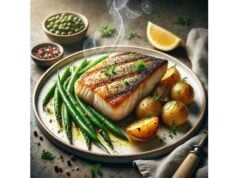
- Crispy-skin trout with lemon-herb butter: Pan-sear skin-side down until crisp; finish with a knob of butter, lemon juice, capers, and parsley.
- Sheet-pan trout with vegetables: Roast fillets with asparagus, cherry tomatoes, and a drizzle of olive oil; finish with dill and lemon zest.
- Poached trout with mustard-dill sauce: Poach in court-bouillon; whisk Greek yogurt, Dijon, dill, and lemon for a light sauce.
- Smoked trout spread: Flake smoked trout with Greek yogurt, lemon, horseradish, and chives; serve with vegetables or whole-grain crackers.
Nutrient-retention tips
- Short cook times preserve water-soluble vitamins (B6, niacin).
- Moist heat (poaching) is gentler than prolonged high dry heat; oil-poaching at low temperature maintains delicate fats.
- Pairing strategy: Serve with potassium- and fiber-rich sides—leafy greens, legumes, and whole grains—to round out the plate.
- Sodium awareness: Smoked trout is salty; balance with low-sodium sides and season minimally elsewhere.
Food safety temperatures
- General guidance: cook to 63 °C (145 °F) internal temperature at the thickest point unless following validated raw or lightly cooked protocols with trusted suppliers.
Portions, comparisons and FAQs
Portion guidance
- Standard adult portion: 4–6 oz (113–170 g) cooked trout as a meal centerpiece.
- Weekly frequency: Include trout 1–2 times per week within a varied seafood plan totaling 8–12 oz (225–340 g), rotating species for nutrient diversity.
How trout compares (typical values per 100 g, raw unless noted)
| Feature | Trout (rainbow) | Salmon (Atlantic) | Tilapia | Cod |
|---|---|---|---|---|
| Energy (kcal) | ~141 | ~208 | ~96 | ~82 |
| Protein (g) | ~19.9 | ~20 | ~20 | ~18 |
| Total Fat (g) | ~6.2 | ~13 | ~2 | ~0.7 |
| EPA + DHA (g) | ~0.9–1.2 | ~1.8–2.0 | ~0.1 | ~0.1–0.2 |
| Vitamin D (µg) | ~11.5 | ~10 | low | low |
| Mercury tendency | Low | Low–moderate | Very low | Very low |
| Best uses | Pan-sear, roast, poach | Roast, grill, cure | Quick sauté | Fry, bake, chowder |
FAQs
Is trout the same as salmon nutritionally?
They are cousins with overlapping strengths. Salmon is richer in fat and often higher in omega-3s; trout still delivers substantial omega-3s with fewer calories and often more vitamin D per 100 g.
Can I eat trout skin?
Yes. Properly scaled and crisped, trout skin is delicious and provides texture. Dry the skin well, cook skin-side down most of the time, and finish briefly on the flesh side.
Does farmed trout have fewer nutrients than wild?
It depends on feed and habitat. Farmed trout often has consistent omega-3 levels due to formulated diets; wild trout can vary by season and food availability.
Is trout safe for children and during pregnancy?
Yes—within national seafood guidance—because trout is typically low in mercury. Prepare well-cooked recipes for young children and pregnant individuals unless using validated raw-handling standards.
How do I avoid overcooking?
Use a timer, aim for translucency fading to opaque, and remove from heat just before full doneness; let carryover heat finish. A quick-flake test with a fork at the thickest point helps.
References
- Advice about Eating Fish 2024 (Guideline)
- Fish consumption in multiple health outcomes: an umbrella review of meta-analyses of observational and clinical studies 2023 (Systematic Review)
- Effect of omega-3 fatty acids on cardiovascular outcomes: A systematic review and meta-analysis 2021 (Systematic Review)
- Vitamin D Fact Sheet for Health Professionals 2024 (Guideline)
- Dietary Guidelines for Americans, 2020–2025 2020 (Guideline)
Disclaimer
This article is for general education and is not a substitute for professional medical advice, diagnosis, or treatment. Seafood choices, portion sizes, and preparation methods should reflect your health status, medications, and life stage. If you are pregnant or breastfeeding, managing cardiovascular or kidney disease, taking anticoagulants, or have food allergies, consult a qualified healthcare professional for individualized guidance. If you suspect food-borne illness or an allergic reaction, seek medical care promptly.
If you found this guide helpful, please consider sharing it on Facebook, X (formerly Twitter), or any platform you prefer. Your support helps us continue creating clear, practical nutrition content.