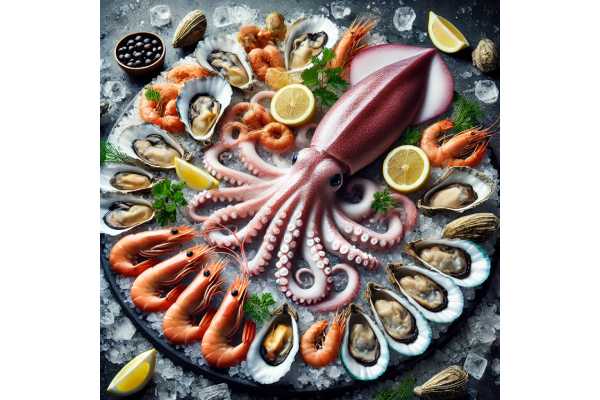
Squid offers a mild, slightly sweet taste and a firm bite that adapts to quick searing, grilling, braising, and flash-frying. It’s naturally lean yet protein-dense, with useful omega-3 fats and standout minerals like selenium and copper. Calamari rings and tentacles get most of the attention, but whole squid—tubes, fins, and tentacles—can be prepared nose-to-tail for weeknight meals or special occasions. Because squid are short-lived and low on the food chain, they generally contain little mercury compared with large predatory fish. That makes them a convenient “best choice” seafood for many households, provided you keep an eye on sodium in breaded or heavily seasoned versions and mind shellfish allergy precautions. This guide distills the essentials—from a detailed, per-100-gram nutrition profile to evidence-backed benefits, clear safety guidance, sustainability tips, and kitchen methods that preserve tenderness, flavor, and nutrients.
Nutrition Snapshot
- 100 g cooked squid delivers ~18 g protein, ~0.5 g omega-3s, and key micronutrients including selenium and vitamin B12.
- Mercury is typically low; the main caveats are shellfish allergy risk and added sodium in processed or fried forms.
- Typical serving: 100–150 g cooked (rings or steaks), up to 2–3 times weekly within a varied seafood pattern.
- People with shellfish allergies, and those on strict low-sodium diets should avoid or choose carefully prepared, unbreaded squid.
Table of Contents
- Squid at a Glance
- Squid Nutrition Profile
- Research-Backed Benefits of Squid
- Risks, Allergies and Interactions
- Selecting, Quality, Sustainability and Storage
- Preparation, Cooking and Nutrient Retention
- Portions, Comparisons and FAQs
Squid at a Glance
Squid (order Teuthida) are fast-growing cephalopods harvested worldwide, especially in the North Pacific and Mediterranean. Culinary names vary—“calamari” is often used for smaller species—but the basic anatomy is consistent: a tubular mantle (the “tube”), fins, and tentacles. The meat is firm and slightly chewy when overcooked, yet beautifully tender when cooked either very quickly over high heat or low and slow with moisture. This duality makes squid one of the most versatile seafoods: grill it whole in minutes, flash-sauté sliced tubes for pasta, braise it with tomatoes and olives, or stuff larger tubes for roasting.
Nutritionally, squid is lean and protein-forward, with ~18 grams of complete protein per 100 grams cooked and minimal fat. It supplies long-chain omega-3s (EPA and DHA) in moderate amounts for a lean seafood and typically contains 0–3 grams of carbohydrates depending on preparation. Micronutrient highlights include selenium (often near a full day’s worth per 100 grams), vitamin B12, phosphorus, and magnesium. Copper levels are naturally high in squid; that’s normal for mollusks and helps explain their deep mineral “sweetness.”
Risk considerations are refreshingly simple compared with big, long-lived fish. Squid’s short lifespan means very low mercury in the edible muscle for most commercial sources. The larger risks come from allergy (as a mollusk shellfish), added sodium in brined, smoked, or breaded products, and tenderness loss if you miss the timing in the pan. Safety guidance still applies—cold handling and thorough cooking to a safe internal temperature—especially when serving children, older adults, or immunocompromised guests.
Flavor partners that flatter squid include citrus (lemon, yuzu), herbs (parsley, basil), aromatics (garlic, chile), and briny accents (capers, anchovy). It takes well to Mediterranean, East Asian, and Latin flavors alike. For weeknights, a fast sear with olive oil, garlic, and crushed red pepper, finished with lemon and parsley, yields a complete entrée in under 10 minutes.
Squid Nutrition Profile
Scope: Values below describe plain cooked squid (steamed/boiled or grilled), per 100 g edible portion. Small differences arise with species, moisture loss, and cooking method. %DV uses current FDA Daily Values for adults and children ≥4 years.
Macros and Electrolytes (per 100 g, cooked):
| Nutrient | Amount | %DV |
|---|---|---|
| Energy | ~92–105 kcal | — |
| Protein | ~17.8 g | 36% |
| Total Fat | ~1.4–1.6 g | 2% |
| Saturated Fat | ~0.4 g | 2% |
| Carbohydrates | ~3.1–3.5 g | 1% |
| Fiber | 0 g | 0% |
| Sodium | ~40–60 mg (unseasoned) | 2% |
| Potassium | ~270–300 mg | 6% |
| Water | ~75 g | — |
Fats and Fatty Acids (per 100 g):
| Component | Amount | Notes |
|---|---|---|
| Monounsaturated Fat | ~0.1–0.2 g | Mostly oleic acid |
| Polyunsaturated Fat | ~0.5–0.6 g | n-3 predominates |
| Omega-3s (EPA + DHA + DPA) | ~0.5–0.6 g | Lean but meaningful |
| • EPA (eicosapentaenoic acid) | ~0.16 g | |
| • DHA (docosahexaenoic acid) | ~0.35–0.40 g | Major omega-3 |
| Omega-6s (total) | ~0.08 g | Low |
| Cholesterol | ~200–240 mg | No established %DV |
Protein and Amino Acids (per 100 g):
| Component | Amount |
|---|---|
| Protein (complete) | ~17.8 g |
| Lysine | ~1.6 g |
| Leucine | ~1.4 g |
| Methionine | ~0.5 g |
| Threonine | ~0.7 g |
| Tryptophan | ~0.2 g |
(Amino acid values scale with moisture and species; above are representative for cooked squid.)
Vitamins (per 100 g):
| Vitamin | Amount | %DV |
|---|---|---|
| Vitamin B12 (cobalamin) | ~1.0–1.5 µg | 42–63% |
| Niacin (vitamin B3) | ~2.5–3.0 mg | 16–19% |
| Vitamin B2 (riboflavin) | ~0.4–0.5 mg | 31–38% |
| Vitamin B6 (pyridoxine) | ~0.1–0.2 mg | 6–12% |
| Vitamin C | ~3–5 mg | 3–6% |
| Vitamin A (RAE) | ~30–40 µg | 3–4% |
| Choline | ~60–80 mg | 11–15% |
| Vitamin D | trace–low | varies |
Minerals (per 100 g):
| Mineral | Amount | %DV |
|---|---|---|
| Selenium | ~45–55 µg | 82–100% |
| Phosphorus | ~240–260 mg | 19–21% |
| Magnesium | ~35–40 mg | 8–10% |
| Potassium | ~270–300 mg | 6% |
| Zinc | ~1.2–1.8 mg | 11–16% |
| Copper | ~1.5–2.1 mg | 167–233% |
| Calcium | ~35–45 mg | 3–4% |
| Iron | ~0.8–1.2 mg | 4–7% |
| Sodium (plain) | ~40–60 mg | 2% |
Allergens and Intolerance Markers
- Mollusk shellfish: Squid is a mollusk; allergy risk is distinct from fish and from crustacean shellfish, though cross-reactivity can occur.
- Sodium: Smoked, brined, or breaded calamari can raise sodium well above 300 mg/100 g. Choose plain, unbreaded forms to keep sodium low.
Contaminants / Residues
- Mercury: Generally low in commercial squid muscle.
- Cadmium: Can concentrate in viscera; edible muscle typically remains low—avoid consuming viscera/ink sacs regularly if cadmium intake is a concern.
Footnotes
- Values vary with species (e.g., Doryteuthis, Illex, Todarodes), harvest area, and cooking loss.
- Frying increases fat and sodium from batter/oil; steamed, grilled, or sautéed preparations keep values closer to the ranges above.
Research-Backed Benefits of Squid
Lean, high-quality protein that fits many diets
Per 100 grams cooked, squid provides roughly 18 grams of complete protein with minimal fat and zero fiber or starch—useful for higher-protein, moderate-calorie patterns without spiking carbohydrates. Protein supports muscle retention and satiety, and squid’s uniform texture makes portioning simple: 100–150 grams cooked (rings or steaks) delivers 18–27 grams protein for most meals.
Meaningful omega-3s in a lean package
While not as rich in omega-3s as salmon or sardines, squid still contributes ~0.5–0.6 grams of long-chain omega-3s (EPA and DHA) per 100 grams cooked—enough to help nudge average intake upward when combined with other seafood across the week. The EPA/DHA pair supports heart and brain health within balanced dietary patterns, and seafood consumption in general is associated with lower cardiovascular risk.
Micronutrient density with standout selenium and copper
Selenium often reaches or exceeds 80% of the Daily Value per 100 grams cooked, providing a concentrated source for glutathione-dependent antioxidant systems and thyroid hormone metabolism. Copper content is unusually high for an animal food, commonly exceeding the Daily Value; copper helps enzymes involved in energy production, iron transport, and connective tissue formation. Squid also supplies vitamin B12, riboflavin, niacin, phosphorus, and magnesium—nutrients many people underconsume.
Low mercury relative to large fish
Short life cycles and lower trophic position keep squid’s mercury content low compared with swordfish, shark, or certain tunas. That reality allows most adults to enjoy squid more routinely as part of the “best choices” seafood group when prepared simply and served alongside vegetables and whole grains.
Culinary flexibility that supports healthier habits
Squid excels with quick, high-heat methods that need little oil—think two-minute sears or 60-second wok tosses—which keeps calories in check while delivering satisfying browning. It’s also a willing partner for vegetable-heavy plates: grilled squid with lemon and herbs over arugula, braised squid with tomatoes and chickpeas, or charred rings folded into whole-grain pasta with greens.
Sustainability perspective
Many squid fisheries are productive and resilient due to fast growth and high fecundity, though regional management and bycatch concerns vary. Choosing products from monitored fisheries and avoiding unnecessary processing (heavy breading, sodium) supports both environmental and personal health goals.
Bottom line
Squid offers a lean, protein-dense, mineral-rich option with meaningful omega-3s and generally low mercury. Fold it into a varied seafood rotation to capture nutritional advantages while keeping preparation simple and light.
Risks, Allergies and Interactions
Shellfish allergy
Squid is a mollusk shellfish. Allergic responses range from oral itching and hives to anaphylaxis. People with known shellfish allergy—especially to mollusks—should avoid squid unless specifically cleared by an allergist. Cross-contamination with crustaceans is common in markets and restaurants; even if you tolerate mollusks, ask about shared equipment and fryers.
Mercury and other contaminants
Commercial squid muscle is typically low in mercury; it’s a reasonable “best choice” for most adults and older children. As with all seafood, follow regional advisories for locally caught species. Avoid regularly consuming viscera (organs) where metals like cadmium may concentrate.
Histamine illness from mishandling
Though histamine poisoning is classically linked to scombroid fish, any seafood can cause illness if held warm post-harvest. Buy from reputable suppliers that maintain the cold chain, transport your purchase chilled, and refrigerate promptly. Discard any product with sour, ammonia-like, or strong fishy odors.
Parasites and raw service
Cephalopods can carry parasites. If you plan raw or lightly cooked dishes, use squid labeled for raw consumption that has undergone validated freezing to inactivate parasites. Home freezers may not hold appropriate temperatures consistently; when in doubt, cook to a safe internal temperature.
Sodium and fried preparations
Breaded or pre-seasoned calamari can push sodium above 300–500 mg per 100 grams and add oil from frying. To keep sodium in check, choose plain squid and season with citrus, herbs, garlic, and spices; if frying, use a light coating and drain well.
Drug-nutrient considerations
- Anticoagulants: Food-level omega-3 intake from squid is compatible with typical anticoagulant regimens; extreme supplemental doses are the usual concern.
- Iodine intake: Squid contributes iodine variably. People with thyroid disorders should follow clinician guidance on overall iodine intake.
- Copper: Individuals with Wilson disease or conditions requiring copper restriction should discuss squid intake with their care team due to naturally high copper in mollusks.
Food safety checkpoints
- Keep seafood at or below 4 °C (40 °F).
- Cook squid to an internal temperature of 63 °C (145 °F) or until opaque and firm but tender.
- Refrigerate leftovers within 2 hours (within 1 hour if ≥32 °C/90 °F) and reheat until steaming.
Selecting, Quality, Sustainability and Storage
What to look for at the counter
- Appearance: Tubes and tentacles should be moist, glossy, and resilient—not slimy or dull. The skin (if on) may show natural mottling; cleaned tubes should be ivory to pale pink.
- Odor: Clean, briny, and sweet; avoid sour or ammonia notes.
- Cut and size: Smaller squid (10–15 cm mantle length) tend to cook more tenderly and evenly. For stuffing or braising, medium to large tubes are fine when cooked low and slow.
- Labeling: Prefer responsibly sourced products with clear species names and catch or farm origin. Avoid vague “seafood mix” packages if you need strict allergy control.
Sustainability cues
- Fishery dynamics: Squid populations fluctuate seasonally but generally replenish quickly. Choose products from managed fisheries with observer coverage and bycatch controls when available.
- Processing choices: Unbreaded frozen tubes or tentacles retain quality without excess sodium or additives. Breaded rings often add refined starch, sodium, and oil; reserve them for occasional treats.
- Packaging: Vacuum-sealed frozen squid that’s glaze-coated for protection thaws cleanly and cooks well; avoid packages with excessive ice crystals or broken seals.
Storage and handling
- Transport cold: Use an insulated bag or small cooler if travel exceeds 30 minutes.
- Refrigeration: Store raw squid in the coldest part of the fridge, wrapped and set on a rack or paper towel-lined plate to drain; cook within 24 hours (up to 48 hours if extremely fresh).
- Freezing: Pat dry, portion, wrap tightly (or vacuum-seal), and freeze at −18 °C (0 °F) or below. For best texture, use within 2–3 months. Thaw overnight in the refrigerator on a tray to catch drips.
- Pre-prep: Remove quill (pen), beak, and cartilage if cleaning whole squid at home; rinse and dry thoroughly before cooking.
Red flags—choose something else if you notice:
- Mushy texture, milky or yellowing drip, sour or ammonia odors, or excessive freezer burn on frozen packs.
- Unclear origin or species on labeling, or visible temperature abuse at retail (warm case, condensation inside packaging).
Budget tips
- Frozen, cleaned tubes and tentacles are excellent value and reduce prep time.
- Buy whole squid when affordable and use everything: grill the tubes, crisp the tentacles, and simmer trimmings for seafood stock.
Preparation, Cooking and Nutrient Retention
The tenderness rule: very fast or very slow
Squid’s collagen and muscle fibers firm up quickly with heat, so you either cook it very fast (60–120 seconds) or low and slow (30–60 minutes) to keep it tender. Anything in between tends to be rubbery. For weeknights, choose the fast path; for stews and braises, let time do the work.
Safe internal temperature and cues
Aim for an internal temperature of 63 °C (145 °F). Visual cues: the flesh turns opaque and matte, rings curl lightly, and the center becomes firm but still moist. Overcooking squeezes out moisture and toughens the bite.
Five reliable blueprints
- Quick Sauté with Garlic and Lemon
- Pat dry. Sear rings and tentacles in a hot pan 45–60 seconds.
- Add minced garlic for 15 seconds; finish with lemon juice, parsley, and a drizzle of olive oil.
- Char-Grilled Whole Squid
- Score the tube in a crosshatch, brush with olive oil, sprinkle with salt and chile.
- Grill 1–2 minutes per side; slice and serve with salsa verde.
- Tomato-Olive Braise
- Sweat onions and fennel, add garlic, tomatoes, and olives.
- Simmer cleaned, cut tubes gently 35–45 minutes until fork-tender.
- Ginger-Scallion Wok Toss
- Stir-fry aromatics 30 seconds, add squid 60–90 seconds.
- Splash with rice wine, finish with cilantro and sesame seeds.
- Air-Fryer “Calamari” (Light)
- Toss rings with beaten egg white and fine cornmeal plus paprika.
- Air-fry at high temp until crisp; season with lemon and pepper (far less oil and sodium than deep-fried).
Nutrient retention tips
- Omega-3s hold up well with quick, dry-heat methods; avoid prolonged high heat that drives drip loss.
- Water-soluble B vitamins (riboflavin, niacin, B6) are better preserved with brief cooking and minimal simmering liquid.
- Sodium skyrockets in brines and batters; season with acids, herbs, garlic, and spices to keep flavor bright without dependence on salt.
- Absorption aids: Serving squid with a small amount of healthy fat (olive oil) helps carry flavor and supports absorption of fat-soluble nutrients present in the meal (e.g., vitamins A, E from vegetables).
Food safety in your kitchen
- Keep raw squid separate from ready-to-eat foods and sanitize cutting boards and knives.
- Refrigerate leftovers within 2 hours and use within 2–3 days or freeze promptly.
Portions, Comparisons and FAQs
How much squid is a serving, and how often can I eat it?
A practical serving for most adults is 100–150 g cooked (roughly a generous cup of rings or a small whole squid). Because mercury in squid is typically low, many dietary patterns allow 2–3 seafood meals per week, and squid can be part of that rotation when prepared simply. If you rely on processed calamari, keep it occasional due to sodium and added fats.
How does squid compare with shrimp, salmon, or cod?
- Protein: Similar to cod and shrimp (~18–24 g per 100 g cooked).
- Omega-3s: Lower than salmon (1–2 g per 100 g) but comparable to many lean fish—~0.5–0.6 g per 100 g for plain cooked squid.
- Minerals: Higher in copper and selenium than most finfish; good phosphorus and magnesium.
- Mercury: Generally lower than large predatory fish, supporting more frequent inclusion.
Is squid okay if I’m pregnant?
Squid is usually categorized as a lower-mercury seafood. That said, follow current national guidance for serving frequency, keep preparations simple (grilled, sautéed, stewed), and avoid high-sodium processed versions. If you have a shellfish allergy history, skip squid unless specifically cleared by your clinician.
Does squid raise cholesterol?
Squid contains substantial dietary cholesterol (often ~200–240 mg per 100 g). For most people, dietary cholesterol has a modest effect on blood lipids compared with saturated fat and overall dietary pattern. If you’ve been advised to limit dietary cholesterol strictly, consult your healthcare provider about appropriate frequency and portion size.
How do I keep squid tender?
Cook it very fast (under two minutes) or very slow (braise 30–60 minutes). Anything in the middle tends to turn rubbery. Always pat dry before high-heat cooking for better browning and to prevent steaming.
Can I eat the ink or viscera?
Squid ink is used in pastas and risottos and is safe in culinary amounts. Avoid regularly eating viscera, which can concentrate certain metals; stick to cleaned tubes and tentacles for routine meals.
What are smart substitutions?
For a similar quick-cook lean seafood: octopus (fast-seared after pre-tenderizing), cuttlefish, shrimp, or scallops. For higher omega-3s with low mercury: salmon, trout, sardines, or Atlantic mackerel.
Bottom line
Squid is a tender, fast-cooking, nutrient-dense seafood that fits easily into heart-healthy, high-protein, and Mediterranean-style meals—especially when prepared simply and paired with vegetables and whole grains.
References
- Nutrition Facts for Squid Steamed Or Boiled 2024 (Database)
- Nutrition Facts for Raw Squid 2024 (Database)
- Advice about Eating Fish 2024 (Guidance)
- Cook to a Safe Minimum Internal Temperature 2024 (Guidance)
- Fish Intake in Relation to Fatal and Non-Fatal Cardiovascular Risk: A Systematic Review and Meta-Analysis of Cohort Studies 2023 (Systematic Review)
Disclaimer
This article is for general education and does not replace personalized medical advice, diagnosis, or treatment. Seafood choices and serving frequency should reflect your health status, medications, allergies, and life stage. If you are pregnant or breastfeeding, managing a medical condition, have a history of shellfish allergy, or have been advised to limit sodium or dietary cholesterol, consult your healthcare professional or a registered dietitian for guidance tailored to you.
If you found this guide helpful, please consider sharing it on Facebook, X, or any platform you prefer. Your support helps us continue producing clear, evidence-based nutrition resources.