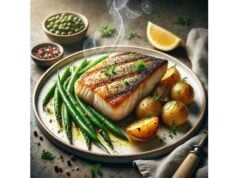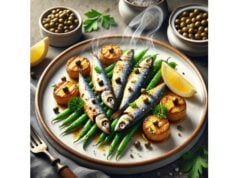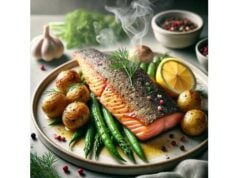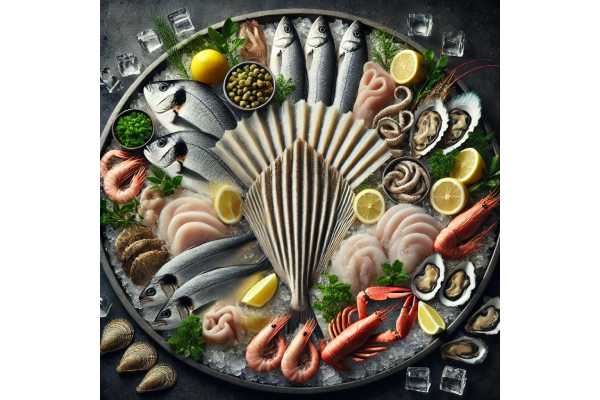
Skate—most often sold as delicate “wings”—is a mild, lean seafood with a firm, slightly striated texture and a subtle sweetness often compared to scallops. It comes from several species in the ray family (Rajidae), harvested in cold and temperate seas. Properly handled, skate cooks up tender and moist, pairing well with citrus, capers, brown butter, herbs, and light spice. It is naturally low in fat, a solid source of high-quality protein, and versatile in the kitchen: pan-seared, poached, roasted, confited, or gently braised. Because skates are cartilaginous fish that retain urea in their tissues, freshness and storage matter; well-managed fisheries and prompt icing are key for quality. In many North Atlantic fisheries, winter skate is managed under science-based catch rules, and the wings are available year-round. This guide explains how to choose, cook, and enjoy skate responsibly—while understanding nutrition, potential risks, sustainability, and smart portions for everyday eating.
Fast Facts
- Lean protein with about 90 kcal and ~20 g protein per 100 g raw.
- Typically low in fat; pairs well with moist-heat or quick searing to retain tenderness.
- Safety note: buy very fresh skate; improper storage can cause an ammonia smell and quality loss.
- A practical serving is 120–150 g cooked once or twice weekly within a varied seafood rotation.
- People with fish allergy, pregnant individuals uncertain about local advisories, or anyone prone to parasitic infections should be cautious or avoid.
Table of Contents
- What Is Skate Fish
- Skate Nutrition Profile
- Health Benefits of Skate
- Risks, Allergies and Interactions
- Buying, Sustainability and Storage
- Cooking Skate and Nutrient Retention
- Portions, Comparisons and FAQs
What Is Skate Fish
Skates are bottom-dwelling rays with wing-like pectoral fins; the edible portion is the “wing,” a fan of muscle fibers arrayed around elastic cartilage. Unlike bony fish, skates and rays are cartilaginous, which partly explains their characteristic texture and the care needed for freshness. In the marketplace, you will most often see winter skate from the Northwest Atlantic, but several related species are sold under the generic name “skate.” The flesh is off-white to pinkish when raw, becoming pale when cooked. The flavor is mild and slightly shellfish-like because the muscle fibers are short and hold moisture well, especially when cooked quickly.
Quality hinges on handling. Skates naturally retain urea for osmoregulation. If fish is not chilled promptly after capture or held too long, urea can hydrolyze to ammonia, producing an unpleasant smell and “soapy” taste. Fresh skate should smell briny and clean—never sharp or ammoniacal. A light ocean scent and resilient, moist flesh indicate good quality. If you are buying whole wings, look for translucent off-white color without browning along the edges; if buying portioned fillets, avoid sticky surfaces or dryness.
Culinarily, skate is exceptionally adaptable. Its striated fibers flake into ribbons that absorb sauces beautifully. Classic French preparations quick-poach the wing and finish with brown butter, capers, and lemon. Modern menus pan-sear and baste in neutral oil, finishing with citrus-herb dressings. In stews or gentle braises, collagen around the cartilage melts slightly, adding body to the liquid. Skate also cures well: a brief salt-sugar cure firms the flesh before a fast sear. Because it is lean, overcooking dries it out; aim for just-opaque and barely firm.
From a sustainability standpoint, skate fisheries are highly local. Some populations are carefully managed and considered a responsible choice; others are restricted or prohibited. When in doubt, ask your fishmonger for species and origin, and prefer fisheries with observer coverage, bycatch controls, and seasonal closures. Finally, remember that preparation begins with storage: keep skate very cold, cook within 24–48 hours of purchase, and avoid marinades that mask off-odors—quality should be apparent from the start.
Skate Nutrition Profile
Below are representative values for raw skate per 100 g, suitable for menu planning. Actual nutrition varies by species, season, and handling. Percent Daily Values (%DV) use standard adult reference intakes.
Macros and Key Nutrients (per 100 g, raw)
| Nutrient | Amount | %DV* |
|---|---|---|
| Energy | 90 kcal | — |
| Protein | 20.0 g | 40% |
| Total Fat | 1.0 g | 1% |
| Saturated Fat | 0.2 g | 1% |
| Carbohydrate | 0 g | 0% |
| Dietary Fiber | 0 g | — |
| Total Sugars | 0 g | — |
| Cholesterol | 0 mg | 0% |
| Sodium | 0–70 mg† | 0–3% |
| Water | ~78–80 g | — |
*%DV based on 50 g protein, 78 g fat, 20 g saturated fat, 275 g carbohydrate, 2,300 mg sodium.
†Sodium varies by species, ice glaze, and processing; unprocessed raw wings are typically low.
Fats and Fatty Acids (per 100 g, raw)
| Component | Amount | Notes |
|---|---|---|
| Omega-3s (EPA+DHA) | ~0.2–0.4 g | Lean, but still contributes EPA/DHA for heart health. |
| Omega-6 | ~0.1 g or less | Minimal. |
| Trans Fat | 0 g | None naturally present. |
Protein & Amino Acids
Skate provides complete protein with all essential amino acids. The striated muscle structure makes it easy to digest, and cooking loss is low when prepared with moist-heat techniques. For athletes or post-illness recovery, the high protein-to-calorie ratio is a practical advantage.
Minerals (typical ranges per 100 g, raw)
| Mineral | Amount | %DV |
|---|---|---|
| Potassium | ~250–350 mg | 5–7% |
| Phosphorus | ~150–200 mg | 12–16% |
| Selenium | ~25–45 µg | 45–82% |
| Magnesium | ~20–30 mg | 5–8% |
| Iron | ~0.3–1.0 mg | 2–6% |
| Zinc | ~0.3–0.7 mg | 3–6% |
Vitamins (typical ranges per 100 g, raw)
| Vitamin | Amount | %DV |
|---|---|---|
| Vitamin B12 (cobalamin) | ~1.0–2.0 µg | 42–83% |
| Niacin (B3) | ~3–6 mg | 19–38% |
| Vitamin B6 | ~0.2–0.4 mg | 12–24% |
| Vitamin D | Trace–small | Variable by season/diet of fish |
Contaminants/Residues
- Methylmercury: Many skate fisheries test in the low range among marine fish; however, values vary by size and region.
- Urea-derived ammonia: A quality—not toxicity—issue tied to handling; strong ammonia odor signals spoilage.
- Parasites: As with many wild fish, parasites are possible; proper freezing or thorough cooking mitigates risk (see Safety section).
Footnotes
- Values reflect raw wings without added sodium or sauces.
- Cooking methods change nutrient density; pan-searing with fat increases calories, while poaching keeps them close to raw values.
- If purchasing pre-salted or pre-marinated wings, sodium content can be significantly higher.
Health Benefits of Skate
High protein, low calorie
At roughly 90 kcal and about 20 g of protein per 100 g, skate offers an excellent protein-to-calorie ratio. This helps preserve lean mass during weight management and supports tissue repair after exercise or illness. Because it is very low in saturated fat, it fits well in cardiometabolic eating patterns such as Mediterranean-style or DASH-like plans that emphasize seafood variety.
Naturally low in fat with functional omega-3s
Although skate is lean, it still contributes marine omega-3 fatty acids (EPA and DHA). Even modest amounts (for example, a 150 g portion providing ~0.3–0.6 g EPA+DHA) support overall intake targets when combined with fattier fish across the week. Omega-3s help maintain normal cardiac rhythm, support vascular function, and can modestly lower triglycerides when consumed as part of a mixed seafood pattern.
Rich in B vitamins and selenium
Skate commonly supplies meaningful amounts of vitamin B12, niacin (B3), and vitamin B6—nutrients essential for energy metabolism and red blood cell formation. Selenium, a trace mineral concentrated in many marine species, supports antioxidant enzymes (notably glutathione peroxidases) and normal thyroid hormone metabolism. For people with low red-meat intake, skate can contribute to the daily B12 requirement without adding substantial saturated fat.
Digestibility and culinary flexibility
Because the muscle fibers are short and aligned in ribbons, cooked skate flakes easily and is gentle on the stomach—useful for those seeking a tender, mild protein. The wing’s cartilage provides a subtle collagen boost when gently braised, enriching sauces without heavy cream. The mild flavor means skate works in global cuisines: lemon-caper pan sauces, ginger-scallion dressings, harissa-tomato braises, or light coconut curries.
Nutrient timing and satiety
A 150–180 g cooked portion provides ~30–34 g of protein. Paired with fiber-rich vegetables and whole grains, skate can enhance satiety at relatively low calorie cost. For athletes, a post-training meal with 25–35 g protein supports muscle protein synthesis; skate meets this with minimal saturated fat and modest sodium (when unprocessed).
Who benefits most
- Individuals aiming for heart-friendly, lower-saturated-fat patterns.
- People who prefer mild seafood but still want omega-3s and B vitamins.
- Home cooks who value quick, forgiving recipes that deliver fine-dining texture without complicated techniques.
Risks, Allergies and Interactions
Fish allergy
Allergy to finfish is common and can be severe. If you have a known fish allergy, avoid skate entirely unless advised otherwise by an allergist. Cross-contact in seafood counters and kitchens is common, so dedicated prep areas are ideal when allergies are a concern.
Freshness and ammonia odor
Skates retain urea in their tissues, which can break down into ammonia when fish is improperly stored. A sharp ammonia smell signals quality loss; do not attempt to “mask” it with marinades. Buy from high-turnover counters, request the pack date, and ask to smell the fish before purchase.
Parasites
Wild fish can harbor parasites. The risk is effectively mitigated by thorough cooking or by freezing for raw-style preparations according to industry guidance (for example, commercially frozen fish intended for raw consumption is typically held at time-temperature combinations designed to kill parasites). At home, the safest approach is to cook skate until it reaches a uniform, opaque appearance and flakes easily. If raw or lightly cured preparations are desired, use fish specifically labeled and handled for that purpose.
Methylmercury and sensitive groups
Skates are generally considered in the lower mercury tier among marine fish, but levels vary. Sensitive groups—pregnant or breastfeeding individuals and young children—should follow national fish-consumption advisories and emphasize a variety of low-mercury species. A simple pattern is 2–3 seafood meals per week from a mix of low-mercury choices, rotating species for biodiversity and nutrition range.
Histamine and temperature abuse
While skate is not in the classic histamine-forming families, any fish can suffer quality and safety issues from temperature abuse. Maintain the cold chain from market to home: keep it on ice, refrigerate promptly, and cook within 24–48 hours.
Medication interactions
No direct drug interactions are unique to skate. For those on thyroid medications or anticoagulants, overall dietary consistency and routine monitoring are more important than any single seafood choice. As always, follow clinician guidance.
Buying, Sustainability and Storage
At the counter
- Appearance: Off-white to faintly pink flesh, moist but not sticky; no browning along edges.
- Aroma: Clean ocean scent. Reject any sample with a harsh ammonia note.
- Cut: Wings should be evenly trimmed with elastic cartilage intact. If skin-on, the skin should be taut and shiny.
- Labeling: Ask for species name and origin (e.g., “winter skate, Northwest Atlantic”). This helps you align with sustainability guidance and understand seasonality.
Sustainability cues
Skate fisheries are local and management is species-specific. In some regions, winter skate is harvested under quota, gear restrictions, and bycatch controls—an encouraging sign of responsible management. Prefer fisheries with observer coverage, gear modifications to reduce bycatch, and closed areas that protect vulnerable species. When you can, choose U.S. or other well-managed sources and avoid species listed as prohibited in your region.
Storage at home
- Refrigeration: Place wings on a rack over ice in a shallow tray; cover loosely. Refresh ice as it melts. Cook within 24–48 hours.
- Freezing: For best texture, freeze very fresh wings within a day of purchase. Wrap tightly in moisture-proof packaging and use within 2–3 months.
- Thawing: Thaw in the refrigerator on ice; never at room temperature.
- Pre-prep: A brief dry brine (0.5–0.75% salt by fish weight) for 30–45 minutes firms the flesh, seasons it evenly, and improves moisture retention.
Signs of quality loss
- Ammonia aroma, slippery or pasty surface, and excessive gaping in the flesh are red flags.
- Ice-glazed, previously frozen wings can be excellent, but check for freezer burn or thick ice layers that hide desiccation.
Kitchen equipment
A wide skillet for pan-searing, a shallow pan for poaching, and a fish spatula for gentle flipping are sufficient. Because cartilage is central, slice along either side after cooking to lift neat ribbons of meat.
Cooking Skate and Nutrient Retention
Target doneness and safety
Cook fish until it is opaque and flakes easily with a fork. Home cooks often use an instant-read thermometer; a center temperature around 63 °C (145 °F) is the conventional safety target for fish. Because skate is lean, carryover heat matters—remove from heat just as translucence disappears to prevent dryness.
Moist-heat methods to preserve juiciness
- Shallow poach: Simmer aromatics (leek, bay, peppercorns) in lightly salted water or court-bouillon. Slip in the wing, keep at a bare simmer 5–8 minutes, then rest off heat 1–2 minutes. Finish with lemon-caper-brown-butter or olive oil and herbs.
- Gentle braise: Nest wings in tomatoes, olives, and fennel or in light miso broth; cover and cook at low heat until just tender. The cartilage releases collagen that enriches the sauce—no cream needed.
- Steam: 6–10 minutes over fragrant greens or ginger-scallion; finish with a quick soy-citrus splash.
Dry-heat with protection
- Pan-sear and baste: Pat dry, season, and sear in a thin film of neutral oil 2–3 minutes per side. Add butter and baste briefly to glaze without overcooking.
- Oven-roast: High heat (220 °C / 425 °F) for 8–12 minutes on a preheated tray. Brush with oil to prevent sticking and moisture loss.
- Confiting for meal prep: Submerge in warm olive oil (70–80 °C / 160–175 °F) until just set. Chill the confit in the oil; reheat gently for fast weeknight meals.
Retention tips
- Salt ahead: A short dry brine improves water-holding and seasoning, reducing the need for heavy sauces.
- Acid last: Add lemon or vinegar at the end to keep proteins tender and flavors bright.
- Minimal trimming: Cook on the cartilage and lift ribbons off after; this minimizes fragmentation and overcooking of thinner edges.
- Sauce smart: Use emulsions or reduced cooking liquids rather than heavy cream to keep calories in check while adding mouthfeel.
Flavor pairings
- Bright: Lemon, caper, parsley, chive, chervil.
- Warm: Brown butter, toasted almonds, sage.
- Aromatic: Ginger, scallion, sesame oil.
- Spiced: Smoked paprika, saffron, harissa; balance with citrus.
- Vegetable partners: Fennel, leeks, asparagus, peas, waxy potatoes.
Avoid common mistakes
- Overcooking (crumbly, dry flesh).
- Masking with aggressive marinades that hide freshness flaws.
- Skipping the pat-dry step before searing (prevents browning).
Portions, Comparisons and FAQs
How much is a serving?
A practical cooked serving is 120–150 g (about 4–5 oz), which starts from a raw wing of ~170–220 g depending on trimming and moisture. Plan one medium wing per person for a main course.
How often should I eat skate?
As part of a varied seafood pattern, once or twice per week is reasonable, rotating with other low-mercury species. Variety helps balance nutrients and supports sustainable supply.
How does skate compare with cod or haddock?
- Protein: Similar (18–23 g per 100 g raw across lean white fish).
- Fat: Similarly low; cod and haddock are also lean.
- Flavor: Skate is slightly sweeter and more shellfish-like; cod is cleaner and flakier; haddock has a gently smoky note when smoked.
- Preparation: Skate benefits especially from moist-heat or quick basting to exploit its ribboned texture.
Is the cartilage edible?
You do not eat the central cartilage; instead, cook the wing whole and lift the strands of meat from either side. The cartilage helps the wing hold shape during cooking and can enrich sauces during gentle braises.
Why does some skate smell like ammonia?
That odor indicates urea degradation due to age or poor storage. Fresh skate should never smell ammoniacal. Trust your nose; if the smell is sharp, choose another fish.
Can I eat skate raw?
For raw-style dishes (e.g., quick cures), use fish handled and frozen to parasite-control standards or purchase from a reputable supplier that labels fish for raw consumption. When in doubt, cook thoroughly.
What sauces pair best for beginners?
Try a quick lemon-capers-brown-butter pan sauce; or olive oil, lemon zest, chopped parsley, and crunchy almonds. Both highlight skate’s natural sweetness without overpowering it.
Leftovers and reheating
Skate reheats best gently: steam for 60–90 seconds or warm in a covered skillet with a spoon of water or broth. High heat can toughen the delicate fibers.
References
- Winter Skate: Seafood | NOAA Fisheries 2024
- Fish and Fishery Products Hazards and Controls Guidance 2024 (Guidance)
- Advice about Eating Fish | FDA 2024 (Guideline)
- Cook to a Safe Minimum Internal Temperature | FoodSafety.gov 2024 (Guideline)
- Sharks. FAO Fisheries and Aquaculture Reviews and Studies 2011
Disclaimer
This article is for general information and education only. It does not substitute for personalized medical or nutrition advice, diagnosis, or treatment. If you are pregnant, breastfeeding, managing a health condition, taking prescription medications, or have food allergies, consult a qualified healthcare professional before changing your diet or seafood intake.
If you found this helpful, please consider sharing it with friends or colleagues on Facebook, X, or your favorite platform. Your support helps us keep creating useful, evidence-based guides.