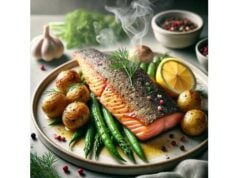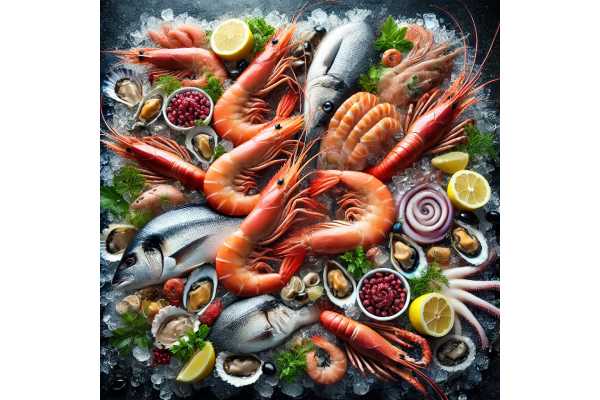
Shrimp are small in size but big in value: lean, fast-cooking, and widely available in fresh and frozen forms. A 100 g cooked portion typically delivers around 20–24 g of high-quality protein with minimal fat, plus selenium, vitamin B12, and choline. Because shrimp live low in the food chain and are short-lived, they tend to carry very low mercury, making them a popular choice for families and for people who want the benefits of seafood without the “fishy” taste. Culinary range is broad—boiled, seared, grilled, poached, stir-fried, or baked—and even small tweaks in technique can keep shrimp tender and juicy rather than rubbery. Like all shellfish, they do present allergy risks, and—if eaten raw—microbial hazards. This guide walks you through the nuanced pros and cons: nutrient profile per 100 g, evidence-based health benefits, safety, smart purchasing, sustainability, storage, and step-by-step cooking tactics that preserve nutrients and flavor while minimizing risk.
Fast Facts
- Typical serving: 100–120 g cooked (about 10–12 medium), 2–3 times weekly fits most healthy eating patterns.
- Key benefits: high-protein, low-fat seafood that is rich in selenium and vitamin B12; generally low in mercury.
- Safety note: avoid raw or undercooked shrimp; cook to opaque and firm with an internal temperature of 63 °C (145 °F).
- Who should limit or avoid: anyone with shellfish allergy; people with weakened immunity or chronic liver disease should avoid raw preparations.
Table of Contents
- Shrimp Explained
- Shrimp Nutrition Profile
- Shrimp Health Benefits
- Risks, Allergies and Interactions
- Buying, Sustainability and Storage
- Cooking Shrimp for Nutrition
- Portions, Comparisons and FAQs
Shrimp Explained
Shrimp are decapod crustaceans harvested worldwide from both wild fisheries and aquaculture. You will see them labeled by species (e.g., white, brown, pink, tiger, spot), shell condition (shell-on or peeled), and processing (raw, cooked, fresh, frozen, IQF—individually quick frozen). Size is sold by “count per pound” (e.g., 16/20 = roughly 16 to 20 shrimp per pound). The lower the count, the larger the shrimp.
From a nutrition perspective, shrimp stand out among animal proteins for offering high protein with very little fat and no carbohydrate. Unlike most finfish, they are notable for higher cholesterol per 100 g but remain low in saturated fat. Shrimp also supply selenium (an antioxidant trace mineral), vitamin B12, phosphorus, and choline. Iodine varies by species and water source but is often present at useful levels. Their pigment, astaxanthin, is a carotenoid that gives pink-orange color when cooked and acts as an antioxidant in the body.
Taste and texture depend on handling. Fresh shrimp should smell clean, like the sea, not “fishy” or ammonia-like. The flesh should be translucent and firm when raw. After cooking, shrimp turn opaque white with pink or coral accents and a gentle snap. Overcooking is the most common mistake: it squeezes out moisture and toughens proteins.
Culinary uses are vast. Shrimp excel in quick sautés, mild curries, spring rolls, tacos, pasta, paella, gumbo, Thai and Vietnamese stir-fries, and Spanish-style garlic shrimp. They pair well with citrus, garlic, ginger, chilies, tomatoes, herbs, and olive oil. Because shrimp cook so quickly—often in 2–4 minutes—they are ideal for weeknight meals and batch-cooking for high-protein lunches. If sodium is a concern, choose raw shrimp without added brine (many frozen products are treated with salt or phosphates). If sustainability matters to you, prefer responsibly farmed or certified wild sources (see Section 5).
In short, shrimp are a nutrient-dense, versatile seafood choice with a favorable risk profile when cooked properly and sourced responsibly.
Shrimp Nutrition Profile
How to read this section: Values below are typical for cooked shrimp (moist-heat) per 100 g. Nutrient levels vary by species, diet, and water source. Sodium may be higher in brined or processed products. Daily Values (%DV) use current U.S. DVs for adults and children ≥4 years.
Macros and Electrolytes (per 100 g cooked)
| Nutrient | Amount | %DV |
|---|---|---|
| Energy | 99 kcal | — |
| Protein | 24.0 g | 48% |
| Total Fat | 0.3 g | <1% |
| Saturated Fat | 0.1 g | <1% |
| Carbohydrate | 0.2 g | 0% |
| Total Sugars | 0.0 g | 0% |
| Dietary Fiber | 0.0 g | 0% |
| Sodium* | 110 mg | 5% |
| Potassium | 260 mg | 6% |
| Water | 74 g | — |
*Sodium can exceed 400 mg/100 g in brined or phosphate-treated frozen shrimp—check labels.
Fats and Fatty Acids
| Fatty Acid | Amount | Notes |
|---|---|---|
| Omega-3 (EPA+DHA) | ~0.3 g | Varies by species/diet; contributes to heart benefits. |
| Monounsaturated + Polyunsaturated | ~0.2 g | Trace amounts relative to protein content. |
| Trans Fat | 0 g | — |
Protein and Key Amino Acids
| Component | Amount | Notes |
|---|---|---|
| Protein | 24 g | High biological value; all essential amino acids. |
| Taurine | ~0.05–0.2 g | Conditionally essential; supports bile acid conjugation. |
Vitamins
| Vitamin | Amount | %DV |
|---|---|---|
| Vitamin B12 (cobalamin) | 1.1 µg | 46% |
| Niacin (B3) | 1.8 mg | 11% |
| Vitamin B6 (pyridoxine) | 0.2 mg | 12% |
| Vitamin E (alpha-tocopherol) | 1.0 mg | 7% |
| Vitamin D | 0.0–2.0 µg | 0–10% |
| Folate | 15 µg | 4% |
| Choline | 160 mg | 29% |
Minerals
| Mineral | Amount | %DV |
|---|---|---|
| Selenium | 40–60 µg | 73–109% |
| Phosphorus | 200 mg | 16% |
| Zinc | 1.3 mg | 12% |
| Iodine† | 20–90 µg | 13–60% |
| Iron | 0.5–1.8 mg | 3–10% |
| Calcium | 60 mg | 5% |
| Magnesium | 30 mg | 7% |
†Iodine varies widely by habitat and feed; saltwater species tend to be higher.
Allergens and Intolerance Markers
- Major allergen: tropomyosin (heat-stable).
- Other proteins (arginine kinase, myosin light chain) can contribute to reactions.
- Cross-reactivity: other crustaceans (crab, lobster) > mollusks (clams, oysters) in many patients.
Contaminants/Residues
- Mercury: typically low for shrimp relative to many finfish.
- Microbes: risk exists in raw/undercooked forms (see Section 4).
- Additives: some frozen products contain sodium tripolyphosphate (STPP) to retain moisture; increases sodium and can alter texture.
Footnotes
- Values reflect cooked, moist-heat shrimp without added brine unless noted.
- Omega-3 content and iodine are influenced by species and aquaculture feed; check producer data when available.
Shrimp Health Benefits
1) High-quality protein with minimal calories
Per 100 g cooked, shrimp provide roughly 24 g of complete protein for about 99 kcal. That’s a dense protein-to-calorie ratio useful for preserving lean mass during weight management, athletic recovery, and aging-related muscle loss (sarcopenia). Because shrimp are nearly carbohydrate-free and very low in fat—including saturated fat—they fit into Mediterranean, DASH, high-protein, and lower-carb patterns.
2) Selenium and antioxidant support
Shrimp are an excellent source of selenium, a cofactor in glutathione peroxidases and other selenoproteins that limit oxidative damage. Observational data link adequate selenium status to reduced risk of some cardiometabolic and thyroid issues. In shrimp, selenium is well-absorbed; cooking does not meaningfully diminish it. Astaxanthin—the carotenoid that turns shrimp pink—adds further antioxidant capacity. While clinical trials are still clarifying dose-response for astaxanthin, food-based intakes from seafood contribute to overall carotenoid exposure.
3) Cardiovascular advantages of seafood patterns
Eating seafood 1–2 times per week is consistently associated with lower risk of fatal coronary heart disease and ischemic stroke. Even though shrimp are lower in omega-3 than oily fish, substituting shrimp for red or processed meats reduces saturated fat and may improve overall diet quality. Shrimp’s modest EPA+DHA content still contributes to the weekly total. Practically, many people find shrimp more palatable and versatile than fish, which can boost adherence to heart-healthy patterns.
4) Vitamin B12, choline, and neurological support
A 100 g portion provides around 46% of the Daily Value for vitamin B12 and ~160 mg of choline. Both nutrients support methylation pathways and normal neurologic function. Choline also helps maintain liver health by supporting lipid transport and very-low-density lipoprotein (VLDL) synthesis.
5) Iodine for thyroid hormone synthesis
Iodine levels vary across shrimp species but often contribute meaningfully toward daily needs. For people who do not regularly consume dairy or iodized salt, seafood like shrimp can help close iodine gaps that affect thyroid hormone production (T3 and T4), energy metabolism, and development during pregnancy.
6) Glycemic friendliness
With essentially zero carbohydrate and negligible glycemic impact, shrimp can be valuable in blood-sugar-controlled meal planning. When paired with fiber-rich vegetables and whole grains, shrimp-based meals help moderate post-meal glucose excursions by providing satiating protein without added sugars or starch.
What about cholesterol?
Shrimp contain more dietary cholesterol than most fish (often ~150–200 mg per 100 g cooked). For most people, the effect of dietary cholesterol on blood LDL is modest compared with saturated fat and overall dietary pattern. Many individuals can include shrimp as part of a heart-healthy eating plan that emphasizes plants, whole grains, nuts, and oily fish. If you have familial hypercholesterolemia or have been advised to limit dietary cholesterol, see Section 7 for portion guidance and talk with your clinician or dietitian.
Bottom line
Shrimp can support heart-forward, high-protein eating with built-in micronutrients (selenium, B12, choline, iodine). The main caveats are allergy risks, microbial safety in raw products, and choosing lower-sodium, responsibly sourced options.
Risks, Allergies and Interactions
Shellfish allergy
Shrimp are among the most common food allergens in adults. Reactions are usually IgE-mediated to tropomyosin and can range from hives and lip swelling to wheeze, vomiting, and anaphylaxis. Cross-reactivity is common across crustaceans (shrimp, crab, lobster). Some—but not all—patients also react to mollusks (oysters, clams, scallops). Heat reduces but does not eliminate allergenicity; even well-cooked shrimp can trigger reactions. Anyone with a suspected shrimp allergy should obtain evaluation from an allergist; those with confirmed allergy should carry epinephrine autoinjectors as prescribed and strictly avoid exposure (including cross-contact in shared fryers or grills).
Microbiological hazards (raw or undercooked)
Raw shrimp can carry bacteria naturally found in marine waters. Most documented severe illnesses from Vibrio species are linked to raw oysters, but eating raw or undercooked seafood—including shrimp—raises risk of gastrointestinal illness. People with chronic liver disease, diabetes, hemochromatosis, or weakened immunity are at greater risk of severe outcomes and should avoid raw shellfish entirely. Thorough cooking to 63 °C (145 °F) and avoiding cross-contamination are the most effective preventive steps.
Chemical contaminants
- Mercury: Shrimp are generally low in methylmercury due to short lifespan and position low on the food chain, making them a “best choice” for frequency in most national advisories.
- Other contaminants: Levels of PCBs, dioxins, or microplastics vary by region and farming practices but are typically low compared with top predator fish. Choosing reputable brands and certified sources helps manage risk.
Sodium and additives
Frozen shrimp may be treated with sodium tripolyphosphate (STPP) or brines to maintain moisture. This can double or triple sodium content compared with untreated shrimp. For individuals with hypertension, heart failure, or kidney disease, opt for unbrined shrimp and rinse briefly before cooking.
Medication and condition considerations
- Gout/hyperuricemia: Shrimp are moderate in purines; frequency and total purine load across the diet matter more than any single food.
- Pregnancy and breastfeeding: Properly cooked shrimp are suitable and a useful source of iodine, B12, and protein. Follow local guidance on total weekly seafood portions and avoid raw preparations.
- Histamine intolerance: Not common with shrimp, but time-temperature abuse of seafood can raise biogenic amines; buy from cold chains you trust and refrigerate promptly.
Environmental allergies vs. food allergy
Dust-mite and cockroach allergies involve tropomyosins that are immunologically similar to crustacean proteins. This may partly explain the relatively high prevalence of shrimp allergy in some populations. Clinical evaluation is needed to determine true food allergy vs. sensitization.
Practical risk reduction checklist
- Buy from reputable suppliers with cold-chain integrity.
- Keep shrimp at ≤4 °C (≤40 °F); cook promptly.
- Cook to opaque/firm; avoid raw marinated shrimp.
- Prevent cross-contamination (separate boards/knives).
- For sodium-sensitive individuals, choose “no STPP/no brine” products.
Buying, Sustainability and Storage
Fresh vs. frozen
Most “fresh” shrimp in markets were previously frozen and thawed for display. Unless you’ll cook the same day, buy frozen IQF shrimp to better control quality and reduce waste. Look for intact shells, minimal ice crystals, and no freezer burn. Avoid packages with excessive liquid or strong odors.
Label literacy
- Count per pound: 16/20 = large; 26/30 = medium; 41/50 = small.
- Head-on vs. headless: Head-on yields sweeter flavor for broths but spoils faster.
- Peeled/deveined (P&D): Convenient but pricier; shells protect meat during cooking.
- Raw vs. cooked: Choose raw for most recipes; pre-cooked can overcook easily.
Sustainability and ethics
Responsibly managed fisheries and well-run shrimp farms can minimize bycatch, disease, and habitat damage. Practical tips:
- Prefer certifications and eco-labels from reputable programs or buy U.S./EU farmed or wild shrimp where oversight is strong.
- For imported farmed shrimp, favor producers known for disease control, low antibiotic use, and effluent treatment.
- Diversify seafood choices across species to reduce pressure on any single stock.
Cost-savvy strategies
- Buy larger bags of IQF shrimp when on sale; portion and refreeze promptly.
- Shell-on is often cheaper and yields flavorful stock from shells and heads.
- Choose sizes that match your recipes; fewer large shrimp can be as satisfying as many small ones.
Storage and food safety
- Refrigeration (raw): Up to 1 day at ≤4 °C (≤40 °F). Cook or freeze quickly.
- Freezer (raw): 3–6 months at −18 °C (0 °F) in airtight packaging.
- Refrigeration (cooked): 2–3 days; cool rapidly and store covered.
- Reheating: Gentle reheating (e.g., quick sauté) to avoid toughness.
- Thawing: Overnight in the fridge is best. For rapid thaw, submerge sealed bag in cold water 20–30 minutes, changing water once; cook immediately.
Quality cues
- Positive signs: translucent flesh (raw), springy texture, mild briny scent.
- Red flags: ammonia odor, black spots (melanosis) spreading on shell, mushy texture—these signal age or poor handling.
Sourcing for special diets
- Low-sodium: Seek labels stating “no added salt” or “no STPP.”
- Kosher/Halal: Look for appropriate certification marks.
- Allergy-aware households: Buy raw, unseasoned shrimp processed in dedicated facilities when possible to minimize cross-contact with other allergens.
Cooking Shrimp for Nutrition
Goals: preserve tenderness, retain micronutrients (selenium, B12, iodine), and maintain food safety. Because shrimp are small, the window between perfectly tender and overcooked is short; heat control and timing matter more than fancy equipment.
General rules
- Dry the surface. Pat shrimp dry so they sear instead of steam.
- High heat, short time for sautéing and grilling; gentle heat for poaching.
- Stop at opaque/firm. Curled into a loose “C,” not a tight “O.”
- Season smart. Use salt sparingly if monitoring sodium; acidity (lemon, vinegar) brightens flavor without extra salt.
Best methods for tenderness and nutrient retention
- Poach (gentle): Bring a flavorful broth to a bare simmer (80–90 °C / 175–195 °F). Add shrimp and remove heat; cover 4–6 minutes until opaque. This method minimizes moisture loss and preserves delicate nutrients, making it ideal for cold salads or bowls.
- Quick sauté: Preheat a skillet; add a thin film of oil. Cook shrimp in a single layer 1–2 minutes per side. Finish with garlic, herbs, citrus. This maximizes browning without overcooking.
- Grill/broil: Skewer large shrimp; grill over high heat 2–3 minutes per side. Brush with olive oil to prevent sticking.
- Steam: Over gently boiling water for 3–5 minutes. Steaming avoids dilution losses and works well for plain shrimp intended for cocktail sauce (choose low-sugar sauces).
- Oven roast: For sheet-pan meals, roast at 220 °C (425 °F) 6–8 minutes near the end so vegetables can cook longer.
Techniques that protect micronutrients
- Cook shrimp in the shell when practical; shells act as a barrier to moisture loss.
- Use short cooking times and avoid repeated reheating.
- Capture nutrients in soups or broths; simmer shells with aromatics to extract minerals and flavor.
Flavor builders without excess sodium
- Aromatics: garlic, shallot, ginger.
- Acids: lemon, lime, rice vinegar.
- Spices: smoked paprika, chili flakes, cumin, coriander.
- Herbs: parsley, cilantro, dill, basil.
- Healthy fats: extra-virgin olive oil; modest butter for richness if desired.
Food safety checkpoints
- Start with cold shrimp and keep raw and cooked items separate.
- Cook to 63 °C (145 °F) internal temperature (or until opaque/firm).
- Chill leftovers within 2 hours, sooner if ambient temperature is warm.
Sample nutrient-savvy meals
- Citrus-garlic shrimp with farro and broccoli: balances protein with fiber, vitamin C, and magnesium.
- Shrimp and vegetable stir-fry over brown rice: quick, high in selenium, B vitamins, and phytonutrients.
- Shrimp corn chowder (light): use a stock from shells for flavor; finish with milk or a cashew puree instead of heavy cream.
Portions, Comparisons and FAQs
Recommended portions and frequency
- A standard cooked portion is 100–120 g (about 10–12 medium shrimp).
- Most healthy adults can include 2–3 seafood meals per week; variety matters. Shrimp can make up one or two of those servings, balanced with oily fish (salmon, sardines) for higher omega-3 intake.
- For children, match portion to age and appetite (e.g., 28–85 g cooked), focusing on properly cooked, low-mercury options.
Comparisons with other proteins (per 100 g cooked)
- Shrimp vs. salmon: Salmon offers more omega-3 (≈1.5–2.5 g) and vitamin D; shrimp offer similar protein with far fewer calories, and more selenium but less omega-3.
- Shrimp vs. chicken breast: Both are lean and high in protein; shrimp add marine micronutrients (iodine, selenium) but have more sodium (especially if brined) and cholesterol.
- Shrimp vs. tofu: Tofu provides plant protein, iron (often), and isoflavones; shrimp provide B12 and omega-3 not present in tofu.
Who should limit or avoid shrimp?
- Confirmed shellfish allergy: strict avoidance; carry epinephrine as advised.
- Severe sodium restriction: choose no-brine products and monitor portion sauces.
- People avoiding raw seafood: all at-risk individuals (e.g., chronic liver disease, immunocompromise) should avoid raw preparations entirely; cooked shrimp are appropriate.
Budget and pantry tips
- Keep a bag of frozen raw IQF shrimp for fast weeknight dinners.
- Buy shell-on to save money and make stock from shells.
- Stretch shrimp in mixed dishes (stir-fries, paella, pasta with vegetables) for flavor and protein at lower cost per serving.
Frequently Asked Questions
Does shrimp raise cholesterol?
Shrimp contain ~150–200 mg cholesterol per 100 g cooked. In most people, dietary cholesterol has a smaller effect on LDL than saturated fat and overall diet quality. If you have high LDL or inherited lipid disorders, discuss individualized limits with your clinician. Replacing fatty meats with shrimp can still be beneficial due to lower saturated fat.
Is farmed shrimp safe?
Quality varies. Look for responsible producers and certifications, and cook properly. Reputable farms manage disease, feed, and water quality; antibiotics are regulated in many markets. Buying from trusted retailers helps ensure compliance.
Can I eat shrimp during pregnancy?
Yes—cooked shrimp are considered a low-mercury choice and can help supply iodine and B12. Aim for a variety of seafood over the week. Avoid raw shrimp and ensure good hygiene.
Should I rinse shrimp?
A quick rinse of raw, unbrined shrimp is fine, then pat dry. If shrimp were brined, a brief rinse can remove surface salt before cooking. Always sanitize the sink and surrounding surfaces afterward.
How can I reduce sodium in shrimp dishes?
Choose no-brine shrimp, season with herbs, acids, and spices, and mind sauces (cocktail sauce, soy sauce). Make your own low-sodium spice blends.
What size cooks best?
Medium to large (21/25 or 26/30) offer a good balance of price, texture, and even cooking. Jumbo sizes are excellent for grilling but cost more.
Why do some shrimp turn mushy?
Likely from poor handling, repeated thawing/refreezing, or excessive phosphate treatment. Buy IQF from trusted brands and cook soon after thawing.
References
- USDA FoodData Central 2025
- Advice about Eating Fish 2024 (Guidance)
- About Vibrio Infection 2024
- 2021 Dietary Guidance to Improve Cardiovascular Health 2021 (Guideline)
- An Overview of Seafood Allergens 2025 (Systematic Review)
Disclaimer
The information in this article is educational and is not a substitute for personalized medical advice, diagnosis, or treatment. Always consult your healthcare professional or a registered dietitian about your specific health conditions, medications, and dietary needs—especially if you are pregnant, breastfeeding, immunocompromised, living with cardiovascular or kidney disease, or have a history of food allergies.
If you found this guide helpful, please consider sharing it on Facebook, X, or your favorite platform to support our work in creating reliable, people-first nutrition content.