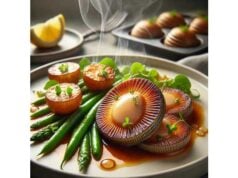
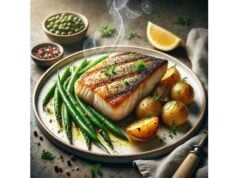
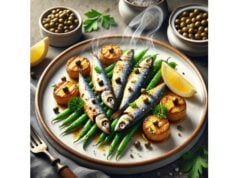
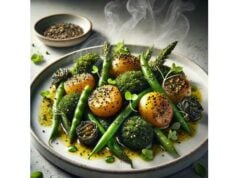
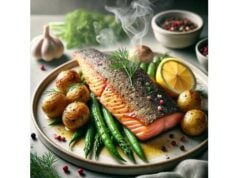
Sheepshead is a mild, firm, white fish popular along the Atlantic and Gulf coasts. Known for its shell-crushing teeth and sweet, crustacean-fed flavor, it offers high-quality protein with very little fat and virtually no carbohydrate. A typical 100 g cooked portion delivers around 22–25 g of protein for roughly 110–130 kcal, plus valuable micronutrients like selenium, phosphorus, vitamin B12, and potassium. Because sheepshead is a short-lived, nearshore species that feeds low on the food chain, it tends to be a low-mercury choice and a practical alternative to pricey premium fillets. In the kitchen, it’s versatile: roast it on a sheet pan, pan-sear for tacos, steam for delicate plates, or poach for salads and grain bowls. This guide translates the science and the craft—nutrition per 100 g with %DV, evidence-based health benefits, safety notes (including raw seafood risks), smart buying and storage, and step-by-step cooking methods that preserve nutrients without sacrificing flavor.
Quick Overview
- High-protein, low-fat white fish with about 22–25 g protein and 110–130 kcal per 100 g cooked.
- Generally low in mercury thanks to short lifespan and diet; a good family-friendly seafood option.
- Safety: avoid raw or undercooked fish; cook to opaque and 63 °C (145 °F) internal temperature.
- Typical serving: 100–120 g cooked (one fillet), enjoyed 2–3 times weekly as part of varied seafood intake.
- People with shellfish or fish allergies, the immunocompromised, and pregnant individuals should avoid raw preparations.
Table of Contents
- Sheepshead Detailed Overview
- Sheepshead Nutrition Profile
- Evidence-Based Health Benefits
- Risks, Allergies and Interactions
- Selecting, Sustainability and Storage
- Preparation, Cooking and Nutrient Retention
- Portions, Comparisons and FAQs
Sheepshead Detailed Overview
Sheepshead (Archosargus probatocephalus) is a coastal sparid prized by inshore anglers and chefs for its clean, subtly sweet flavor. Its diet—barnacles, crabs, shrimp, clams—yields a firm, moist fillet that holds together under heat but flakes easily on the plate. If you like snapper, black drum, or porgy, sheepshead will feel familiar: mild, not oily, with a delicate sea sweetness and a pleasant bite.
How it’s sold: Whole (scaled and gutted), skin-on fillets, or skin-off fillets. Market names may include “sheepshead,” “sheepshead porgy,” or regional nicknames. Because it’s often a local, hook-and-line catch, supply can be seasonal. Fillets are modest in size—commonly 120–170 g (4–6 oz) each—so one fillet is a natural portion.
Why cooks like it:
- Texture: Compact muscle and moderate moisture make it versatile for searing, roasting, steaming, or poaching.
- Flavor pairing: Because it’s mild, it welcomes bright acids (lemon, lime), soft herbs (parsley, dill), and aromatics (shallot, garlic).
- Even cooking: Fillets are not as thick as salmon or cod, so they cook swiftly and predictably—useful for weeknights.
Nutrition snapshot (plain cooked): Sheepshead is a high-protein, low-fat fish with virtually zero carbohydrate. Like other lean white fish, it’s a practical way to raise protein without pushing calories high. It also contributes selenium (for antioxidant enzymes), vitamin B12 (for red blood cells and nerves), and phosphorus (for bones and energy metabolism). Potassium support helps balance sodium in the diet.
Mercury and sustainability in a sentence: As a relatively short-lived, coastal omnivore, sheepshead tends to be low in mercury compared with larger predatory fish, and many U.S. state fisheries manage stocks conservatively. Responsible local sourcing and quick chilling after harvest keep quality high.
Culinary applications:
- Fast sear: Crisp skin-on fillets in a hot pan for tacos or grain bowls.
- Sheet-pan roast: Pair with asparagus, tomatoes, or fennel; 8–12 minutes total.
- Poach and chill: Flake into salads with citrus and olive oil.
- Steam or en papillote: Aromatic, gentle cooking that preserves moisture and micronutrients.
Bottom line: sheepshead is a nutrient-dense, approachable white fish that rewards simple technique with clean, bright flavor.
Sheepshead Nutrition Profile
How to use this section: Values below reflect cooked sheepshead, dry heat, no added fat per 100 g. Actual values vary by season, size, and water conditions. Where an official %DV exists, it is shown for adults and children ≥4 years.
Macros and Electrolytes (per 100 g cooked)
| Nutrient | Amount | %DV |
|---|---|---|
| Energy | 120 kcal | — |
| Protein | 23.5 g | 47% |
| Total Fat | 2.2 g | 3% |
| Saturated Fat | 0.5 g | 3% |
| Carbohydrate | 0.0 g | 0% |
| Total Sugars | 0.0 g | 0% |
| Dietary Fiber | 0.0 g | 0% |
| Sodium* | 75 mg | 3% |
| Potassium | 360 mg | 8% |
| Water | 73 g | — |
*Sodium reflects plain cooked fillet; brined or seasoned products can be higher.
Fats and Fatty Acids
| Fatty Acid | Amount | Notes |
|---|---|---|
| Omega-3 (EPA + DHA) | ~0.4 g | Typical of lean white fish; supports weekly omega-3 totals. |
| Omega-6 (LA) | ~0.1 g | Trace. |
| Monounsaturated + Polyunsaturated | ~1.2 g | Majority of total fat. |
| Trans Fat | 0 g | None in the fish itself. |
Protein and Amino Acids
| Component | Amount | Notes |
|---|---|---|
| Protein | 23.5 g | High biological value with all essential amino acids. |
| Taurine | ~0.05–0.15 g | Conditionally essential; supports bile acid conjugation. |
Vitamins
| Vitamin | Amount | %DV |
|---|---|---|
| Vitamin B12 (cobalamin) | 1.5 µg | 63% |
| Niacin (B3) | 4.0 mg | 25% |
| Vitamin B6 (pyridoxine) | 0.3 mg | 18% |
| Vitamin D | 0.5–2.0 µg | 3–10% |
| Folate | 12 µg | 3% |
| Choline | 75 mg | 14% |
Minerals
| Mineral | Amount | %DV |
|---|---|---|
| Selenium | 35–55 µg | 64–100% |
| Phosphorus | 240 mg | 19% |
| Magnesium | 30 mg | 7% |
| Zinc | 0.6 mg | 5% |
| Iron | 0.4–0.8 mg | 2–4% |
| Calcium | 20–30 mg | 2% |
| Iodine† | 20–80 µg | 13–53% |
†Iodine varies by habitat and diet; coastal species typically supply useful amounts.
Allergens and Intolerance Markers
- Fish proteins can trigger IgE-mediated allergy in susceptible individuals.
- Cross-reactivity across fish species is possible but not universal; confirm with an allergist.
- Histamine formation is rare in sheepshead compared with scombroid species but can occur with temperature abuse.
Contaminants/Residues
- Mercury: Typically low for sheepshead relative to higher-trophic fish.
- Microbes: As with any seafood, raw or undercooked portions can harbor pathogens; proper cooking mitigates risk.
- Additives: Plain fish rarely contains additives; sodium rises mainly from brines or sauces rather than the fish itself.
Footnotes
- Data are compiled from standard food composition references for lean, cooked white fish and species-specific entries where available.
- Values reflect cooked fish; raw fillets show lower concentrations due to higher water content.
Evidence-Based Health Benefits
1) Lean protein that supports satiety and muscle maintenance
A 100 g serving of cooked sheepshead provides roughly 23–24 g of complete protein for about 120 kcal. That profile is useful for people pursuing weight management, strength goals, or healthy aging. Higher-protein meals increase satiety hormones and help preserve lean mass when calories are controlled. Replacing refined carbohydrates or processed meats with lean fish is a practical way to improve overall diet quality without increasing calories.
2) Heart-forward dietary pattern—benefits beyond any single nutrient
Decades of research show that dietary patterns emphasizing seafood, vegetables, legumes, whole grains, and unsaturated fats are linked with lower cardiovascular risk. While oily fish deliver the most EPA and DHA per serving, lean species like sheepshead still contribute omega-3s and, importantly, displace foods rich in saturated fat. That swap reduces LDL-raising fats and aligns with major heart-health guidance. Consider sheepshead as one of your two or more weekly seafood meals.
3) Selenium and vitamin B12 for antioxidant and neurologic functions
Sheepshead generally supplies around two-thirds to a full day’s selenium per 100 g. Selenium is central to antioxidant enzymes (e.g., glutathione peroxidases) that help limit oxidative stress. Vitamin B12 supports red blood cell formation and nerve function. Together with phosphorus and choline, these nutrients reinforce metabolic and neurologic health.
4) Potassium helps balance sodium
With approximately 360 mg potassium per 100 g and very little intrinsic sodium, sheepshead can help tilt the diet toward a more favorable potassium-to-sodium ratio. Pairing sheepshead with potassium-rich sides—spinach, beans, roasted squash—builds meals that support healthy blood pressure.
5) Low-mercury seafood choice
Because sheepshead feed on invertebrates and algae and mature quickly, they accumulate less methylmercury than longer-lived predatory fish. That makes them a pragmatic selection for families, including people who are pregnant, as part of varied seafood intake. As always, balance your weekly seafood with a mix of low-mercury species.
6) Glycemic neutrality
Like most fish, sheepshead contains no carbohydrate and has minimal impact on post-meal glucose. When combined with fiber-rich sides, it fits well into blood sugar–aware eating patterns.
Bottom line
Sheepshead contributes high-quality protein, helpful micronutrients, and a low-mercury profile that supports general and cardiovascular health when prepared safely and as part of a diverse, plant-forward diet.
Risks, Allergies and Interactions
Food allergy considerations
Fish allergy can provoke symptoms from hives to anaphylaxis. Although not as common as shellfish allergy, fish allergies are clinically important and often persistent. Cross-reactivity between different fish can occur due to shared muscle proteins such as parvalbumin, but it is not universal. People with suspected fish allergy should seek evaluation from an allergist. Avoid raw or cooked exposure until cleared, and discuss emergency action plans, including epinephrine if prescribed.
Microbiological risks
- Raw or undercooked fish: Consuming raw fish carries risk of bacterial or parasitic infection. The most widely publicized severe marine infections are associated with Vibrio species in warm coastal waters and are strongly linked with raw shellfish, particularly oysters; however, any raw or undercooked seafood can cause illness.
- Who is higher risk: Individuals with chronic liver disease, diabetes, hemochromatosis, or compromised immunity; pregnant people; and older adults should avoid raw preparations and ensure fish is cooked to 63 °C (145 °F).
- Kitchen hygiene: Prevent cross-contamination by using separate boards and knives for raw fish, chilling promptly, and discarding fish held at room temperature for over 2 hours.
Chemical contaminants
- Mercury: Sheepshead are generally low in methylmercury; routine consumption within national seafood guidance is considered appropriate for most people.
- Other pollutants: Levels of persistent organic pollutants (e.g., PCBs, dioxins) are typically far below large predator species due to sheepshead’s place in the food web. Always follow local advisories for recreational catches.
Bones and choking
Fillets often contain small pin bones that may remain even after careful trimming. When serving children or older adults, flake the fish with a fork and inspect for bones before plating.
Medication and condition notes
- Sodium-sensitive diets: The fish itself is low in sodium, but commercial brines, marinades, and sauces can add substantial sodium. Choose plain fillets and season with herbs, citrus, and spices.
- Gout/hyperuricemia: Fish contributes purines; manage total dietary purine load and discuss personalized limits with a clinician.
- Pregnancy: Cook thoroughly; enjoy as part of the recommended weekly seafood intake, choosing a variety of low-mercury species.
Safe sourcing and handling checklist
- Buy from reputable sellers with reliable cold-chain practices.
- Keep at ≤4 °C (≤40 °F) from purchase to cooking; freeze promptly if not using within 1 day.
- Cook until opaque and flaking easily with a fork (or to 63 °C / 145 °F).
- Avoid cross-contact with raw juices; sanitize prep surfaces.
Selecting, Sustainability and Storage
Freshness cues
- Look for moist, translucent flesh (for raw fillets) with a slight sheen. Skin, if present, should appear taut with clear scales.
- Smell should be clean and ocean-like—never sour, ammonia-like, or “fishy.”
- Touch reveals quality: the fillet should spring back when pressed, not feel mushy.
Label literacy
- Form: skin-on fillets help protect moisture and make pan-searing easier; skin-off suits poaching and steaming.
- Previously frozen: Many “fresh” coastal fish were frozen at sea and thawed for sale; that’s not a negative if the thaw date is recent and the fish was handled cold.
- Additives: Plain fish typically has none. Avoid heavy brines if monitoring sodium.
Sustainability snapshot
Sheepshead stocks are often locally managed with gear types (e.g., hook-and-line) that produce minimal bycatch compared with large trawl fisheries. Consider:
- Favor regional, responsibly harvested fish where monitoring is strong.
- Diversify your seafood choices to reduce pressure on any single species.
- Buy in-season and from fishers or retailers who maintain the cold chain and handle fish carefully—quality and safety both rise when the supply chain is short and cold.
Smart storage
- Refrigerate (raw): Use within 1 day at ≤4 °C (≤40 °F). Place on a tray with crushed ice or the coldest shelf.
- Freeze (raw): Up to 3–6 months at −18 °C (0 °F) in vacuum-sealed or air-expressed packaging. Label with date.
- Refrigerate (cooked): 2–3 days in a covered container; cool quickly after cooking.
- Thawing: Best is overnight in the refrigerator. For same-day cooking, place the sealed fillet in cold water for 20–30 minutes, changing the water once; cook immediately.
Budget and quality tips
- Whole fish may be cheaper per kilogram; ask the fishmonger to scale and fillet, and request the frame for stock.
- If you cook fish often, invest in a digital thermometer for perfect doneness and food safety.
- Portion and freeze individual fillets for last-minute dinners; thaw only what you need.
Flavor pairings for weeknight wins
- Citrus + herb: lemon, parsley, and a hint of garlic.
- Mediterranean: cherry tomatoes, olives, oregano, olive oil.
- Gulf Coast: paprika, cayenne, thyme, and a squeeze of lime.
- East Asian–inspired: ginger, scallion, and a splash of rice vinegar (choose low-sodium sauces as needed).
Preparation, Cooking and Nutrient Retention
Goals: keep fillets moist, preserve micronutrients, and ensure food safety. Sheepshead is lean; overcooking quickly dries it out. Use heat you can control and stop as soon as the flesh turns opaque and flakes.
Core techniques
- Pan-sear (skin-on or skin-off)
- Pat fillets dry and season lightly with salt and pepper (or a salt-free blend).
- Heat a skillet until hot; add a thin film of oil.
- Cook skin-side down 3–4 minutes until the edges turn opaque; flip and cook 1–2 minutes more.
- Done when: center is just opaque and flakes with a fork. Rest 2 minutes.
- Why it works: quick searing limits moisture loss and preserves B vitamins and selenium.
- Sheet-pan roast
- Preheat oven to 220 °C (425 °F).
- Toss vegetables with oil and start them first; add seasoned fillets for the last 8–12 minutes.
- Tip: roast on parchment to prevent sticking and minimize added fat.
- Steam or en papillote (parchment packet)
- Place fish with sliced lemon, herbs, and a splash of stock in a packet; bake at 200 °C (400 °F) for 10–12 minutes.
- Why it works: gentle steam reduces nutrient losses into cooking liquids you discard and keeps texture silky.
- Poach and chill
- Bare simmer aromatic broth, slide in fillets, remove from heat, cover 8–10 minutes.
- Chill in the broth for salads or grain bowls.
- Nutrient note: save the broth for soups to capture minerals.
Nutrient-protective practices
- Short cooking time: Lean fish reaches doneness quickly; aim for 63 °C (145 °F) internal or “just-flaking” texture.
- Avoid repeated reheating: Cook what you need; if reheating, use gentle methods.
- Keep skin on when searing: It shields against direct heat and reduces surface dehydration.
- Acids and herbs instead of extra salt: Lemon, vinegar, parsley, dill, and smoked paprika amplify flavor without sodium.
Simple rubs and sauces (low-sodium options)
- Citrus-herb gremolata: minced parsley, lemon zest, crushed garlic, olive oil.
- Smoky spice rub: paprika, cumin, coriander, black pepper; finish with lime.
- Yogurt-dill sauce: plain yogurt, dill, grated cucumber, lemon juice.
Food safety checkpoints
- Keep raw fish chilled from store to stove.
- Wash hands and sanitize surfaces after handling raw fish.
- Cook to 63 °C (145 °F) or until opaque and flaking; refrigerate leftovers within 2 hours.
Meal ideas with balance
- Seared sheepshead with white beans and charred broccoli: protein, fiber, and potassium in one plate.
- Parchment-baked sheepshead with fennel and lemon: delicate, aromatic, and low in added fat.
- Fish taco bowls: brown rice, cabbage slaw, avocado, and salsa; adjust sodium by making sauces at home.
Portions, Comparisons and FAQs
Recommended portions and weekly frequency
- Standard serving: 100–120 g cooked (one modest fillet).
- Weekly cadence: 2–3 seafood meals for most adults fits widely recommended patterns; mix lean fish (like sheepshead) with oily fish (e.g., salmon, sardines) to meet omega-3 goals.
- Children: 28–85 g cooked, depending on age and appetite; always cook thoroughly and check for bones.
How sheepshead compares (per 100 g cooked)
- Sheepshead vs. salmon: Sheepshead is leaner (≈120 kcal vs. ≈180–220 kcal) and lower in omega-3; salmon contributes 1.5–2.5 g EPA+DHA and more vitamin D.
- Sheepshead vs. cod/haddock: Similar calories and protein; micronutrient differences are modest, often favoring sheepshead for selenium and B12 depending on source.
- Sheepshead vs. chicken breast: Comparable protein with different micronutrients (fish adds selenium, iodine, and marine omega-3s).
Who should limit or avoid?
- Fish allergy: Avoid and consult an allergist; cross-reactivity with other finfish is possible.
- Immunocompromised individuals, pregnant people, and older adults: Avoid raw or undercooked fish; enjoy thoroughly cooked fillets.
- Severe sodium restriction: The fish itself is low in sodium; monitor brines, rubs, and sauces.
Budget stretchers
- Buy whole fish in season; ask for filleting and keep the frame for stock.
- Opt for skin-on fillets for better moisture retention.
- Build bowls and tacos that stretch one fillet across two plates by emphasizing beans, vegetables, and whole grains.
Frequently Asked Questions
Is sheepshead “fishy”?
No. Properly handled sheepshead is mild and slightly sweet. Off odors indicate age or poor handling, not inherent flavor.
Does freezing hurt quality?
Not when done quickly and stored airtight. Many coastal fish are frozen at sea at peak freshness, then thawed for sale.
What internal temperature should I aim for?
63 °C (145 °F), or cook until the thickest part turns opaque and flakes with gentle pressure.
How do I keep it from drying out?
Do not overcook. Use medium-high heat for brief periods, or steam/poach gently. Rest fillets for 2 minutes after cooking to redistribute juices.
Is sheepshead good for meal prep?
Yes—especially when poached or steamed and chilled. Store cooked portions 2–3 days under refrigeration.
Are there bones?
Small pin bones may remain. After cooking, flake with a fork and remove them before serving children.
References
- Advice about Eating Fish 2024 (Guidance)
- About Vibrio Infection 2024
- 2021 Dietary Guidance to Improve Cardiovascular Health 2021 (Guideline)
- An Overview of Seafood Allergens 2025 (Systematic Review)
- Nutrition Facts for Fish, sheepshead, raw 2023
Disclaimer
This guide is for educational purposes and is not a substitute for personalized medical advice, diagnosis, or treatment. Always consult your healthcare professional or a registered dietitian about your dietary choices, especially if you are pregnant, breastfeeding, immunocompromised, have cardiovascular or kidney disease, or live with a history of food allergies.
If this article was helpful, please consider sharing it on Facebook, X, or your preferred platform. Your support helps us continue producing clear, evidence-based nutrition resources.