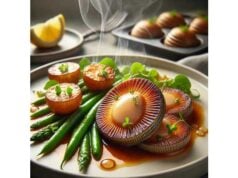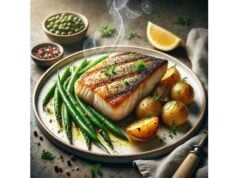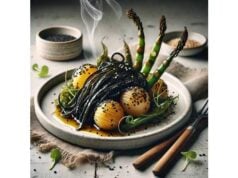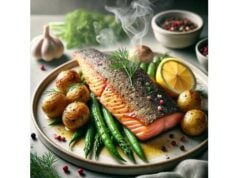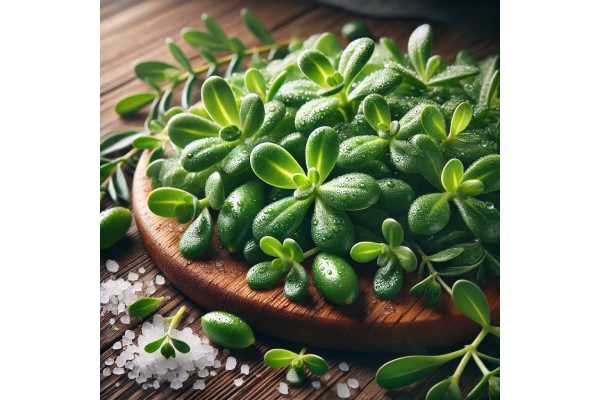
Sea purslane is a salt-loving coastal plant with a bright, briny bite and surprising nutrition. Eaten raw in salads or quickly sautéed like spinach, it brings natural salinity, crunch, and a hint of mineral sweetness. Its succulent leaves concentrate minerals such as potassium, magnesium, calcium, and iodine, and it supplies polyphenols and carotenoids that contribute antioxidant activity. Because it thrives in saline soils where many crops fail, sea purslane is drawing interest as a resilient “salty vegetable” for climate-challenged agriculture and as a flavor-forward way to cut added salt at the table. At the same time, halophytes can accumulate sodium and traces of metals from their marsh habitats, so informed sourcing and sensible portions matter. This guide translates the science into practical choices—what to look for, how to cook it to keep nutrients, how much to eat, and who should be cautious—so you can enjoy sea purslane with confidence.
Quick Overview
- Rich in potassium, magnesium, and iodine; natural salty taste helps reduce added salt.
- Source of polyphenols and carotenoids that support antioxidant defenses.
- Typical serving: 50–100 g fresh leaves, 1–2 times per week.
- Safety note: high natural sodium; rinse well and avoid polluted shorelines or unknown harvests.
- People with sodium-restricted diets or uncontrolled thyroid disease should limit or avoid.
Table of Contents
- Detailed Overview
- Nutrition Profile
- Evidence-Based Health Benefits
- Risks, Allergies and Interactions
- Selecting, Quality, Sustainability and Storage
- Preparation, Cooking and Nutrient Retention
- Portions, Comparisons and FAQs
Detailed Overview
Sea purslane is the culinary name used for two closely related coastal succulents: the Atlantic–Mediterranean shrub Halimione portulacoides (formerly Atriplex portulacoides) and the tropical creeping species Sesuvium portulacastrum. Both are halophytes—plants that naturally tolerate and even require saline environments. Their thick leaves act like miniature water reservoirs, concentrating electrolytes and protective phytochemicals that help the plant handle salt, drought, and UV exposure. Those same adaptations shape its taste (pleasantly briny) and nutrition (mineral-dense with notable polyphenols and carotenoids).
Culinarily, fresh sea purslane behaves like a cross between baby spinach and samphire. The small, tender leaves can be tossed into salads, folded into seafood pastas, or used as a garnish that replaces some or all added salt. Slightly larger leaves soften in a minute or two of sautéing and pair well with olive oil, lemon, chili, and aromatics. Because the leaves carry natural sodium, a cook can often season with citrus and herbs instead of more salt; this is useful for diners working to reduce sodium intake without sacrificing flavor.
Beyond the kitchen, sea purslane has emerging value in saline agriculture and aquaculture. It efficiently takes up nitrogen and phosphorus from nutrient-rich waters and can be integrated into recirculating systems, where its biomass becomes a marketable vegetable. On land, it tolerates brackish estuaries and salt-spray zones that limit conventional crops, offering coastal growers a niche vegetable with a unique flavor story.
Despite its promise, sea purslane demands mindful sourcing. Like many salt-marsh plants, it can accumulate sodium and, depending on local conditions, traces of metals in roots and, to a lesser extent, shoots. Responsible producers test soils and water, harvest only from clean sites, and comply with food-safety requirements. Home foragers should avoid industrial estuaries, marinas, and runoff drains, and they should harvest lightly to protect habitats. In markets, look for crisp, blemish-free leaves, bright green color, and a clean marine smell—never sulfuric or muddy.
In short: sea purslane is a flavorful, nutrient-forward coastal vegetable that can help diversify diets and reduce reliance on added salt when sourced and prepared with care.
Nutrition Profile
The composition of sea purslane varies with species, season, and salinity. The values below summarize typical ranges for fresh leaves (edible portion) from clean coastal sites and cultivated systems. Use them as practical guidance rather than absolute constants.
Per 100 g fresh sea purslane — Macros & Electrolytes
| Nutrient | Amount | %DV* |
|---|---|---|
| Energy | 25–35 kcal | — |
| Water | ~85–90 g | — |
| Protein | 1.5–2.5 g | 3–5% |
| Total fat | 0.3–0.6 g | <1% |
| Carbohydrate | 3–5 g | 1–2% |
| Dietary fiber | 1.5–3.0 g | 5–11% |
| Sodium | 400–500 mg | 17–22% |
| Potassium | ~500 mg | 11% |
| Magnesium | ~110 mg | 26% |
| Calcium | ~100 mg | 8% |
*%DV based on adult Daily Values.
Minerals (per 100 g fresh)
| Mineral | Amount | %DV |
|---|---|---|
| Iron | ~5.7 mg | 32% |
| Zinc | ~1.0 mg | 9% |
| Copper | ~0.17 mg | 19% |
| Manganese | 0.5–1.5 mg | 22–65% |
| Phosphorus | ~16–25 mg | 1–2% |
| Iodine | ~130 µg | 87% |
Vitamins & Bioactives
| Component | Typical presence |
|---|---|
| Vitamin A activity (carotenoids) | Present (lutein, zeaxanthin, β-carotene) |
| Vitamin C | Low to moderate (variable with season) |
| Vitamin E (tocopherols) | Trace to low |
| Polyphenols | Isorhamnetin sulfates and related flavonoids (notable antioxidant activity) |
| Glutathione and phytochelatins | Present (cellular defense peptides) |
Fats & Fatty Acids
Sea purslane is low in total fat but can contain beneficial fatty acids in the leaf membranes. Profiles vary; some samples show a favorable omega-6:omega-3 ratio with meaningful α-linolenic acid (ALA).
Protein & Amino Acids
Protein content is modest on a fresh-weight basis (roughly 2 g/100 g), reflecting high moisture. On a dry-weight basis, leaves can reach ~10% crude protein. Amino acid data remain limited; treat sea purslane as a vegetable side rather than a primary protein source.
Allergens & Intolerance Markers
No common IgE-mediated allergens are documented for sea purslane. As a succulent coastal vegetable, it may concentrate sodium and trace iodine; individuals sensitive to high sodium or iodine intake should moderate portions.
Footnote on variability: Mineral and bioactive levels shift with salinity, flood cycles, and site quality. Cultivated, tested product offers the most consistent nutrient profile.
Evidence-Based Health Benefits
Mineral support with natural salinity. Sea purslane is unusual among leafy vegetables for delivering substantial electrolytes—particularly potassium and magnesium—alongside sodium. Potassium and magnesium contribute to normal blood pressure regulation, nerve function, and muscle contraction. Because the leaves taste naturally salty, cooks can often season dishes with less added salt; used this way, sea purslane can fit into sodium-reduction strategies while still providing flavor.
Iodine contribution for thyroid function. As a coastal plant, sea purslane can supply meaningful iodine, an essential component of thyroid hormones. In cuisines with limited seaweed or dairy, occasional servings of sea purslane may help diversify iodine sources. That said, iodine content varies by site and species; it should complement, not replace, core iodine sources in the diet.
Antioxidant and anti-inflammatory compounds. Leaves contain carotenoids (lutein, zeaxanthin, β-carotene) and sulfated flavonoids (notably isorhamnetin derivatives) associated with antioxidant capacity in vitro. These compounds help plants withstand environmental stress and may contribute to dietary antioxidant intake. While human trials with sea purslane itself are limited, the compounds present are consistent with those found in other vegetables linked to improved oxidative and inflammatory markers.
A culinary bridge to lower-sodium cooking. Sea purslane’s briny snap upgrades seafood, grains, and legumes without a large salt shake. Replacing part of the added salt with chopped sea purslane (or a quick sauté of it) can reduce sodium per plate while preserving satisfaction—an important behavioral strategy for sustainable sodium reduction at home.
Sustainability co-benefits. In integrated aquaculture and coastal agriculture, sea purslane takes up nitrogen and phosphorus from nutrient-rich waters and thrives where saline soils impair conventional crops. Choosing responsibly grown sea purslane can support farms that recycle nutrients and conserve freshwater, aligning diet quality with environmental stewardship.
Practical takeaway: Sea purslane is not a cure-all, but as a flavorful, mineral-rich vegetable it can support nutrient diversity, help cooks lean on less added salt, and add phytochemicals associated with general antioxidant benefits.
Risks, Allergies and Interactions
Sodium load. Sea purslane’s pleasant salinity reflects real sodium. A 100 g serving can provide roughly 400–500 mg sodium (about 17–22% DV). People with hypertension, heart failure, kidney disease, or physician-directed sodium limits should keep portions small and rinse leaves thoroughly. Blanching and discarding the water can further reduce sodium if needed.
Iodine sensitivity and thyroid conditions. While typical servings are unlikely to cause iodine excess in healthy adults, individuals with thyroid disease (especially those advised to moderate iodine), or those taking thyroid medications, should avoid frequent large portions. Do not rely on sea purslane to treat iodine deficiency; use regular dietary guidance tailored by a clinician or dietitian.
Contaminants from poor habitats. Halophytes can retain metals especially in roots and, to a lesser extent, shoots. Risk depends on site quality. Choose farmed or legally harvested product from clean waters. Avoid foraging near industrial zones, marinas, storm drains, or sewage outfalls. When in doubt, do not harvest.
Microbial safety. As with any raw produce, sand and microbes can cling to leaves. Rinse well in cool water, drain, and refrigerate promptly. For high-risk groups (pregnancy, older age, immunocompromised), cook briefly rather than eating raw.
Medication considerations. High-potassium vegetables may be limited with certain kidney conditions or medications that impair potassium handling (e.g., some potassium-sparing diuretics). If you’ve been prescribed strict potassium or sodium limits, ask your clinician how sea purslane fits.
Allergic reactions. Documented IgE allergies to sea purslane are rare. However, cross-reactions to unrelated plants can occur idiosyncratically. If you experience tingling, swelling, or hives after consumption, stop and seek care.
Bottom line: Opt for tested, responsibly grown product, rinse well, use moderate portions, and consider your personal sodium, iodine, and potassium needs.
Selecting, Quality, Sustainability and Storage
Sourcing. Buy from reputable growers who can speak to water quality and harvesting sites. In markets, sea purslane is sold as young shoots or trimmed leaves; cultivated greenhouse or aquaponic product tends to be milder and more consistent. If foraging legally, learn to identify the local species and avoid protected habitats.
Quality cues. Look for vivid green leaves that are crisp, turgid, and unblemished. Stems should snap cleanly. Avoid sliminess, wilting, or muddy, sulfuric odors. A fresh, clean marine scent is ideal.
Sustainability notes. Sea purslane tolerates brackish irrigation and can be co-cultivated with shellfish or finfish in nutrient-recycling systems, reducing effluent and freshwater demand. Buying cultivated product encourages expansion of saline agriculture that leverages marginal lands while easing pressure on freshwater.
Handling & storage.
- Rinse: Swish in plenty of cool water to remove sand and surface salt; repeat as needed.
- Dry: Spin or pat dry to prevent sogginess.
- Hold: Refrigerate in a breathable container or perforated bag; use within 3–4 days.
- Prep: Trim fibrous stems in older plants; keep tender tips whole for salads.
Freezing: Blanch 30–45 seconds in unsalted boiling water, chill, drain, and freeze in thin layers. Texture will soften but works well in sautés and stews.
Ethical harvest (foragers): Clip only a few tips from each plant, never uproot, and leave plenty for regrowth and wildlife. Respect local rules and water-quality advisories.
Label literacy (packaged products): Some dried powders and condiments blend sea purslane with sea salt. Check sodium per serving and ingredient lists; “unsalted” products rely on the plant’s intrinsic saltiness rather than added salt.
Preparation, Cooking and Nutrient Retention
Keep it quick. Most nutrients in sea purslane are preserved with minimal heat. Fast methods—quick sauté, brief blanch, or warm toss in a hot pan off heat—soften the leaves without leaching minerals. Over-boiling or long stewing can lead to mineral loss into the cooking liquid.
Balance flavor and sodium. Because the leaves carry natural sodium, taste before salting. Build flavor with lemon, vinegar, garlic, chilies, black pepper, herbs, toasted nuts, and aromatic oils. If a dish still needs salt, add it at the very end in a small pinch so the tongue senses it on the surface.
Five fast, nutrient-savvy ideas:
- Citrus-garlic sauté: Heat olive oil, add sliced garlic, toss in sea purslane for 60–90 seconds, finish with lemon zest and juice.
- Briny salad booster: Fold raw chopped leaves into cherry tomatoes, cucumbers, and fresh herbs; dress with olive oil and lemon only.
- Seafood partner: Stir into clam linguine in the last minute of cooking to replace part of the salt and add color and crunch.
- Grain bowl greens: Wilt into warm farro or quinoa with roasted vegetables; season with tahini-lemon sauce (no added salt needed).
- Eggs and beans: Add to shakshuka or white beans with rosemary for a satisfying, lower-sodium brunch.
Sodium-reduction techniques:
- Rinse thoroughly; a short blanch reduces surface salts further.
- Use acid (lemon, vinegar) and umami (roasted mushrooms, tomato paste) to replace some salt.
- Combine with lower-sodium staples (potatoes, beans, whole grains) to dilute sodium per serving.
Retaining carotenoids and polyphenols: Pair with a little fat (olive oil, avocado) to aid absorption of fat-soluble carotenoids. Avoid prolonged high heat that darkens leaves and may reduce delicate compounds; quick cooking protects texture and color.
Food-safety step: As with leafy greens, wash hands, knives, and boards. Keep cold; cook or consume promptly.
Portions, Comparisons and FAQs
Suggested portion and frequency. For most healthy adults, 50–100 g fresh leaves once or twice a week is reasonable. This offers notable potassium and magnesium and a flavorful way to reduce added salt while keeping sodium intake in check. If you’re on a sodium-restricted or iodine-restricted plan, choose the low end (e.g., 30–50 g) and consult your clinician.
How does sea purslane compare to sea beans or spinach?
- Versus sea beans (salicornia): Sea purslane is less fibrous, often milder, and easier to use raw. Sodium is still significant but can be similar or slightly lower, depending on source.
- Versus spinach: Sea purslane offers more sodium (naturally), typically more magnesium on a fresh-weight basis, and a distinct briny flavor. Spinach is richer in folate and vitamin K and much lower in sodium.
Can I eat it raw? Yes—young leaves are crisp and pleasant raw. Rinse well. For higher-risk groups or when source hygiene is uncertain, cook briefly.
Is iodine content reliable? Iodine varies by species and site. Treat sea purslane as a supplemental iodine source rather than a primary one. Reliable, tested product gives more consistency than foraged leaves.
Does blanching waste minerals? A brief blanch reduces sodium at the cost of some water-soluble minerals. If you need to cut sodium, consider blanching and then using the cooked leaves in dishes already rich in minerals (e.g., beans, whole grains) to rebalance the plate.
Can I dry it into seasoning? Yes. Dehydrate gently, then grind. Remember that dried powders concentrate natural sodium—measure before salting.
Who should be cautious?
- People with physician-directed sodium limits.
- Individuals with uncontrolled thyroid disease or advised iodine restriction.
- Those with chronic kidney disease or on potassium-sparing medications (portion control).
- Anyone foraging near polluted waters.
Key tip: Let sea purslane replace some added salt rather than adding it to already salty foods. Use citrus, garlic, herbs, and olive oil to round out flavor.
References
- Sea Purslane as an Emerging Food Crop: Nutritional and Biological Studies 2021 (Research Article)
- Functional Food from Endangered Ecosystems: Atriplex portulacoides as a Case Study 2020 (Review)
- Iodine – Health Professional Fact Sheet 2024 (Guideline/Fact Sheet)
- Nutrient availability affects the polar lipidome of Halimione portulacoides 2020 (Research Article)
- Exploring the potentials of Sesuvium portulacastrum L. for edibility and bioremediation of saline soils 2024 (Review)
Disclaimer
This information is educational and does not replace personalized advice from your physician or a registered dietitian. Sea purslane’s sodium and iodine content vary by source and season; if you have heart, kidney, or thyroid conditions—or have been advised to limit sodium, iodine, or potassium—discuss appropriate portions with your healthcare professional.
If you found this helpful, please consider sharing it on Facebook, X (formerly Twitter), or your favorite platform to support our continued work on practical, evidence-based nutrition guides.