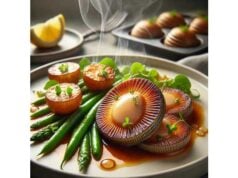
Sea cucumber—also called bêche-de-mer or trepang—has been prized for centuries across East and Southeast Asia for its delicate, gelatinous bite and restorative reputation. Despite the name, it is not a vegetable but a marine animal in the echinoderm family (a cousin of starfish). Eaten fresh, dried, or rehydrated, sea cucumber is naturally low in fat and calories yet rich in collagen-based protein, minerals, and unique compounds such as triterpene glycosides and chondroitin-like sulfates. In the kitchen, it excels at soaking up aromatics and sauces, adding soft crunch to braises, soups, and stir-fries without overwhelming flavor. Sustainably farmed species can also support coastal livelihoods when managed well. This guide covers what to know before you buy or cook sea cucumber: its detailed nutrition, potential health roles, safety nuances, quality signals, and step-by-step preparation so you can enjoy it confidently and responsibly at home.
Quick Overview
- Lean protein source (~9–13 g per 100 g cooked) with very low fat and modest calories.
- Collagen-rich texture and bioactive compounds studied for joint, skin, and metabolic support.
- Typical culinary portion: 80–120 g cooked or rehydrated, 1–2 times per week with varied proteins.
- Safety: watch sodium in salted/dried products; avoid if allergic to echinoderms or advised to limit marine supplements.
- Individuals on anticoagulants or with shellfish-adjacent allergies should introduce cautiously and avoid concentrated extracts unless medically approved.
Table of Contents
- Detailed Overview
- Nutrition Profile
- Evidence-Based Health Benefits
- Risks, Allergies and Interactions
- Selecting, Quality, Sustainability and Storage
- Preparation, Cooking and Nutrient Retention
- Portions, Comparisons and FAQs
Detailed Overview
Sea cucumbers are soft-bodied, bottom-dwelling invertebrates that feed on detritus and microalgae, helping recycle nutrients and keep seafloors clean. Globally, more than a dozen species are commonly harvested; culinary favorites include sandfish (Holothuria scabra), prickly red sea cucumber (Parastichopus californicus), and teatfish (Holothuria nobilis/fuscogilva). In markets you will see them fresh, frozen, salted, or sun-dried (bêche-de-mer). Dried product must be carefully rehydrated and cleaned before cooking to restore tenderness and remove residual grit.
Taste and texture: neutral sea flavor, mild sweetness, and a unique, resilient “bouncy” bite from its collagen-rich body wall. That neutrality is a virtue—it takes on ginger, scallion, star anise, soy, rice wine, and chicken stock beautifully, adding body to broths and silky chew to quick stir-fries. Sea cucumber also pairs well with mushrooms (shiitake, morels), shellfish, and gluten-free starches like rice noodles.
Nutrition-wise, sea cucumber is a lean protein with minimal fat and cholesterol, scant carbohydrate, and useful minerals (especially magnesium and selenium, with modest calcium and zinc). It supplies unusual marine polysaccharides and triterpene glycosides (holothurins) that have been explored for anti-inflammatory and antimicrobial actions in early research. Levels vary dramatically by species, habitat, and processing; salted products can be high in sodium unless properly desalinated.
Harvesting spans wild fisheries and aquaculture. Because demand is high and some species are slow to recover, sustainability matters. Look for farmed (hatchery-based) sandfish and regionally managed fisheries that publish stock assessments, size limits, and closed seasons. Avoid untraceable dried products, which may come from overexploited species or polluted waters.
Culinary roles: braised with poultry or abalone for celebratory banquets; sliced into soups for gentle body; flash-stir-fried with aromatics and greens; or served cold with sesame dressing for textural contrast. With good technique, sea cucumber acts as a luxurious textural ingredient that is light on calories yet satisfying.
Nutrition Profile
How these numbers work: Values below describe cooked or rehydrated, drained sea cucumber (unsalted stock), representative across common edible species. Natural variation is large; salted/dried products may differ substantially, especially for sodium. Use these as a practical guide and adjust for your product’s label.
Daily Values (%DV) assume a 2,000-kcal diet: protein 50 g; sodium 2,300 mg; calcium 1,300 mg; iron 18 mg; potassium 4,700 mg; zinc 11 mg; selenium 55 µg; magnesium 420 mg.
Macros & Electrolytes (per 100 g cooked/rehydrated)
| Nutrient | Amount | %DV |
|---|---|---|
| Energy | 60 kcal | — |
| Water | 82 g | — |
| Protein | 10.5 g | 21% |
| Total fat | 0.6 g | 1% |
| Carbohydrate | 2.2 g | 1% |
| Dietary fiber | 0.0 g | — |
| Sodium* | 120 mg | 5% |
| Potassium | 180 mg | 4% |
| Cholesterol | 0–20 mg | — |
*Sodium can exceed 800–1,200 mg/100 g in inadequately desalted dried products; see Safety and Preparation sections for desalting guidance.
Fats & Fatty Acids (per 100 g)
| Component | Amount |
|---|---|
| Saturated fat | 0.1 g |
| Monounsaturated fat | 0.2 g |
| Polyunsaturated fat | 0.2 g |
| Long-chain omega-3 (EPA/DHA, trace) | ~0.05 g |
Protein & Amino Acids (per 100 g)
| Component | Amount |
|---|---|
| Total protein | 10.5 g |
| Collagen (type-rich fraction) | 3–6 g equivalent |
| Glycine + proline + hydroxyproline (combined) | ~2–3 g |
Vitamins (per 100 g)
| Vitamin | Amount | %DV |
|---|---|---|
| Vitamin B2 (Riboflavin) | 0.08 mg | 6% |
| Niacin (B3) | 1.2 mg | 8% |
| Vitamin B12 | 0.6 µg | 25% |
| Vitamin A (RAE) | 5 µg | <1% |
| Vitamin C | 1 mg | 1% |
Minerals & Trace Elements (per 100 g)
| Mineral | Amount | %DV |
|---|---|---|
| Magnesium | 40 mg | 10% |
| Calcium | 45 mg | 3% |
| Iron | 0.6 mg | 3% |
| Zinc | 1.0 mg | 9% |
| Selenium | 15 µg | 27% |
| Phosphorus | 80 mg | 6% |
Bioactives / Functional Components
- Triterpene glycosides (holothurins/holostanes): membrane-active saponins studied for antimicrobial and immunomodulatory effects in preclinical research.
- Sulfated polysaccharides: chondroitin-like and fucosylated glycans with anticoagulant and anti-inflammatory activity in lab models.
- Peptides from collagen hydrolysates: small peptides enriched in glycine, proline, and hydroxyproline; investigated for joint, skin, and sleep support in broader collagen literature.
- Sterols and phenolics: minor components with antioxidant potential.
Allergens & Intolerance Markers
- Echinoderm proteins can rarely trigger seafood-type reactions. Salted/dried forms may carry residual processing agents.
Contaminants/Residues (contextual)
- Risk depends on habitat and processing: heavy metals (e.g., cadmium), biotoxins if co-harvested with harmful algal blooms, and microbiological hazards from improper drying. Choose tested, traceable products and follow proper rehydration and cooking.
Footnote: Values reflect unfortified sea cucumber prepared in unsalted liquid. Packaged “ready-to-eat” or seasoned products can meaningfully alter sodium and micronutrient content.
Evidence-Based Health Benefits
1) Lean, satiating protein with very low fat
A 100-gram serving offers roughly 10–12 grams of protein with almost no saturated fat. For calorie-conscious meal planning, sea cucumber supplies chew and satisfaction without the heaviness of fattier meats. Pair with fiber-rich vegetables and whole grains to build balanced, filling plates.
2) Collagen peptides and connective-tissue nutrients
The body wall is collagen-dense, yielding glycine, proline, and hydroxyproline after cooking or digestion. In the context of an overall protein-adequate diet, collagen peptides can complement muscle proteins by supporting connective tissues (tendons, ligaments, cartilage) and skin structure. Vitamin C–rich sides (e.g., citrus greens) may aid collagen synthesis.
3) Minerals for metabolic and antioxidant defenses
Sea cucumber provides magnesium and selenium, two minerals central to energy metabolism and antioxidant enzyme systems (e.g., glutathione peroxidase). While amounts per serving are modest, they add up within seafood-forward patterns and can contribute to daily targets.
4) Bioactives under study
Laboratory and early preclinical studies report anti-inflammatory, antimicrobial, and anticoagulant-like activities from sea cucumber triterpene glycosides and sulfated polysaccharides. Food use is not equivalent to concentrated extracts, but these findings help explain traditional culinary interest and support ongoing research into functional foods.
5) Culinary pathway to sodium-aware cooking
Although salted products can be sodium-dense, properly desalted, rehydrated sea cucumber absorbs the flavors of low-sodium stocks, aromatics, and spices, allowing cooks to cut back on added salt while maintaining savory depth and satisfying texture.
6) Potential glycemic support as part of mixed meals
With minimal carbohydrates and slow-chew texture, sea cucumber may help moderate post-meal glucose when it replaces refined meats in balanced meals. The effect is modest alone but meaningful within a whole-diet approach emphasizing fiber, lean proteins, and activity.
Important context
Health gains come from the diet pattern, not any single ingredient. Sea cucumber is best used as one of several lean proteins—rotated with fish, legumes, tofu, and poultry—and as a texture-forward addition rather than the bulk of the plate.
Risks, Allergies and Interactions
Allergy and sensitivity
- Sea cucumber is not shellfish, but cross-reactivity with other marine proteins is possible. If you have seafood allergies or oral allergy syndrome to marine foods, introduce a very small cooked portion under supervision or avoid entirely.
- Signs of allergy include hives, itching, swelling of the lips or throat, wheeze, vomiting, or dizziness; seek emergency care if they occur.
Sodium and rehydration
- Dried/salted products can be very high in sodium. Proper desalting (multiple short soaks with frequent water changes) reduces sodium substantially. Use unsalted stock and season to taste at the end.
Anticoagulant-like effects of extracts
- Research-grade sulfated polysaccharides from sea cucumber show heparin-like activity in lab settings. Culinary portions of the whole food are not equivalent to pharmaceutical anticoagulants, but concentrated supplements may interact with blood thinners.
- If you take warfarin, DOACs, or antiplatelet medication, avoid sea cucumber extracts and keep culinary portions moderate unless your clinician approves.
Contaminants and sourcing
- Because sea cucumbers live on or in the seafloor, they may accumulate metals and environmental residues depending on local waters. Buy from traceable producers that publish testing and comply with regional standards. Avoid products from unregulated sources or visibly dirty, malodorous stock.
Pregnancy, lactation, and thyroid considerations
- Culinary portions of well-prepared sea cucumber are generally compatible with pregnancy and breastfeeding when sourced, stored, and cooked safely. Avoid supplements during pregnancy unless prescribed.
- Iodine is typically lower than in kelp; however, if you are on a strict iodine-controlled plan, discuss sea cucumber with your healthcare provider.
Food safety basics
- Rehydrated product is highly perishable. Keep cold (≤4 °C / 40 °F), change soaking water often, and cook thoroughly. Discard if sour, slimy, or ammonia-like.
Selecting, Quality, Sustainability and Storage
Buying guide
- Fresh or frozen: Look for firm bodies with a clean sea smell, no tears, and intact skin. Frozen vacuum packs should be free of ice crystals and thawing liquid.
- Dried (bêche-de-mer): Choose whole, evenly dried pieces without excessive salt crust, sand, or strong odors. Avoid brittle, charred, or suspiciously dyed surfaces.
- Traceability: Prefer labeled species, harvest region, processing date, and a supplier that shares contaminant testing or meets recognized food-safety certifications.
Sustainability snapshot
- Overharvest and slow recovery threaten certain species. Favor hatchery-based aquaculture (e.g., farmed sandfish) and managed fisheries with size limits, closed seasons, and monitoring. Some teatfish species have international trade controls; responsible vendors will identify species and demonstrate legal trade.
- When possible, choose regional products to lower transport impacts and support well-managed local fisheries.
Storage
- Fresh: Refrigerate and use within 24–48 hours. Keep dry on a rack over a tray; avoid standing water.
- Rehydrated (from dried): After each soak/simmer cycle, cool rapidly, drain well, and refrigerate in a clean container for up to 48 hours before final cooking.
- Dried: Store airtight in a cool, dark spot for several months. Humidity degrades quality—use a desiccant pouch if available.
- Leftovers: Cool cooked dishes promptly; refrigerate up to 2 days or freeze for 1–2 months for best texture.
Quality cues at home
- Good rehydrated sea cucumber is springy yet tender when pressed, not rubbery or mushy. Slice crosswise: a smooth, translucent interior and intact outer wall signal proper prep.
- Off-odors (sour, ammonia) or sliminess are spoilage signs—discard.
Preparation, Cooking and Nutrient Retention
A. Rehydrating dried sea cucumber (safe, restaurant-style method)
Expect 24–48 hours of intermittent attention. The goal is clean, tender texture with minimized sodium and grit.
- Rinse and inspect
- Brush off visible salt/sand. Rinse under cold water for 1–2 minutes.
- First simmer
- Place in a non-reactive pot, cover with plenty of unsalted water. Bring just to a bare simmer (not a rolling boil) for 20–30 minutes, depending on size.
- Turn off heat, cover, and let cool in the liquid for 1 hour.
- Drain and cold soak
- Discard liquid. Cover with fresh cold water and refrigerate 6–8 hours (or overnight). Change water once midway.
- Second simmer
- Repeat a 15–20 minute gentle simmer in fresh water. Cool and test texture: it should be bouncy yet yielding. Very large pieces may need one more short simmer.
- Clean
- Split lengthwise if not already cleaned. Remove any residual internal sand or gut material under cold running water.
- Final desalting soak (optional)
- Cover with cold water for 30–60 minutes to further reduce sodium. Drain thoroughly before cooking.
B. Cooking methods
- Classic braise: Sauté ginger, scallion, and garlic in a little oil; add mushrooms and a splash of rice wine. Add chicken stock (unsalted), soy to taste, and the sliced sea cucumber. Simmer gently 10–15 minutes until flavors penetrate. Finish with sesame oil.
- Velveted stir-fry: Toss slices with a pinch of starch. Stir-fry over medium-high heat with snow peas, bell pepper, and aromatics for 2–3 minutes; add a light sauce.
- Clear soup: Simmer with chicken bones or kombu-free vegetable stock (to control iodine), ginger coins, and white pepper for 20 minutes; garnish with scallions.
- Chilled sesame plate: Toss blanched, sliced sea cucumber with cucumbers, black vinegar, light soy, toasted sesame oil, and chili. Chill 15 minutes.
C. Flavor and nutrition tips
- Use unsalted stock; season at the end to control sodium.
- Pair with vitamin C–rich sides (bok choy, citrus slaw) to support collagen cross-linking in the meal context.
- Avoid long, hard boiling that can toughen the outer wall and leach flavor. Gentle heat preserves texture and minimizes nutrient losses.
D. Food-safety checkpoints
- Keep rehydration water cold between steps; change it often.
- Use clean boards and knives after cleaning the interior to prevent recontamination.
- When in doubt about freshness, err on the side of discarding.
Portions, Comparisons and FAQs
Suggested portion and frequency
- Portion: 80–120 g cooked/rehydrated sea cucumber per serving (about ½–1 cup sliced).
- Frequency: 1–2 times per week is reasonable within a varied seafood-forward pattern.
How does sea cucumber compare to other lean seafood?
- Versus white fish: Similar calories, but sea cucumber has less complete muscle protein gram-for-gram and a distinctive collagen matrix that affects texture.
- Versus squid/octopus: Lower in fat and usually lower in cholesterol; texture is softer and more gelatinous rather than firm and springy.
- Versus tofu: Tofu provides plant protein and phytonutrients; sea cucumber brings marine minerals and specific bioactives. They pair well together.
Is sea cucumber high in iodine?
- Typically lower than kelp and similar seaweeds, though values vary. If you are on a prescribed iodine-restricted diet, confirm with your clinician and avoid kelp-based broths for cooking.
Can people with gout eat it?
- Purine content is moderate to low compared with anchovies or organ meats. Keep portions modest and emphasize hydration; monitor personal tolerance.
Are supplements the same as food?
- No. Extracts (e.g., saponin-rich, polysaccharide fractions) can act very differently from the whole cooked food and may interact with medications. This guide addresses culinary use.
Why is some dried product black and others blond?
- Species, processing, and smoke levels differ. Avoid products with heavy artificial dyes or strong chemical odors.
How can I tell if it is fully rehydrated?
- When sliced, the interior should look evenly translucent, not chalky or hard at the center. A gentle press springs back but does not feel rubbery.
Is it safe for kids and older adults?
- In well-chewed, small slices and fully cooked, it can fit into family meals. Because of the chewy texture, avoid serving large, slippery chunks to toddlers; slice thinly.
References
- Sea cucumbers. A global review of fisheries and trade 2010 (FAO Technical Paper)
- Sea Cucumbers as Potential Resources for the Development of Drugs and Functional Foods 2018 (Review)
- Sea cucumbers: bioactive compounds, biological properties and potential uses 2020 (Review)
- Appendices 2025 (Trade Controls Overview)
- Food Safety 2024 (General Guidance)
Disclaimer
This article provides general nutrition and culinary information and is not a substitute for personalized medical advice, diagnosis, or treatment. If you have allergies, are pregnant or breastfeeding, or take medications—especially blood thinners—discuss sea cucumber and any marine supplements with your healthcare professional. Always source from reputable suppliers, handle rehydrated products hygienically, and cook thoroughly.
If this guide was useful, please consider sharing it on Facebook, X (formerly Twitter), or any platform you prefer. Your support helps us keep creating reliable, people-first nutrition resources.