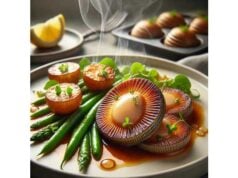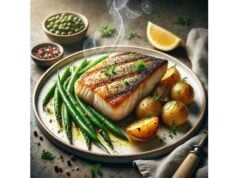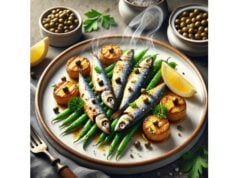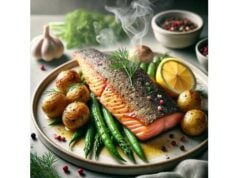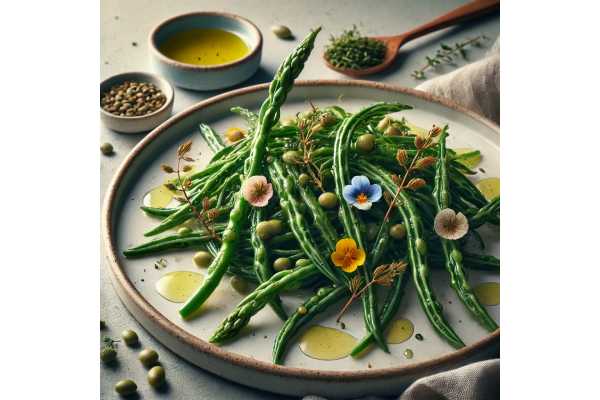
Sea blite (genus Suaeda), sometimes called sea spinach or salt herb, is a coastal halophyte that thrives where most vegetables fail—on salty marshes, tidal flats, and dunes. Its tender shoots taste clean and lightly saline with a hint of minerality, making them a natural partner for seafood, citrus, garlic, and olive oil. Cooks value sea blite for speedy sautés, bright pickles, and raw garnishes; growers prize it as a climate-resilient crop that tolerates brackish water and marginal soils. Nutritionally, sea blite is a low-calorie leafy vegetable with meaningful minerals (especially potassium and magnesium), vitamin C that holds up well in quick cooking, chlorophyll and polyphenols with antioxidant activity, and useful fiber. Because halophytes concentrate salts from their surroundings, mindful handling—brief soaking, fast blanching, or pairing with potassium-rich foods—balances flavor and sodium. Below, you’ll find a practical, evidence-informed guide to choosing, cooking, and enjoying sea blite safely and deliciously.
Quick Overview
- Typical serving: 75–100 g cooked shoots, 1–3 times per week within a varied mix of vegetables.
- Key benefits: mineral-rich leafy green with vitamin C, fiber, and polyphenols; grows in saline soils supporting sustainable agriculture.
- Safety caveat: naturally higher sodium and nitrates than many greens; rinse, soak, or blanch to reduce.
- Limit or avoid: individuals on strict low-sodium diets, those with oxalate or nitrate concerns, and anyone with known allergies to related Chenopodiaceae/Amaranthaceae plants.
- Culinary note: quick sauté, steam, or blanch preserves color and texture; excellent with lemon, garlic, and olive oil.
Table of Contents
- Detailed Overview of Sea Blite
- Sea Blite Nutrition Profile
- Sea Blite Health Benefits
- Risks, Allergies and Interactions
- Selecting, Quality, Sustainability and Storage
- Preparation, Cooking and Nutrient Retention
- Portions, Comparisons and FAQs
Detailed Overview of Sea Blite
Sea blite refers to several edible coastal species in the genus Suaeda (for example, S. maritima and S. vera). These plants are halophytes—salt-tolerant specialists that draw sodium and other ions into their tissues to survive in salty habitats. The result is a succulent, crisp shoot that tastes naturally seasoned. In markets and foraging communities, sea blite is prized for its tender new growth, typically harvested in late spring through early summer, though cultivated crops can be available year-round.
Culinarily, sea blite acts like a cross between young spinach and samphire (glasswort). It wilts quickly in a hot pan, holds its vivid green with minimal cooking, and brings a clean saline bite that makes food taste more vivid—especially seafood, eggs, beans, and grains. The stems are slender and the leaves narrow; the youngest tops are best for raw use, while slightly older shoots benefit from a 30–60 second blanch or a brief sauté to soften fibers and tame salinity.
From a nutrition standpoint, sea blite is a low-energy leafy vegetable (roughly 15–30 kcal per 100 g fresh, depending on moisture and growing conditions). Like many halophytes, it is unusually rich in minerals because of its habitat: potassium and magnesium feature prominently, with useful amounts of calcium and iron. Vitamin C is often present at meaningful levels in fresh shoots, as are chlorophyll, carotenoids, and diverse phenolic compounds that contribute antioxidant capacity. The exact numbers vary widely with species, season, and salinity; growers can modulate flavor and mineral levels through irrigation and harvest timing.
Sustainability adds to sea blite’s appeal. Halophyte cultivation can conserve freshwater by using brackish sources, reclaim saline soils that struggle with conventional crops, and provide habitat services in coastal systems. Short supply chains—local farmers near estuaries and coastal cities—keep the product fresh and reduce transport emissions. For chefs and home cooks, sea blite offers a simple way to add biodiversity to the plate: a different leafy profile that complements rather than replaces familiar greens.
In the kitchen, think of sea blite as a finishing green or a vivid side: toss a handful into a pan after searing fish; fold blanched shoots through warm potato salad with olive oil and lemon; or chop raw tips into salsa verde for a saline lift. Because the plant naturally carries sodium, taste as you go and season lightly. A quick soak in cold water, a fast blanch in unsalted water, or pairing with low-sodium ingredients (beans, potatoes, unsalted nuts) keeps the dish balanced and bright.
Sea Blite Nutrition Profile
Values below describe fresh edible shoots of commonly eaten sea blite species as prepared for the table (young tips; tough bases removed). Halophyte composition varies with species, site, and salinity. Where a regulatory Daily Value (%DV) exists, it is shown for adults.
Macros & Electrolytes (per 100 g, fresh edible portion)
| Nutrient | Amount | %DV |
|---|---|---|
| Energy | 20–30 kcal | — |
| Protein | 2.0–3.0 g | 4–6% |
| Total fat | 0.2–0.5 g | <1% |
| Carbohydrate | 2.5–4.5 g | 1–2% |
| Dietary fiber | 1.5–3.0 g | 5–11% |
| Sodium | 300–900 mg | 13–39% |
| Potassium | 300–600 mg | 6–13% |
| Water | 88–92 g | — |
Vitamins (per 100 g, fresh)
| Vitamin | Amount | %DV |
|---|---|---|
| Vitamin C (ascorbic acid) | 15–35 mg | 17–39% |
| Vitamin A (as RAE) | 100–250 µg | 11–28% |
| Vitamin K1 (phylloquinone) | 80–200 µg | 67–167% |
| Folate (vitamin B9) | 40–90 µg | 10–23% |
| Vitamin E (alpha-tocopherol) | 1.0–2.5 mg | 7–17% |
| Niacin (vitamin B3) | 0.5–1.2 mg | 3–8% |
Minerals (per 100 g, fresh)
| Mineral | Amount | %DV |
|---|---|---|
| Magnesium | 40–80 mg | 10–19% |
| Calcium | 80–180 mg | 6–14% |
| Iron | 1.5–3.0 mg | 8–17% |
| Zinc | 0.3–0.7 mg | 3–6% |
| Phosphorus | 40–90 mg | 3–7% |
| Manganese | 0.2–0.5 mg | 9–22% |
| Iodine | variable (site-dependent) | — |
Bioactives & Phytonutrients
| Group | Typical presence | Notes |
|---|---|---|
| Polyphenols (phenolic acids, flavonoids) | Moderate | Contribute to antioxidant capacity; levels rise under stress. |
| Chlorophylls & carotenoids | Moderate | Support color, potential antioxidant activity. |
| Betaines & compatible solutes | Present | Aid plant osmoregulation; some are of nutritional interest. |
Allergens & Intolerance Markers
| Item | Relevance | Context |
|---|---|---|
| Nitrates | Naturally present (leafy plants) | Levels vary widely; blanching and soaking reduce content. |
| Oxalates | Possible in leafy tissues | Sensitive individuals may wish to moderate or cook before eating. |
Contaminants/Residues (Context)
- Coastal halophytes can accumulate salts and, depending on site, trace elements. Choose food-grade cultivated sources or harvest from clean, unpolluted areas if foraging.
- Sodium is naturally high for a leafy vegetable; simple kitchen steps (rinse, soak, blanch) reduce both sodium and nitrates.
Footnotes:
- Ranges reflect published halophyte composition studies of Suaeda species under varying salinity. Agricultural practices (irrigation salinity, harvest maturity) strongly influence sodium and mineral content.
- %DV based on adult Daily Values (sodium 2,300 mg; potassium 4,700 mg—advisory value; vitamin C 90 mg; vitamin A 900 µg RAE; vitamin K 120 µg; folate 400 µg; vitamin E 15 mg; magnesium 420 mg; calcium 1,300 mg; iron 18 mg; zinc 11 mg; phosphorus 1,250 mg).
Sea Blite Health Benefits
Mineral support with low calories.
Sea blite provides a useful mix of potassium and magnesium in a very low-calorie package. These electrolytes help regulate fluid balance, muscle contraction, and blood pressure. For people whose vegetable choices skew toward lettuce and tomatoes, adding sea blite once or twice per week can diversify mineral intake materially without adding many calories.
Antioxidant compounds from stress-tolerant plants.
Halophytes protect their tissues from salt stress by producing phenolic compounds, carotenoids, and betaines that act as osmoprotectants and antioxidants. Culinary amounts won’t replicate supplement doses, but routine inclusion of bioactive-rich greens contributes to the overall antioxidant pattern of a varied diet. In simple terms: bright green shoots exposed to sun and salt often build robust internal defenses—some of which transfer to your plate.
Vitamin C and chlorophyll for fresh flavor and color.
Sea blite’s vitamin C supports collagen formation and helps the body absorb non-heme iron from beans and whole grains served alongside. Chlorophyll and fat-soluble pigments give the vegetable its vibrant hue; a quick cook preserves these while keeping texture crisp.
Satiation and glycemic balance through fiber.
Although not as fiber-dense as legumes, sea blite contributes 1.5–3.0 g fiber per 100 g serving—enough to boost fullness when paired with potatoes, grains, or bread. Because it is very low in sugars and starch, it has a negligible glycemic impact and can be a smart addition for people managing post-meal blood glucose.
A culinary nudge toward healthier choices.
With its built-in salinity, sea blite can make low-sodium cooking feel enjoyable: a handful folded into a lemon-olive-oil pan sauce elevates flavor so you can salt less elsewhere. This “flavor swap” approach is a practical way to reduce added salt while keeping meals satisfying.
Sustainability and resilience.
While not a direct health effect on the eater, foods that conserve freshwater and grow in challenging soils support long-term food security. Choosing sea blite from responsible growers encourages diversified agriculture, which benefits ecosystems and, indirectly, public health.
Who may benefit most?
- People seeking nutrient-dense, low-calorie vegetables.
- Home cooks wanting “pre-seasoned” greens that make healthy meals taste brighter.
- Athletes or active individuals looking to replace electrolytes with whole foods as part of a balanced meal.
- Communities exploring saline agriculture and local coastal crops.
Practical pairing to realize benefits
- Combine with legumes or whole grains (vitamin C in sea blite enhances iron uptake).
- Toss with citrus and extra-virgin olive oil to add polyphenols and healthy fats.
- Serve alongside baked potatoes or beans to counter-balance sodium with potassium.
Risks, Allergies and Interactions
Sodium load
Sea blite’s natural salinity is its signature strength and the main caveat. A 100 g serving can deliver hundreds of milligrams of sodium—substantially more than most leafy greens. People advised to limit sodium (e.g., for hypertension, heart failure, kidney disease) should measure portions carefully and use mitigation steps (see below) or select lower-sodium greens more often.
Nitrates and sensitive populations
Like spinach, lettuce, and many leafy vegetables, sea blite contains naturally occurring nitrates that vary with light exposure, fertilization, and season. For healthy adults, dietary nitrates from vegetables are generally considered acceptable within normal eating patterns. Infants under 6 months should not be fed nitrate-rich vegetable purées, and anyone with specific medical guidance to limit nitrates should follow clinician advice. Washing, soaking, and blanching reduce nitrate levels modestly.
Oxalates
Leafy plants may contain oxalates that can contribute to kidney stone risk in sensitive individuals. If you have a history of calcium oxalate stones, a clinician or dietitian can help you plan portions; quick blanching and pairing with calcium-rich foods at the same meal may help reduce absorption.
Allergy and cross-reactivity
Allergy to sea blite is uncommon but possible, particularly in people with broader sensitivities to related Amaranthaceae/Chenopodiaceae plants (such as spinach or beet greens). Symptoms may include oral itching or, rarely, more severe reactions. Seek medical attention if you suspect an allergy.
Environmental contaminants
Wild plants can accumulate not only salts but also unwanted trace elements if they grow in polluted sites. Foraging should be limited to clean, uncontaminated areas away from industrial discharge, marinas, or heavily trafficked roads. When in doubt, choose produce from food-grade farms that test irrigation sources and soils.
Medication considerations
- Potassium-sparing diuretics or ACE inhibitors: typical culinary portions are fine for most individuals, but those on potassium-modulating therapies should balance overall dietary potassium.
- Anticoagulants (vitamin K interaction): sea blite can contribute vitamin K; people on warfarin should aim for consistent, predictable intakes rather than large swings.
Mitigation strategies in the kitchen
- Rinse well, then soak in plenty of cold water for 10–15 minutes; drain.
- Blanch in unsalted boiling water for 30–60 seconds; drain and refresh in cold water.
- Pair with potassium-rich, low-sodium foods (beans, potatoes, squash) and keep added salt minimal.
Selecting, Quality, Sustainability and Storage
How to select sea blite
- Color and turgor: choose shoots that are vivid green and perky, with no yellowing or limpness.
- Texture: stems should snap cleanly; avoid woody bases.
- Smell: fresh and ocean-breezy, never fishy or sour.
- Packaging: if pre-packed, look for minimal free water in the bag and no slimy leaves.
Seasonality and sourcing
Wild shoots are most tender from late spring to early summer, but controlled cultivation extends availability. Farmers near estuaries and coastal zones may grow sea blite using brackish irrigation; controlled salinity allows them to tune flavor and reduce excessive sodium.
Sustainability cues
- Water use: halophytes can use brackish sources, conserving freshwater.
- Soil health: coastal farms that rotate halophytes with other crops can rehabilitate saline patches.
- Biodiversity: adding halophytes to local agriculture supports pollinators and habitat structure.
- Transparency: ask growers about water source testing and harvest practices; responsible producers will share details.
Storage and handling
- Refrigeration: keep unwashed shoots wrapped loosely in paper towels inside a breathable bag in the vegetable drawer; use within 3–4 days for best quality.
- Pre-washing: rinse just before preparation to reduce spoilage; moisture speeds decay.
- Blanched make-ahead: blanch for 30–60 seconds, refresh in ice water, drain well, and refrigerate up to 2 days for quick weeknight sides.
- Freezing: brief blanching followed by freezing in a single layer helps preserve color and texture for up to 2 months; expect some softening on thawing.
Quality red flags
- Yellowing, sliminess, sour odors, or waterlogged stems signal age or improper storage.
- Excessively salty taste after soaking and blanching may indicate older, more fibrous shoots; trim more aggressively or cook in stews rather than salads.
Buying tips for value and freshness
- Purchase close to the harvest day or market delivery.
- If buying bunched shoots, choose smaller diameter stems for tenderness.
- Ask the seller which parts are best eaten raw versus cooked; local knowledge helps avoid waste.
Preparation, Cooking and Nutrient Retention
Pre-prep essentials
- Trim: snap off woody bases; keep tender tips and young side shoots.
- Rinse and soak: swish in plenty of cold water to dislodge sand; soak 10–15 minutes to reduce surface salt and some nitrates.
- Blanch (optional): for very salty or mature shoots, blanch in unsalted boiling water for 30–60 seconds, then refresh in cold water and drain well.
Core cooking methods (with time cues)
- Quick sauté: heat a film of olive oil, add sliced garlic or shallot, then sea blite; toss 1–2 minutes until just wilted. Finish with lemon.
- Steam: 2–3 minutes over simmering water to preserve color and vitamin C; ideal for salads or grain bowls.
- Blanch and shock: 30–60 seconds in boiling water, then ice bath; perfect for bright green garnishes and cold dishes.
- Stir-fry: high heat with aromatics (ginger, chili), 1–2 minutes; add a splash of vinegar at the end instead of soy sauce to keep sodium modest.
- Pickle: pack raw, trimmed shoots into a jar; cover with a light vinegar brine (no added salt needed), plus citrus peel and spices; refrigerate 24 hours before serving.
Nutrient-savvy techniques
- Short heat, covered pan: preserves vitamin C and pigment while softening fibers.
- Use cooking liquids: if you blanch in unsalted water for nitrate reduction, discard the water; if you steam or sauté, any released juices can be folded back into grains or beans to capture minerals without oversalting.
- Acid balance: finish with lemon or vinegar to brighten flavor and help balance perceived saltiness without adding sodium.
- Fat partners: a small amount of olive oil improves absorption of fat-soluble pigments and adds satiety with minimal calories.
Flavor pairings with purpose
- Citrus and herbs: lemon, orange, parsley, dill, and mint lift sea blite’s minerality.
- Alliums and chili: garlic, shallot, scallion, and mild chili add depth without extra salt.
- Beans and potatoes: provide potassium and fiber to balance sodium and create a complete plate.
- Nuts and seeds: toasted almonds or sesame add crunch and healthy fats; use unsalted varieties.
Common pitfalls (and fixes)
- Too salty: soak longer, blanch briefly, and finish dishes with acid. Pair with low-sodium sides.
- Limp or olive drab color: overcooked; next time, shorten the heat exposure and chill quickly for cold dishes.
- Stringy texture: you kept mature stems; trim lower, and save older pieces for soups where longer cooking helps.
Five quick recipes (template style)
- Crisp-skin fish with lemony sea blite: pan-sear fish; sauté sea blite 90 seconds with garlic; finish with lemon zest.
- Warm potato and sea blite salad: blanch sea blite; fold into steamed potatoes with olive oil, whole-grain mustard, and chives.
- Chickpeas with chili and greens: stir-fry sea blite with chili and garlic; toss with warm chickpeas and a squeeze of lime.
- Sea blite salsa verde: chop raw tips with parsley, capers, lemon, and olive oil; spoon over grilled vegetables.
- Quick refrigerator pickle: pack raw shoots with citrus peel and coriander; cover with hot 1:1 vinegar-water; chill.
Portions, Comparisons and FAQs
What is a practical serving?
For most adults, 75–100 g cooked sea blite (or ~1.5–2 loose cups raw trimmed shoots) is a sensible portion. This amount contributes minerals and fiber while keeping sodium manageable. Include it 1–3 times per week within a rotation of different vegetables.
How does sea blite compare to other salty greens?
- Versus samphire (glasswort): sea blite is less crunchy and usually milder, with narrower leaves and a “leafy” rather than succulent stem profile. It often needs a shorter cook.
- Versus spinach: sea blite is naturally saltier but lower in oxalates on average; both are rich in folate and vitamin K.
- Versus sea purslane (Atriplex portulacoides): flavor is similar; sea purslane leaves are broader and more fleshy.
- Versus kale or chard: sea blite cooks much faster and brings built-in salinity; mineral profiles differ, with sea blite tending toward higher sodium and magnesium.
Can I eat sea blite raw?
Yes—very young tips are good raw in small amounts. For larger portions, a brief soak and quick blanch or sauté give better texture and balance. As with any raw produce, wash thoroughly.
Is sea blite suitable for low-sodium diets?
It depends on your targets. If you must keep sodium very low, choose other greens most of the time and treat sea blite as an occasional garnish. When included, soak, blanch, and avoid adding salt elsewhere in the meal.
What about people on anticoagulants?
Sea blite can contribute vitamin K. If you take warfarin, aim for consistent amounts of vitamin K from week to week rather than big swings. A dietitian can help you plan steady portions.
Can I forage sea blite safely?
Only harvest from clean coastlines far from marinas, storm drains, or industrial sites. Take young tips, leave roots intact, and harvest modestly to protect plant populations. When in doubt, buy from growers who cultivate halophytes under food-grade conditions.
How should athletes use sea blite?
Pair it with carbohydrate sources (potatoes, rice, whole grains) and lean proteins to create a balanced recovery meal. The natural sodium can help replace sweat losses, while potassium and magnesium support neuromuscular function.
Budget and zero-waste tips
Buy bunched stems and trim at home; reserve older pieces for soup or broth. Blanch and freeze in small portions to add a mineral-rich green to winter dishes without waste.
References
- Edible Halophytes with Functional Properties (2023) (Systematic Review)
- Soilless Cultivated Halophyte Plants: Volatile, Nutritional and Sensory Profile of Selected Species (2023) (Systematic Review)
- Leafy Vegetable Nitrite and Nitrate Content: Potential Health Effects (2023) (Systematic Review)
- Risk assessment of nitrate and nitrite in feed (2020) (Guideline)
- Metabolic and physiological adjustment of Suaeda maritima to different salinities: Na and K distribution in roots and shoots (2017) (Research)
Disclaimer
This content is educational and is not a substitute for personalized medical advice, diagnosis, or treatment. Nutrition needs and safety considerations vary by age, health status, medications, pregnancy, and activity level. Always consult a qualified healthcare professional or registered dietitian for guidance tailored to your situation.
If you found this guide useful, please consider sharing it on Facebook, X (formerly Twitter), or your preferred platform to support our work in creating clear, trustworthy nutrition resources.