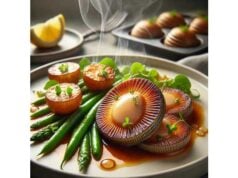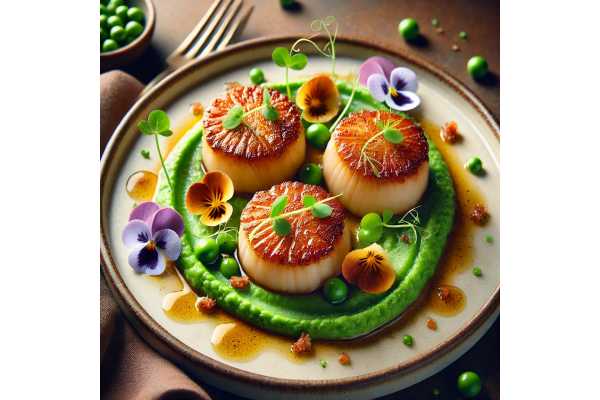
Scallops are sweet, tender bivalves prized for their caramelized crust and delicate, almost buttery interior. Whether pan-seared in minutes, poached for gentle soups, or folded into pasta with lemon and herbs, they deliver impressive flavor without heaviness. Nutritionally, scallops offer high-quality protein with very little fat, notable levels of vitamin B12, selenium, and phosphorus, and a modest dose of marine omega-3s. Because they cook quickly and pair well with vegetables and whole grains, scallops make it easier to build balanced, weeknight-friendly meals. The main things to know are how to buy dry-packed (not chemically “soaked”) scallops, how to store them cold, and how to cook them just to doneness so they stay juicy. This guide explains the different types you’ll see at the market, provides an accurate per-100 g nutrition profile, summarizes evidence-based benefits, and details safety topics such as shellfish allergy, Vibrio bacteria, and marine biotoxins—alongside practical steps for sourcing, storage, and cooking with confidence.
Quick Overview
- Typical portion is 110–140 g cooked (6–8 large sea scallops) once or twice per week within varied seafood intake.
- Key benefits: ~17–20 g complete protein per 100 g with vitamin B12, selenium, phosphorus, and useful omega-3s.
- Safety caveat: raw scallops can carry pathogens; cook to 63°C (145°F) or use validated controls when serving raw.
- Limit or avoid: anyone with shellfish allergy; people who are pregnant should choose trusted sources and avoid raw preparations.
Table of Contents
- Scallop detailed overview
- Scallop nutrition profile
- Evidence-based health benefits
- Risks, allergies and interactions
- Selecting, sustainability and storage
- Preparation, cooking and nutrient retention
- Portions, comparisons and FAQs
Scallop detailed overview
“Scallop” refers to bivalve mollusks in the family Pectinidae. In most markets you’ll see two broad types:
- Sea scallops (Placopecten magellanicus and related species): larger, typically 20–40 pieces per pound. Meaty texture and a pronounced sweetness make them ideal for high-heat searing.
- Bay scallops (Argopecten irradians and others): smaller and more delicate, best for quick sautés, chowders, and ceviche-style dishes when using validated food safety controls.
What you commonly eat is the adductor muscle—the “scallop meat” that opens and closes the shell. In some regions the roe (coral) is also sold; it’s rich and flavorful but more variable in certain naturally occurring marine toxins than the adductor muscle. Scallops live on sandy or gravel bottoms and filter feed, which influences both flavor and safety considerations. Wild fisheries and aquaculture supply the market; both can be high quality when managed well.
Flavor and texture: Fresh scallops smell like the sea, not fishy. The raw meat is translucent, ivory to pale pink. When seared properly, they develop a deep golden crust while remaining moist and barely opaque inside. Their natural sugars (glycogen) aid browning and contribute to a mild sweetness that pairs with citrus, herbs, and umami elements like browned butter, mushrooms, and miso.
Dry-packed vs. wet-packed: “Dry-packed” scallops are shucked and chilled without chemical soaking. “Wet-packed” scallops are often treated with sodium tripolyphosphate (STP) to hold moisture. While legal, soaking increases water weight, can hinder browning, and boosts sodium. Dry-packed scallops are the culinary gold standard: they sear better, taste sweeter, and release less liquid in the pan.
Nutrition pattern: Scallops are lean and protein-dense with notable vitamin B12 and selenium. They also provide phosphorus and potassium and contribute EPA/DHA (omega-3) in modest amounts. Because they’re low in total fat and calories, they fit well into heart-smart and weight-conscious meal plans when prepared with sensible amounts of added fat.
Sourcing snapshot: Look for traceable supply from well-managed fisheries (e.g., responsible dredge or diver harvests) or certified farms. Frozen-at-sea options can match or exceed “fresh” quality because the meat is often shucked and frozen quickly after harvest.
Scallop nutrition profile
Values below reflect typical raw scallop adductor muscle per 100 g. Actual values vary by species, season, and handling (e.g., phosphate soaking). % Daily Value (%DV) uses current U.S. adult DVs. Cooking concentrates some nutrients slightly as water is lost.
Macros & Electrolytes (per 100 g, raw)
| Nutrient | Amount | %DV |
|---|---|---|
| Energy | ~88–95 kcal | — |
| Protein | ~16.5–20.0 g | 33–40% |
| Total Fat | ~0.5–1.0 g | 1% |
| Saturated Fat | ~0.1–0.3 g | 1% |
| Carbohydrate | ~2.0–3.5 g | 1% |
| Fiber | 0 g | 0% |
| Total Sugars | ~0.0–0.5 g | — |
| Sodium* | ~120–200 mg | 5–9% |
| Potassium | ~300–350 mg | 6–7% |
| Water | ~76–80 g | — |
*Sodium can be substantially higher in wet-packed (phosphate-treated) scallops.
Fats & Fatty Acids (per 100 g, raw)
| Component | Amount | Notes |
|---|---|---|
| Polyunsaturated Fat | ~0.2–0.4 g | includes EPA and DHA |
| EPA + DHA | ~0.20–0.35 g | varies by species/diet |
| Cholesterol | ~25–40 mg | no established %DV |
Protein & Amino Acids (per 100 g, raw)
| Amino Acid (selected) | Amount |
|---|---|
| Leucine | ~1.5–1.8 g |
| Lysine | ~1.7–2.0 g |
| Methionine + Cysteine | ~0.7–0.9 g |
Vitamins (per 100 g, raw)
| Vitamin | Amount | %DV |
|---|---|---|
| Vitamin B12 (cobalamin) | ~1.2–2.0 µg | 50–83% |
| Niacin (B3) | ~1.0–2.5 mg | 6–16% |
| Vitamin B6 (pyridoxine) | ~0.1–0.2 mg | 6–12% |
| Vitamin D | trace–variable | — |
| Choline | ~50–75 mg | 9–14% |
Minerals (per 100 g, raw)
| Mineral | Amount | %DV |
|---|---|---|
| Selenium | ~20–35 µg | 36–64% |
| Phosphorus | ~250–350 mg | 20–28% |
| Magnesium | ~25–35 mg | 6–8% |
| Zinc | ~0.6–1.0 mg | 5–9% |
| Iron | ~0.3–0.6 mg | 2–3% |
| Iodine | variable* | — |
*Iodine varies widely with habitat and feed; seafood is generally a meaningful source.
Allergens & tolerance markers
- Allergen: mollusk shellfish proteins (distinct from crustacean allergens).
- Histamine risk: low when properly chilled; rises with mishandling.
- Additives: phosphate soaking increases sodium and water weight; choose dry-packed for accurate nutrition and better searing.
Contaminants & residues
- Marine biotoxins (domoic acid, saxitoxins) concentrate mainly in non-edible viscera; adductor muscle is typically much lower but roe may accumulate more (see Safety section).
- Pathogens (e.g., Vibrio): relevant for raw/undercooked service; controlled by validated harvest and post-harvest steps.
Evidence-based health benefits
1) Efficient, lean protein
Scallops deliver ~17–20 g complete protein per 100 g for well under 100 kcal. That protein density supports satiety and muscle maintenance with minimal saturated fat. A typical cooked portion of 120–140 g supplies ~22–28 g protein, enough to anchor a meal when paired with vegetables and grains.
2) Vitamin B12 and selenium for cellular protection
Scallops are notable for vitamin B12, which supports red blood cell formation and neurological function, and selenium, a key cofactor in antioxidant enzymes. In many diets, these two micronutrients can be marginal; one or two seafood meals weekly helps close the gap while keeping calories modest.
3) Omega-3 contribution for weekly totals
While scallops aren’t as omega-3-rich as salmon or sardines, they contribute ~0.2–0.35 g EPA+DHA per 100 g—useful when combined with an oily fish meal elsewhere in the week. Long-chain omega-3s support heart health, triglyceride management, and cell membrane function.
4) Potassium and phosphorus for balanced plates
With ~300–350 mg potassium and ~250–350 mg phosphorus per 100 g, scallops contribute to electrolyte balance and energy metabolism. The low sodium (in dry-packed products) helps keep overall sodium intake in check if you season thoughtfully.
5) Culinary versatility that improves meal quality
Because scallops cook in minutes and pair naturally with citrus, herbs, brassicas, tomatoes, and whole grains, they make it easier to assemble vegetable-forward meals. Quick searing locks in juices; gentle poaching or steaming builds light meals without heavy sauces.
6) Smart swap in calorie-conscious patterns
Replacing higher-fat meats with scallops reduces saturated fat and total calories without sacrificing satisfaction. The Maillard-friendly crust scratches the “seared protein” itch while keeping the plate light.
Practical ways to realize the benefits
- Plan two seafood dinners per week: one lean (e.g., scallops) and one oily (e.g., salmon).
- Plate scallops with fiber-rich sides—farro, quinoa, beans, or roasted vegetables—to increase fullness and micronutrient variety.
- Season with lemon, herbs, and olive oil to add flavor while maintaining a heart-smart profile.
Risks, allergies and interactions
Shellfish allergy
Scallops are mollusks, and their allergenic proteins differ from those in crustaceans (shrimp, crab). Some people are allergic to both groups; others to one. Reactions can include hives, swelling, wheezing, vomiting, or anaphylaxis. Anyone with known shellfish allergy should avoid scallops and follow their emergency action plan.
Pathogens (especially Vibrio)
Raw or undercooked bivalves can harbor Vibrio bacteria. The risk is higher in warm months and in certain coastal waters. People with chronic liver disease, diabetes, immunocompromise, or hemochromatosis are at higher risk for severe illness. Safe options include fully cooking scallops to 63°C (145°F) or choosing validated, reputable raw suppliers and observing strict cold-chain handling.
Marine biotoxins
Naturally occurring toxins from algae—most notably domoic acid (amnesic shellfish poisoning) and saxitoxins (paralytic shellfish poisoning)—can accumulate in bivalves. Regulatory harvest closures and testing programs help keep contaminated product off the market. In scallops, toxins predominantly concentrate in the viscera rather than the adductor muscle; shucking (removing viscera) dramatically lowers risk, though roe can retain higher levels. Purchasing shucked scallop meats from regulated sources reduces exposure.
Norovirus and general sanitation
Because scallops are filter feeders, contaminated waters can introduce norovirus. Commercial suppliers manage water quality and depuration; home cooks should avoid raw product from uncertain sources and always wash hands, boards, and knives.
Phosphates and sodium
Wet-packed scallops treated with sodium tripolyphosphate retain water and sodium, can taste soapy, and release liquid in the pan (poor browning). Choose dry-packed to avoid unnecessary sodium exposure and to achieve better culinary results.
Medication and condition notes
- Pregnancy/breastfeeding: prioritize fully cooked scallops from regulated sources; avoid raw preparations.
- Sodium-restricted diets: select dry-packed scallops and season with citrus and herbs; skip brines.
- Gout and purines: scallops contain moderate purines; discuss individualized limits with a clinician if you have gout.
Selecting, sustainability and storage
How to choose high-quality scallops
- Labeling: Prefer dry-packed (sometimes labeled “chemical-free”) and look for “Product of” plus harvest area or farm location.
- Appearance: Meats should be opaque-translucent, slightly shiny, and firm to the touch. Avoid excessive milky liquid (a sign of soaking or thaw purge).
- Smell: Clean and briny; never sour or ammonia-like.
- Color: Natural ivory to pale pink or coral; very white, uniformly bleached appearance may indicate soaking.
- Frozen options: Look for individually quick frozen (IQF), vacuum-sealed packs with minimal ice crystals.
Sustainability cues
- Seek scallops from well-managed fisheries or responsible farms with third-party certifications or transparent practices.
- Diver-harvested and carefully managed dredge fisheries can reduce habitat impact; ask your seller about gear and bycatch.
- Choose local or regional supply when possible to minimize transport time and maximize freshness.
Storage and handling
- Refrigerate (≤4°C): Store on a plate over paper towels or a rack to keep them out of meltwater; use within 24 hours (up to 48 if extremely fresh).
- Freeze (≤-18°C): Pat dry, vacuum-seal or double-wrap; best quality for 2–3 months.
- Thaw: Overnight in the refrigerator or under cold running water in sealed packaging; never at room temperature.
- Cross-contamination: Keep raw scallops separate from ready-to-eat foods; wash hands, boards, and utensils thoroughly.
Smart buying checklist
- Ask for dry-packed and confirm country/area of origin.
- Inspect texture and smell; avoid excessive liquid.
- Plan for quick use or prompt freezing.
- If buying frozen, prefer IQF vacuum-sealed packs.
- For roe-on scallops, verify regulated harvest and plan to fully cook.
Preparation, cooking and nutrient retention
Target doneness and safety
Cook scallops to an internal temperature of 63°C (145°F) measured at the center. Properly cooked scallops turn opaque with a springy, tender bite. Because they’re small and lean, they overcook quickly—pull them as soon as the center turns opaque and glossy rather than dry and fibrous.
Pan-seared scallops (restaurant-style crust)
- Dry thoroughly. Pat scallops very dry; remove the small side muscle (the “foot”) if present.
- Season lightly. A pinch of salt just before cooking; pepper after searing to avoid burning.
- Preheat pan until hot. Add a thin film of high-heat oil.
- Sear undisturbed. Place scallops spaced apart. Sear 90–120 seconds until a deep golden crust forms.
- Flip and finish. Sear 30–90 seconds more, basting with butter and aromatics (garlic, thyme) if desired. Rest 1 minute.
Moist-heat methods for tenderness
- Steam or poach: Sub-simmering liquid (broth, court-bouillon) gently firms proteins and minimizes moisture loss. Cook 2–4 minutes depending on size.
- En papillote: Seal scallops with vegetables, citrus, and herbs in baking parchment; bake 6–10 minutes at 200°C (400°F).
- Sous-vide (advanced users): Short time at 54–57°C to set texture, then quick sear for crust. Ensure validated time/temperature for safety.
Seasoning strategies that add nutrition
- Citrus and herbs (lemon, parsley, chives, tarragon) brighten flavor without extra sodium.
- Olive oil or nut oils supply heart-healthy fats; a little goes a long way.
- Vegetable-forward sauces: tomato-capers, roasted red pepper, or miso-ginger amplify umami with minimal butter.
Maximizing nutrient retention
- Keep cook times short to preserve moisture and heat-sensitive vitamins in side dishes.
- Use pan fond by deglazing with lemon and a splash of broth to reclaim minerals and flavor.
- Avoid repeated reheating; cook only what you’ll serve.
Five reliable templates
- Classic sear with lemon-caper pan sauce: Serve over garlicky spinach and farro.
- Citrus-fennel salad with warm scallops: Quick sear, then top shaved fennel, orange segments, and toasted almonds.
- Miso-ginger broth: Poach scallops with bok choy and shiitakes; finish with scallions and sesame.
- Roasted tomato and herb tray: Toss cherry tomatoes and zucchini with olive oil; roast, then add scallops for the last 6–8 minutes.
- Corn and basil succotash: Sweet corn, cherry tomatoes, and basil make a natural match for scallops’ sweetness.
Portions, comparisons and FAQs
What is a sensible serving and how often?
A practical cooked serving is 110–140 g (about 6–8 large sea scallops), once or twice per week as part of varied seafood intake. People who are pregnant should choose regulated, fully cooked scallops from trusted sources and avoid raw service.
Are scallops high in cholesterol?
They contain about 25–40 mg cholesterol per 100 g—moderate compared with many meats. Dietary cholesterol has a smaller effect on blood cholesterol than overall dietary pattern; pair scallops with high-fiber sides and unsaturated fats for a heart-smart plate.
Do scallops contain iodine?
Yes, like other seafood, but levels vary widely. If you have thyroid concerns, discuss personalized guidance with your clinician.
Dry-packed vs. wet-packed: which is better?
Dry-packed. You’ll get better browning, truer flavor, and more accurate nutrition. Wet-packed scallops can carry added sodium and water weight and tend to steam in the pan.
Can I eat scallops raw?
Only if you’re confident in validated sourcing and controls (harvest waters, depuration, cold-chain). Raw shellfish carries risk of Vibrio and norovirus. Fully cooking to 63°C (145°F) is the safest route at home.
Roe-on scallops—safe to eat?
Yes when harvested from regulated waters and cooked. Note that roe can hold higher levels of certain marine toxins than the adductor muscle; buy from reputable suppliers and avoid during known regional algal events.
How do scallops compare to other seafood?
- Versus shrimp: similar lean protein; scallops have a sweeter, cleaner flavor and larger, steak-like pieces.
- Versus salmon: scallops are leaner with fewer omega-3s; balance your week by including an oily fish meal.
- Versus white fish (cod, haddock): similar calories and protein; scallops sear faster and deliver a unique caramelized crust.
Budget tip
Frozen IQF scallops offer excellent quality at lower cost. Thaw properly and pat very dry before cooking.
References
- Advice about Eating Fish 2024
- Fish and Fishery Products Hazards and Controls Guidance, June 2022 Edition – Guidance for Industry 2022
- Safe Minimum Internal Temperature Chart 2024
- Evaluation of the shucking of certain species of scallops contaminated with domoic acid with a view to the production of edible parts meeting the safety requirements foreseen in the Union legislation 2021
- FoodData Central 2025
Disclaimer
This guide is educational and is not a substitute for personalized medical advice, diagnosis, or treatment. Seafood choices, cooking methods, and portion sizes should reflect your health status, allergies, medications, pregnancy, and clinician guidance. If you have symptoms after eating shellfish—such as hives, vomiting, numbness, or breathing difficulty—seek medical care promptly.
If you found this article helpful, please consider sharing it on Facebook, X (formerly Twitter), or any platform you prefer. Your support helps us continue creating clear, trustworthy nutrition content.