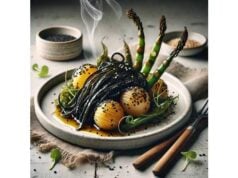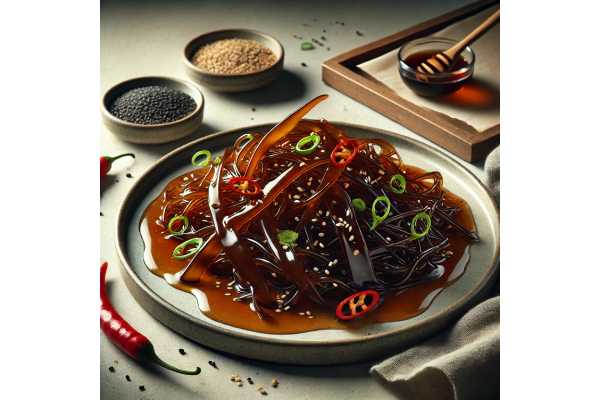
Sargassum is a diverse group of brown seaweeds best known for the free-floating mats that drift across the Atlantic and wash ashore in great seasonal waves. In East and Southeast Asia, certain near-shore species of Sargassum have long culinary use in soups, pickles, and salads. Elsewhere, Sargassum is more familiar as a coastal nuisance—or a raw material for alginate and fertilizer—than as a food. That difference matters: not every Sargassum is edible, and harvest location strongly affects safety and quality. When sourced from regulated waters and processed for food, Sargassum can supply dietary fiber (alginates), key minerals, and unique brown-algae compounds like fucoidan and fucoxanthin. On the other hand, naturally high iodine and variable inorganic arsenic in some species—most notably hijiki (Sargassum fusiforme)—require careful selection and portion control. This guide clarifies which uses are appropriate, what the nutrition looks like per 100 g, how to prepare Sargassum in ways that keep its briny, nutty character, and how to minimize risk with clear, practical safeguards.
At a Glance
- Typical culinary portion: 25–40 g dried (rehydrated to ~100–160 g) up to 1–2 times per week, depending on iodine content.
- Key benefits: rich in soluble fiber (alginates) and notable bioactives (fucoidan, fucoxanthin) with minerals like potassium and magnesium.
- Safety caveat: some Sargassum—especially hijiki—can contain high inorganic arsenic; many species are extremely high in iodine.
- Limit or avoid: people with thyroid disorders, those on iodine-sensitive medications, pregnant individuals unless product iodine is documented, and anyone advised to avoid hijiki.
Table of Contents
- Detailed Overview
- Nutrition Profile
- Evidence-Based Health Benefits
- Risks, Allergies and Interactions
- Selecting, Quality, Sustainability and Storage
- Preparation, Cooking and Nutrient Retention
- Portions, Comparisons and FAQs
Detailed Overview
Sargassum is a genus of brown macroalgae (order Fucales) with two broad lifestyles. Many species are benthic (attached) and grow along rocky shores; a few, like Sargassum natans and Sargassum fluitans, are holopelagic, forming floating “rafts” in the Sargasso Sea and, increasingly, drifting into the Caribbean and Gulf of Mexico. Culinary traditions center on attached coastal species harvested from clean waters and processed specifically for food. In Japan and parts of China and Southeast Asia, certain Sargassum is blanched, parboiled, or pickled for salads and soups, celebrated for a springy bite and a pleasant, marine sweetness. By contrast, the floating mats that beach in massive amounts are not food-grade: they are mixed with sand and debris, heavily colonized by microbes, and often adsorb environmental contaminants. Beach-cast Sargassum should not be eaten.
A crucial species distinction is hijiki, historically sold as thin, black strands after simmering and drying. Hijiki is taxonomically within the Sargassum group and has been consumed traditionally in small amounts. However, surveys in multiple countries have found consistently high inorganic arsenic in hijiki compared with other edible seaweeds. Many public-health agencies advise avoiding hijiki, steering consumers toward alternatives such as wakame (Undaria), kombu (Saccharina/Laminaria), or nori (Pyropia) when a brown or red seaweed is desired.
Beyond table use, Sargassum is industrially important. The cell walls contain alginates (soluble fibers used to gel and thicken), and the fronds hold fucoidan, a sulfated polysaccharide of research interest, along with fucoxanthin, the characteristic brown-algae carotenoid. These compounds contribute to Sargassum’s texture and nutritional profile and underpin many potential health effects explored in modern studies.
Flavor varies by species and handling. Properly processed edible Sargassum delivers saline, umami-rich notes with faint nuttiness and a crisp-tender chew. Without blanching or proper desalting, it can taste overly briny or metallic. Good kitchen technique—brief blanching, careful squeezing, and fast cooking—preserves color, cuts harshness, and keeps the pleasant snap.
Bottom line: Sargassum is not a monolith. Food-grade, coastal Sargassum species can be enjoyable and nutritious when sourced and prepared correctly, whereas beach-cast pelagic Sargassum and hijiki raise safety concerns that warrant avoidance or strict caution.
Nutrition Profile
Values below reflect culinary, food-grade Sargassum (rehydrated from dried) per 100 g prepared unless noted. Composition varies widely by species, habitat, and processing. Percent Daily Value (%DV) uses common adult DVs. Where variability is extreme (notably iodine), ranges and safety notes are provided. Cooking and desalting can reduce sodium and iodine.
Macros & Electrolytes (per 100 g prepared)
| Nutrient | Amount | %DV |
|---|---|---|
| Energy | 25–45 kcal | — |
| Protein | 1.5–3.0 g | 3–6% |
| Total fat | 0.3–1.0 g | 0–1% |
| Carbohydrate (by difference) | 6–9 g | 2–3% |
| Dietary fiber (alginates, etc.) | 3–6 g | 11–21% |
| Sodium* | 150–500 mg | 7–22% |
| Potassium | 200–500 mg | 4–11% |
| Water | 80–90 g | — |
*Soaking and blanching markedly lower sodium.
Carbohydrates & Functional Fibers
| Component | Amount | Notes |
|---|---|---|
| Soluble fiber (alginates, laminarans) | 2–5 g | viscosity-forming; supports fullness |
| Insoluble fiber | 1–2 g | adds bulk |
| Available sugars | ~0.5–1.5 g | low effective sugar load |
Fats & Fatty Acids
| Component | Amount |
|---|---|
| Total lipids | 0.3–1.0 g |
| Polyunsaturated fats | 0.1–0.4 g |
| Fucoxanthin (carotenoid) | variable (µg–mg range), higher in brown algae |
Protein & Amino Acids (indicative)
| Amino Acid (selected) | Amount |
|---|---|
| Lysine | ~0.08–0.15 g |
| Leucine | ~0.1–0.2 g |
| Glutamic acid | prominent contributor to umami |
Vitamins (per 100 g)
| Vitamin | Amount | %DV |
|---|---|---|
| Vitamin K | 20–80 µg | 17–67% |
| Folate | 25–60 µg | 6–15% |
| Vitamin A (as carotenoids) | 50–200 µg RAE | 6–22% |
| Vitamin C | 2–8 mg | 2–9% |
| Choline | 10–25 mg | 2–5% |
Minerals (per 100 g)
| Mineral | Amount | %DV |
|---|---|---|
| Iodine** | highly variable, often 300–2,000+ µg | may exceed UL |
| Magnesium | 40–120 mg | 10–29% |
| Calcium | 60–200 mg | 5–15% |
| Iron | 0.8–2.5 mg | 4–14% |
| Zinc | 0.3–1.0 mg | 3–9% |
| Selenium | 5–20 µg | 9–36% |
**Iodine can far exceed daily needs. The adult recommended intake is ~150 µg/day; the adult tolerable upper intake level (UL) is typically cited in the *600–1,100 µg/day* range depending on the authority. Rinse, soak, and blanch to reduce iodine; avoid high-iodine species if you have thyroid disease or are pregnant.
Bioactives / Phytonutrients (qualitative)
- Fucoidan (sulfated polysaccharides): studied for immune modulation and anti-inflammatory effects.
- Phlorotannins: brown-algae polyphenols with antioxidant activity.
- Fucoxanthin: marine carotenoid investigated for metabolic support and antioxidant properties.
Allergens & Intolerance Markers
- Seaweed proteins are generally low in classic food allergens, but iodine sensitivity and histamine intolerance (from mishandled product) can cause reactions in some individuals. Those with fish/shellfish allergy can usually eat seaweed safely since it’s not an animal protein; cross-contact is still possible in mixed seafood facilities.
Contaminants / Residues
- Inorganic arsenic: species-dependent; hijiki (Sargassum fusiforme) has repeatedly tested high.
- Heavy metals (e.g., cadmium, lead): influenced by harvest waters; regulated suppliers test batches.
- Pathogens on beach-cast Sargassum: high microbial load; not food-grade.
Footnotes: Sodium, iodine, and certain metals can be lowered through soak–blanch–rinse steps. Nutrient tables for seaweeds vary significantly by species and processing; always interpret ranges in light of your product’s label or supplier data.
Evidence-Based Health Benefits
1) Soluble fibers that support fullness and cholesterol control
Sargassum’s cell walls are rich in alginates and other soluble fibers that increase viscosity in the gut. This slows gastric emptying and can help enhance satiety from a meal. When used in place of refined starch thickeners or added fats, Sargassum-based fibers lower calorie density and may modestly reduce post-meal glycemic excursions. In recipes, a small amount of rehydrated Sargassum brings body and savor while displacing higher-calorie ingredients.
2) Unique brown-algae compounds under active study
Two hallmark molecules—fucoidan and fucoxanthin—have been widely investigated. Fucoidan is a sulfated polysaccharide with documented immunomodulatory and anti-inflammatory actions in preclinical and emerging clinical contexts. Fucoxanthin, the carotenoid responsible for brown-algae color, has been explored for metabolic support (including body-weight and lipid parameters in pilot studies) and antioxidative effects. While promising, these benefits depend on dose, species, extraction, and human study quality. Eating culinary Sargassum offers exposure to these compounds at food-level doses that complement, rather than replace, established diet patterns.
3) Mineral diversity in a low-calorie package
Prepared Sargassum delivers magnesium, calcium, and potassium with very few calories. In vegetable-forward dishes, that mineral mix can help balance sodium—as long as you rinse well and avoid heavy soy-based sauces. Because seaweed minerals are embedded in a fiber matrix, they arrive with minimal sugar and fat, useful for calorie-aware cooking.
4) Iodine as a double-edged sword
If your diet is low in iodine (e.g., you avoid iodized salt and dairy), small, controlled portions of tested, lower-iodine Sargassum products can help meet daily needs without supplements. However, the variability is large: a single 25 g dried portion of certain brown seaweeds may exceed daily upper limits. The safest approach is to verify iodine content on a trustworthy label or supplier certificate and adjust portion size accordingly.
5) Plant-forward culinary advantages
Sargassum’s briny, umami-rich flavor makes vegetables, legumes, and whole grains more satisfying. Adding a handful of rehydrated ribbons to a bean stew, grain bowl, or sauté can replace some salt, deepen flavor, and contribute fiber and minerals. In this way, Sargassum acts as a flavor amplifier that nudges the whole plate toward better nutrient density.
How to translate benefits in practice
- Treat Sargassum as a condiment-vegetable—a small, savory component—rather than a main.
- Prefer documented low-iodine products; soak and blanch to reduce iodine and sodium.
- Use Sargassum to replace some oil, cheese, or salt in soups and grains, leveraging its gel-like body and umami.
Risks, Allergies and Interactions
Inorganic arsenic in hijiki (Sargassum fusiforme)
Multiple food-safety agencies have advised not to eat hijiki because it can contain high inorganic arsenic relative to other edible seaweeds. While occasional, small exposures may not cause obvious symptoms, repeated intake can materially increase long-term arsenic exposure. Choose alternative seaweeds for similar culinary effects, such as wakame (salads and soups) or kombu (stock).
Excess iodine
Sargassum species are often very high in iodine. Acute large intakes can trigger thyroid dysfunction in susceptible people; chronic high intakes raise risk as well. People with Hashimoto’s thyroiditis, Graves’ disease, multinodular goiter, or those taking levothyroxine, antithyroid drugs, or amiodarone should avoid high-iodine seaweeds unless supervised by a clinician. Pregnant and breastfeeding individuals should be especially cautious: both deficiency and excess iodine can affect fetal and infant thyroid function.
Beach-cast Sargassum is not edible
Drift Sargassum that washes ashore accumulates sand, plastics, heavy metals, and microbial growth as it decays. It can also emit hydrogen sulfide and other malodorous gases. Do not harvest seaweed from beaches for food use; rely on regulated, food-grade supply.
Heavy metals and contaminants
Beyond arsenic, seaweeds can adsorb cadmium, lead, and other metals depending on water quality. Reputable suppliers test batches and stay within regulatory limits. Home processing does not remove metals; choose trusted brands and mind portion sizes.
Allergy and intolerance
True allergy to seaweed is rare, but cross-contact with seafood in processing facilities can occur. Iodine itself is not an allergen, though sensitive individuals may experience iodine-related thyroid issues. Some people report gastrointestinal discomfort from alginates; reducing portion size and thorough soaking can help.
Medication and lab test considerations
- Thyroid medications: unpredictable iodine intake can complicate dosing or cause lab swings.
- Warfarin: Vitamin K in seaweed varies. Keep intake consistent if you use warfarin.
- Lithium: very high iodine intake can interact with thyroid function, indirectly affecting lithium management—consult your clinician.
- Urinary iodine tests: seaweed intake can spike results for several days; disclose recent consumption.
Safe-use summary
If you choose Sargassum as food, avoid hijiki; buy tested, food-grade products with documented iodine; prepare with soak–blanch–rinse steps; and keep portions modest within an overall varied diet.
Selecting, Quality, Sustainability and Storage
How to choose food-grade Sargassum
- Species clarity: Look for the Latin name and the intended use (culinary) on the label. Avoid generic “seaweed mix” if iodine content isn’t listed.
- Origin and testing: Prefer harvest from regulated, low-pollution waters. Trustworthy brands provide certificates or publish typical iodine and heavy-metal levels.
- Product form: Dried ribbons, flakes, or pickled forms are common. For versatility, choose dried whole fronds that rehydrate into crisp-tender pieces.
- Sensory cues: Quality dried Sargassum smells clean and marine, not musty. Color should be deep olive-brown with a matte bloom, not dull gray or dusty.
- Additives: Minimal is better. Simple salt-pack or brine products should publish sodium content; avoid artificial color.
Sustainability snapshot
- Drift biomass utilization: Beach-cast Sargassum is increasingly used for compost, soil amendments, and biogas; it is not suitable for food.
- Wild harvest: Favor operations with harvest-rotation plans to protect regrowth and biodiversity.
- Aquaculture and onshore processing: Seaweed farms and controlled processing can reduce contamination risk and improve traceability. Certifications and transparent reporting are good signs.
Storage and shelf life
- Dried: Keep airtight in a cool, dark cupboard up to 12–18 months. Moisture ingress leads to caking and quality loss.
- Rehydrated: After soaking/blanching, refrigerate tightly covered and use within 2–3 days.
- Pickled/salted: Store per label; after opening, keep refrigerated and use within 1–2 weeks (pickled) or 3–4 weeks (lightly salted), monitoring odor and texture.
- Freezing: Blanched Sargassum freezes well for up to 3 months; portion in small packs for quick additions to soups and stir-fries.
Buying checklist (quick)
- Confirm species and culinary intent on label.
- Seek iodine and heavy-metal disclosure or supplier data.
- Choose dried, clean-smelling products from reputable sellers.
- Plan to soak–blanch–rinse before cooking.
- Avoid hijiki because of inorganic arsenic concerns.
Preparation, Cooking and Nutrient Retention
Desalting and debittering: the essential pre-treatment
- Rinse under cold water to remove surface salts and debris.
- Soak in abundant cold water 10–20 minutes; change water once.
- Blanch in boiling water 30–90 seconds (depending on thickness) until color brightens; immediately chill in ice water.
- Squeeze gently to remove excess water; slice or leave as ribbons.
This sequence reduces sodium and can lower iodine and certain off-flavors, improving both taste and safety margins.
Core cooking methods
- Quick sauté: Oil a hot pan lightly; add blanched Sargassum, aromatics (garlic, ginger), and a splash of acid (rice vinegar or citrus). Cook 1–2 minutes for crisp-tender texture.
- Brothy soups: Add in the last 3–5 minutes of simmering to preserve snap and color.
- Pickles: Pack blanched ribbons with warm seasoned vinegar (reduced sodium), a pinch of sugar, and spices; chill 24 hours.
- Grain bowls and salads: Toss with warm grains (farro, brown rice, quinoa), sesame, scallions, and citrusy dressings.
- Seaweed pesto: Blend with herbs, nuts, and olive oil; use sparingly to season vegetables or fish.
Flavor architecture without excess sodium
- Lean on acids (lemon, rice vinegar), aromatics (ginger, scallion, garlic), chile heat, and toasted seeds for depth.
- Use reduced-sodium soy or tamari only in small amounts; the seaweed itself is salty.
- Balance with crunch (radishes, cucumbers) and sweetness (carrot, roasted squash) to round bitterness.
Maximizing nutrient retention
- Keep heat times short to protect texture and carotenoids.
- Save blanching water only for non-culinary uses; it may hold excess iodine and salt.
- Pair with vitamin C-rich ingredients (citrus, peppers) to support iron absorption from plant foods in the meal.
Five reliable recipe templates
- Crisp-tender seaweed salad: Blanched Sargassum, julienned cucumber, rice vinegar, sesame, and a touch of honey, finished with citrus zest.
- Umami bean stew: Add chopped Sargassum in the final simmer to thicken slightly and amplify savor without bacon.
- Warm grain bowl: Farro, roasted mushrooms, ribbons of Sargassum, lemon-tahini drizzle.
- Quick pickle: 1:1 rice vinegar and water, a small pinch of sugar, ginger coins; 24-hour chill.
- Sheet-pan greens: Roast broccoli with olive oil; toss in blanched Sargassum for the last 2 minutes; finish with lemon.
Important do-nots
- Do not use beach-cast Sargassum for food.
- Do not rely on home methods to remove heavy metals.
- Do not serve to people with iodine-sensitive thyroid disease without professional guidance.
Portions, Comparisons and FAQs
What is a sensible serving and frequency?
Start with 25–40 g dried (rehydrated to ~100–160 g) per serving, no more than 1–2 times per week, unless the product lists a reliably low iodine content. If you also consume other iodine-rich foods (iodized salt, dairy, other seaweeds), reduce Sargassum portions further.
How does Sargassum compare with other seaweeds?
- Versus wakame (Undaria): similar texture in salads and soups; wakame often has more established food-grade supply and clearer labeling.
- Versus kombu (Saccharina/Laminaria): kombu is used for stock and can be very iodine-dense; Sargassum can substitute for body and umami in some broths but with a different aroma.
- Versus nori (Pyropia): nori is higher in protein per serving and used dried as sheets; Sargassum is better as a vegetable-like component.
- Versus hijiki: avoid hijiki due to inorganic arsenic concerns; choose alternatives.
Can I harvest local Sargassum to eat?
No—unless you are licensed, harvesting from approved waters, and using species confirmed as edible with laboratory testing. Recreational collection, especially of beach-cast mats, is unsafe.
Is iodine always a problem?
It’s an essential nutrient with a narrow sweet spot: too little or too much can disrupt thyroid function. If your product shows tested iodine in a reasonable range, and you keep portions small, Sargassum can fit a balanced diet. When in doubt, choose lower-iodine seaweeds or skip seaweed and rely on iodized salt to meet needs.
Who should avoid Sargassum?
- People with thyroid disease or on thyroid-active drugs unless their clinician approves.
- Pregnant or breastfeeding individuals without access to documented, low-iodine, tested products.
- Anyone advised to avoid hijiki by national food-safety authorities.
Can soaking really reduce iodine and sodium?
Yes, soak–blanch–rinse steps remove surface salts and leachable iodine. The reduction varies by species and cut size; do not assume these steps make a high-iodine species “low.” Always keep portions moderate.
What about supplements made from Sargassum?
Concentrated extracts can deliver unpredictable doses of iodine, arsenic, or other compounds. Food-form seaweed with transparent testing is generally preferable; discuss any supplement with a qualified clinician.
Budget and availability tips
Look for dried whole fronds from reputable Asian grocers or specialty retailers that publish lab values. Buying in bulk lowers cost; store in airtight containers away from humidity.
References
- Iodine – Health Professional Fact Sheet 2024 (Guideline)
- Scientific Opinion on Dietary Reference Values for iodine 2014 (Guideline)
- Hijiki seaweed and inorganic arsenic 2023 (Guideline)
- Therapeutic Effects of Fucoidan: A Review on Recent Studies 2019 (Systematic Review)
- Fucoxanthin: A Promising Medicinal and Nutritional Ingredient 2015 (Review)
Disclaimer
This article provides general information and is not a substitute for professional medical advice, diagnosis, or treatment. Seaweed composition varies widely by species and harvest area; iodine and contaminant levels can differ by orders of magnitude. If you have thyroid disease, are pregnant or breastfeeding, take thyroid-active medications, or have other medical conditions, consult a qualified healthcare professional before including Sargassum in your diet. Seek immediate care if you experience concerning symptoms after eating seaweed.
If you found this guide helpful, please consider sharing it on Facebook, X (formerly Twitter), or any platform you prefer. Your support helps us continue producing clear, trustworthy nutrition resources.