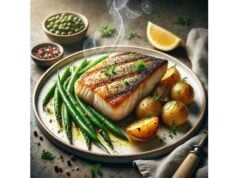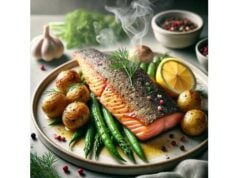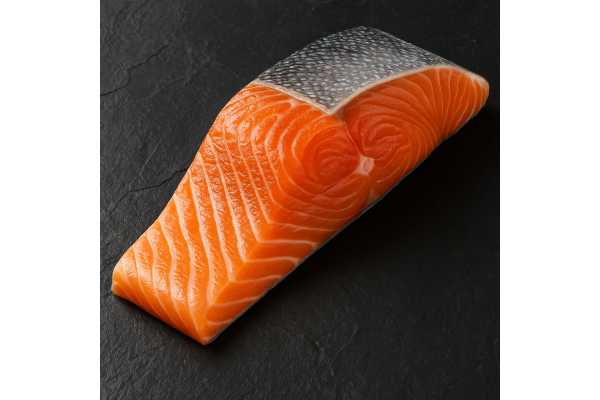
Salmon sits at the rare crossroads of flavor, versatility, and robust nutrition. Whether wild or farmed, its rosy flesh brings a clean, rich taste that thrives under quick sears, gentle poaching, cedar-plank grilling, or low-and-slow roasting. A practical powerhouse, salmon delivers complete protein, abundant marine omega-3s (EPA and DHA), vitamin D, vitamin B12, selenium, and potassium—nutrients many people underconsume. You can cook it fast on busy nights, meal-prep it for salads and grain bowls, or keep smoked salmon on hand for breakfasts and snacks. Even a modest portion contributes meaningfully to heart and brain health patterns, and its forgiving texture helps new cooks succeed. With responsible sourcing, cold-chain handling, and a few simple cooking habits, salmon can anchor a varied seafood routine all year. This guide explains the real-world benefits, detailed nutrition per 100 g, evidence base, risks and safe preparation, how to buy and store for quality, and smart portions with comparisons and FAQs.
Essential Insights
- 100 g raw salmon provides ~19–22 g protein and ~1.6–2.3 g EPA+DHA, plus vitamin D and B12.
- Ready-to-eat smoked salmon is high in sodium and carries specific refrigeration and Listeria precautions.
- Typical serving is 100–150 g cooked fillet, 2 seafood meals weekly minimum; aim for 2–3 for omega-3 targets.
- Avoid if you have a confirmed finfish allergy; pregnant and breastfeeding people should follow official fish-choice guidance.
Table of Contents
- Detailed Overview
- Nutrition Profile
- Evidence-Based Health Benefits
- Risks, Allergies and Interactions
- Selecting, Quality, Sustainability and Storage
- Preparation, Cooking and Nutrient Retention
- Portions, Comparisons and FAQs
Detailed Overview
“Salmon” covers several species and products with different flavors and textures. Wild Pacific salmon (e.g., sockeye, coho, king/Chinook, pink, chum) varies by fat content, color, and price; Atlantic salmon on most markets is farmed and prized for consistent marbling and mildness. Cuts range from thick center-cut fillets and steaks to skin-on belly portions and value-friendly tail pieces. Smoked options (cold-smoked/lox, hot-smoked/kippers) and shelf-stable canned salmon expand how you can use it across meals.
Culinary profile
- Flavor: Clean, rich, and slightly sweet; wild sockeye tastes more savory and mineral; farmed Atlantic is mild and buttery.
- Texture: Medium-firm flakes with enough fat to stay moist. Belly (toro) is the richest; tail is leaner and quicker to cook.
- Versatility: Pan-sear for weeknights; roast whole sides for gatherings; poach gently for salads; grill for smoky char; cure or smoke for brunch.
Nutrition snapshot
In ~100 g raw salmon you typically get 19–22 g complete protein, ~1.6–2.3 g EPA+DHA, vitamin D (~8–15 µg), vitamin B12 (~3–5 µg), selenium (~30–45 µg), and potassium (~300–450 mg)—a compact package that helps close common nutrient gaps.
Sourcing and sustainability
Reputable wild fisheries and responsible aquaculture both supply high-quality salmon. Look for transparent origin, harvest/farming method, feed improvements (for farmed), and cold-chain integrity. Frozen-at-sea fillets and flash-frozen portions can rival fresh quality and reduce waste.
Everyday practicality
Salmon cooks fast, holds well for meal prep, and pairs with both bold and delicate sauces. It also tolerates a slightly wider doneness window than lean white fish, giving you confidence at the stove. With a small toolkit—good pan, instant-read thermometer, and citrus—you can turn salmon into a dependable, nutrient-dense staple.
Nutrition Profile
Scope: Values below refer to raw salmon (mixed species, typical retail) per 100 g. Cooking changes moisture and density; nutrients per cooked 100 g often increase due to water loss. %DV uses U.S. Daily Values for adults and children ≥4 years (2,000 kcal diet). When no DV exists, an em dash appears.
Macros and Electrolytes (per 100 g, raw)
| Nutrient | Amount | %DV |
|---|---|---|
| Energy | ~180–210 kcal | — |
| Protein | ~19–22 g | 38–44% |
| Total fat | ~10–14 g | 13–18% |
| Saturated fat | ~2.0–3.5 g | 10–18% |
| Monounsaturated fat | ~4–6 g | — |
| Polyunsaturated fat | ~3–5 g | — |
| Carbohydrate | 0 g | 0% |
| Fiber | 0 g | 0% |
| Sugars | 0 g | — |
| Sodium | ~50–80 mg (plain) | 2–3% |
| Potassium | ~300–450 mg | 6–10% |
| Water | ~65–70 g | — |
Notes: Sodium rises sharply in brined or smoked products; check labels.
Fats and Fatty Acids
| Component | Amount | %DV |
|---|---|---|
| Omega-3 (EPA + DHA, total) | ~1.6–2.3 g | — |
| — EPA (20:5n-3) | ~0.5–0.9 g | — |
| — DHA (22:6n-3) | ~0.9–1.4 g | — |
| Omega-6 (total) | ~0.3–0.7 g | — |
| Cholesterol | ~50–70 mg | 17–23% |
Why it matters: A single 100–150 g cooked serving often provides ≥1 g of EPA+DHA, pushing you toward weekly targets.
Protein and Amino Acids
| Item | Amount |
|---|---|
| Complete protein | ~19–22 g |
| Essential amino acids | Balanced profile typical of marine finfish |
Practical pairing: Add fiber-rich sides (whole grains, legumes, vegetables) to enhance fullness and micronutrient breadth.
Vitamins
| Vitamin | Amount | %DV |
|---|---|---|
| Vitamin D | ~8–15 µg (320–600 IU) | 40–75% |
| Vitamin B12 (cobalamin) | ~3.0–5.0 µg | 125–208% |
| Vitamin B6 (pyridoxine) | ~0.6–0.9 mg | 35–53% |
| Niacin (B3) | ~7–10 mg | 44–63% |
| Riboflavin (B2) | ~0.1–0.2 mg | 8–15% |
| Choline | ~60–90 mg | 11–16% |
Note: Vitamin D varies by species, season, feed, and wild vs farmed status.
Minerals
| Mineral | Amount | %DV |
|---|---|---|
| Selenium | ~30–45 µg | 55–82% |
| Phosphorus | ~200–230 mg | 16–18% |
| Magnesium | ~25–35 mg | 6–8% |
| Calcium | ~10–25 mg (higher with bones) | 1–2% |
| Iron | ~0.3–0.8 mg | 2–4% |
| Zinc | ~0.4–0.8 mg | 4–7% |
| Iodine | ~30–70 µg (region-dependent) | 20–47% |
Bioactives and Processing Notes
- Astaxanthin (a carotenoid) gives salmon its color and functions as an antioxidant; levels are higher in wild species and vary in farmed fish by feed.
- Phospholipids carry omega-3s in cell membranes; canned salmon with bones adds calcium.
- Smoked salmon preserves omega-3s but often increases sodium; hot-smoked is fully cooked, cold-smoked is not.
Contaminants and Residues
| Category | Typical Considerations |
|---|---|
| Methylmercury | Generally low compared with many large predatory fish |
| Persistent pollutants | Improved aquaculture feed and sourcing help reduce exposure; choose reputable suppliers |
| Parasites & microbes | Controlled by validated freezing for sushi-grade use and by thorough cooking for hot dishes |
Footnote: Ranges reflect commonly reported values for Atlantic (farmed) and Pacific (wild) salmon. Cooking concentrates many nutrients per cooked 100 g due to moisture loss.
Evidence-Based Health Benefits
1) Heart-supportive fatty acids in meaningful amounts
Salmon’s ~1.6–2.3 g EPA+DHA per 100 g helps many people hit weekly long-chain omega-3 targets when they enjoy seafood 2–3 times per week. Higher omega-3 intake patterns are associated with favorable triglyceride levels and heart-protective dietary patterns. Because salmon is palatable and easy to cook, it’s a practical way to sustain those patterns.
2) Vitamin D from a reliable food source
Few foods naturally provide vitamin D in useful amounts. Salmon often supplies 40–75% of the DV per 100 g, helping support bone mineralization and immune function—especially valuable in winter, at higher latitudes, or for people with limited sun exposure.
3) B12, selenium, and choline for nervous and metabolic health
A typical 100 g serving often exceeds the DV for vitamin B12, supporting red blood cell formation and neurologic function. Selenium (≈55–82% DV) supports antioxidant enzymes and thyroid hormone activation, while choline contributes to neurotransmitter synthesis and liver fat transport.
4) Protein with excellent satiety
With ~19–22 g complete protein per 100 g, salmon helps maintain lean mass during energy balance efforts. When combined with fiber-rich sides and smart fats, salmon creates meals that are satisfying without excess calories.
5) Eye and brain support across the lifespan
EPA and DHA contribute to retinal structure and neural membranes. Regular seafood intake patterns in pregnancy and adulthood are associated with benefits to visual and cognitive development and maintenance, within overall balanced diets and appropriate fish-choice guidance.
6) Practicality leads to adherence
Nutritional benefits only matter if you’ll eat the food. Salmon’s broad flavor compatibility—from citrus-herb to miso-ginger—reduces “seafood fatigue,” making it easier to maintain 2–3 seafood meals weekly.
7) Canned and smoked formats expand access
Canned salmon (especially with bones) adds calcium and shelf stability for emergency pantries and budget-friendly meals. Hot-smoked salmon offers protein and omega-3s for quick breakfasts and snacks, though sodium should be considered.
Risks, Allergies and Interactions
Allergy
Salmon is a finfish; people with confirmed finfish allergy should avoid it unless advised by an allergist. Allergenic muscle proteins are generally heat-stable, so cooking does not reliably reduce risk.
Mercury and contaminants
Salmon typically has low methylmercury compared with large predators (e.g., swordfish, shark). Sensitive groups—those who are or may become pregnant, people who are breastfeeding, and young children—should still follow official fish-choice charts for species and serving sizes.
Parasites and food safety
Wild salmon can host parasites. Risk is controlled by strict freezing standards for raw service and by cooking to 63°C (145°F) or until opaque and flaking. Keep seafood at ≤4°C (≤40°F), avoid cross-contamination, and use clean utensils.
Smoked salmon considerations
Cold-smoked salmon is ready-to-eat and not cooked; it requires careful refrigeration and carries specific Listeria precautions for at-risk groups (pregnant individuals, older adults, immunocompromised). Hot-smoked salmon is fully cooked but often high in sodium.
Sodium and additives
Plain fillets are naturally low in sodium, but brined, injected, or smoked products can contain hundreds of milligrams per serving. If you’re sodium-sensitive, choose unseasoned fillets and salt at the table.
Medication interactions
Food-level omega-3 intake is usually compatible with common medications. People on anticoagulants who also take high-dose fish oil should coordinate with a clinician; routine salmon servings rarely pose bleeding concerns.
Who should limit or avoid salmon
- Finfish allergy: avoid.
- Pregnant or immunocompromised: avoid cold-smoked/ready-to-eat salmon unless heated to steaming hot; choose lower-mercury seafood per official charts.
- Sodium-restricted diets: limit cured/smoked products; use fresh or frozen unseasoned fillets.
Selecting, Quality, Sustainability and Storage
How to choose quality salmon
- Smell: Clean and oceanic; avoid sour or ammonia notes.
- Look: Moist, vibrant color with well-defined marbling; no browning or dried edges.
- Feel: Fillets should be resilient, not mushy or weeping liquid.
- Skin-on fillets: Tight silver skin, scales removed, no slime.
Wild vs farmed: practical differences
- Wild Pacific: Seasonal availability, deeper color, leaner texture (species-dependent), robust flavor.
- Farmed Atlantic: Year-round supply, consistent fat marbling, mild taste, often more forgiving to cook.
Both can be excellent; prioritize transparent origin, handling, and cold chain.
Frozen can be best
Frozen-at-sea fillets or vacuum-sealed portions can match or exceed “fresh” quality, especially far from harvest sites. They cut waste, save money, and simplify meal planning.
Label reading
- Origin and method: Country or region; wild vs farmed; harvest gear or aquaculture system.
- Additives: Brines, phosphates, injected solutions raise sodium and change texture.
- Color: Farmed salmon color comes from carotenoids in feed; this does not negate nutrition.
Storage and handling
- Refrigerate at ≤4°C (≤40°F); cook within 1–2 days.
- Freeze tightly wrapped, pressing out air; best within 2–3 months for top texture.
- Thaw in the fridge overnight or in a sealed bag under cold water, changing water every 30 minutes.
- Leftovers: Chill rapidly; use within 2–3 days; reheat gently or flake into cold applications.
Sustainability pointers
- Diversify seafood choices across the week to spread demand.
- Prefer sellers that disclose species, source, and handling; certifications and robust local fishery management add confidence.
- Canned wild salmon (often sockeye or pink) is a budget-friendly, low-waste option with excellent nutrition.
Preparation, Cooking and Nutrient Retention
Safe doneness and texture
Cook salmon to 63°C (145°F) or until the thickest point turns opaque and flakes easily. For a buttery center, remove from heat a touch earlier (as it reaches ~50–52°C / 122–125°F) and rest briefly—carryover heat finishes the core. For at-risk groups, aim for the full safe endpoint.
Prep basics
- Dry the surface well for better browning.
- Season simply (salt, pepper) and layer with acids (lemon, vinegar) and herbs.
- Mind thickness: Thick center cuts need gentle heat or oven finishes; thin tail pieces cook in minutes.
Flavor families that love salmon
- Bright & herbal: lemon, orange zest, dill, chive, parsley, capers.
- Miso-ginger: white miso, ginger, mirin, rice vinegar, scallion.
- Smoky-sweet: maple, mustard, black pepper, smoked paprika.
- Mediterranean: olive oil, garlic, oregano, tomatoes, olives.
Methods and nutrient notes
- Pan-sear, oven-finish: Crisp exterior, moist interior; quick sears help retain B-vitamins and moisture.
- Roast/air-roast: Even heat at 200–230°C (400–450°F); watch for carryover.
- Poach/steam: Gentle, great for salads; minimizes oxidation of polyunsaturated fats.
- Grill: Ideal for thicker fillets; oil grates and handle once.
- En papillote: Steam in parchment with citrus and herbs; traps juices and micronutrients.
- Smoking: Hot-smoked is fully cooked but salty; cold-smoked is uncooked and needs careful refrigeration.
Retention tips
- Keep time short and temperatures appropriate; stop when just opaque.
- Use acidic finishes (lemon, yogurt sauces) to heighten flavor without excess salt.
- Rest fillets 2 minutes before serving for juicier results.
Two reliable, weeknight-friendly recipes
Citrus-herb sheet-pan salmon (serves 3–4)
- 600 g salmon, 1 tbsp olive oil, lemon zest, 1 tsp Dijon, 1 garlic clove minced, chopped dill & parsley, salt, pepper
Heat oven to 220°C (425°F). Mix oil, zest, Dijon, garlic, herbs. Spread on salmon, roast 10–12 minutes to just opaque. Finish with lemon wedges.
Miso-ginger broiled salmon (serves 2)
- 2 center-cut fillets (120–150 g each), 1 tbsp white miso, 1 tsp maple, 1 tsp rice vinegar, 1 tsp grated ginger
Whisk glaze; pat fish dry; brush on thinly. Broil on high 6–8 minutes until edges char lightly and centers are just opaque. Serve with quick-pickled cucumbers.
Portions, Comparisons and FAQs
How much salmon per serving?
A typical cooked portion is 100–150 g (about a palm-sized fillet). Include seafood 2–3 times weekly; salmon once or twice weekly helps meet omega-3 goals when combined with other species.
How does salmon compare to…
- Mackerel: Similar or higher omega-3s, but stronger flavor; salmon is milder and more versatile.
- Tuna: Leaner cuts of tuna have less fat and omega-3 per cooked portion; tuna steaks offer meatier texture.
- Trout (rainbow or steelhead): Comparable flavor and cooking methods; omega-3s can be similar depending on feed and species.
- Cod: Much leaner, lower omega-3; excellent for light meals but less forgiving to cook.
Is farmed salmon worse nutritionally than wild?
Both are strong omega-3 sources. Wild often has deeper color and leaner texture; farmed tends to have more consistent fat marbling. Vitamin D and omega-3 levels vary by species, feed, and season—either can be excellent.
What about mercury?
Salmon typically ranks low in methylmercury relative to large predatory fish. Sensitive groups should still follow official fish-choice guidelines for serving sizes and frequency.
Can I eat the skin?
Yes—when scaled and crisped, salmon skin is delicious and protects the flesh. Pat dry, cook skin-side down most of the time, and finish with citrus.
Canned salmon vs fresh
Canned (often wild) can be richer in calcium if you eat the softened bones, and it’s budget-friendly and shelf-stable. Use in salmon cakes, salads, and grain bowls.
Leftovers and meal prep
Cook once, eat twice: flake cold salmon into whole-grain salads with lemony yogurt dressing, fold into omelets, or add to brothy soups just before serving.
Budget tips
Buy frozen portions, choose value species (pink or chum for canned), and stretch with hearty vegetables and grains. Because salmon is satisfying, smaller portions can still feel indulgent.
References
- Advice about Eating Fish 2024 (Guidance)
- Cook to a Safe Minimum Internal Temperature 2024 (Guidance)
- Dietary Guidelines for Americans, 2020–2025 2021 (Guideline)
- Omega-3 Fatty Acids Fact Sheet for Health Professionals 2022 (Reference)
- USDA and MyFoodData Nutrition Data Tools 2025 (Database)
Medical Disclaimer
This article is for general education and does not replace personalized medical advice, diagnosis, or treatment. Always consult a qualified healthcare professional about seafood choices, allergies, pregnancy and breastfeeding guidance, medication interactions, and portions suitable for your health status.
If this guide helped you, please consider sharing it on Facebook, X (formerly Twitter), or any platform you prefer. Your support helps us continue creating clear, practical nutrition resources.