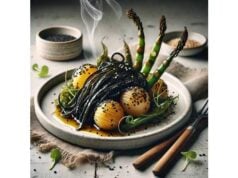
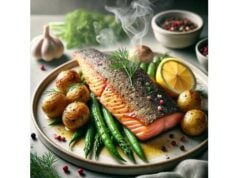
Roe—fish eggs from species like salmon (ikura), flying fish (tobiko), capelin (masago), cod (tarako), and sturgeon (caviar)—is prized for its clean brininess, vibrant colors, and delicate pop. Beyond garnishing sushi or blinis, roe is a nutrient-dense seafood: it packs complete protein, abundant omega-3s (EPA and DHA), vitamin B12, vitamin D, choline, and selenium in a very small serving. Its fat is mostly polyunsaturated, and the sodium content varies widely depending on whether the product is raw, lightly salted, or fully cured. While roe can be expensive at the luxury end, many affordable options offer similar nutrition with subtler flavor. In the kitchen, roe is versatile—folded into warm pasta, spooned over yogurt and herbs, or used to finish grilled vegetables. This guide walks you through roe’s benefits, full nutrition profile, evidence-based health effects, safety considerations, buying and sustainability tips, cooking methods that preserve nutrients, and smart portion guidance.
Core Points
- Roe provides concentrated omega-3s (≈2.4 g/100 g) and very high vitamin B12 per serving.
- Raw or ready-to-eat roe can carry Listeria risk; high-salt styles add substantial sodium.
- Typical serving is 1–2 tablespoons (15–30 g), enjoyed 1–3 times weekly.
- Avoid or limit if pregnant (unless fully cooked), highly salt-sensitive, or with confirmed fish/seafood allergy.
Table of Contents
- Detailed Overview
- Nutrition Profile
- Evidence-Based Health Benefits
- Risks, Allergies and Interactions
- Selecting, Quality, Sustainability and Storage
- Preparation, Cooking and Nutrient Retention
- Portions, Comparisons and FAQs
Detailed Overview
Roe is the fully ripened internal egg masses of fish and certain seafoods. Culinary traditions around the world treat different roes as distinct ingredients: salmon roe (ikura) offers large, translucent orange pearls and a buttery, marine sweetness; flying fish roe (tobiko) brings crunch and color; capelin roe (masago) is fine-grained and economical; cod roe ranges from raw “sacs” used for taramasalata to salted tarako; and sturgeon roe (caviar) is the archetypal luxury garnish. Although these varieties differ in texture and salinity, they share hallmark features: dense, high-quality protein; long-chain omega-3 fatty acids (EPA and DHA); and striking concentrations of vitamin B12 and vitamin D.
Nutritionally, roe functions as a compact package of embryonic nutrients, designed by nature to fuel development—hence its richness in phospholipids, essential fatty acids, fat-soluble vitamins, and minerals like selenium. Even modest spoonfuls contribute meaningfully to daily nutrient targets. For example, 100 g of mixed-species raw roe provides roughly 22 g of protein, ~2.4 g of omega-3s (with ≈1.0 g EPA and ≈1.36 g DHA), and very high vitamin B12. Most people, however, eat roe in much smaller amounts (15–30 g), so thinking in “tablespoons” is practical for meal planning.
Taste and use depend on processing. Raw or pasteurized roes taste clean and lightly briny; salt-cured styles (caviar, tarako, bottarga when dried) concentrate flavor but can drastically raise sodium. Colored roe toppings used in sushi may include added sweeteners or flavorings (e.g., wasabi, yuzu), so labels matter. Cost varies widely: premium caviar is expensive, but salmon, capelin, and cod roes deliver similar nutrients for far less.
Sustainability ranges by species and harvesting method. Many salmon roes come as byproducts of seafood processing, while sturgeon caviar depends on aquaculture and strict regulations. Certifications and fishery assessments help discern lower-impact choices. The section on selection and sustainability below offers concrete steps to choose responsibly and store roe safely.
Finally, roe is delicate. Keep it cold, use clean utensils, and serve it last to preserve texture. Because it’s often eaten without further cooking, food safety practices are essential—especially for people at higher risk from foodborne illness.
Nutrition Profile
Portion note: The data below are standardized per 100 g of mixed-species raw fish roe so you can compare across foods. Typical portions are 15–30 g (1–2 tbsp), which supply roughly 15–30% of the listed values.
Macros and Key Electrolytes (per 100 g)
| Nutrient | Amount | %DV |
|---|---|---|
| Energy | ~143 kcal | — |
| Protein | 22.1 g | — |
| Total Fat | 6.4 g | 8% |
| Carbohydrates | 1.5 g | 1% |
| Sodium | 90.7 mg | 4% |
| Potassium | 221 mg | 5% |
| Cholesterol* | ~374 mg | — |
- Cholesterol currently has no established %DV for labeling; roe is naturally high.
Fats and Fatty Acids (per 100 g)
| Fatty Acid | Amount |
|---|---|
| Total Saturated Fat | ~0.6–0.7 g |
| Total Monounsaturated Fat | ~1.7–1.9 g |
| Total Polyunsaturated Fat | ~2.6–2.8 g |
| Omega-3 (total) | ~2.43 g |
| — EPA (20:5n-3) | ~0.99 g |
| — DHA (22:6n-3) | ~1.36 g |
| Omega-6 (total) | ~0.03–0.05 g |
Vitamins (per 100 g)
| Vitamin | Amount | %DV |
|---|---|---|
| Vitamin B12 | ~10.0 µg | 417% |
| Vitamin D | ~12.1 µg | 61% |
| Vitamin E (alpha-tocopherol) | ~7.0 mg | 47% |
| Riboflavin (B2) | ~0.7 mg (est. from serving data) | — |
| Niacin (B3) | ~1.8 mg (est.) | — |
| Folate (B9) | ~80 µg DFE (est.) | — |
| Choline | ~336 mg | 61% (AI-based) |
Minerals (per 100 g)
| Mineral | Amount | %DV |
|---|---|---|
| Selenium | ~40 µg | 73% |
| Phosphorus | ~402 mg | 32% |
| Calcium | ~22 mg | 2% |
| Iron | ~0.57 mg | 3% |
| Zinc | ~1.0–1.2 mg (typical) | — |
Protein and Amino Acids
Roe provides complete protein with a balanced essential amino acid profile. Per 100 g, essential amino acids like leucine (~2.0 g), lysine (~1.7 g), and valine (~1.3 g) are well represented (values vary by species). This supports muscle protein synthesis when paired with leucine-rich foods across the day.
Bioactives
Roe contains phospholipids (e.g., phosphatidylcholine), carotenoids like lutein/zeaxanthin (notably in salmon roe), and small peptides. Emerging studies identify compounds such as anserine/carnosine in certain species’ roes and gadusol in others, with antioxidant and photoprotective potential. These are promising but not yet basis for clinical claims.
Additives and Processing Notes
- Salt-curing greatly raises sodium; flavored tobiko/masago may include sweeteners, colorants, or wasabi flavor.
- Pasteurization improves shelf stability with modest nutrient losses in heat-sensitive vitamins; omega-3s are largely preserved.
- Color can be natural (carotenoids) or added—check labels if you prefer dye-free products.
Glycemic and Acid–Base Metrics
Roe is extremely low in carbohydrate and has negligible sugar, with a minimal effect on blood glucose. Its PRAL (potential renal acid load) is mildly acid-forming but modest at typical serving sizes.
Evidence-Based Health Benefits
Cardiometabolic Support
Roe is a dense source of EPA and DHA, two long-chain omega-3s linked to lower triglycerides and support for endothelial and heart rhythm health. Even small servings contribute substantially toward commonly recommended intakes of ~250–500 mg/day of combined EPA+DHA. A 30 g spoonful of mixed-species roe supplies roughly 730 mg omega-3s (≈300 mg EPA and ≈410 mg DHA), helping close the intake gap for people who eat seafood infrequently.
Cognitive and Neurodevelopmental Nutrients
Vitamin B12 (~10 µg/100 g) and choline (~336 mg/100 g) support one-carbon metabolism and neurotransmitter synthesis. Vitamin D (~12 µg/100 g) participates in neural signaling and immune function. While roe itself has not been tested as a standalone therapy, seafood’s nutrient package—especially EPA, DHA, and B12—is consistently associated with brain and visual development in infants and long-term cognitive health in adults when included as part of varied diets.
Anti-Inflammatory Fatty Acids
EPA and DHA can be enzymatically converted into specialized pro-resolving mediators (resolvins, protectins) that help resolve, rather than merely block, inflammation. Regular inclusion of omega-3-rich foods like roe may help shift the dietary n-3:n-6 balance toward patterns linked with favorable inflammatory profiles.
High-Quality Protein in Small Volumes
Roe’s ~22 g protein/100 g translates to 3–6 g per tablespoon—useful when you need nutrient density without large portions, such as for older adults with lower appetite or athletes looking to add protein and omega-3s without excessive calories.
Micronutrient Density
- Vitamin B12: A single tablespoon can approach or exceed daily requirements, supporting red blood cell formation and neurological function.
- Selenium: ~40 µg/100 g supports antioxidant enzymes (e.g., glutathione peroxidases).
- Vitamin E and carotenoids: Offer antioxidant activity; salmon roe is notable for lutein/zeaxanthin.
Culinary Versatility Encourages Healthy Patterns
Roe adds intense flavor with minimal cooking, encouraging more seafood-forward meals where vegetables, whole grains, and legumes carry the bulk of the plate. By using roe as a finishing element—on roasted greens, in yogurt dips, or over whole-grain blinis—you get concentrated nutrients while keeping sodium in check.
Practical Takeaway
Roe is not a “superfood” panacea, but as a small, potent addition to meals, it meaningfully contributes omega-3s, B12, D, choline, and selenium—nutrients that many people underconsume—without adding much carbohydrate.
Risks, Allergies and Interactions
Foodborne Pathogens in Ready-to-Eat Roe
Because roe is often consumed without further cooking (e.g., sushi toppings, caviar), it carries the same ready-to-eat hazards as cold smoked fish: notably Listeria monocytogenes. At-risk groups—including pregnant people, older adults, and those with weakened immunity—should avoid unheated, ready-to-eat seafood products. If you’re pregnant and wish to enjoy roe, choose preparations that are thoroughly cooked (e.g., baked taramasalata gratin) and served hot.
Sodium Load in Cured Varieties
Salt-cured roes (caviar, bottarga, tarako) can deliver hundreds of milligrams of sodium in small portions. People with hypertension, heart failure, ascites, or sodium-sensitive kidney disease should limit cured roe and favor fresh or lower-sodium options. Rinsing lightly and using roe as a garnish (not the base of a dish) can reduce intake.
Allergies
Fish and shellfish allergies can include reactions to roe proteins. Symptoms range from oral itching to anaphylaxis. If you have any confirmed fish or seafood allergies, avoid roe from related species and consult an allergist before trialing alternatives.
Purines and Uric Acid
Seafood can be moderate in purines, and some fish by-products (notably milt, not roe) are very high. People with gout or hyperuricemia should individualize their seafood choices, keep portions modest (15–30 g roe at a time), and emphasize overall dietary patterns (maintaining hydration, limiting alcohol—especially beer—and balancing purine intake across meals). Cooking and pairing with vegetables and whole grains is a sensible approach.
Contaminants
Roe typically accumulates less mercury than muscle in the same fish, but levels vary by species and water body. If you harvest your own roe, follow local advisories. Commercial products from regulated fisheries are generally safe when eaten in small portions and stored properly.
Medication Interactions
- Anticoagulants/antiplatelets: Omega-3s can have mild antiplatelet effects; routine food-level intakes are rarely problematic, but if you take high-dose fish oil or multiple agents, keep your clinician informed.
- Sodium-sensitive conditions: See above—cured roe is the main concern.
Who Should Limit or Avoid Roe
- Pregnant individuals (unless fully cooked and served hot).
- People with confirmed fish or shellfish allergies.
- Individuals on strict sodium restriction (choose fresh/low-salt roe only, in tiny amounts).
- Those with gout—keep portions small and monitor symptom response.
Selecting, Quality, Sustainability and Storage
How to Read Labels
- Species: Look for the exact fish (e.g., salmon, capelin, cod, sturgeon). “Masago” often means capelin; “tobiko” is flying fish; “ikura” is salmon.
- Processing: “Raw,” “pasteurized,” “salted,” “smoked,” “cured,” or “pressed/dried” (bottarga). Pasteurized roe keeps longer unopened.
- Additives: Flavored roes can include sweeteners, MSG, coloring, and wasabi; choose plain if you prefer minimal ingredients.
- Salt: Compare sodium per 15 g; low-salt options exist.
- Origin and harvest: Farmed vs wild, country of origin, and any certifications (aquaculture standards, fishery assessments).
Sustainability Tips
- Favor byproduct roes from responsibly harvested fish (e.g., salmon from well-managed fisheries).
- For sturgeon caviar, prefer certified aquaculture that complies with trade rules and traceability; illegal caviar harms wild sturgeon.
- Diversify species: capelin or cod roe can substitute for pricier options, spreading demand and lowering cost.
Freshness and Quality Checks
- Appearance: Pearls intact, glossy; no dryness, clumping, or excessive liquid.
- Aroma: Clean, marine; avoid sour, fishy, or ammonia notes.
- Texture: “Pop” without mushiness; cured roes should not be overly sticky.
- Color: Expect natural variation by species; overly neon hues often indicate colorants.
Storage and Food Safety
- Keep roe refrigerated at ≤4°C (≤40°F).
- Unopened pasteurized jars keep for weeks in the fridge; check “best by” dates.
- After opening, consume within 2–3 days for best quality (24 hours for fresh raw roe).
- Use clean utensils (no double-dipping) to prevent contamination.
- Freezing: Many roes freeze well for 1–2 months. Thaw slowly in the refrigerator to minimize texture loss.
Budget Ideas
- Buy small jars and use roe as a finishing salt: a teaspoon over eggs, potatoes, or roasted greens delivers flavor and nutrients without breaking the bank—or your sodium budget.
- Mix a little roe into yogurt, lemon, and herbs to stretch it into a dip or sauce.
- Choose masago or cod roe for everyday cooking and reserve premium caviar for special occasions.
Preparation, Cooking and Nutrient Retention
Best Uses for Fresh and Cured Roe
- Raw/pasteurized roe (e.g., ikura, tobiko): Serve chilled over rice, blinis, soft-scrambled eggs, or roasted vegetables; fold into crème fraîche, cultured butter, or yogurt with lemon and dill.
- Salted/seasoned roe (tarako, mentaiko): Sauté gently in butter and toss with hot pasta and lemon; spread thinly on toast; whisk into warm sauces.
- Pressed/dried roe (bottarga): Grate over pasta, salads, or grilled asparagus like a savory “citrus-sea” zest.
- Cooked cod roe sacs: Poach, cool, slice, and pan-fry; use in taramasalata or croquettes.
Nutrient Preservation Tips
- Minimal heat exposure protects omega-3s and B-vitamins. Use roe as a finishing ingredient—add at the end of cooking.
- Gentle warming (not high sear) limits oxidation of polyunsaturated fats; if cooking, keep to low heat for short times.
- Acidic elements (lemon, vinegar, yogurt) brighten flavor and can help reduce perceived saltiness—use less roe to achieve the same punch.
- Avoid prolonged air exposure: Cover and chill quickly; oxygen accelerates fat oxidation.
Simple, Balanced Pairings
- Warm Potatoes with Herb Yogurt and Roe
Toss steamed baby potatoes with olive oil and dill; top with yogurt, lemon zest, chopped chives, and a teaspoon of roe per serving. - Tomato–Roe Crème
Stir a spoon of roe into warm tomato cream sauce just off heat; finish pasta with parsley. The roe’s salinity seasons the dish with less added salt. - Spring Greens with Bottarga
Shave fennel and cucumbers, toss with mint and lemon, finish with grated bottarga and extra virgin olive oil.
Food Safety in the Kitchen
- Keep cold chain unbroken from store to fridge.
- Serve roe last and return leftovers to the refrigerator promptly.
- For high-risk diners, choose fully cooked applications (baked taramasalata, poached cod roe) and serve hot.
Portions, Comparisons and FAQs
How much roe should I eat?
A typical portion is 1–2 tablespoons (15–30 g). Enjoy roe 1–3 times per week as a garnish or small side. This keeps sodium modest while delivering omega-3s, B12, D, choline, and selenium.
Is salmon roe “healthier” than caviar?
Both are nutrient dense; salmon roe tends to have larger pearls, a slightly lower price per gram, abundant EPA+DHA, and bright carotenoids. Sturgeon caviar may be saltier depending on style and is prized for nuanced flavor. From a nutrition standpoint, differences are modest—sodium and price are the big separators.
Roe vs. fish fillets for omega-3s?
Per gram, roe can be richer in EPA+DHA than many fillets, but people usually eat tiny amounts of roe. Regular seafood meals (e.g., salmon, sardines, trout) remain the backbone for meeting weekly omega-3 targets; roe is a potent booster.
What about cholesterol?
Roe is naturally high in cholesterol. For most people, dietary cholesterol has a smaller effect on blood cholesterol than saturated fat and overall diet pattern. If your clinician advises a lower-cholesterol diet, keep portions small (teaspoon-level garnishes) and prioritize overall heart-healthy meals.
Can I eat roe during pregnancy?
Avoid ready-to-eat, unheated roe due to Listeria risk. If you wish to enjoy roe while pregnant, choose thoroughly cooked preparations and serve them hot.
Is roe suitable for low-carb or gluten-free diets?
Yes—roe is naturally very low in carbohydrate and gluten-free. Watch for added sugars, wheat-based flavorings, or cross-contamination in processed products (read labels).
When is roe not a good idea?
If you are salt-sensitive, on strict sodium restriction, pregnant (unless cooked), or have fish/seafood allergy—roe may not be suitable. Those with gout should keep portions small and track symptoms.
Quick comparison per 30 g (≈1 heaped tbsp)
- Energy: ~43 kcal
- Protein: ~6.6 g
- Total fat: ~1.9 g
- Omega-3s: ~0.73 g (≈0.30 g EPA, ≈0.41 g DHA)
- Vitamin B12: ~3.0 µg (≈125% DV)
- Vitamin D: ~3.6 µg (≈18% DV)
Actual values vary by species and curing.
Budget tips for flavor and nutrition
Use ½–1 tsp as a finishing salt on eggs, avocado toast, or roasted vegetables. You’ll get flavor and omega-3s with far less sodium than a big dollop.
References
- Nutrition Facts for Fish Roe 2025
- Comparison of Chemical Composition and Safety Issues in Fish Roe Products: Application of Chemometrics to Chemical Data 2020 (Systematic Analysis)
- Listeria (Food Safety for Moms-to-Be) 2025 (Guidance)
- Risks from mercury in anadromous fish collected from Penobscot River, Maine 2021
- 4 Dietary Intake and Nutrient Composition of Seafood 2024 (Report Chapter)
Disclaimer
This article provides general nutrition and food safety information for educational purposes. It is not a substitute for personalized medical advice, diagnosis, or treatment. Always consult your healthcare professional about specific questions, conditions, medications, allergies, pregnancy-related concerns, and individualized dietary needs.
If you found this guide useful, please consider sharing it with friends or colleagues on Facebook, X (formerly Twitter), or any platform you prefer. Your support helps us continue creating high-quality, evidence-based food and nutrition content.