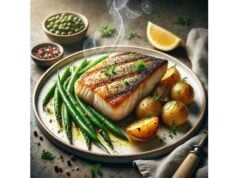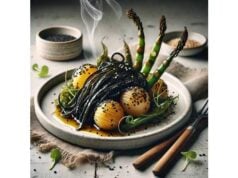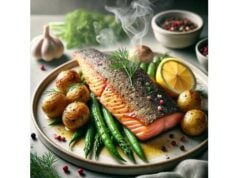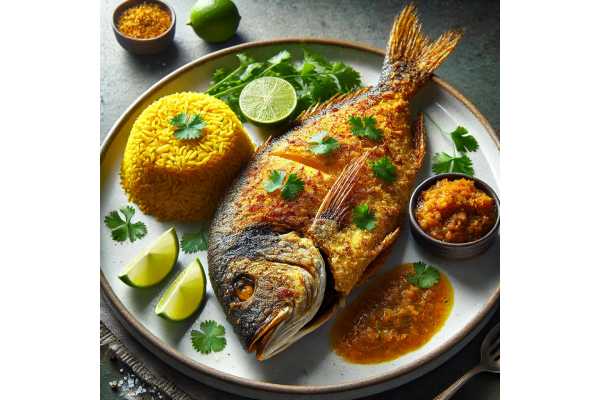
Pomfret—most often silver pomfret (Pampus argenteus) and black pomfret (Parastromateus niger)—is a prized table fish across South and East Asia for its clean flavor, delicate flakes, and forgiving cook times. Leaner than many popular species yet still supplying marine omega-3s, pomfret offers dependable protein with modest calories plus B-vitamins, selenium, and iodine. Its compact, flat shape cooks evenly in minutes, whether pan-fried, steamed in ginger and scallions, or grilled with a turmeric-chili rub. Because pomfret is usually sold whole or as bone-in steaks, it retains moisture and flavor; the skin crisps beautifully and shields the tender flesh. As with all wild-caught marine fish, safe handling matters: cook to a food-safe temperature or use validated freezing for any raw-style preparations. In the guide below, you’ll find a clear nutrition profile per 100 g, evidence-based benefits, safety and allergen notes, smart buying tips, sustainability context, and step-by-step kitchen methods to get consistent, juicy results.
Top Highlights
- Lean, mild fish with ~90–120 kcal and ~18–20 g protein per 100 g raw; provides selenium, iodine, and marine omega-3s.
- Typical cooked portion: 150–170 g once or twice weekly within a varied seafood pattern.
- Safety: cook to 63 °C/145 °F or use validated freezing before raw/cured dishes to reduce parasite risk.
- Limit or avoid: people with finfish allergy; during pregnancy and early childhood, follow national lower-mercury guidance and local advisories.
- Best uses: whole steamed, shallow-fried steaks, or grilled fillets; keep times short to preserve moisture and B-vitamins.
Table of Contents
- Pomfret Overview
- Pomfret Nutrition Profile
- Evidence-Based Health Benefits
- Risks, Allergies and Interactions
- Selecting, Quality, Sustainability and Storage
- Preparation, Cooking and Nutrient Retention
- Portions, Comparisons and FAQs
Pomfret Overview
Pomfret is a common name for several flat-bodied, ocean-dwelling fish. Two species dominate markets: silver pomfret (Pampus argenteus) with a pale, buttery taste and delicate texture, and black pomfret (Parastromateus niger), slightly meatier with a deeper flavor. Both are typically sold whole, dressed, or cut into steaks; fillets are less common but increasingly available in international markets.
Culinarily, pomfret serves cooks who value speed and consistency. The fish’s thin, even profile means heat penetrates quickly, preventing the overcooked edges that can plague thicker fillets. Steaming with aromatics (ginger, garlic, scallions), shallow-frying with a light spice dusting, or grilling over medium heat are all reliable methods. Bone-in steaks deliver extra juiciness and reduce breakage. Pomfret’s mildness makes it highly adaptable: it pairs with lime and cilantro as easily as with soy, sesame, and white pepper, or with turmeric, chili, and tamarind.
From a nutrition perspective, pomfret is lean and protein-dense, with modest total fat and a helpful contribution of marine omega-3s (EPA and DHA). It provides vitamin B12, selenium, iodine, and phosphorus, along with potassium and small amounts of vitamin D depending on species and season. Because it’s not an apex predator, pomfret generally carries lower mercury than large, long-lived fish; nonetheless, levels vary by harvest area and fish size, so rotating species remains a wise practice.
Availability and sustainability are region-specific. Silver pomfret is widely landed in the Indian Ocean and Western Pacific; black pomfret ranges across similar waters. Both are often sold fresh in coastal markets and frozen elsewhere. To maximize quality at home, choose eyes that are bright, gills that are red (not brown), and flesh that springs back to a gentle press.
If you enjoy fish that tastes clean and cooks quickly—without the oily richness of salmon—pomfret is an excellent option. The sections below provide precise nutrient values, safety advice, and practical techniques to ensure tender, flavorful results every time.
Pomfret Nutrition Profile
Basis and rounding
Values below describe raw pomfret per 100 g (typical market specimens). Nutrition varies by species, season, and diet. Cooking changes moisture and density; see Section 6 for retention guidance. % Daily Value (%DV) uses adult reference DVs (protein 50 g; total fat 78 g; saturated fat 20 g; carbohydrate 275 g; fiber 28 g; sodium 2,300 mg; potassium 4,700 mg; calcium 1,300 mg; iron 18 mg; magnesium 420 mg; phosphorus 1,250 mg; zinc 11 mg; selenium 55 µg; iodine 150 µg; vitamin D 20 µg; vitamin B12 2.4 µg; vitamin E 15 mg; thiamin 1.2 mg; riboflavin 1.3 mg; niacin 16 mg; vitamin B6 1.7 mg; folate 400 µg). Sensible rounding applied.
Macros and Electrolytes (per 100 g raw)
| Nutrient | Amount | Unit | %DV |
|---|---|---|---|
| Energy | 95–120 | kcal | — |
| Protein | 18.0–20.5 | g | 36–41% |
| Total Fat | 2.0–3.5 | g | 3–4% |
| Saturated Fat | 0.5–0.9 | g | 3–5% |
| Carbohydrate | 0.0 | g | 0% |
| Fiber | 0.0 | g | 0% |
| Sodium | 60–90 | mg | 3–4% |
| Potassium | 300–420 | mg | 6–9% |
| Water | 76–80 | g | — |
Fats and Fatty Acids
| Component | Amount | Unit | Notes |
|---|---|---|---|
| Monounsaturated Fat | 0.7–1.0 | g | — |
| Polyunsaturated Fat | 0.8–1.2 | g | — |
| Omega-3 (EPA+DHA total) | 0.3–0.6 | g | varies by habitat |
| Omega-6 (total) | 0.05–0.15 | g | — |
| Cholesterol | 55–75 | mg | — |
Protein and Amino Acids (overview)
Pomfret provides complete, highly digestible protein. The ~18–20 g protein per 100 g delivers abundant lysine, leucine, threonine, and valine, supporting muscle protein synthesis, tissue repair, and enzyme production.
Vitamins (per 100 g raw)
| Vitamin | Amount | Unit | %DV |
|---|---|---|---|
| Vitamin D | 1–4 | µg | 5–20% |
| Vitamin B12 (cobalamin) | 1.2–2.2 | µg | 50–92% |
| Niacin equivalents | 4.5–6.5 | mg | 28–41% |
| Vitamin B6 (pyridoxine) | 0.15–0.30 | mg | 9–18% |
| Thiamin (B1) | 0.05–0.10 | mg | 4–8% |
| Riboflavin (B2) | 0.08–0.15 | mg | 6–12% |
| Folate | 5–12 | µg | 1–3% |
| Vitamin E | 0.5–1.0 | mg | 3–7% |
Minerals and Trace Elements (per 100 g raw)
| Mineral | Amount | Unit | %DV |
|---|---|---|---|
| Phosphorus | 160–230 | mg | 13–18% |
| Magnesium | 20–32 | mg | 5–8% |
| Calcium | 12–40 | mg | 1–3% |
| Zinc | 0.4–0.8 | mg | 4–7% |
| Selenium | 25–40 | µg | 45–73% |
| Iodine | 30–80 | µg | 20–53% |
| Iron | 0.3–0.8 | mg | 2–4% |
Allergens and intolerance markers
Contains finfish allergens (notably parvalbumins).
Contaminants/residues (context)
Pomfret generally sits lower in mercury than large predators, but levels vary by catch area and size. Rotate species and follow regional advice for locally caught fish.
Footnotes
Values reflect raw fish without fortification or additives. Breading and deep-frying increase energy and fat per 100 g; moisture loss during cooking concentrates per-weight nutrients.
Evidence-Based Health Benefits
1) Protein density with modest calories
Per 100 g, pomfret typically delivers ~18–20 g protein for ~95–120 kcal, making it a strategic main course if you want satisfying meals without excessive calories. A usual cooked portion of 150–170 g supplies ~27–32 g protein, enough to stimulate muscle protein synthesis in most adults when paired with resistance exercise and balanced meals. Because fish proteins are highly digestible and low in connective tissue, pomfret feels light yet filling—useful for weight-conscious eating and for older adults who need more protein per meal.
2) Selenium and iodine support
Pomfret contributes selenium—a key cofactor for antioxidant enzymes involved in protecting cell membranes—and iodine, essential for thyroid hormone production. In areas where soil iodine is variable or iodized salt intake is inconsistent, including marine fish helps maintain adequate status. The combination of selenium and iodine supports efficient thyroid hormone activation and antioxidant defenses, particularly important when energy intake is moderate.
3) B-vitamins for metabolism and nerve health
Pomfret provides vitamin B12, niacin, and vitamin B6, supporting red blood cell formation, energy metabolism, and nervous system function. For eaters who consume little red meat or are dialing down overall animal fat, fish like pomfret offers an efficient way to meet B12 needs while keeping saturated fat low.
4) Marine omega-3s in a lean package
While pomfret isn’t as omega-3-rich as salmon, its EPA and DHA contribution (roughly 0.3–0.6 g per 100 g, depending on habitat) adds to weekly totals that support heart and brain health. A simple pattern is to anchor the week with one lean fish night (pomfret) and one oily fish night (salmon, herring, sardines)—balancing calories, flavor, and long-chain omega-3 intake.
5) Digestible, quick-cooking protein for busy kitchens
The flat, even profile of whole pomfret means predictable doneness. Short cook times minimize loss of heat-sensitive B-vitamins, and whole or bone-in cuts retain moisture. For households managing time and energy costs, a fish that cooks in 8–12 minutes and pairs with pantry staples (ginger, garlic, soy, lemon) is a practical, healthy anchor.
6) Versatility across cuisines
Pomfret’s mildness suits a wide range of flavor maps:
- East Asian: steamed with ginger, scallions, and soy; finish with hot oil and cilantro.
- South Asian: shallow-fried with turmeric, chili, coriander, and a squeeze of lime.
- Mediterranean: grilled with olive oil, lemon, oregano, and capers.
- Modern light: oven-roasted with fennel, cherry tomatoes, and parsley, finished with lemon zest.
How to realize these benefits
- Plan two seafood meals weekly—one lean like pomfret, one oily—to meet nutrition goals.
- Pair pomfret with fiber-rich sides (greens, lentils, whole grains) to extend satiety and round out minerals.
- Use moist-heat or attentive quick sears to retain vitamins and keep flakes succulent.
Risks, Allergies and Interactions
Finfish allergy
Pomfret contains parvalbumins, the primary allergens in many fish. People with confirmed finfish allergy should avoid pomfret. Cross-reactivity between species is common; tolerance to one fish does not guarantee safety with others.
Parasites in marine fish
As with other wild marine species, pomfret can harbor anisakid larvae. After ingestion of live larvae, symptoms may include abdominal pain, nausea, and vomiting. The simplest prevention is to cook to an internal temperature of 63 °C/145 °F. For raw or lightly cured dishes (ceviche, cold-smoked), use validated freezing protocols. Marinating, salting, and cold-smoking alone do not reliably kill parasites. Commercial suppliers are best equipped to verify time-temperature controls for raw service.
Mercury and other contaminants
Pomfret generally sits in the lower-to-moderate mercury band compared with large, long-lived predators. Levels vary by region and fish size, so follow national advice and rotate species across the month. For locally caught fish, check regional advisories; if none exist, a prudent practice is to limit to one serving that week and avoid other fish that week.
Special populations
- Pregnant or breastfeeding individuals and young children: prioritize lower-mercury species; include pomfret occasionally and always cook thoroughly.
- Sodium restriction: raw pomfret is naturally low in sodium; manage added salt in brines, rubs, and sauces.
- Anticoagulants and supplements: culinary amounts of pomfret are not a concern; consult clinicians before using high-dose fish-oil supplements.
Food handling and storage safety
Keep raw fish at ≤4 °C/40 °F and use within 1–2 days or freeze promptly. Thaw under refrigeration or in sealed packaging under cold running water. Prevent cross-contamination by sanitizing knives, boards, and countertops after raw fish prep.
Selecting, Quality, Sustainability and Storage
Choosing quality pomfret
- Appearance: eyes bright and clear; gills red to pink (not brown); skin shiny with tight scales; flesh moist and resilient.
- Odor: clean and ocean-fresh, never sour or ammonia-like.
- Cut and size: smaller whole fish (400–800 g) cook evenly and tend to be milder; bone-in steaks retain moisture and are straightforward to pan-fry.
- Trim: ask for gutted and scaled fish if buying whole; request steaks with center bone intact for even cooking.
Sustainability snapshot
Silver and black pomfret are regionally managed with gear rules, seasonal closures, and size limits. Catch method and handling determine both quality and impact. When certifications are scarce, choose transparent suppliers who can tell you the catch area and landing date. A household-level strategy that supports ecosystems and nutrition is to rotate species (e.g., pomfret, mackerel, sardines, farmed bivalves) across the month rather than relying on a single fish.
Storage at home
- Refrigeration: cook within 1–2 days. Store on ice in a covered container in the coldest refrigerator zone; drain and refresh ice as needed.
- Freezing: wrap tightly (double-wrap or vacuum-seal) to prevent freezer burn; label date and use within 3–6 months for best quality.
- Thawing: overnight in the refrigerator; or sealed and submerged in cold water, changing the water every 30 minutes until pliable.
- Leftovers: refrigerate cooked pomfret within 2 hours and enjoy within 3–4 days; reheat gently to avoid drying.
Environmental and personal health balance
Choose smaller fish when possible; younger specimens typically carry fewer bioaccumulated contaminants. Pair fish with plant-forward sides to reduce the meal’s environmental footprint and round out fiber and micronutrients.
Preparation, Cooking and Nutrient Retention
Pre-cook setup
- Pat dry thoroughly. Water on the surface prevents browning and encourages sticking.
- Score lightly (whole fish). Two or three shallow diagonal cuts per side help heat penetration and even seasoning.
- Season simply. Salt just before cooking; add pepper, ginger-garlic paste, or citrus zest.
- Protect moisture. Brush with a thin film of oil or ghee; for pan-frying steaks, a light rice-flour or semolina dusting reduces sticking and shields the lean flesh.
Cooking methods that suit pomfret
- Shallow-fried steaks: medium-high heat; 2–4 minutes per side depending on thickness (about 2–3 cm). Finish with lemon or lime.
- Whole steamed: place on ginger and scallions; steam 8–12 minutes (size-dependent) until just opaque; finish with hot oil, soy, and herbs.
- Grilled whole or fillets: medium heat; oil the grates well; cook 3–5 minutes per side.
- Oven-roasted: 200–220 °C (400–425 °F) for 10–14 minutes; add citrus slices, fennel, or cherry tomatoes for moisture.
- Curry or stew: add fish toward the end and simmer gently 5–7 minutes to avoid breaking the flakes.
Food-safe temperature
Cook to an internal temperature of 63 °C/145 °F at the thickest point. Visual cues: opaque flesh that flakes with gentle pressure, juices clear, and skin loosening from the flesh. Pull from heat just shy of done; carryover heat will finish the cook.
Nutrient retention strategies
- Favor short, gentle heat (steam, parchment, quick pan-sear) to preserve B-vitamins and prevent dryness.
- Use bone-in cuts for juicier results with a wider doneness window.
- Finish with yogurt-herb, lemon-tahini, or a small pan emulsion (butter/lemon/capers) to add flavor and aid absorption of fat-soluble vitamin D—without heavy batters.
- If frying, use fresh oil, avoid repeated high-heat cycles, and drain briefly on paper to limit oxidation and excess surface fat.
Flavor pairings
Ginger, garlic, turmeric, chili, coriander, mustard seed, lime, cilantro, dill, parsley, black pepper, sesame, soy, and tamarind all complement pomfret’s mildness. Build a balanced plate with high-fiber sides such as sautéed greens, dal, barley pilaf, or roasted root vegetables.
Portions, Comparisons and FAQs
What is a sensible portion?
A practical cooked portion for adults is 150–170 g (about 5–6 oz), which typically starts as ~180–220 g raw. Within a varied seafood pattern, enjoy pomfret once or twice weekly and pair it with one weekly serving of oily fish for omega-3 balance.
How does pomfret compare to cod, salmon, or mackerel?
- Pomfret vs cod: both are mild and lean; pomfret’s bone-in steaks and whole fish cook faster and stay juicier, while cod’s thicker fillets provide a firmer bite.
- Pomfret vs salmon: salmon delivers more omega-3s and fat-soluble vitamins per gram; pomfret is lighter in calories with a cleaner, less oily flavor.
- Pomfret vs mackerel: mackerel is richer and far higher in omega-3s; choose pomfret when you want a leaner plate and quicker cook.
Is pomfret good for weight management?
Yes. Its high protein-to-calorie ratio supports fullness with modest energy. Pair with vegetables and whole grains to slow digestion and extend satiety.
Can I eat pomfret during pregnancy?
Pomfret generally falls in lower-to-moderate mercury categories depending on region. Include it occasionally within national weekly seafood guidance, choose smaller fish, and always cook thoroughly. If eating locally caught fish, follow regional advisories.
Are bones a hazard?
Pomfret steaks and whole fish contain center bone and rib bones. Use kitchen tweezers to remove pin bones in fillets; for steaks and whole fish, serve carefully and encourage slow chewing. When cooking for young children, flake the fish and inspect for bones.
Simple, nutrient-forward recipes
- Ginger-scallion steamed pomfret: steam with aromatics, finish with soy and hot oil; serve with rice and greens.
- Turmeric-chili shallow-fried steaks: dust lightly, pan-fry to golden, and finish with lime and cilantro.
- Roasted pomfret with fennel and lemon: high-heat roast on sliced fennel, deglaze pan juices with lemon and capers.
Budget and waste reduction
Buy whole fish in-season for better value; ask the fishmonger to scale and gut. Save bones and head for fish stock; freeze in labeled containers to enrich soups and sauces. Store spice rubs and sauces in small jars for quick weeknight meals.
References
- Advice about Eating Fish 2024.
- About Anisakiasis 2024.
- 2021 Dietary Guidance to Improve Cardiovascular Health 2021 (Guideline).
- Pampus argenteus (Euphrasen, 1788) 2021.
Medical Disclaimer
This information is for general education and is not a substitute for personalized medical advice, diagnosis, or treatment. Nutrition and safety needs vary by health status, medications, pregnancy, and local advisories. Consult a qualified healthcare professional or registered dietitian for guidance tailored to you, especially when pregnant, breastfeeding, immunocompromised, or preparing food for young children.
If this guide was helpful, please consider sharing it with friends or colleagues on Facebook, X (formerly Twitter), or any platform you prefer. Your support helps us continue producing clear, practical, evidence-based articles.