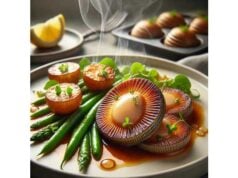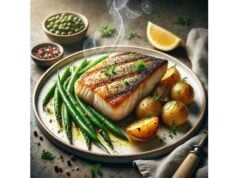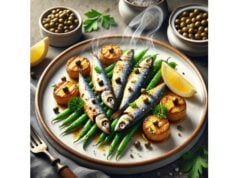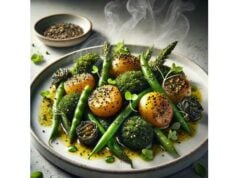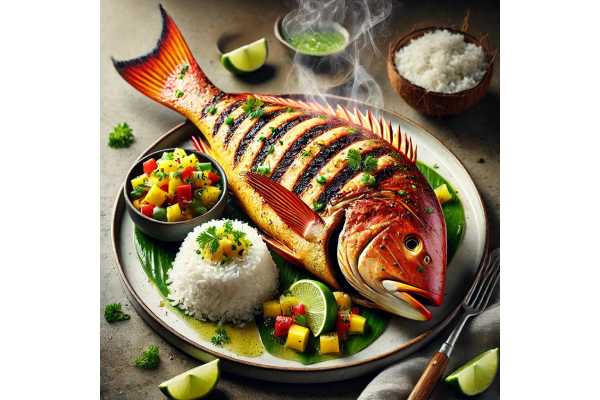
Parrotfish are reef-dwelling, algae-grazing fish known for their bright colors and unmistakable beak-like teeth. In the kitchen, they behave like many lean white fish: mild flavor, tender flakes, and quick cooking across grilling, steaming, or pan-searing. A 100 g raw portion typically delivers high-quality protein with very little saturated fat and a worthwhile boost of B vitamins—especially vitamin B12. Because parrotfish help keep coral reefs healthy by cropping algae, they are also a focal point in sustainability conversations; in some places their harvest is restricted to protect local ecosystems. If parrotfish are available and legally caught where you live, they can be a versatile, light choice for weeknight meals or special occasions. This guide walks you through the essential facts: what parrotfish are, how they compare nutritionally, credible health benefits and risks, what to look for at the market, the best ways to cook them, and how to portion them wisely.
At a Glance
- Lean protein with ~20 g per 100 g and very low saturated fat.
- Good source of vitamin B12 per 100 g; supports nerves and blood health.
- Typical serving: 120–150 g cooked fillet, once or twice weekly.
- Safety caveat: reef fish can carry ciguatoxin; avoid head/viscera and buy from trusted sellers.
- People with fish allergy, or anyone in ciguatera-prone regions, should limit or avoid.
Table of Contents
- Parrotfish: What to Know
- Parrotfish Nutrition Profile
- Parrotfish Health Benefits
- Risks, Allergies and Interactions
- Buying, Quality and Storage
- Cooking and Nutrient Retention
- Portions, Comparisons and FAQs
Parrotfish: What to Know
Parrotfish are tropical reef fishes (family Scaridae, often grouped within Labridae) found throughout the Indo-Pacific, Caribbean, and other warm-water regions. Their “parrot” nickname comes from fused front teeth that form a strong beak. In the wild, they graze algae from coral and rock, scraping small bits of substrate in the process. This behavior helps keep reefs from being smothered by seaweed, opening space for corals to settle and grow. In short: where parrotfish are abundant, reefs often cope better with heat stress and other pressures.
In markets, parrotfish may be sold whole or as fillets. Flesh color ranges from off-white to light pink and cooks to white, moist flakes. Flavor is mild and slightly sweet, similar to snapper or hogfish. Because the fish is lean, it responds well to quick, high-heat methods (grill, broil, sauté) as well as gentle, moist-heat methods (steam, poach). A light marinade or compound butter adds richness without masking its delicate taste.
Availability is regional and seasonal. In some island nations and coastal regions, parrotfish are part of traditional cuisine and small-scale fisheries. Elsewhere, they’re uncommon and may be imported. Sustainability is context-dependent: parrotfish play an ecological role on reefs, so harvest rules vary widely. In certain countries and protected areas, herbivorous reef fishes—including parrotfish—are restricted or fully protected. If you choose to eat parrotfish, buy from reputable vendors who comply with local laws and can trace catch location and gear.
At home, treat parrotfish like any lean white fish: keep cold, cook promptly, and avoid overcooking. Its delicate flakes pair well with citrus, fresh herbs, ginger, scallions, chili, capers, olive oil, and light tropical salsas. Beyond whole roasting and fillets, you can use it in ceviche or escabeche in regions where this is traditional—but always weigh raw/undercooked preparations against local food safety risks.
Parrotfish Nutrition Profile
Serving basis: values below are per 100 g raw edible portion. Percent Daily Value (%DV) uses adult reference intakes for a 2,000 kcal diet where applicable.
Macros and Electrolytes
| Nutrient (per 100 g) | Amount | %DV |
|---|---|---|
| Energy | 83 kcal | — |
| Protein | 19.9 g | 40% |
| Total fat | 0.4 g | 1% |
| Saturated fat | 0.1 g | 1% |
| Carbohydrate | 0.0 g | 0% |
| Sugars | 0.0 g | — |
| Fiber | 0.0 g | 0% |
| Sodium | 82 mg | 4% |
| Potassium | 420 mg | 9% |
| Cholesterol | 49 mg | — |
Vitamins
| Vitamin (per 100 g) | Amount | %DV |
|---|---|---|
| Vitamin B12 (cobalamin) | 3.0 µg | 125% |
| Vitamin B6 (pyridoxine) | 0.3 mg | 18% |
| Niacin (vitamin B3) | 1.4 mg | 9% |
| Riboflavin (vitamin B2) | 0.10 mg | 8% |
| Thiamin (vitamin B1) | 0.06 mg | 5% |
Minerals
| Mineral (per 100 g) | Amount | %DV |
|---|---|---|
| Iron | 1.0 mg | 6% |
| Potassium | 420 mg | 9% |
| Sodium | 82 mg | 4% |
Fats and Fatty Acids
Parrotfish is a very lean reef fish. Total fat is typically below 1 g per 100 g, with small amounts of omega-3 polyunsaturated fatty acids. Compared with oily fish (e.g., salmon, sardines), parrotfish contributes modest omega-3; pair it with other seafood choices during the week to meet omega-3 goals.
Allergens & Intolerance Markers
- Major allergen: fish. Standard fish allergy precautions apply.
- Histamine formation (spoilage): Proper chilling prevents histamine development in fish in general; always buy and store under refrigeration.
Contaminants/Residues
- Reef fish, including parrotfish, can carry ciguatoxins in some tropical regions. Toxin risk varies by location and fish size and is not reduced by cooking or freezing.
- Heavy metals: Levels vary with habitat and size. Opting for smaller fish and diverse seafood choices helps minimize cumulative exposure.
Footnotes: Nutrient values reflect typical raw parrotfish entries from national food composition datasets. Ranges vary by species, habitat, season, and cut. Cooking changes moisture and nutrient densities.
Parrotfish Health Benefits
1) High-quality protein with few calories
Per 100 g, parrotfish offers roughly 20 g of complete protein with only ~83 kcal and minimal saturated fat. This makes it a useful protein for weight-conscious meal planning and for people who prefer lighter seafood options that still provide essential amino acids. Protein supports muscle maintenance, tissue repair, and satiety—helpful whether your goal is recovery after training or steady energy during busy days.
2) Meaningful vitamin B12
Parrotfish provides around 125% of the Daily Value for vitamin B12 per 100 g. B12 is necessary for red blood cell formation, nerve function, and DNA synthesis. Adequate B12 also helps prevent megaloblastic anemia and supports cognitive health across the lifespan. If your diet is otherwise low in animal foods, occasional servings of B12-rich fish can help cover gaps.
3) Potassium for blood pressure balance
With approximately 420 mg potassium per 100 g, parrotfish contributes to daily potassium intake, which complements sodium reduction efforts for blood pressure management. While fruits and vegetables drive most potassium intake, adding a lean, potassium-containing fish supports overall electrolyte balance.
4) Heart-smart swap for higher-fat meats
Replacing higher-saturated-fat meats (certain processed or fatty cuts) with lean fish helps reduce overall saturated fat intake. Even though parrotfish isn’t an omega-3 powerhouse, choosing it in rotation with oily fish can improve the overall fatty acid profile of your week.
5) Digestible for many, versatile for cooking
The mild flavor and low connective tissue make parrotfish easy to digest for most people without seafood allergies. Its culinary flexibility—grilling, steaming, baking, sautéing—means you can keep seasonings gentle (citrus, herbs) or adapt to regional styles (tamarind, coconut milk, sofrito) while keeping the dish light.
How to translate benefits into practice
- Build a balanced plate: parrotfish + whole grains (or starchy vegetables) + non-starchy vegetables.
- Aim for 8–12 oz (225–340 g) total seafood per week from a variety of species; include at least one oily fish meal for omega-3s.
- If you rely on parrotfish often, rotate with other lean white fish (snapper, cod, mahi-mahi) to keep nutrients varied and manage contaminant exposure.
Risks, Allergies and Interactions
Ciguatera risk (region-specific).
Certain tropical reef fish can accumulate ciguatoxins produced by microalgae in reef food webs. Larger, older fish and those from known “hotspots” carry higher risk. Cooking and freezing do not destroy ciguatoxins. Illness may cause gastrointestinal symptoms (nausea, vomiting, diarrhea), neurological symptoms (tingling, reversal of hot/cold sensation), and cardiovascular changes. Recovery can take weeks. Practical steps: buy from trusted sources who avoid high-risk fishing grounds; prefer smaller fish; avoid consuming head, liver, intestines, and roe (organs concentrate toxins); and follow local advisories.
Fish allergy.
Parrotfish is a major allergen like other finfish. Anyone with a diagnosed fish allergy should avoid it. Cross-contact in kitchens is common; use separate tools and surfaces if preparing for mixed-allergy households.
Food safety.
Store at ≤4°C (≤40°F), cook promptly, and avoid time in the danger zone (5–60°C / 41–140°F). When in doubt, discard fish that smells ammonia-like, has sticky/slimy texture, or shows dull, sunken eyes (for whole fish).
Medication interactions.
No direct drug–nutrient interactions are typical for parrotfish. However, severe ciguatera illness may transiently interact with alcohol or caffeine tolerance (symptoms can flare); follow clinician guidance after any marine toxin event.
Special populations.
- Pregnant and breastfeeding people: The general benefits of seafood apply, but ciguatera is a key concern in endemic areas. Choose low-risk, well-regulated species and vendors; consider alternatives if you cannot verify sourcing.
- Young children: Serve small portions, remove bones, and source carefully in ciguatera-prone regions.
- Immunocompromised individuals: Ensure fish is fully cooked and handled hygienically.
Sustainability and regulations.
Because parrotfish help maintain reef health, some regions limit or prohibit their harvest to protect coral ecosystems. Always check local laws and marine protected area rules, and consider alternatives when conservation measures recommend reduced harvest.
Buying, Quality and Storage
How to choose quality fish
- Whole fish: Clear, bulging eyes; bright red gills; firm flesh that springs back; clean, ocean-fresh smell. Scales should be tight, skin glossy, and belly intact.
- Fillets/steaks: Moist but not wet; no browning or drying at edges; translucent flesh with fine muscle flakes; no “fishy” or sour odor.
- Traceability: Ask for catch area and gear. Responsible vendors can name the fishing ground and whether the fish came from traps, hook-and-line, or other methods permitted locally.
Sustainability cues
- Parrotfish are key herbivores on reefs. Where regulations exist (e.g., protected herbivores, size/gear limits, closed areas), follow them strictly.
- Favor smaller fish from legal fisheries and avoid purchases from sensitive reefs or protected zones.
- Consider rotating to invasive or hyper-abundant alternatives (e.g., lionfish, where promoted) or other sustainably managed lean species when parrotfish availability is uncertain.
Storage timeline
- Refrigerate: 0–2 days at ≤4°C (≤40°F), ideally on ice in a covered container on the coldest shelf.
- Freeze: up to 3–6 months at −18°C (0°F) for best quality (lean fish freeze well). Wrap tightly (vacuum-seal or double wrap) to prevent freezer burn.
- Thaw: overnight in the refrigerator; for quick thaw, submerge sealed fillets in cold water, changing water every 30 minutes.
- Leftovers: refrigerate cooked fish within 2 hours; consume within 1–2 days.
Red flags
Avoid fish sold from unknown or unlicensed sources, especially in regions with known ciguatera events. Be cautious of unusually low prices that may indicate illegal catch or mislabeling.
Cooking and Nutrient Retention
General doneness and safety
Cook fish to an internal temperature of 63°C (145°F) until flesh is opaque and flakes easily with a fork. Because parrotfish is lean, avoid overcooking to prevent dryness; brief rest off heat helps redistribute juices.
Best cooking methods for lean fish
- Grill/Broil: Brush with oil, season with salt, pepper, citrus zest, and fresh herbs. Grill 3–4 minutes per side for 2–3 cm (¾–1⅛ in) fillets.
- Steam/Poach: Gentle heat preserves moisture and B-vitamins. Use aromatics (ginger, scallion, lemongrass) and finish with soy-lime or olive-lemon dressings.
- Pan-sear: Preheat pan; add neutral oil; sear skin-side first if skin is on. Finish with a squeeze of lemon and a teaspoon of herb butter or olive oil.
- Bake/En Papillote: Seal with vegetables and a splash of wine or citrus; 190°C (375°F) for 10–12 minutes depending on thickness.
Tips to retain nutrients
- Avoid aggressive trimming of dark muscle near the skin, where some micronutrients concentrate.
- Moist-heat methods (steaming, en papillote) reduce water-soluble vitamin loss compared with long boiling.
- Short marination (≤30 min) in acidic mixtures can enhance flavor without degrading texture.
- Minimal saucing preserves the light profile; add healthy fats (olive oil, nutty dressings) after cooking to boost absorption of fat-soluble nutrients in vegetable sides.
Ceviche or raw dishes?
In ciguatera-prone regions, raw or lightly marinated preparations do not reduce toxin risk; choose cooked dishes or substitute a verified low-risk species. If raw service is traditional in your area and sourcing is trustworthy, freeze to −20°C (−4°F) for 7 days for parasite control—but remember: freezing does not neutralize ciguatoxins.
Flavor pairings
Citrus (lime, lemon, orange), pineapple salsa, mango-chili, garlic-parsley, dill-yogurt, capers and olives, coconut-ginger, miso-sesame. Starches: coconut rice, roasted yuca, herbed couscous. Vegetables: charred scallions, blistered tomatoes, steamed greens.
Portions, Comparisons and FAQs
Portions and frequency
- Standard portion (cooked): 120–150 g (about 4–5 oz).
- Weekly frequency: Fit within a total of 8–12 oz (225–340 g) seafood per week for most adults, balancing lean white fish like parrotfish with at least one serving of oily fish for omega-3s.
- Children: 28–85 g (1–3 oz) cooked portions, adjusted for age and appetite; always debone carefully.
How does parrotfish compare to other fish?
- vs. Salmon: Far less fat and omega-3s; much lower calories per portion; milder flavor.
- vs. Snapper/Mahi-mahi: Similar lean profile and cooking uses; nutrient differences are minor and often driven by habitat and size.
- vs. Cod/Haddock: Comparable leanness; parrotfish may have slightly higher B12 per 100 g depending on species.
Who should limit or avoid parrotfish?
- People with fish allergy.
- Those living in or visiting ciguatera-endemic regions without reliable sourcing or advisories.
- Anyone recovering from a marine toxin illness—follow clinician advice before reintroducing reef fish.
Can I eat the skin?
Yes, if properly scaled and cooked crisp. However, avoid head, liver, intestines, and roe due to possible toxin concentration in reef regions.
Is frozen as good as fresh?
Quality frozen fillets are an excellent choice and often safer in terms of temperature control. Thaw slowly in the refrigerator for best texture.
Budget and availability tips
Parrotfish may be seasonal and pricier outside tropical regions. When unavailable or restricted, swap in snapper, hogfish, or mahi-mahi from legal, well-managed fisheries.
Quick meal ideas
- Grilled parrotfish with citrus-herb gremolata, side of charred zucchini and couscous.
- Steamed parrotfish with ginger-scallion soy, served over jasmine rice and sautéed greens.
- Pan-seared fillet with capers, olives, and tomatoes; finish with lemon and parsley.
References
- Food Poisoning from Marine Toxins | Yellow Book 2024 (Guideline)
- Factsheet for health professionals on ciguatera fish poisoning 2024
- “A Better Chance for Resilience”: Using Hungry Fish to Conserve Coral Reefs | NOAA Fisheries 2022
- Belize: SI-49 of 2009 Fisheries (Nassau Grouper & Species Protection) Regulations, 2009 2009
- Parrot fish Raw | Nutrition facts & calories 2021
Disclaimer
This article provides general nutrition, culinary, and safety information about parrotfish for educational purposes. It does not substitute for personalized medical or dietary advice. Marine toxin risks, regulations, and availability vary by region and season. If you are pregnant, breastfeeding, have a medical condition, take medications, or live in a ciguatera-prone area, consult a qualified healthcare professional and follow local fishery advisories before consuming reef fish.
If you found this guide helpful, please consider sharing it with friends or colleagues on Facebook, X (formerly Twitter), or any platform you prefer. Your support helps us keep producing clear, well-researched nutrition content.