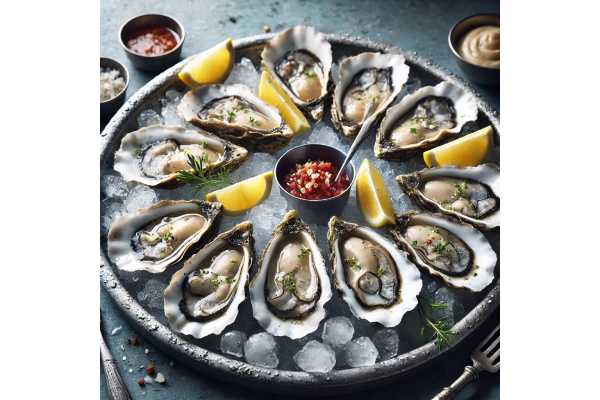
Oysters offer a rare mix of gastronomy and nutrition: a briny, mineral-rich bite that also delivers exceptional zinc, vitamin B12, and long-chain omega-3 fats in a naturally portion-controlled shell. Raw on the half shell, hot from the grill, or folded into stews, oysters adapt to weeknight cooking and celebratory menus alike. They are also filter feeders that can improve local water clarity when farmed responsibly, making them one of the most sustainable animal proteins available. At the same time, smart handling matters—oysters can carry pathogens if harvested from contaminated waters or held at the wrong temperature, and those with specific medical conditions should avoid raw servings. This guide keeps things practical: what 100 grams of oysters actually provide, how their nutrients support health, which risks deserve attention (and how to reduce them), and how to buy, store, and cook oysters so they taste great while staying safe.
Quick Facts
- Typical serving: 6 raw oysters (about 85–100 g edible) or 100–115 g cooked, one to two times weekly.
- Key benefits: exceptional zinc and vitamin B12; meaningful omega-3s with modest calories.
- Safety caveat: raw oysters can carry Vibrio or norovirus; buy from reputable sources and keep cold.
- Who should limit or avoid: people who are pregnant, older adults, and anyone immunocompromised should choose cooked oysters instead of raw.
Table of Contents
- Detailed Overview
- Nutrition Profile
- Evidence-Based Health Benefits
- Risks, Allergies and Interactions
- Selecting, Quality, Sustainability and Storage
- Preparation, Cooking and Nutrient Retention
- Portions, Comparisons and FAQs
Detailed Overview
Oysters are bivalve mollusks that thrive in brackish and coastal marine waters around the world. The familiar market names—Atlantic or Eastern oyster (Crassostrea virginica), Pacific oyster (Magallana gigas), Olympia oyster (Ostrea lurida), European flat (Ostrea edulis), and others—signal differences in shell shape, meat size, and flavor. These differences stem from species, salinity, temperature, plankton communities, and husbandry practices. Food lovers talk about “merroir,” the ocean’s parallel to terroir: subtle flavors that shift with season and place.
From a cook’s perspective, oysters are versatile. Raw oysters bring crisp salinity and mineral sweetness; a squeeze of lemon sharpens their edges without masking nuance. Heat transforms them quickly: grilling in the shell with a butter-herb compound, broiling with a light breadcrumb crust, or poaching gently in chowders to keep them tender. Because they overcook easily, most methods aim for brief, high heat or gentle poaching.
Nutritionally, oysters punch above their weight. Per 100 grams, they provide standout zinc and vitamin B12 alongside useful copper, selenium, and iron. They also contribute long-chain omega-3s (EPA and DHA), though at lower levels than oily fish like salmon or sardines. Calories remain modest, and protein quality is high. That profile makes oysters a compact nutrient booster—especially valuable for eaters who need more B12 or zinc from whole foods.
Sustainability is another strength. Farmed oysters require no feed, fertilizer, or freshwater and can improve local water clarity by filtering phytoplankton as they grow. Well-managed farms use gear that minimizes seabed contact and supports habitat structure. Responsible harvest tags and temperature controls protect consumers, while certifications and state shellfish programs monitor water quality and traceability.
The main cautions are food safety and individual risk. Raw oysters can carry Vibrio bacteria or norovirus if waters are contaminated or cold chain lapses occur. People who are pregnant, have liver disease, diabetes, hemochromatosis, or are otherwise immunocompromised should choose cooked preparations. Everyone benefits from reputable sourcing, tight temperature control, and seasonally aware buying.
In short, oysters combine culinary range, dense micronutrients, and strong sustainability credentials. With sensible handling, they can be a flavorful, nutrient-rich addition to seafood rotations.
Nutrition Profile
How to read this section: All numbers below are per 100 g raw Eastern oysters to standardize comparisons across species and recipes. Values vary by species, season, and water chemistry. %DV uses current adult reference intakes.
Macros and Electrolytes (per 100 g, raw)
| Nutrient | Amount | %DV |
|---|---|---|
| Energy | 59 kcal | — |
| Protein | 5.2 g | — |
| Total fat | 1.6 g | 2% (78 g DV) |
| Saturated fat | 0.44 g | 2% (20 g DV) |
| Carbohydrate | 5.5 g | 2% (275 g DV) |
| Total sugars | — g | — |
| Dietary fiber | 0 g | — |
| Sodium | 178 mg | 7% (2,300 mg DV) |
| Water | 86.2 g | — |
What this tells you: Oysters are low in calories and fat yet deliver quality protein. Sodium depends on packing liquid and species; drain well before cooking.
Fats and Fatty Acids (per 100 g, raw)
| Lipid | Amount | %DV/AI |
|---|---|---|
| Omega-3 (EPA+DHA) | ~0.39 g | — |
| Omega-6 (linoleic and others) | ~0.03 g | — |
| Cholesterol | 25 mg | — |
Context: While not an omega-3 powerhouse like salmon, oysters still contribute marine EPA/DHA in a small portion—useful when combined with other seafood across the week.
Protein and Amino Acids
- Protein quality: complete amino acid profile typical of shellfish.
- Culinary implication: a 120 g cooked portion yields ~12–15 g protein with little saturated fat; pair with legumes or whole grains to round out meals.
Vitamins (per 100 g, raw)
| Vitamin | Amount | %DV |
|---|---|---|
| Vitamin B12 (cobalamin) | 16.2 µg | 675% |
| Vitamin C | 4.7 mg | 5% |
| Thiamin (B1) | 0.11 mg | 9% |
| Niacin (B3) | 1.3 mg | 8% |
| Folate (B9) | 18 µg | 5% |
| Vitamin A (RAE) | 8 µg | 1% |
Takeaway: B12 is the standout—oysters are one of the most concentrated natural sources. Water-soluble B vitamins support energy metabolism.
Minerals (per 100 g, raw)
| Mineral | Amount | %DV |
|---|---|---|
| Zinc | 37.9 mg | 345% |
| Copper | 0.74 mg | 82% |
| Selenium | 63.7 µg | 116% |
| Iron | 5.8 mg | 32% |
| Magnesium | 33 mg | 8% |
| Phosphorus | 93 mg | 7% |
| Potassium | 124 mg | 3% |
| Calcium | 44 mg | 3% |
Why this matters: Zinc supports immune function and wound healing; copper and iron support oxygen transport; selenium contributes to antioxidant enzymes and thyroid function.
Bioactives / Phytonutrients
- Taurine: abundant in oysters; supports bile acid conjugation and osmoregulation.
- Glycogen: contributes slight sweetness and quick energy; levels fall with longer storage.
Allergens & Intolerance Markers
- Oysters are shellfish (mollusk) allergens. Cross-contact with crustaceans may occur at mixed counters.
Contaminants / Residues
- Microbial hazards: Vibrio bacteria and norovirus are the primary concerns with raw oysters.
- Metals: bivalves can accumulate cadmium and other trace metals; commercial programs monitor harvest waters and product lots.
- Environmental residues: monitoring focuses on harvest closures during harmful algal blooms; tags trace harvest area and date.
Footnote: Numbers reflect raw oysters; breading, frying, or cream sauces change calories, fat, and sodium. Drain canned oysters and check labels for added sodium or sauces.
Evidence-Based Health Benefits
1) Exceptional zinc for immune and tissue support
Few foods match oysters for zinc density. One 100 g portion can exceed the daily value several times over. Zinc participates in hundreds of enzymes, supports epithelial barriers (skin and gut), and contributes to normal taste perception. For people with low meat intake or absorption challenges, oysters offer a compact way to meet needs from whole food. Because oysters are so zinc-rich, balance them with foods lower in zinc on the same day if you also take a high-dose supplement.
2) Outstanding vitamin B12 for blood and nerve health
B12 helps form red blood cells and supports myelin, the protective sheath around nerves. Oysters provide far more B12 per calorie than most meats, making them especially useful for people who struggle to meet B12 needs through diet alone. While fortified foods and supplements are appropriate for vegans, oysters are a potent natural source for omnivores and pescatarians.
3) Marine omega-3s in a small, flavorful package
Though their omega-3 content is lower than fatty fish, oysters contribute EPA and DHA with minimal calories. As part of a “two seafood meals per week” pattern, oyster nights complement salmon, trout, or sardines to build a consistent omega-3 intake over time.
4) Selenium and copper for antioxidant defenses
Selenium supports glutathione peroxidase enzymes that protect membranes from oxidative damage, and copper helps enzymes involved in energy production and connective tissue formation. Oysters deliver both in meaningful amounts, a helpful pairing when your overall diet is light on organ meats or Brazil nuts.
5) Protein with culinary versatility and low energy cost
Per serving, oysters provide high-quality protein that adapts to many techniques—raw, grilled, steamed, poached—so you can keep preparations light without sacrificing flavor. Pairing oysters with fiber-rich sides (leafy greens, beans, whole grains) creates satisfying meals that support appetite regulation.
What these benefits are not
- Oysters are not a guarantee of safety when eaten raw; risk depends on water quality and temperature control.
- They are not a cure for nutrient deficiencies; they contribute to overall patterns that include fruits, vegetables, legumes, and other proteins.
Practical pattern
- Enjoy oysters once or twice weekly as part of a diverse seafood rotation. If you emphasize raw service, be strict about sourcing and temperature; if you’re in a higher-risk group, choose cooked oysters for similar nutrition with lower microbial risk.
Risks, Allergies and Interactions
Vibrio and norovirus
Raw oysters can harbor Vibrio bacteria—especially during warm months—and norovirus following contamination events. Symptoms range from diarrhea and vomiting to severe bloodstream infection in vulnerable individuals. Vibrio vulnificus infections can be life-threatening for people with chronic liver disease, diabetes, hemochromatosis, or weakened immunity. Cooking eliminates Vibrio and inactivates many pathogens; raw service depends on clean waters, harvest closures, and strict cold chain.
Who should avoid raw oysters
- People who are pregnant or older adults.
- Those with liver disease, diabetes, hemochromatosis, cancer treatment, or other immunocompromising conditions.
- Anyone with a history of severe shellfish reactions.
Shellfish allergy
Oysters are mollusks; allergy can be severe and is distinct from crustacean allergy (though some people react to both). Avoid consumption if you have a diagnosed shellfish allergy. Cross-contact at seafood counters is possible—ask how products are handled.
Metals and environmental residues
Bivalves can accumulate cadmium and other trace metals depending on local geology and industry. Regulatory programs test waters and product lots; buying tagged product from reputable sellers is your best protection. Rotating shellfish with finfish and plant proteins naturally minimizes cumulative exposure.
Foodborne illness beyond raw service
Even cooked oysters can cause illness if they are cooled slowly or reheated after sitting at room temperature. Keep hot foods hot, cold foods cold, and follow refrigerator time limits.
Medication and nutrient considerations
- Very high zinc intake from frequent, large oyster servings plus supplements can reduce copper status over time. Balance intake and avoid stacking high-dose supplements with very zinc-rich meals.
- People on sodium-restricted diets should favor fresh oysters without brines and watch sauce additions.
Bottom line on safety
Know your risk category. If you are vulnerable, choose cooked oysters. Everyone should buy from reputable sources, check tags for harvest areas and dates, and keep oysters cold from store to service.
Selecting, Quality, Sustainability and Storage
How to choose oysters
- Live, in-shell: shells must be tightly closed or close when tapped. Reject cracked or always-open shells. Heft them—healthy oysters feel heavy for their size because they are full of liquor.
- Shucked (fresh): look for clear liquor with a clean ocean smell, not milky or sour. Choose containers with harvest tags showing date and location.
- Frozen: IQF (individually quick frozen) meats are convenient for chowders and fried applications; check for minimal frost and intact packaging.
Flavor by type and place
- Atlantic/Eastern (C. virginica): briny to balanced; flavors range from cucumbery to savory.
- Pacific (M. gigas): often sweet with melon and lettuce notes.
- Olympia (O. lurida): tiny, coppery finish; prized for raw tastings.
- European flat (O. edulis): bold, metallic notes with a lingering finish.
Sustainability snapshot
Farmed oysters are among the most sustainable proteins: they require no feed and can improve water clarity as they filter plankton. Gear-based methods (cages, bags, surface floats) minimize seafloor impacts. Buy from farms with transparent water testing and harvest controls; local producers often publish results and tasting notes.
Storage and handling
- In-shell: keep at 0–4°C, loosely covered with a damp towel; do not store submerged in water or in airtight bags. Eat within 7 days of harvest date if properly refrigerated (or sooner for peak flavor).
- Shucked meats: keep in their liquor, refrigerated at ≤4°C, and use within 3–5 days after opening.
- Transport: carry home on ice; keep the shell cup-side down to retain liquor.
- Traceability: harvest tags identify growing area and date; retain tags for 90 days if you run events or a food business.
Buying cues that signal quality
- Tag shows a clean, approved growing area and a recent harvest date.
- Retailer maintains oysters on ice with good drainage (not submerged meltwater).
- No off odors; liquor is clear and briny.
Smart substitutions
When oysters are unavailable or you’re cooking for those who avoid mollusks, use clams or mussels for cooked dishes, or choose scallops for a sweeter, firmer bite. For raw-bar style with lower risk, consider lightly cured fish (from frozen, sashimi-grade product) or poached shrimp cocktail.
Preparation, Cooking and Nutrient Retention
Essential prep for safety and quality
- Scrub shells under cold running water just before shucking to remove grit.
- Shuck safely: grip with a towel or cut-resistant glove; slide the knife into the hinge, twist to pop, then cut the adductor. Keep the cup upright to preserve liquor.
- Cold chain: if serving raw, keep oysters over crushed ice and serve immediately after shucking.
Raw service (for low-risk diners)
- Classic half shell with lemon, mignonette (vinegar-shallot-pepper), or a restrained hot sauce.
- Citrus and vinegar enhance brine while keeping calories low. Avoid sugary sauces that mask natural flavors.
Cooked methods that keep oysters tender
- Grill in the shell: place cup-side down over medium-high heat until shells just pop; top with herb butter or lemon-garlic oil and finish briefly.
- Broil with crumbs: mix panko, parsley, and lemon zest with a teaspoon of oil; spoon onto shucked oysters in their shells and broil just to golden.
- Poach for chowders: gently heat in milk or stock below a simmer until edges curl; overcooking toughens them.
- Steam with aromatics: 2–4 minutes until shells open, then remove immediately.
Flavor pairings
- Bright acids: lemon, yuzu, rice vinegar.
- Herbs: chive, parsley, dill, tarragon.
- Umami allies: miso, soy, fish sauce in tiny amounts, grated bottarga.
- Heat: fresh chilies, Aleppo pepper, or a restrained dash of horseradish.
Retention tips
- Keep cooking brief to avoid moisture loss.
- Use minimal added fat; a teaspoon of olive oil or butter per serving adds richness without overwhelming calories.
- Salt cautiously—oyster liquor is naturally saline.
Entertaining and batch service
- Pre-shuck up to an hour ahead, keep the cup full of liquor, and hold on ice.
- If grilling for a crowd, par-grill shells until just open, loosen the muscle, then finish to order with toppings.
Food safety essentials
- Discard any in-shell oysters that refuse to close when tapped or that remain closed after cooking.
- Never consume oysters with off odors.
- For those at higher risk, choose cooked preparations—boiling, steaming, baking, or frying until firm and opaque.
Portions, Comparisons and FAQs
What counts as a serving of oysters?
- A typical raw service is 6 oysters (about 85–100 g edible). For cooked dishes, 100–115 g of meats is a practical portion, delivering protein with modest calories.
How often should I eat them?
- Most adults can enjoy oysters one to two times per week within a diverse seafood rotation. If you are at higher risk for severe infection, choose cooked oysters and follow local advisories.
Do oysters have a lot of mercury?
- Oysters are generally low in mercury compared with many finfish. For pregnancy and early childhood, follow national fish-intake guidance and always prefer cooked oysters for safety.
Are farmed oysters safe and sustainable?
- Yes—when harvested from approved waters and handled properly. Farmed oysters are among the most sustainable animal proteins and can improve local water clarity. Safety depends on clean harvest areas, strict temperature control, and traceable tags.
Oysters vs. clams vs. mussels
- Oysters: highest zinc and vitamin B12, briny-sweet flavor, often served raw.
- Clams: excellent iron and vitamin C (in some species); chewy texture; great steamed or in pasta.
- Mussels: very affordable, rich in B12 and selenium; quick to steam with aromatic broths.
Can I eat oysters if I am immunocompromised or pregnant?
- Choose cooked oysters only. Raw oysters pose avoidable risk from Vibrio and norovirus.
What about canned or smoked oysters?
- Convenient and shelf-stable; check sodium and oil type. Drain gently and use in salads, grain bowls, or pâtés. Smoked versions are flavorful but can be higher in sodium and fat due to oils.
Do oysters boost libido?
- Oysters’ zinc supports normal reproductive function, but there is no special aphrodisiac effect beyond nutrition and context. Enjoy them for flavor and nutrients.
How can I reduce risk when serving raw?
- Buy from reputable sellers with harvest tags, keep oysters on ice, shuck to order, and discard any that smell off or have broken shells. Consider choosing raw only during cooler months when local advisories indicate safer conditions.
References
- Vibrio and Oysters 2024 (Guidance)
- Advice about Eating Fish 2024 (Guidance)
- Selecting and Serving Fresh and Frozen Seafood Safely 2024 (Guidance)
- Risk Assessment of Norovirus Illness from Consumption of Raw Oysters 2021 (Risk Assessment)
- Dietary Intake and Nutrient Composition of Seafood 2024 (Review)
Disclaimer
This guide is educational and not a substitute for personalized medical advice, diagnosis, or treatment. Raw oysters can carry pathogens; people who are pregnant, older adults, and anyone immunocompromised should choose cooked oysters. Nutrient levels vary by species and source. Always buy from reputable suppliers, follow local harvest advisories, keep oysters cold, and cook thoroughly to reduce risk. If you have allergies or chronic conditions, consult a qualified health professional about seafood choices and serving frequency.
If you found this article helpful, please consider sharing it on Facebook, X, or any platform you prefer. Your support helps us continue producing clear, practical nutrition resources.