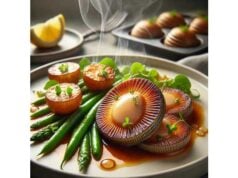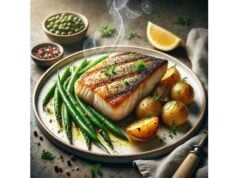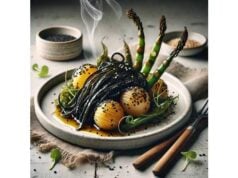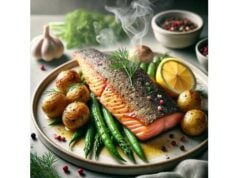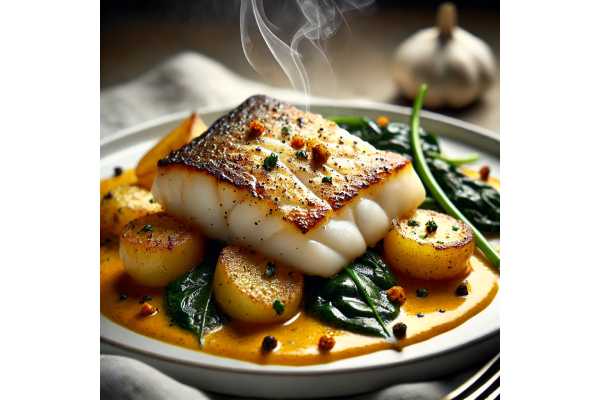
Monkfish is a chef’s fish with everyday practicality—firm, sweet, and almost lobster-like in texture. It holds up to pan-searing, roasting, and stews without falling apart, which makes weeknight cooking easier. Behind the appealing bite is a lean nutrition profile: solid protein for muscle repair, useful B-vitamins, selenium, potassium, and a modest dose of marine omega-3s. Because monkfish is a demersal (bottom-dwelling) species, its flavor stays clean and mild when fresh; it also takes on spices, citrus, and herbs beautifully. As with any wild seafood, quality and handling matter. In this guide, you will learn what a 100 g portion really delivers, how to select and store fillets, and how to cook them to keep moisture and nutrients in. You will also see clear guardrails on mercury, parasites in raw dishes, and who should limit their intake. If you enjoy lobster rolls, scallop pasta, or bouillabaisse, monkfish is a versatile, budget-friendlier way to reach a similar experience.
Quick Overview
- 100 g cooked monkfish offers ~18–20 g complete protein with very low fat and useful selenium and vitamin B12.
- Mercury is generally moderate to low, but raw preparations carry parasite risk; high-risk groups should choose fully cooked fish.
- Typical serving is 115–170 g (4–6 oz) cooked, up to once weekly for most healthy adults within a varied seafood rotation.
- Avoid or limit if pregnant, planning pregnancy, breastfeeding, or if you have a diagnosed finfish allergy.
Table of Contents
- Monkfish detailed overview
- Monkfish nutrition profile
- Evidence-based benefits of monkfish
- Risks, allergies and interactions
- Selecting quality sustainability and storage
- Preparation cooking and nutrient retention
- Portions comparisons and FAQs
Monkfish detailed overview
Monkfish (family Lophiidae, commonly Lophius americanus in the Northwest Atlantic and Lophius piscatorius in the Northeast Atlantic) is a bottom-dwelling anglerfish prized for two edible portions: the tail (primary market cut) and the liver (a delicacy in Japanese cuisine known as ankimo). The tail’s dense, translucent muscle cooks up firm and succulent, closer to lobster tail than to flaky white fish. That resilience is culinary gold—it lets you sear hard without shredding, simmer gently in broth, or roast until just opaque while still carving clean medallions. The mild sweetness pairs with browned butter, citrus, tomato, fennel, saffron, capers, olives, curry spices, and miso.
From a home-cook perspective, monkfish is forgiving. It has a central membrane—often trimmed by the fishmonger—that can tighten if left on, so removing the silverskin yields a cleaner, tender bite. Because the fillets are thicker than many white fish, they retain moisture when cooked properly and travel well into chowders, Mediterranean stews, and paellas. In texture-focused dishes—tacos, skewers, or pasta—monkfish’s “meaty” chew stands in for shellfish when crustaceans are off the menu.
Nutritionally, monkfish is lean: modest calories per 100 g, high-quality protein, and very low saturated fat. It contributes vitamin B12 for red blood cell and nerve health, niacin for energy metabolism, selenium for antioxidant enzymes, and potassium for fluid balance. While not the richest fish for omega-3s, it still provides meaningful EPA and DHA, which add up when seafood is on your plate weekly. Compared with large pelagic predators (e.g., marlin, shark), monkfish tends to carry less mercury because it feeds lower in the food chain and has a shorter lifespan, though levels vary by habitat and size.
Food-safety and sustainability are straightforward with a few considerations. Raw consumption is uncommon for monkfish tail in Western kitchens; when served raw or lightly cured, the product should be frozen to parasite-killing specifications first. Freshness matters: a clean, ocean scent; firm, slightly sticky surface; and no browning or drying. Sustainability depends on local management and gear: trawl or gillnet fisheries can be well regulated; ask your fishmonger about origin and season. With smart sourcing and occasional consumption, monkfish can be a flavorful, practical addition to a heart-healthy seafood rotation.
Monkfish nutrition profile
Basis: Values below are representative averages per 100 g raw, edible portion unless noted. Cooking changes water content; a typical cooked serving is 115–170 g (4–6 oz).
Macros and Electrolytes (per 100 g)
| Nutrient | Amount | % Daily Value (%DV) |
|---|---|---|
| Energy | ~80–95 kcal | — |
| Protein | ~18.0–20.0 g | 36–40% (50 g) |
| Total Fat | ~1.5–2.0 g | 2–3% (78 g) |
| Saturated Fat | ~0.3 g | 2% (20 g) |
| Carbohydrates | 0.0 g | 0% (275 g) |
| Sodium | ~25–40 mg | 1% (2,300 mg) |
| Potassium | ~320–380 mg | 7–8% (4,700 mg) |
| Cholesterol | ~25–35 mg | —* |
*No established %DV for cholesterol.
Fats and Fatty Acids (per 100 g)
| Component | Amount | Notes |
|---|---|---|
| Omega-3 EPA + DHA | ~0.25–0.45 g | Modest but meaningful |
| Monounsaturated Fat | ~0.3–0.5 g | Varies by habitat |
| Polyunsaturated Fat | ~0.4–0.6 g | Predominantly omega-3 |
| Trans Fatty Acids | 0 g | Naturally negligible |
Protein and Amino Acids
| Metric | Amount |
|---|---|
| Protein | ~18–20 g |
| Indispensable amino acids | Complete profile (high digestibility) |
Vitamins (per 100 g)
| Vitamin | Amount | %DV |
|---|---|---|
| Vitamin B12 (cobalamin) | ~1.0–2.0 µg | 42–83% (2.4 µg) |
| Niacin (B3) | ~4.0–6.0 mg | 25–38% (16 mg) |
| Vitamin B6 (pyridoxine) | ~0.3 mg | 18% (1.7 mg) |
| Vitamin D | ~1.0–2.5 µg (40–100 IU) | 5–13% (20 µg) |
Minerals (per 100 g)
| Mineral | Amount | %DV |
|---|---|---|
| Selenium | ~30–45 µg | 55–82% (55 µg) |
| Phosphorus | ~200–230 mg | 16–18% (1,250 mg) |
| Magnesium | ~25–30 mg | 6–7% (420 mg) |
| Iron | ~0.5–1.0 mg | 3–6% (18 mg) |
| Zinc | ~0.4–0.7 mg | 4–6% (11 mg) |
Contaminants/Residues
- Methylmercury: Typically moderate to low versus large predators; frequency guidance remains important for pregnancy and childhood.
- Environmental residues: Fat-soluble contaminants concentrate in liver; the tail (muscle) is comparatively lean.
Allergens and Intolerance Markers
- Finfish protein allergy: Monkfish contains parvalbumin; cross-reactivity among finfish is common.
- Histamine formation: Less associated than scombroid species, but any fish can accumulate histamine if temperature control fails.
Footnotes and context
- Nutrient values vary by species (L. americanus vs. L. piscatorius), season, and diet.
- EPA/DHA ranges reflect typical white-fish values; salmon, sardines, and mackerel are higher.
- %DV uses adult reference values; individual needs vary.
Evidence-based benefits of monkfish
1) Lean, complete protein that supports recovery and fullness
Per 100 g, monkfish delivers roughly 18–20 g of complete protein with minimal saturated fat. That ratio—high quality protein at modest calories—helps meet daily protein targets without pushing energy intake, which supports weight management and preserves lean mass during training or calorie deficits. A 150 g cooked portion commonly provides ~28–32 g protein, enough to stimulate muscle protein synthesis at a typical main meal.
2) Selenium for antioxidant and thyroid enzyme systems
Selenium in monkfish supports glutathione peroxidases and other selenoproteins that manage oxidative stress and regulate thyroid hormone activation. Because many diets undershoot selenium, seafood can be a practical contributor. Hitting (not exceeding) the daily 55 µg target supports immune and thyroid function; a 100 g serving of monkfish can supply half to most of that in one go.
3) Vitamin B12 for hematologic and neurologic health
Monkfish’s B12 content helps maintain red blood cell production, DNA synthesis, and myelin. People with low intake of animal products, chronic metformin therapy, or reduced gastric acid may have limited absorption; diet plus targeted supplementation (if needed) is the usual strategy. Including B12-rich seafood like monkfish occasionally supports adequacy within a varied pattern.
4) Marine omega-3s, modest but additive
While monkfish is not an omega-3 “heavyweight,” its ~0.25–0.45 g EPA+DHA per 100 g adds up when seafood appears on the table weekly. Regular intake of EPA/DHA from fish is linked to triglyceride reductions and overall cardiometabolic support as part of an eating pattern emphasizing plants, legumes, whole grains, and nuts. For richer omega-3 doses, rotate in salmon, trout, sardines, mussels, or anchovies.
5) Potassium and phosphorus for fluid balance and energy
The potassium content (roughly 320–380 mg/100 g) supports normal fluid balance and blood pressure, particularly when paired with fruit- and vegetable-forward meals. Phosphorus contributes to ATP production and bone mineralization, complementing calcium and vitamin D from other foods.
6) Culinary benefits that encourage seafood intake
Health outcomes depend on sustainable habits. Monkfish’s texture and mild flavor make it easy for seafood newcomers: it performs well on the grill and in stews, resists over-flaking, and replaces shellfish in many recipes. Those wins can increase overall seafood frequency—useful when the broader goal is two to three seafood meals per week from low-mercury choices.
Balanced take
Monkfish is a lean, nutrient-dense protein that can fit comfortably into heart-healthy and weight-management patterns. Its benefits are steady rather than dramatic; the smartest strategy is to enjoy monkfish occasionally and lean more heavily on low-mercury, higher-omega-3 species across the month.
Risks, allergies and interactions
Methylmercury
Compared with high-trophic predators, monkfish tends to have moderate-to-low mercury, but levels vary by region, size, and age. For those who are pregnant, planning pregnancy, or breastfeeding, seafood guidance typically encourages avoiding high-mercury fish and choosing low-mercury species 2–3 times weekly; monkfish may be limited or avoided depending on local advisories. For most other adults, up to one monkfish meal weekly within a mixed rotation is a prudent ceiling.
Parasites in raw or undercooked fish
As a demersal species, monkfish can host nematodes (e.g., Anisakis). Freezing to validated time-temperature combinations before raw service kills parasites; reputable suppliers follow these controls for fish intended for raw consumption. At home, serving monkfish fully cooked is the safer default, especially for children, pregnant individuals, older adults, and people with weakened immunity.
Allergy
Monkfish contains finfish allergens such as parvalbumin. Cross-reactivity among finfish is common; shellfish tolerance does not guarantee finfish tolerance. Anyone with a known finfish allergy should avoid monkfish unless specifically cleared by an allergist after testing.
Histamine (scombroid) illness
Scombroid poisoning arises when bacteria produce histamine in fish held too warm after harvest. It is classically linked to scombroid families (tuna, mackerel), but improper handling can affect other species. Symptoms—flushing, headache, palpitations, rash—usually appear within an hour and resolve within a day. Prevention hinges on good temperature control from boat to plate.
Chemical residues and liver consumption
Fat-soluble contaminants, if present, concentrate in liver rather than tail muscle. Monkfish liver (ankimo) is a specialty item; prefer reputable sources that monitor quality. Individuals with pregnancy, breastfeeding, or strict sodium control may wish to avoid cured or canned liver products due to higher salt content and potential vitamin A concentration.
Medication considerations
- Anticoagulants/antiplatelets: Typical seafood portions are not an issue; very high omega-3 supplements may increase bleeding risk in some contexts—coordinate with your clinician.
- Thyroid disease: Selenium supports hormone activation; meeting—not exceeding—daily needs is the goal.
- Sodium-restricted diets: Smoked, salted, or canned products can be high in sodium; check labels.
Who should limit or avoid?
- Pregnant individuals, those trying to conceive, and those who are breastfeeding (opt for reliably low-mercury fish).
- Children (prioritize low-mercury species; serve monkfish rarely or avoid).
- Anyone with diagnosed finfish allergy.
- People at high risk for foodborne illness when the fish is not fully cooked.
Selecting quality sustainability and storage
Buying guide—what to look for
- Appearance: Fillets or tails should look moist and glossy, with translucent flesh that turns opaque at the edges only if previously frozen (not a flaw when declared). Avoid drying, browning, or gaping.
- Texture: Press gently; fresh monkfish feels firm and rebounds.
- Aroma: Clean, ocean-like—never sour, ammonia-like, or “fishy.”
- Trim: Ask for silverskin removal; it tightens on heat and can add chewiness.
- Cut size: Even-thickness loins or medallions cook more predictably than tapered pieces.
Questions for your fishmonger
- Origin and gear: Northwest vs. Northeast Atlantic; trawl vs. gillnet vs. longline.
- Harvest or landing date: Fresher is better; ask about the cold chain.
- Previously frozen: No problem—proper freezing preserves quality and reduces parasite risk.
- Intended use: Let them know if you plan to stew, roast, or grill; they can cut medallions to match.
Sustainability snapshot
Monkfish fisheries in some regions are closely managed with quotas, seasonal closures, and gear rules designed to protect habitats and reduce bycatch. Still, impacts vary. Favor sellers who can verify fishery management and gear type, and rotate with lower-impact, certified options (e.g., farmed bivalves like mussels and clams, Alaskan salmon, U.S. trout) if transparency is lacking. Choosing a mix of species is the simplest consumer-level sustainability tool.
Storage: keep it cold, cook it fresh
- Refrigeration: Store at ≤4°C (≤40°F). Place the fish on a rack over ice in a shallow pan to drain. Use within 24 hours for best texture; 48 hours is a practical maximum.
- Freezing: Wrap tightly (plastic + freezer paper or vacuum seal). Freeze at −18°C (0°F) or below. For top quality, use within 2–3 months; longer is safe if kept solidly frozen but may dry.
- Thawing: Overnight in the refrigerator is ideal. For speed, submerge a sealed bag in cold water, changing water every 30 minutes; cook immediately after thawing.
- Leftovers: Chill promptly; keep ≤4°C (≤40°F) and eat within 2 days. Reheat gently to avoid drying.
Red flags
Peppery/metallic taste, unusually soft texture, or tingling sensations suggest spoilage or histamine—discard the fish and do not taste further.
Preparation cooking and nutrient retention
Trim and portion for tenderness
- Remove silverskin: If not already trimmed, slide a flexible knife under the membrane and lift it off in long strips.
- Portion evenly: Cut crosswise into 2.5–4 cm (1–1½-inch) medallions for even cooking and easy plating.
Seasoning and brining (optional)
- Dry the surface: Pat very dry to promote browning.
- Simple seasoning: Fine salt 30–45 minutes ahead (0.8–1.0% of fish weight) lets salt diffuse, enhancing moisture retention.
- Quick brine: For extra juiciness, 3% salt solution for 20–30 minutes, then dry thoroughly.
Cooking methods that shine
- Pan-sear and baste: Sear in a hot pan 1–2 minutes per side, then lower heat and baste with butter, garlic, and herbs until just opaque.
- Roast: Sear briefly, then transfer to a 200°C (400°F) oven for 5–8 minutes depending on thickness.
- Poach: Simmer gently in aromatic stock (fennel, tomato, saffron, citrus) to 50–55°C (122–131°F) internal, then rest off heat.
- Grill: Oil the fish, preheat grates, and grill 2–3 minutes per side; finish on indirect heat.
- Stew: Add near the end of cooking; monkfish firms quickly and stays juicy in broths.
Doneness cues and temperatures
Monkfish turns opaque and just firms when done. Many cooks pull at 50–55°C (122–131°F) internal and rest a few minutes to finish carryover cooking. If you prefer fully firm, aim for 58–60°C (136–140°F) but avoid prolonged high heat, which squeezes out moisture.
Retention of nutrients—practical tactics
- Short heat exposure: Keep cooking times brief to preserve B-vitamins and omega-3s.
- Use the fond: Deglaze the pan with lemon and herbs; sauces capture fat-soluble flavor and nutrients.
- Moisture management: Even thickness and moderate heat reduce losses of water-soluble vitamins.
- Pairings that help: Serve with potassium-rich vegetables and whole grains; add a small amount of healthy fat (olive oil) to assist absorption of fat-soluble vitamins.
Flavor frameworks
- Mediterranean: Browned butter, capers, lemon, parsley; or tomato-fennel-saffron broth with crusty bread.
- East Asian: Miso-ginger glaze, quick sear, finish with scallion and sesame.
- Caribbean/Latin: Citrus, chili, and garlic adobo; grill and top with mango-avocado salsa.
- French bistro: Roast medallions with thyme and shallots; serve with beurre blanc and green beans.
Home raw/cured warning
Unless you have validated parasite-killing freezing and precise handling, skip home raw or lightly cured monkfish. Enjoy fully cooked preparations at home; leave raw service to professionals following strict controls.
Portions comparisons and FAQs
Portion guidance
- Typical cooked portion: 115–170 g (4–6 oz).
- Frequency for most healthy adults: Up to once weekly as part of a seafood rotation emphasizing low-mercury, higher-omega-3 fish the rest of the time (salmon, sardines, trout, anchovies, mussels).
- High-risk groups: If you are pregnant, planning pregnancy, or breastfeeding, follow local mercury advisories and select reliably low-mercury fish instead of monkfish. Children should prioritize low-mercury species.
How does monkfish compare to similar options?
- Monkfish vs. cod/haddock: Monkfish is firmer and sweeter, with slightly more potassium and similar protein; cod is very low in fat and typically very low in mercury.
- Monkfish vs. lobster: Similar chew and sweetness in many dishes at a lower price; shellfish deliver more cholesterol and iodine.
- Monkfish vs. salmon: Salmon vastly outperforms on EPA/DHA and vitamin D; monkfish is leaner and milder.
- Monkfish vs. swordfish/tuna: Monkfish usually carries less mercury; swordfish and some tunas sit higher on advisories.
FAQs
Is monkfish healthy for weight loss?
Yes. It is protein-dense and low in calories and saturated fat. Pair with vegetables, legumes, and whole grains for balanced meals that support fullness.
Can I eat monkfish if I have high cholesterol?
The tail muscle is lean and low in saturated fat. Focus on the overall pattern—plenty of plants, nuts, and olive oil—and consider higher-omega-3 fish more often.
What does “previously frozen” mean for quality?
Proper freezing locks in freshness and reduces parasite risk. Thaw slowly in the refrigerator for best texture.
Why does monkfish sometimes taste rubbery?
Overcooking or leaving the silverskin on can cause chewiness. Trim well and cook to just opaque with a short rest.
Is monkfish liver safe?
It’s a delicacy with a rich, buttery flavor. Because fat-soluble contaminants concentrate in organs and sodium may be high in prepared products, enjoy infrequently and purchase from reputable sources; avoid during pregnancy or for young children.
Any sustainability tips for shoppers?
Ask about origin, gear, and management. Mix your seafood choices—bivalves, small pelagics, farmed trout or salmon from responsible systems—and keep monkfish as an occasional treat.
References
- Advice about Eating Fish 2024 (Guidance)
- Anisakiasis 2024 (Guideline)
- Monkfish 2023 (Overview)
- Selenium — Consumer Fact Sheet 2024 (Guideline)
- Omega-3 fatty acids for cardiovascular disease prevention 2022 (Systematic Review)
Disclaimer
This guide is educational and not a substitute for personal medical advice, diagnosis, or treatment. Seafood choices, portions, and frequency should reflect your health status, medications, and local advisories. If you are pregnant, planning pregnancy, breastfeeding, buying for children, managing a medical condition, or considering supplements, consult a qualified health professional.
If this article helped you, please consider sharing it on Facebook, X, or your favorite platform. Your support helps us continue creating clear, trustworthy nutrition resources.