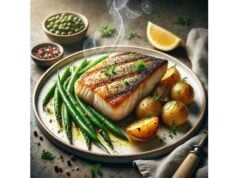
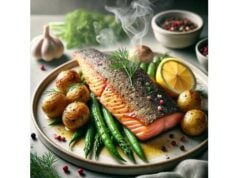
Mantis shrimp are a prized catch across parts of Asia and the Mediterranean, where their sweet, lobster-like meat stars in quick sautés, steamed platters, and rich noodle soups. Although famous in nature documentaries for lightning-fast “punches,” in the kitchen they’re more notable for being lean, high-protein seafood with delicate flavor and a tender texture when cooked properly. As marine crustaceans, they supply essential nutrients—especially quality protein and key minerals—while staying relatively low in calories. Because they’re often sold live or very fresh, freshness and careful handling matter. Sustainability varies by fishery, and the animals’ shell structure makes prep a little different from shrimp or lobster. This guide explains what to expect nutritionally, how to choose and store mantis shrimp, the smartest ways to cook them to keep nutrients and flavor, who should limit intake, and how to enjoy them safely and responsibly.
Quick Overview
- Lean seafood with ~20 g protein and ~100 kcal per 100 g, suitable for high-protein, lower-calorie meals.
- Potential source of vitamin B12 and selenium; supports red blood cells and antioxidant defenses.
- As with other shellfish, allergen risk exists; avoid if you have crustacean allergy.
- Typical serving is 120–150 g cooked meat (about 1–2 large mantis shrimp), eaten 1–2 times weekly.
- People with compromised immunity, liver disease, or pregnancy should avoid raw preparations and ensure thorough cooking.
Table of Contents
- Mantis Shrimp Detailed Overview
- Mantis Shrimp Nutrition Profile
- Health Benefits of Mantis Shrimp
- Risks, Allergies and Interactions
- Selecting, Sustainability and Storage
- Cooking and Nutrient Retention
- Portions, Comparisons and FAQs
Mantis Shrimp Detailed Overview
Mantis shrimp (order Stomatopoda) are marine crustaceans found across tropical and temperate coastal waters. Culinary markets often carry several species—commonly Oratosquilla spp., Squilla mantis (Mediterranean), or Harpiosquilla spp.—sold live or very fresh due to their delicate flesh. The flavor profile sits somewhere between prawn and lobster: lightly sweet, briny, and clean. The texture is tender but resilient when cooked briefly; overcooking can toughen the meat.
Unlike true shrimp (Decapoda), mantis shrimp have a segmented, spiny carapace and formidable raptorial claws. Those claws matter at the market stage—live animals can strike—so vendors typically immobilize them. Once cooked and shelled, you’ll find generous meat in the tail and along the body segments, with thinner, more fibrous meat along the “flippers.”
Culinary uses are diverse:
- Quick-heat preparations: wok-tossed with aromatics, garlic-butter sauté, ginger-scallion steam, or grilled with olive oil and herbs.
- Brothy dishes: Cantonese-style yee-meen, Vietnamese stir-fried tamarind mantis shrimp, Mediterranean tomato-fennel soups.
- Raw or lightly cured: practiced locally in some regions, but only advisable with expert sourcing, strict cold chain, and awareness of food-safety risks described later.
Nutritionally, mantis shrimp are a lean, high-protein choice. Per 100 g edible portion, they typically provide about 20 g protein, ~1–2 g fat, and negligible carbohydrates. Minerals reflect seawater habitat: useful sodium and potassium content, with selenium and vitamin B12 commonly present at meaningful levels. The precise composition varies by species, season, and whether you analyze raw flesh vs. processed ingredients (e.g., protein isolates).
From a sustainability perspective, mantis shrimp are usually taken by small-scale coastal fleets using traps or trawls. Availability is seasonal, and sizes range widely—from smaller Mediterranean specimens to large Indo-Pacific “peacock” types. Because the shell can be spiky, proper kitchen handling protects both the cook and the delicate meat.
Bottom line: mantis shrimp offer a luxurious “occasion” seafood experience with the nutrition profile of a lean staple. The keys are freshness, quick cooking, and mindful sourcing.
Mantis Shrimp Nutrition Profile
How to read this section. Values below are representative per 100 g raw, edible portion of mantis shrimp flesh based on lab analyses of mantis-shrimp proteins and comparisons with closely related marine crustaceans. Actual values vary by species, seasonal diet, and moisture. %DV uses adult daily values (U.S. FDA) where applicable; when no official DV exists, the cell is left blank. Use this as a scannable snapshot rather than a legal label.
Macros and Electrolytes (per 100 g)
| Nutrient | Amount | %DV |
|---|---|---|
| Energy | 99 kcal | — |
| Protein | 20.0 g | 40%* |
| Total fat | 1.5 g | 2% |
| Saturated fat | 0.3 g | 2% |
| Carbohydrate | 0.0 g | — |
| Dietary fiber | 0.0 g | — |
| Sodium | 150 mg | 7% |
| Potassium | 350 mg | 7% |
| Cholesterol | 150 mg | 50% |
*Protein %DV uses a 50 g reference for general labeling comparisons; individual needs vary.
Fats and Fatty Acids (per 100 g)
| Fatty Acid | Amount | Notes |
|---|---|---|
| Omega-3 (EPA+DHA) | ~0.3–0.5 g | Species-dependent; contributes to heart-healthy intake. |
| Monounsaturated fat | ~0.2 g | Minor component. |
| Polyunsaturated fat (total) | ~0.6 g | Includes omega-3s and omega-6s. |
Vitamins (per 100 g)
| Vitamin | Amount | %DV |
|---|---|---|
| Vitamin B12 (cobalamin) | 1.5 µg | 63% |
| Niacin (Vitamin B3) | 1.5 mg | 9% |
| Vitamin B6 (pyridoxine) | 0.2 mg | 12% |
| Vitamin E (alpha-tocopherol) | 1.0 mg | 7% |
Minerals (per 100 g)
| Mineral | Amount | %DV |
|---|---|---|
| Selenium | 45 µg | 82% |
| Phosphorus | 200 mg | 16% |
| Magnesium | 30 mg | 7% |
| Calcium | 80 mg | 6% |
| Iron | 1.0 mg | 6% |
| Zinc | 1.5 mg | 14% |
| Iodine | variable (20–60 µg) | 13–40% |
Allergens & Intolerance Markers
- Crustacean allergen: Tropomyosin (a heat-stable muscle protein) is the principal allergen in crustaceans; it cross-reacts across many species.
- Histamine intolerance: Not typical for crustaceans (more common in certain fish), but mishandling can still cause spoilage symptoms.
- Sodium: Natural seawater minerals contribute to sodium content—rinse after cooking if you’re sodium-sensitive.
Footnote: Values represent raw flesh. Cooking methods (boiling, steaming, grilling) change water content and thus nutrient density per 100 g. Shell-on cooking minimizes nutrient leaching.
Health Benefits of Mantis Shrimp
1) High-quality protein for muscle and recovery.
With ~20 g protein per 100 g and an excellent amino-acid profile, mantis shrimp support muscle maintenance, post-exercise recovery, and satiety while adding few calories. When you prefer lighter meals that still satisfy, a 150 g cooked portion delivers ~30 g protein—enough to anchor a lunch or dinner.
2) Vitamin B12 for nerves and red blood cells.
Vitamin B12 helps form healthy red blood cells and supports the nervous system. Many seafoods, including mantis shrimp, provide meaningful amounts. If you limit red meat, this is a practical way to boost intake in a single serving.
3) Selenium and antioxidant defense.
Selenium is a cofactor for glutathione peroxidases—enzymes that protect cells from oxidative stress. Lean seafood tends to be an efficient selenium source with modest calories. A typical mantis shrimp meal can cover most of a day’s selenium needs.
4) Useful omega-3s with minimal fat.
Although fattier species (e.g., mackerel) deliver more omega-3s per gram, mantis shrimp still contribute EPA and DHA while keeping total fat very low. For people who enjoy seafood but follow lower-fat patterns, this is a straightforward way to include long-chain omega-3s without exceeding daily fat targets.
5) Micronutrient variety without carbohydrates.
For carbohydrate-restricted approaches, mantis shrimp offer dense protein and minerals with negligible carbs. Paired with vegetables and whole grains, they fit Mediterranean-style and Asian diets alike while supporting overall nutrient diversity.
6) Culinary flexibility encourages healthier patterns.
Because they cook very fast, mantis shrimp accommodate weeknight meals without heavy sauces. Quick steaming or sautéing with aromatics, lemon, and greens keeps sodium controlled and preserves heat-sensitive vitamins.
7) A gateway to “nose-to-tail” cooking.
Shells and heads make intensely flavorful stocks and broths. This reduces food waste and extracts minerals and collagen, adding culinary value to what is otherwise discarded.
How to combine for benefit: Try a bowl of shell-on steamed mantis shrimp (150 g cooked meat) with brown rice, blanched greens, and a citrus-ginger dressing. You’ll get quality protein, modest omega-3s, and potassium, with smart carbohydrates and fiber from the sides.
Risks, Allergies and Interactions
Crustacean allergy (tropomyosin).
If you’re allergic to shrimp, crab, or lobster, treat mantis shrimp as high-risk. Tropomyosin is heat-stable and structurally similar across crustaceans, so reactions can occur even with thorough cooking. Symptoms range from hives and oral itching to anaphylaxis. Anyone with a known crustacean allergy should avoid mantis shrimp entirely and verify cross-contact risks when dining out.
Foodborne illness from raw or undercooked seafood.
Vibrio species and other pathogens occur naturally in coastal waters. The safest approach is to fully cook mantis shrimp. People with chronic liver disease, diabetes, hemochromatosis, cancer therapy, or immunosuppression—and pregnant individuals—should not eat raw or undercooked seafood and should handle raw shellfish carefully (separate cutting boards, chill promptly, and cook to safe internal temperatures).
Shell-related injuries and handling.
Live mantis shrimp can strike and have sharp spines along the carapace. Vendors often immobilize them, but home cooks should use tongs, cut-resistant gloves, and kitchen shears for prep. Once cooked, let them cool briefly to avoid cuts while shelling.
Sodium and blood pressure.
Natural sodium in seawater species plus salty cooking media (e.g., brines, soy sauce) can push sodium upward. If you are sodium-sensitive, prefer steaming with aromatics, finish with fresh citrus or herbs, and rinse briefly after cooking to remove surface salts.
Environmental contaminants and microplastics.
All marine foods can contain traces of environmental contaminants. Current evidence suggests most exposure from crustaceans remains low and within regulatory thresholds for typical consumption, but minimizing deep-fried, shell-on ingestion of the digestive tract may further reduce incidental microplastic and contaminant intake. Choose reputable suppliers, avoid obviously stressed or spoiled specimens (ammoniacal odor, soft shells, excessive slime), and prioritize quick cold-chain transit.
Medication interactions.
There are no well-documented direct drug interactions specific to mantis shrimp. As a general seafood guideline, people on sodium-restricted plans, on warfarin (maintain consistent vitamin K intake from sides, not relevant to the shrimp itself), or with gout flares (purines are present in animal proteins) should moderate portion sizes and balance the weekly menu.
Mercury and heavy metals.
Mantis shrimp feed on small organisms and typically occupy lower trophic levels than large predatory fish. While data are more limited than for finfish, they are generally considered a low-mercury seafood choice when consumed in typical portions from reputable sources.
Practical safety checklist:
- Buy live or ice-chilled specimens with clean ocean scent.
- Keep below 4 °C from market to kitchen; cook within 24 hours.
- Cook thoroughly; avoid raw service unless you fully trust sourcing and cold chain.
- For allergies, avoid entirely and check cross-contact at markets and restaurants.
Selecting, Sustainability and Storage
Selecting quality.
Look for lively movement (if sold live), firm shells without cracks, and a fresh, marine aroma. Shell color varies by species—tan, mottled brown, or vivid peacock hues—but milky eyes, soft spots, or ammonia odor indicate poor quality. If buying pre-cooked, the meat should be moist and slightly translucent, not chalky.
Sustainability cues.
Mantis shrimp are harvested by small coastal fleets using traps or trawls; impacts vary by region. When possible, choose trap-caught or trawl fisheries certified or managed under science-based quotas. Local seasons often limit harvest to months when stocks are most abundant. Ask your fishmonger how and where the animals were caught and whether the fishery addresses bycatch.
Environmental footprint tips:
- Prefer regional, in-season product to reduce transport emissions.
- Buy shell-on and use shells for stock; this stretches one purchase into multiple meals.
- If you have a choice, trap-caught fisheries often reduce seabed disturbance compared with certain bottom trawls.
Storage at home.
- Refrigeration (live or raw): Place on a tray with damp paper towel or seaweed, cover loosely, and keep at 0–2 °C (ice-slurry in a secondary tray is ideal). Use within 24 hours.
- Freezing (raw, shell-on): For best texture, par-boil 30–45 seconds, chill, drain well, then freeze shell-on in airtight packs at −18 °C for up to 2–3 months.
- Cooked leftovers: Chill within 1 hour and use within 2 days. Reheat just to steaming to avoid toughness.
- Odor control: Keep well-wrapped. Shells destined for stock can be frozen; simmer straight from frozen to minimize smells.
How to talk to your fishmonger:
- Which species is this and where was it harvested?
- Was it trap-caught or trawled?
- When was it landed and how has it been stored?
- Any guidance on cooking time for the size you stock?
Cooking and Nutrient Retention
Goal: keep meat tender, retain water-soluble vitamins and minerals, and avoid overcooking. Mantis shrimp cook fast due to delicate muscle fibers and high moisture.
Smart techniques
- Steam, don’t boil (most of the time). Steaming reduces mineral loss compared with boiling. For medium specimens (~120–150 g each), steam 4–6 minutes until shells turn opaque and segments just firm.
- High-heat sauté or grill. Split lengthwise with kitchen shears, brush with oil, and cook cut-side-down 2–3 minutes, then flip 1–2 minutes. Pull as soon as flesh turns pearly and just resists a fork.
- Poach in aromatic stock. Use a barely simmering broth (not rolling boil) for 3–5 minutes; let residual heat finish. This infuses flavor and gently sets proteins.
- Shell-on cooking for moisture. Cooking shell-on protects flesh from direct heat and reduces drip loss, preserving B vitamins and potassium that otherwise leach.
Evidence-informed nutrient tips
- Short time, gentle heat preserves water-soluble vitamins (B6, B12) better than prolonged boiling.
- Acidulated marinades (lemon juice, rice vinegar) brighten flavor without excessive salt; add after cooking to avoid toughening the surface.
- Minimal added sodium. Rely on aromatics (ginger, scallion, garlic), citrus zest, and fresh herbs.
- Fat use: A teaspoon of olive oil or butter per portion is enough to carry flavor and help absorb fat-soluble compounds without masking sweetness.
Step-by-step: Shell-on steamed mantis shrimp
- Rinse quickly under cold water; handle with tongs if shells are spiny.
- Set a steamer over boiling water; add slices of ginger and scallion to the steamer.
- Arrange mantis shrimp in a single layer. Steam 4–6 minutes (size-dependent).
- Rest 1 minute off heat. Shell while warm, catching juices for sauce or broth.
- Finish with a squeeze of lemon, drizzle of warm garlic-scallion oil, and chopped herbs.
What to avoid
- Overcooking (tough, stringy meat).
- Long simmering without shells (nutrients leach and texture suffers).
- Raw service without impeccable sourcing and chilling.
Flavor pairings
- Mediterranean: olive oil, fennel, tomato, saffron, parsley, lemon.
- Cantonese: ginger, scallion, Shaoxing wine, white pepper, sesame oil.
- Vietnamese: tamarind, fish sauce (use lightly), garlic, chili, palm sugar.
- Italian coastal: white wine, garlic, peperoncino, flat-leaf parsley.
Portions, Comparisons and FAQs
How much is a portion?
A typical cooked portion is 120–150 g meat (about 1–2 large mantis shrimp), providing ~24–30 g protein and ~120–150 kcal. For menu planning, that’s similar to a medium chicken breast or a generous serving of prawns.
How often can I eat it?
For most healthy adults, 1–2 servings per week fits well into a varied seafood rotation. People who are pregnant, immunocompromised, or living with chronic liver disease should avoid raw service and eat only thoroughly cooked portions.
How does it compare to prawn, lobster, or crab?
- Protein: Comparable to prawn/lobster (~18–22 g/100 g).
- Fat: Very low, like prawn; lower than most lobster dishes once butter is factored.
- Omega-3s: Modest (helpful but not a primary omega-3 source); fattier fish remain better for EPA/DHA quotas.
- Flavor/texture: Sweeter than many prawns, closer to small lobster tails when cooked just to opaque.
Can I use mantis shrimp shells?
Yes. Roast or sauté shells (and heads), then simmer 30–45 minutes with aromatics for a rich stock. This reduces waste and extracts minerals and savory compounds for soups, risottos, or sauces.
Is it safe to freeze and reheat?
Yes. For best texture, par-boil briefly before freezing shell-on. Thaw overnight in the refrigerator and reheat gently (steam or sauce) just until warm.
I follow a low-sodium diet. Any tips?
Steam shell-on with aromatics; finish with lemon zest, fresh herbs, or a splash of unsalted compound butter. Rinse cooked meat briefly to remove surface salts from steaming liquor if needed.
What about sustainability?
Ask for harvest method and origin. Trap-caught and well-managed seasonal fisheries are a smart choice. Use shells for stock to get more meals from the same purchase.
Who should avoid mantis shrimp?
Anyone with crustacean allergy; people at higher risk of severe infections should avoid raw service; and those with active gout flares or strict sodium limits should keep portions moderate and choose gentle, low-salt cooking methods.
References
- Utilizing the pH-Shift Method for Isolation and Nutritional Characterization of Mantis Shrimp (Oratosquilla nepa) Protein: A Strategy for Developing Value-Added Ingredients 2024 (Study)
- Preventing Vibrio Infection | Vibrio Infection | CDC 2025 (Guidance)
- Microplastics in Seafood and the Implications for Human Health 2018 (Review)
- Recent advances in crustacean allergy 2025 (Review)
- Stomatopods 2001 (FAO Reference)
Disclaimer
The information in this article is educational and general in nature. It does not replace personalized advice from your physician, registered dietitian, or local health authority. Seafood safety and sustainability vary by region and supplier; always follow local guidance and consult a qualified professional if you have allergies, chronic conditions, or questions about diet and medication interactions.
If you found this guide useful, please consider sharing it with friends or colleagues on Facebook, X (formerly Twitter), or any platform you prefer. Your support helps us keep producing thoughtful, high-quality food and nutrition content.