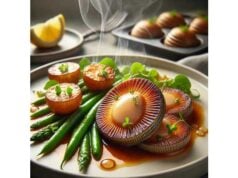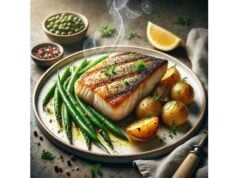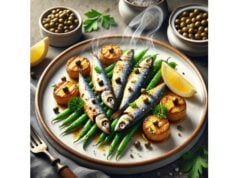
Mackerel is the weeknight-friendly oily fish that overdelivers: it’s rich in omega-3s, naturally flavorful, quick to cook, and budget-sensible compared with many seafood choices. From smoky grilled fillets to miso-glazed broils, escabeche, and Mediterranean-style roasts with tomatoes and olives, mackerel rewards simple techniques with big taste. Nutritionally, it is a standout: high-quality protein, meaningful vitamin B12 and vitamin D, abundant selenium, and a rare density of EPA and DHA—fats linked with heart, brain, and eye health. Not all mackerel are the same, though. Atlantic and Pacific chub mackerel are generally low in mercury and ideal for frequent rotation; king mackerel is a different species with much higher mercury and belongs on the “avoid” list for some groups. This guide covers what matters most—comprehensive nutrition per 100 g, evidence-based health benefits, clear risk and allergy notes (including scombroid/histamine), smart shopping and storage, and cooking methods that preserve moisture and nutrients while keeping prep fast.
Key Takeaways
- Excellent source of EPA and DHA (≈2.0–3.0 g per 100 g in Atlantic mackerel) plus vitamin B12 and vitamin D.
- Typical serving: 100–150 g cooked fillet, enjoyed 1–2 times weekly within a varied seafood routine.
- Safety note: king mackerel is high in mercury; choose Atlantic or Pacific chub for frequent intake and handle fish cold to prevent histamine (scombroid).
- Avoid or limit if you are pregnant or breastfeeding and the only option is king mackerel; individuals with finfish allergy should not consume mackerel.
Table of Contents
- Mackerel Detailed Overview
- Mackerel Nutrition Profile
- Mackerel Health Benefits
- Risks, Allergies and Interactions
- Selecting, Quality, Sustainability and Storage
- Preparation, Cooking and Nutrient Retention
- Portions, Comparisons and FAQs
Mackerel Detailed Overview
Mackerel refers to several fast-swimming, oily fish in the Scombridae family. Common food species include Atlantic mackerel (Scomber scombrus), Pacific chub mackerel (Scomber japonicus), Spanish mackerel (regional Scomberomorus species), and king mackerel (Scomberomorus cavalla). Their nutritional patterns overlap—high in omega-3s and protein—but safety guidance differs: Atlantic and Pacific chub are typically low in mercury, while king mackerel is high and restricted for sensitive groups.
Flavor and texture. Mackerel is richly savory with a pleasant, full-bodied taste. The flesh is moist and fine-flaked; the skin crisps beautifully and is loaded with flavor when seared or grilled. Because it is naturally oily, it remains juicy with short cooking times and pairs well with acid and herbs.
Where it shines in the kitchen.
- Quick mains: Pan-seared fillets with lemon; miso-sake broiled mackerel; harissa-roasted sides with fennel and citrus.
- Cold preparations: Lightly cured mackerel (where permitted), escabeche in vinegar and olive oil, or chilled flaked mackerel with herbs and capers.
- Canned options: Canned mackerel in water or olive oil is a pantry hero for salads, pasta, and sandwiches; it offers similar omega-3s and often more convenience.
Why cooks love it. The fish’s natural oils carry aromatics and resist drying, so you can use bold seasonings or keep it minimalist with salt, pepper, and lemon. It’s also sustainable in many regions due to short lifespans and active management, though status varies by stock and year.
Kitchen science to nail the cook. Oily fish proteins set quickly around 50–55 °C; the sweet spot for tenderness is pulling fillets just as the thickest part turns opaque and reaches about 63 °C (145 °F). Overcooking squeezes out juices and intensifies “fishy” aromas; proper heat and quick acid finishes keep flavors clean and bright.
Mackerel Nutrition Profile
Values below are for Atlantic mackerel, raw, per 100 g unless otherwise noted. Ranges reflect natural variation by species, season, and fat content. Percent Daily Values (%DV) use adult DVs. Canned products can differ, especially for sodium and vitamin D (oil-packed vs. water-packed).
Macros & Electrolytes (per 100 g, raw)
| Nutrient | Amount | %DV |
|---|---|---|
| Energy | 180–205 kcal | — |
| Protein | 18–20 g | 36–40% |
| Total Fat | 11–14 g | 14–18% |
| Saturated Fat | 2.5–3.5 g | 12–18% |
| Carbohydrate | 0 g | 0% |
| Sodium | ~70–110 mg | 3–5% |
| Potassium | ~300–420 mg | 6–9% |
| Water | ~63–67 g | — |
Fats & Fatty Acids (per 100 g, raw)
| Component | Amount |
|---|---|
| Monounsaturated Fat | ~4–5 g |
| Polyunsaturated Fat | ~2.5–3.5 g |
| Omega-3 (EPA + DHA) | ~2.0–3.0 g |
| Cholesterol | ~70–95 mg (DV 300 mg) |
Protein & Amino Acids
| Item | Amount |
|---|---|
| Total Protein | 18–20 g |
| Amino Acids | complete profile; rich in lysine, leucine, threonine |
Vitamins (per 100 g, raw)
| Vitamin | Amount | %DV |
|---|---|---|
| Vitamin B12 (cobalamin) | ~8–12 µg | 333–500% |
| Vitamin D | ~8–13 µg (320–520 IU) | 40–65% |
| Niacin (B3) | ~7–9 mg | 44–56% |
| Vitamin B6 | ~0.35–0.55 mg | 21–32% |
| Choline | ~60–80 mg | 11–15% |
| Vitamin A (RAE) | ~30–60 µg | 3–7% |
| Vitamin E | ~1.0–1.5 mg | 7–10% |
Minerals (per 100 g, raw)
| Mineral | Amount | %DV |
|---|---|---|
| Selenium | ~35–50 µg | 64–91% |
| Phosphorus | ~200–240 mg | 16–19% |
| Magnesium | ~50–80 mg | 12–19% |
| Potassium | ~300–420 mg | 6–9% |
| Iodine | ~30–90 µg | 20–60% |
| Iron | ~1.0–1.8 mg | 6–10% |
| Zinc | ~0.5–1.0 mg | 5–9% |
| Calcium | ~10–20 mg | 1–2% |
Bioactives / Phytonutrients
- EPA and DHA: marine omega-3s notable for cardiometabolic and neurocognitive support.
- Taurine, carnitine, creatine: naturally present in fish muscle; amounts vary and contribute to total dietary intake.
- Coenzyme Q10: present in small amounts relative to overall diet.
Glycemic & Acid–Base Metrics
- Zero carbohydrates; no direct glycemic effect.
- Like other protein-rich foods, mackerel adds a modest acid load; balance with vegetables and legumes for an overall alkaline-leaning meal pattern.
Allergens & Intolerance Markers
- Major allergen group: finfish. Cross-reactivity among fish species is common in sensitized individuals.
Additives & Fortification
- Fresh and frozen fillets are not fortified. Canned mackerel can include added salt or sauces; check labels if tracking sodium.
Contaminants / Residues (context)
- Mercury: species-dependent (see “Risks” section).
- Histamine risk: improper temperature control after catch can cause scombroid poisoning in scombrid fish; buy from trusted suppliers and keep cold.
Cooked vs. raw note: Cooking reduces water and concentrates nutrients per 100 g cooked weight. Compare raw-to-raw or cooked-to-cooked for accuracy.
Mackerel Health Benefits
1) A leading source of long-chain omega-3s
Per 100 g, Atlantic mackerel typically delivers ≈2–3 g of EPA + DHA, among the highest of commonly available fish. These fatty acids support normal triglyceride levels, maintain cell membrane fluidity in the brain and retina, and contribute to a healthy inflammatory balance. In practical terms, one mackerel meal can cover or exceed common daily omega-3 targets used in many nutrition programs.
2) Vitamin B12 and vitamin D—in one quick entrée
Mackerel’s vitamin B12 content routinely exceeds 300% DV per 100 g, supporting red blood cell formation and neurological function. Its vitamin D content (often 40–65% DV per 100 g) complements sun exposure and fortified foods, which is especially helpful in winter months or for people with limited sun exposure.
3) Protein quality for satiety and muscle support
With 18–20 g protein per 100 g, mackerel provides all essential amino acids for tissue repair, immune function, and satiety. Because it is both protein- and fat-rich, it promotes fullness and meal satisfaction, which can help with calorie control when paired with high-fiber sides.
4) Mineral density that fills common gaps
Selenium (≈64–90% DV/100 g) supports antioxidant enzymes and thyroid hormone metabolism; iodine contributes to thyroid function; phosphorus and magnesium aid energy metabolism and muscle contraction.
5) Real-world meal pattern impact
Replacing red or processed meats with mackerel once or twice weekly can cut saturated fat and shift the fat profile toward mono- and polyunsaturates without sacrificing flavor. Canned mackerel adds flexibility: add to grain bowls, pulse-based salads, or whole-grain pasta to create complete meals in minutes.
Making the benefits stick
- Aim for 1–2 fish meals per week, rotating mackerel with other species.
- Choose moisture-preserving methods—sear-and-finish, broil briefly, or roast with vegetables—then finish with citrus or vinegar to keep flavors bright.
- Keep sodium modest by relying on herbs, spices, and acids; add a pinch of salt at the table if needed.
- If using canned mackerel, rinse lightly (if water-packed) to reduce sodium and use olive oil-packed options as a dressing base.
Risks, Allergies and Interactions
Species-specific mercury guidance
- King mackerel: High mercury; avoid for children, those who are pregnant or breastfeeding, and people planning pregnancy.
- Atlantic mackerel and Pacific chub mackerel: Low mercury; suitable for routine rotation consistent with national seafood guidance.
- Spanish mackerel: Varies by region and age; follow local advisories.
Scombroid (histamine) poisoning
Mackerel belongs to a group of fish that can form histamine if not kept cold from catch to cooking. Signs include flushing, headache, burning or peppery taste, hives, and gastrointestinal upset shortly after eating. Prevention is straightforward: buy from reputable sellers, keep the fish below 4 °C, minimize time at room temperature, and refrigerate leftovers promptly.
Allergy
Mackerel is a finfish allergen. Allergic reactions can include hives, wheezing, vomiting, or anaphylaxis. People with a confirmed finfish allergy should avoid mackerel unless an allergist has identified species they tolerate. Prevent cross-contact with dedicated boards, knives, and pans.
Parasites
Wild fish can carry Anisakis and other parasites. Proper cooking (to safe internal temperature) or commercial deep-freezing for raw preparations reduces risk. At home, avoid raw consumption unless using commercially frozen fish labeled for sushi/sashimi and follow local food safety rules.
Medication and nutrient notes
- Anticoagulants: Food-level omega-3 intake is typically compatible; very high supplemental doses can affect bleeding risk—discuss supplements with your clinician.
- Thyroid disorders: Marine fish contribute iodine; consider total intake if you have specific thyroid guidance.
- Sodium management: Canned mackerel can be high in sodium; choose lower-sodium products or drain/rinse when appropriate.
Pregnancy and breastfeeding
Mackerel can fit into pregnancy diets when species are chosen wisely (e.g., Atlantic or Pacific chub). Avoid king mackerel. Always cook thoroughly and follow national seafood guidelines.
Selecting, Quality, Sustainability and Storage
Selecting quality mackerel
- Appearance: Fillets should be moist and glistening with tight muscle fibers and minimal gaping. Whole fish should have clear, bright eyes; vivid skin patterning; firm flesh; and a clean ocean scent.
- Skin-on vs. skinless: Skin-on fillets resist drying and crisp nicely; remove skin after cooking if preferred.
- Fresh vs. frozen: Because mackerel is oily and delicate, frozen-at-sea products can be excellent if the glaze is intact and ice crystals are minimal.
- Canned: Look for short ingredient lists; “in water” or “in olive oil” are versatile. Check sodium on the label.
Sustainability snapshot
- Many mackerel fisheries are actively managed with quotas, seasonal closures, size limits, and independent stock assessments. Status varies by species and stock; consult regional guidance if sustainability is a priority for your household. Diversifying seafood choices—rotating mackerel with sardines, herring, trout, or farmed bivalves—spreads demand and supports resilient food systems.
Storage
- Refrigeration (fresh): Store at 0–2 °C on ice; cook within 24 hours for the best flavor.
- Freezing: Vacuum-seal or wrap tightly and freeze at −18 °C; best quality within 2–3 months.
- Leftovers: Refrigerate cooked mackerel within 2 hours and eat within 2–3 days.
- Canned: Shelf-stable until opened; after opening, transfer to a covered glass container and refrigerate; use within 2–3 days.
Value and yield
- Mackerel is often cost-effective per gram of omega-3s compared with salmon or tuna. Whole fish yield varies with trimming; if buying whole, consider using frames and heads for broths where permitted.
Smart shopping checklist
- Clear labeling with species name and catch area.
- Even coloration (no browning or dried edges).
- Minimal purge in packaging; no sour or ammonia-like odors.
Preparation, Cooking and Nutrient Retention
Safe temperature and doneness
- Target an internal temperature of 63 °C (145 °F). For fillets, this corresponds to flesh that turns opaque and flakes with gentle pressure while remaining juicy. Allow a brief rest off heat; carryover finishes the center.
Techniques that flatter mackerel
- Pan-sear, oven-finish (reliable):
- Pat fillets dry, score the skin lightly, season, and sear skin-side down in a hot pan 2–3 minutes.
- Flip and finish in a 200 °C oven for 3–5 minutes, depending on thickness.
- Finish with lemon, capers, and parsley or a spoon of yogurt-dill sauce.
- Why it works: High heat crisps skin while oven heat evens doneness without drying.
- Broil or grill (big flavor, quick):
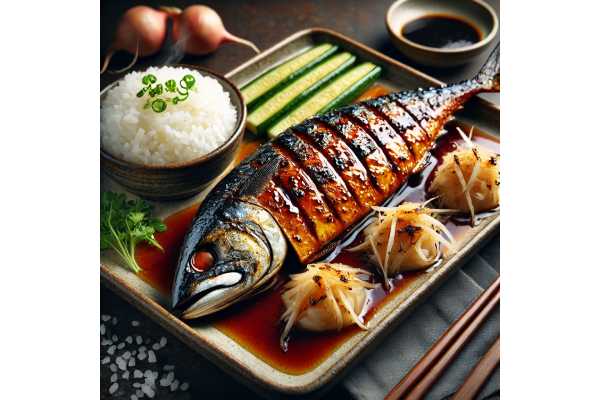
- Brush with olive oil or miso-honey glaze; broil/grill 4–6 minutes until just opaque.
- Add a squeeze of citrus or splash of vinegar to lift richness.
- Roast with vegetables (sheet-pan):
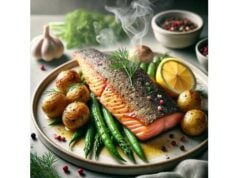
- Roast potatoes, tomatoes, or fennel for 12–15 minutes; nestle fillets on top and return for 6–8 minutes.
- Serve with the pan juices to capture water-soluble vitamins and minerals.
- Poach or steam (gentle):
- Simmer in court bouillon or steam over aromatics for 6–9 minutes.
- Ideal when you want clean flavors and minimal added fat.
- Canned magic (no-cook):
- Flake into lemony white beans with herbs; fold into whole-grain pasta with garlic and chiles; or make a quick salad with cucumbers, dill, and yogurt.
Nutrient retention tips
- Short, hot cooks preserve omega-3s and texture; avoid prolonged deep-frying.
- Capture the juices—turn drippings into a pan sauce with lemon and herbs.
- Sodium-savvy: Build flavor with acids (lemon, vinegar), herbs (dill, parsley, cilantro), and spices (smoked paprika, cumin); salt at the end and taste.
- If curing or pickling, keep portions moderate and refrigerate promptly.
Flavor templates (scalable)
- Mediterranean: lemon, capers, parsley, olive oil.
- Miso-ginger: white miso, grated ginger, garlic, mirin.
- Smoky-spice: smoked paprika, coriander, cumin; finish with red wine vinegar.
- Herb-citrus salsa: chopped herbs, shallot, lemon zest/juice, olive oil.
Common pitfalls and quick fixes
- Too “fishy”: Fish was not very fresh or was overcooked; next time, buy from high-turnover sellers, cook sooner, and add acid at the finish.
- Dry texture: Pulled late; reduce time and use oven-finishing for control.
- Sticking skin: Pan not hot enough or moved too early; let the skin release naturally before flipping.
Portions, Comparisons and FAQs
Smart portions
- Adults: 100–150 g cooked mackerel per meal, 1–2 times weekly as part of a varied seafood plan.
- Children: 30–60 g cooked, adjusted for age and appetite.
- Canned: ½–1 standard can (≈90–120 g drained) is a convenient serving; check sodium on the label.
How mackerel compares to similar fish (per 100 g, raw)
- Atlantic mackerel: ~180–205 kcal; ~18–20 g protein; ~11–14 g fat; ~2.0–3.0 g EPA + DHA; high B12 and vitamin D; low mercury.
- Sardines (Atlantic/Pacific): similar omega-3s; more calcium if eaten with bones; slightly higher sodium when canned.
- Salmon (Atlantic): comparable omega-3s; often higher total fat; flavor milder.
- Tuna (light/skipjack): leaner with lower omega-3s per 100 g; convenient canned options; mercury varies by species.
- King mackerel: calorically similar but high mercury; not recommended for certain groups.
Frequently asked questions
Is mackerel low in mercury?
Atlantic and Pacific chub mackerel are generally low and fit well in a weekly rotation. King mackerel is high; avoid for pregnant or breastfeeding individuals and young children.
Can I eat mackerel during pregnancy?
Yes—choose low-mercury species (Atlantic or Pacific chub), cook thoroughly, and follow national seafood guidance. Avoid king mackerel.
Does mackerel cause scombroid?
Improperly chilled fish can develop histamine; buy from reputable sellers, keep fish very cold, and refrigerate leftovers promptly.
Skin on or off?
Skin-on fillets sear crisply and help prevent drying. If you prefer to remove it, do so after cooking for the best moisture.
Fresh or canned—nutrition differences?
Canned mackerel retains protein and omega-3s well. Sodium can be higher depending on the pack; check labels and drain/rinse if appropriate.
What about bones?
Fresh fillets have small pin bones—tweeze after cooking if needed. Canned mackerel often contains soft, edible bones that provide extra calcium.
Budget and meal-prep ideas
- Roast extra fillets and flake into next-day grain bowls with chickpeas, cucumbers, and herbs.
- Keep canned mackerel on hand for fast lunches; combine with white beans, lemon, and arugula.
- Buy frozen-at-sea fillets in bulk when on sale; portion and label for easy weeknights.
References
- Advice about Eating Fish 2024 (Guideline)
- Omega-3 Fatty Acids – Health Professional Fact Sheet 2024 (Guideline)
- Scombroid Fish Poisoning 2024 (Guideline)
- Fish, mackerel, Atlantic, raw 2024 (USDA FoodData Central)
- Fish and Shellfish Allergy 2019 (Review)
Medical Disclaimer
This guide provides general information and is not a substitute for professional medical advice, diagnosis, or treatment. Always seek personalized guidance from a qualified healthcare professional—especially if you are pregnant or breastfeeding, have a finfish allergy, manage cardiovascular or metabolic conditions, or take medications that may interact with diet. Follow local fish advisories and national seafood recommendations when selecting species and serving sizes.
If this article was helpful, please consider sharing it on Facebook, X (formerly Twitter), or any platform you prefer. Your support helps us keep producing clear, evidence-based nutrition resources.