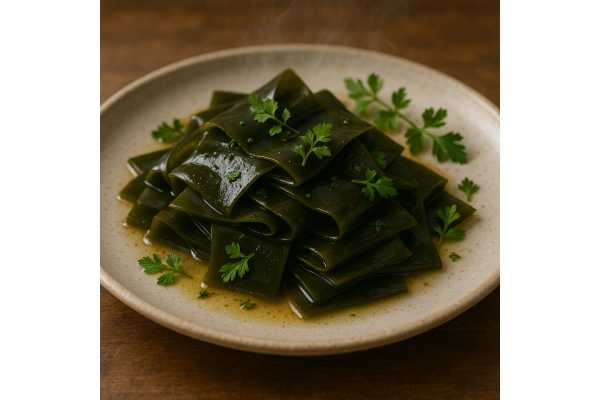
Kombu—an umbrella term for several brown kelp species (often Saccharina or Laminaria)—is a cornerstone of Japanese, Korean, and Chinese cooking. It lends a clean, savory depth (umami) to broths like dashi, tenderizes beans, and enriches plant-forward dishes with minerals and soluble fiber. Nutritionally, kombu stands out for its extremely high iodine content and unique polysaccharides such as alginate, laminarin, and fucoidan. These compounds are being studied for roles in cholesterol management, glycemic control, and gut health. Yet kombu’s strengths come with a caveat: iodine levels vary dramatically by species, harvest location, and processing, and excess intake can stress the thyroid. The key is using small amounts properly, choosing reputable sources, and applying prep techniques that modulate iodine when needed. In this guide, you’ll find clear nutrition data, evidence-backed benefits, safety guidance, practical selection and storage tips, and kitchen methods that preserve flavor while supporting smart intake.
Quick Facts
- One small strip (1–2 g dried) of kombu can supply far above the daily iodine need; use sparingly and not daily.
- Soaking and boiling reduce iodine substantially; reserve or discard soaking liquid based on your iodine needs.
- Typical serving: 1–2 g dried once or twice per week; frequent or larger amounts are not necessary for most people.
- Limit or avoid if you have thyroid disease, take thyroid medication, or are pregnant without clinician guidance.
- Choose products from tested suppliers to reduce contaminant risk; avoid hijiki if worried about inorganic arsenic.
Table of Contents
- Kombu: What It Is
- Kombu Nutrition Profile
- Kombu Health Benefits
- Risks, Allergies and Interactions
- Buying, Sustainability and Storage
- Preparation, Cooking and Nutrient Retention
- Portions, Comparisons and FAQs
Kombu: What It Is
Kombu is a culinary and nutritional heavyweight from the brown seaweed family. In Japanese cuisine it’s a foundational stock-builder for dashi; in Korean cooking, dashima flavors soups and stews; in parts of China, kelp knots and shreds bring texture, subtle sweetness, and minerality to salads and braises. The name “kombu” usually refers to thick, wide blades of kelp—commonly Saccharina japonica or Laminaria digitata—harvested wild or farmed, sun-dried, and sometimes aged to deepen flavor.
What sets kombu apart?
- Extreme iodine density. Iodine supports thyroid hormone production. Kombu can contain orders of magnitude more iodine than land foods, but the content varies with species, season, waters, and processing. That variability is why serving size discipline matters.
- Unique soluble fibers. Alginate (a viscous gum), laminarin (a beta-glucan–like reserve carbohydrate), and fucoidan (a sulfated polysaccharide) are of interest for lipid metabolism, post-meal glucose responses, and gut barrier function.
- Umami drivers. Kombu is rich in glutamates and nucleotides that unlock savoriness in broth and vegetables, allowing cooks to reduce added sodium without sacrificing taste.
- Culinary versatility. A single strip can elevate grains, beans, and soups; powdered or milled kombu acts as a seasoning; rehydrated strips can be sliced into salads; and crisped edges add texture as a garnish.
Important nuances: dried kombu is intensely concentrated; after soaking, it rehydrates to several times its weight but still carries substantial iodine unless treated (long soaks, blanching). Many recipes call for removing kombu before boiling to prevent bitterness and excessive iodine extraction. If you’re trying to limit iodine, discard soaking water; if you need iodine, keep it in the pot.
Finally, kombu isn’t the same as nori (a red seaweed pressed into sheets) or wakame (a tender brown seaweed), both of which are generally milder in iodine. Among brown kelps, hijiki is a different species that’s often discouraged due to inorganic arsenic concerns—stick to labeled kombu from reputable producers.
Kombu Nutrition Profile
How to read this section: Values below are per 100 g of food. For kombu, two very different forms are sold: dried (most common) and rehydrated/boiled. Dried kombu is extremely concentrated and not typically eaten at 100 g portions; still, per-100 g figures help compare nutrients. Where appropriate, iodine is shown as a realistic range reflecting natural variability and processing. Percent Daily Values (%DV) use adult DVs.
Macros and Electrolytes (per 100 g, dried kombu)
| Nutrient | Amount | %DV |
|---|---|---|
| Energy | 170–200 kcal | — |
| Protein | 7–9 g | 14–18% |
| Total Carbohydrate | 45–55 g | 16–20% |
| Dietary Fiber | 25–30 g | 89–107% |
| Total Sugars | 1–2 g | — |
| Total Fat | 1–2 g | 1–3% |
| Sodium | 800–1,500 mg | 35–65% |
| Potassium | 1,000–2,500 mg | 21–53% |
Minerals (per 100 g, dried kombu)
| Mineral | Amount | %DV |
|---|---|---|
| Calcium | 500–1,000 mg | 38–77% |
| Magnesium | 150–250 mg | 36–60% |
| Iron | 2–7 mg | 11–39% |
| Zinc | 1–3 mg | 9–27% |
| Copper | 0.1–0.3 mg | 11–33% |
| Manganese | 0.5–2.0 mg | 22–87% |
| Iodine | 200,000–500,000 µg* | 133,000–333,000% |
*Iodine is highly variable by species, water, and processing; see safety section for guidance on servings and cooking methods that adjust iodine.
Vitamins (per 100 g, dried kombu)
| Vitamin | Amount | %DV |
|---|---|---|
| Folate (DFE) | 150–300 µg | 38–75% |
| Vitamin K | 60–80 µg | 50–67% |
| Vitamin A (RAE) | 30–60 µg | 3–7% |
| Vitamin C | 3–10 mg | 3–11% |
| Vitamin E (alpha-tocopherol) | 1–2 mg | 7–13% |
| B Vitamins (B1, B2, B3, B6) | small amounts | — |
Fats and Fatty Acids (per 100 g, dried kombu)
| Fatty Acid | Amount |
|---|---|
| Saturated Fat | 0.2–0.5 g |
| Monounsaturated Fat | 0.2–0.5 g |
| Polyunsaturated Fat (incl. omega-3) | 0.3–0.7 g |
Protein and Amino Acids (per 100 g, dried kombu)
| Component | Amount |
|---|---|
| Total Protein | 7–9 g |
| Notable amino acids | glutamate (umami), aspartate (taste-active) |
Bioactives / Phytonutrients
- Alginate: viscous soluble fiber that can bind bile acids and sodium in the gut.
- Laminarin: beta-glucan–like carbohydrate under study for lipid and immune effects.
- Fucoidan: sulfated polysaccharide widely researched for anti-inflammatory and anticoagulant-like activities in experimental settings.
- Polyphenols (phlorotannins): brown-seaweed antioxidants that may contribute to flavor and astringency.
Contaminants / Residues (context, not typical amounts)
- Arsenic: seaweeds contain mostly organic arsenic; hijiki is known for higher inorganic arsenic and is best avoided. Kombu’s inorganic arsenic is generally low but can vary—source from tested suppliers.
- Cadmium/Lead: trace levels depend on waters and processing; reputable producers test batches.
- Sodium: naturally present; soaking and blanching reduce surface salt.
Glycemic and Acid–Base Metrics
- Low in available sugars; high soluble fiber suggests a low glycemic impact within mixed meals.
- Alkaline ash minerals (magnesium, calcium, potassium) contribute to dietary base load.
Note on raw vs. cooked: Rehydrating and boiling dilute minerals per 100 g and can reduce iodine substantially. If you need the iodine, use shorter soaks and keep the soaking liquid; if limiting iodine, extend the soak and discard the liquid.
Kombu Health Benefits
1) Supports adequate iodine intake—when used prudently.
Iodine is essential for thyroid hormones that regulate metabolism, temperature, and neurodevelopment during pregnancy. Because kombu is one of the richest natural sources, very small amounts can meet daily needs. The benefit is precision: a gram or two can bridge gaps in low-iodine patterns (e.g., minimal dairy, non-iodized salt), while mindful prep helps avoid overshooting.
2) May help with lipid management.
Soluble fibers in brown kelps—especially alginate and laminarin—can bind bile acids and reduce cholesterol reabsorption, which may modestly lower LDL cholesterol over time. Early clinical trials and systematic reviews of brown-seaweed interventions report small but meaningful reductions in total and LDL cholesterol. Practical translation: weaving kombu-based stocks into bean, grain, and vegetable dishes complements core heart-healthy habits (fiber-rich foods, unsaturated fats, activity).
3) Post-meal glucose support in mixed meals.
Viscous fibers slow gastric emptying and carbohydrate absorption. In human feeding studies, seaweed components have been associated with improved postprandial glucose curves. While kombu alone is not a diabetes treatment, swapping part of the salt and fat in soups for umami-rich kombu stock is a sensible culinary nudge for glycemic balance.
4) Gut health and stool regularity.
Kombu contributes fermentable fibers that increase stool bulk and may feed beneficial microbes. Alginate gels add softness to stool; laminarin can be fermented into short-chain fatty acids. Introduce gradually and hydrate well to reduce the chance of gas and bloating.
5) Culinary sodium management.
Kombu’s glutamates and nucleotides intensify savory notes so you can use less added salt without losing flavor. This taste strategy is particularly useful for people watching blood pressure or those adapting to lower-sodium cooking.
6) Mineral enrichment for plant-forward diets.
Beyond iodine, kombu supplies magnesium, calcium, and trace minerals. Though absorption varies and per-serving masses are small, regular, modest use can incrementally raise mineral density across a week’s meals—especially when used in broths that are fully consumed rather than discarded.
How to realize these benefits safely
- Use small, consistent amounts (e.g., 1–2 g dried) to season, not as a large side dish.
- Apply soaking and brief simmering to tailor iodine transfer to your needs.
- Pair with legumes, whole grains, and vegetables to leverage fiber synergy.
- Keep expectations realistic: kombu complements but does not replace medication, exercise, or overall diet patterns.
Risks, Allergies and Interactions
Thyroid risks from excess iodine
Kombu’s most common pitfall is too much iodine, which can disrupt thyroid hormone synthesis in susceptible people. Both insufficient and excessive iodine can lead to thyroid dysfunction. Signs of excess may include neck swelling (goiter), changes in energy or weight, palpitations, or altered TSH/T4/T3 labs. Individuals with autoimmune thyroid disease, multinodular goiter, or a history of thyroid surgery or radioiodine are particularly sensitive.
Medication interactions
- Levothyroxine and anti-thyroid drugs: Wide swings in iodine intake can change dose requirements. Keep kombu intake steady and modest, or avoid it unless your clinician agrees and monitors labs.
- Iodine-containing contrast agents or antiseptics: If you recently had iodinated contrast or are using iodine antiseptics on large skin areas, avoid high-iodine foods until cleared by your clinician.
- Amiodarone: A heart medication rich in iodine; combining with high-iodine foods may compound thyroid effects.
Pregnancy and lactation
Iodine needs increase, but excess is risky for both parent and baby. Because kombu is highly variable, it’s safer to rely on a clinician-approved prenatal supplement and ordinary foods than on large or frequent kombu servings. If you use kombu while pregnant or breastfeeding, keep amounts tiny (a small strip in a shared pot) and not daily; do not consume kelp tablets unless prescribed.
Allergies and intolerances
- Seaweed/seafood allergy: True seaweed allergies are uncommon and unrelated to fish/shellfish allergies, but cross-contact in processing can occur. Choose brands with clear allergen controls.
- Digestive sensitivity: The soluble fibers can cause bloating if introduced abruptly. Start low, go slow, drink enough fluids, and avoid large amounts of raw rehydrated kombu.
- Sodium sensitivity: Some packaged kombu carries surface salt; rinsing and soaking reduce this.
Contaminants
- Arsenic: Most seaweed arsenic is in organic, less toxic forms. Hijiki is notable for higher inorganic arsenic; kombu is generally safer but still source-dependent.
- Heavy metals (cadmium, lead): Levels reflect waters and harvesting practices. Choose suppliers that publish test results or hold third-party certifications.
Practical safety guardrails
- Treat kombu like a seasoning, not a vegetable side.
- For most adults, using 1–2 g dried once or twice weekly is plenty.
- If you have thyroid disease, are on thyroid medication, or are pregnant, discuss kombu with your clinician and consider avoiding it or using only in iodine-reduced forms (long soak, discard liquid).
When to seek medical advice
New palpitations, heat or cold intolerance, unexplained weight change, neck swelling, or lab abnormalities after increasing seaweed intake warrant timely clinician review.
Buying, Sustainability and Storage
Choosing quality kombu
- Species transparency: Look for labels listing species (e.g., Saccharina japonica, Laminaria digitata). Clear naming helps you anticipate iodine strength and texture.
- Source and testing: Prefer producers that disclose harvest region (e.g., Hokkaido, Atlantic) and publish contaminant and iodine testing. Certifications (e.g., organic, recognized third-party labs) are reassuring.
- Appearance: Dried kombu should be thick, flat, and dark olive to brown with a natural white bloom (mannitol crystals) that tastes slightly sweet. Avoid brittle sheets with holes or a musty smell.
- Formats: Whole sheets/strips suit broths; pre-cut knots for salads; powdered granules for seasoning; “shio-kombu” and “konbu-cha” are seasoned products with added salt—check labels.
Sustainability snapshot
- Seaweed aquaculture requires no freshwater, fertilizer, or land and can absorb carbon and nitrogen. Well-managed farms provide habitat and reduce pressure on wild kelp forests.
- Local ecosystems: Siting and species selection matter. Choose brands that work with regional regulators and publish environmental impact reports.
- Packaging: Bulk or minimal packaging reduces waste; opaque, airtight bags protect nutrients.
Storage and shelf life
- Dry storage: Keep unopened kombu in a cool, dry, dark place for up to 1–2 years (check date). After opening, store in an airtight container with a desiccant pack if humidity is high.
- Refrigeration/freezing: Not necessary for dried kombu, but refrigeration helps in humid climates. Rehydrated kombu should be refrigerated in clean water and used within 2–3 days.
- White powdery coating: This is usually mannitol, a natural sugar alcohol. It’s edible and adds gentle sweetness; no need to wipe it off unless you want a cleaner stock flavor.
Budget tips
- A single sheet serves many pots. Buy larger packs and cut into 5–10 cm segments.
- Save trimmed edges for beans and grains; save “spent” kombu to mince into furikake-style toppings if you’re not restricting iodine.
Preparation, Cooking and Nutrient Retention
Goal-based prep: decide what you want from kombu.
- Maximize flavor with moderate iodine: Quick soak (10–20 minutes), then gentle heating below a full boil for broth; remove before rolling boil to avoid bitterness and over-extraction. Keep the soaking liquid for more umami.
- Minimize iodine while keeping flavor: Longer soak (30–60 minutes) in plenty of water; optionally blanch 1–2 minutes and discard the liquid; proceed with cooking in fresh water. Repeating soak-and-discard steps further reduces iodine.
- Extract minerals and fiber for beans/grains: Add a small strip to the pot from the start and simmer; if limiting iodine, use a pre-blanched strip and discard the cooking water (less ideal for mineral retention but effective for iodine reduction).
Kitchen techniques
- Classic dashi (four cups / 1 liter):
- Soak a 5–7 cm kombu strip (about 2 g) in cool water for 20–30 minutes.
- Heat gently until small bubbles form; remove kombu just before a full simmer.
- Optional: add dried bonito or shiitake for layered umami.
- Season with a light hand—kombu adds savoriness, reducing required salt.
- Bean tenderizer:
- Add a 2–3 cm piece to the bean pot. It can shorten cooking time slightly and improve skin tenderness. If you need iodine reduction, pre-soak and discard water first.
- Vegetable glaze:
- Finely slice rehydrated kombu and sauté with carrots or mushrooms; deglaze with a splash of mirin or vinegar. The natural glutamates amplify vegetables.
- Homemade seasoning salt:
- Pulse dried kombu with toasted sesame and a pinch of flaky salt. Use sparingly at the table. For lower iodine, use pre-blanched dried kombu.
Nutrient retention pointers
- Iodine is water-soluble. Soaking and boiling move it into liquid. Keep the liquid to retain iodine; discard to lower intake.
- Minerals and taste compounds also move into water; shorter heating reduces losses if you plan to discard liquid.
- Sodium management: Rinse surface salt before soaking. Rely on umami to reduce added sodium.
- Fiber integrity: Gentle simmering preserves alginate’s texture; prolonged vigorous boiling can break gels and change mouthfeel.
Food safety
- Use clean, potable water for soaking; refrigerate rehydrated kombu and use within 2–3 days.
- If the product smells off or shows mold (distinct from the white mannitol bloom), discard it.
- Avoid cooking in reactive aluminum when making long-simmered acidic broths.
Portions, Comparisons and FAQs
How much kombu is a serving?
For most adults, 1–2 g dried (about a 5–7 cm strip) used in a shared pot once or twice per week is sufficient for flavor and iodine insurance. Because iodine varies widely, this approach favors consistency and safety. Daily use is unnecessary for most people.
How does kombu compare to other seaweeds?
- Kombu (kelp): Highest iodine on average; thick texture; strongest broth-building power.
- Wakame: Lower iodine, tender texture for soups and salads.
- Nori: Much lower iodine; used as sheets; contributes B vitamins and trace minerals with minimal iodine.
- Hijiki: Not recommended in many countries due to higher inorganic arsenic; choose alternatives.
Best times to use kombu
- When you want umami without heavy salt.
- In meal prep where one small strip flavors multiple portions.
- When your routine lacks iodine sources (e.g., you rarely use iodized salt and eat little dairy or seafood). Still, confirm your needs with a clinician, especially if you have thyroid concerns.
Can I meet iodine needs without kombu?
Yes. Iodized salt, dairy, eggs, and many fish cover iodine for most people. Kombu is optional—think of it as a culinary tool with a nutritional edge.
Tips for specific audiences
- Vegetarians and vegans: Kombu adds oceanic savoriness to plant proteins and grains; it can help offset the lack of iodized salt or dairy. Keep servings small and consistent.
- People with thyroid disease or on levothyroxine: Either avoid kombu or fix a tiny, consistent pattern and coordinate with your clinician.
- Pregnancy: Prioritize a prenatal with appropriate iodine and routine foods; if using kombu, keep amounts tiny and infrequent.
Smart pantry formulas
- Low-iodine dashi: Pre-blanch kombu 1–2 minutes, discard water, then make stock with fresh water; remove before boiling.
- Mineral-forward broth: Short soak, gentle heat, and keep the soaking/cooking liquid.
- Flavor-first, less salt: Combine kombu with dried mushrooms; taste before salting.
Troubleshooting
- Bitter broth? You likely boiled kombu hard or left it in too long. Next time, remove just before boiling.
- Too briny: Rinse and pre-soak; discard the first soak water.
- Digestive discomfort: Reduce quantity, chop finely, and increase gradually with adequate fluids.
References
- Iodine – Health Professional Fact Sheet 2024 (Guideline)
- USDA, FDA, and ODS-NIH Database for the Iodine Content of Common Foods 2023 (Resource)
- Iodine, Seaweed, and the Thyroid 2021 (Review)
- Evaluation of the Bioavailability of Iodine and Arsenic in Raw and Cooked Seaweeds 2024 (Study)
Medical Disclaimer
This information is educational and does not replace personalized medical advice, diagnosis, or treatment. Seaweed—especially kombu—contains highly variable iodine levels that can affect thyroid function and medication needs. If you are pregnant, breastfeeding, have thyroid disease, or take thyroid or heart medications, speak with a qualified clinician before using kombu regularly or changing your iodine intake.
If you found this guide helpful, please consider sharing it with friends or colleagues on Facebook, X (formerly Twitter), or your favorite platform. Your support helps us continue creating high-quality, evidence-based nutrition resources.