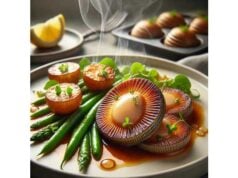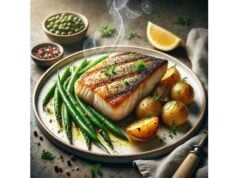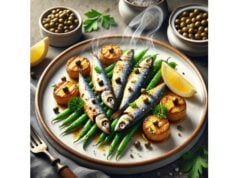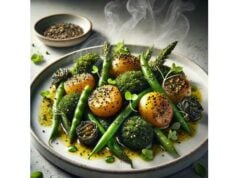
Hoki (Macruronus novaezelandiae), also known as blue grenadier, is a lean, white-fleshed fish from the cold, deep waters around New Zealand and southern Australia. Chefs value it for its delicate flavor, fine moist flakes, and versatility: it bakes, steams, or pan-sears in minutes and takes well to citrus, herbs, miso, and light crumb coatings. From a nutrition standpoint, hoki delivers high-quality protein with very little fat, modest omega-3s, and meaningful amounts of selenium, vitamin B12, and niacin—an easy fit for heart-conscious or high-protein meal plans. It is generally low in mercury compared with many predatory species and is harvested in one of the world’s best-managed fisheries, with longstanding third-party sustainability certification. Still, smart choices matter. Stock status, harvest methods, handling, and portion sizes shape both environmental footprint and health value. This guide translates the science and sourcing into clear, cook-friendly advice so you can enjoy hoki confidently, deliciously, and responsibly.
Quick Facts
- Lean white fish with ~18–20 g protein and ~0.7–2.0 g fat per 100 g; supplies selenium, vitamin B12, and niacin.
- Typical serving: 120–150 g cooked fillet (about 4–5 oz), 1–2 times weekly as part of varied seafood intake.
- Safety caveat: low overall mercury risk; as with all finfish, allergy is possible; handle and chill promptly to prevent spoilage.
- Who should limit or avoid: individuals with confirmed finfish allergy; for pregnancy and young children, follow national seafood guidance and keep species variety high.
Table of Contents
- Detailed Overview
- Nutrition Profile
- Evidence-Based Health Benefits
- Risks, Allergies and Interactions
- Selecting, Quality, Sustainability and Storage
- Preparation, Cooking and Nutrient Retention
- Portions, Comparisons and FAQs
Detailed Overview
Hoki is a streamlined, deep-water hake-like fish that thrives in the cool currents of the South Pacific. It feeds on small crustaceans and fish in midwater, which helps explain its mild, clean flavor and low fat content. In markets you may see it labeled “hoki,” “blue grenadier,” or occasionally “blue hake.” New Zealand supplies the vast majority of the global catch, with strong regional management and long-running third-party certification for environmental standards. Because hoki fillets are thin and tender, they cook quickly and suit weeknight recipes: sheet-pan suppers with lemon and capers, steamed parcels with spring vegetables, or crisp panko crusts for tacos and sandwiches.
Culinarily, think of hoki as a little richer than cod but lighter than halibut. It flakes in fine layers and stays moist when you avoid overcooking. Its neutral profile accepts bold flavors—ginger-scallion, chili-lime, miso-sesame—as easily as classic lemon-butter. That versatility makes hoki a convenient protein base for Mediterranean-style plates, Asian-inspired broths, and family-friendly fish pies.
Nutrition adds another advantage. Per 100 g raw, hoki typically offers around 18–20 g protein with under 2 g fat, a useful amount of vitamin B12 and niacin for energy metabolism, and selenium for antioxidant defense and thyroid enzyme function. While its omega-3 content is lower than in oily fish, it contributes to weekly totals when you rotate species.
From a health-protection angle, two points matter. First, mercury levels are generally low, but sensible portion control and species rotation are still best practice—especially for pregnancy and children. Second, as with any finfish, allergy is possible; people with known fish allergy should avoid hoki unless an allergist confirms tolerance. With good handling—steady cold chain, gentle cooking—and mindful sourcing, hoki is a dependable, sustainable choice that meets nutrition and flavor goals without fuss.
Nutrition Profile
Notes on interpretation: Values below reflect raw hoki fillet per 100 g; cooking alters weight and nutrient density. % Daily Value (%DV) uses adult DVs and is approximate. Natural variation by season, diet, and habitat is expected.
Macros and Electrolytes (per 100 g, raw)
| Nutrient | Amount | %DV |
|---|---|---|
| Energy | 82–95 kcal | — |
| Protein | 18.0–19.5 g | 36–39% |
| Total fat | 0.7–1.9 g | 1–3% |
| Saturated fat | 0.2–0.3 g | 1–2% |
| Carbohydrate | 0 g | — |
| Sodium | ~55–70 mg | 2–3% |
| Potassium | ~300–380 mg | 6–8% |
Vitamins (per 100 g, raw)
| Vitamin | Amount | %DV |
|---|---|---|
| Vitamin B12 (cobalamin) | ~1.0–1.6 µg | 42–67% |
| Niacin (vitamin B3) | ~3.0–5.0 mg | 19–31% |
| Vitamin B6 (pyridoxine) | ~0.2–0.4 mg | 12–24% |
| Vitamin D (cholecalciferol) | ~1–3 µg (40–120 IU) | 5–15% |
Minerals (per 100 g, raw)
| Mineral | Amount | %DV |
|---|---|---|
| Selenium | ~25–40 µg | 45–73% |
| Phosphorus | ~180–220 mg | 14–18% |
| Magnesium | ~25–35 mg | 6–8% |
| Calcium | ~10–30 mg | 1–2% |
| Iron | ~0.3–0.7 mg | 2–4% |
| Zinc | ~0.3–0.6 mg | 3–5% |
| Iodine | variable (often 40–150 µg) | 27–100% |
Fats and Fatty Acids (per 100 g, raw)
| Component | Amount |
|---|---|
| Omega-3 EPA + DHA | ~0.15–0.35 g |
| Omega-6 total | ~0.02–0.06 g |
| Cholesterol | ~45–60 mg |
Protein and Amino Acids
- Complete protein with all essential amino acids; leucine commonly around 1.6–1.9 g/100 g and lysine around 2.0–2.3 g/100 g for lean white fish.
- High digestibility supports muscle repair and maintenance when distributed across meals.
Bioactives/Phytonutrients
- Marine omega-3s (EPA, DHA) support cell membrane function and inflammation balance. Amounts are modest per 100 g in hoki but add to weekly totals.
Allergens and Intolerance Markers
- Contains fish proteins (including parvalbumin), a common cause of IgE-mediated finfish allergy.
Contaminants/Residues (context for hoki)
- Methylmercury: typically low relative to large pelagic species; varies by size and location.
- Environmental residues: modern controls and deepwater harvest reduce many risks; trim dark muscle if flavor-sensitive.
Footnote: Commercial nutrition panels for hoki often draw from national food composition databases and manufacturer analytics. Cooking in fat raises final calories and fat-soluble vitamin absorption; breading increases carbohydrates and sodium.
Evidence-Based Health Benefits
1) High-quality protein with low calories
Hoki offers roughly 18–20 g of complete protein per 100 g raw with minimal fat. A typical cooked portion (120–150 g) delivers about 25–32 g protein for roughly 150–200 kcal depending on added fat. That profile helps you hit per-meal protein targets for satiety, muscle maintenance, and post-exercise recovery without a large calorie load.
2) Selenium and B vitamins for cellular energy and thyroid function
Selenium-dependent enzymes help protect cells from oxidative stress and support the activation and deactivation of thyroid hormones. B12 and niacin contribute to red blood cell health and energy metabolism. Regularly including lean fish like hoki can improve micronutrient coverage, especially in diets light on red meat or fortified foods.
3) Modest omega-3 contribution in a flexible pattern
While hoki is not an omega-3 superstar, it still supplies EPA and DHA, which support heart, brain, and eye health. A practical approach is variety: alternate lean species (hoki, cod, pollock) with oily fish (salmon, sardines, trout) to meet weekly omega-3 goals and keep menus interesting.
4) Culinary versatility that encourages healthier patterns
Hoki’s mild flavor takes well to olive oil, herbs, citrus, tomatoes, and leafy sides—building blocks of a Mediterranean-style plate. Swapping lean fish for higher-saturated-fat meats a few times a week can shift overall dietary patterns toward heart-protective territory without sacrificing enjoyment.
5) Family-friendly texture and taste
Hoki flakes tenderly and lacks strong “fishy” notes, making it a helpful on-ramp for children and seafood-wary adults. Simple breadcrumb bakes or parchment packets deliver success with minimal technique, reinforcing a habit of eating seafood at home.
Clarifying limits
Hoki’s omega-3s are modest; if your aim is maximizing EPA+DHA per serving, rotate in oily fish. Also, micronutrient content varies naturally—use seafood variety to ensure coverage rather than relying on a single species.
Risks, Allergies and Interactions
Mercury and general contaminants
Deepwater white fish like hoki generally test low for methylmercury compared with larger, long-lived predators. That said, exposure depends on size, harvest area, and frequency. The simplest precaution for everyone—and especially for pregnancy, breastfeeding, and young children—is to rotate species and keep weekly intake within national seafood guidance. Cooking does not remove mercury.
Fish allergy
Finfish allergy is one of the more common food allergies. Reactions typically involve proteins such as parvalbumin and may cross-react among multiple finfish. Individuals with confirmed fish allergy should avoid hoki unless evaluated by an allergist who advises otherwise. Dining out? Cross-contact is common—notify staff clearly and consider dedicated preparation.
Spoilage and handling
Because hoki fillets are thin and delicate, quality declines rapidly if the cold chain is broken. Keep fish at ≤4 °C (40 °F), cook within 24–48 hours of purchase, and refrigerate cooked leftovers promptly for up to 2 days. When in doubt, discard; odor and texture cues (sour, sharp ammonia, mushiness) indicate spoilage.
Sodium and seasoning
Fresh hoki is naturally low in sodium. Pre-brined, breaded, or heavily seasoned products can raise sodium quickly. If you watch sodium, favor plain fillets and season with lemon, herbs, and a light hand with salt.
Medication considerations
- Anticoagulants: hoki is not high in vitamin K; however, maintain a consistent overall diet if you use vitamin K–sensitive anticoagulants.
- Thyroid disorders: iodine content in lean white fish varies; most portions stay within healthy ranges, but keep intake steady week-to-week and consult your clinician if you have a thyroid condition.
Bones and choking risk
Commercially trimmed fillets are usually pin-boned, but small bones may remain. Check before serving to children or anyone with swallowing difficulties.
Selecting, Quality, Sustainability and Storage
How to buy better hoki
- Species and names: look for Macruronus novaezelandiae (hoki, blue grenadier).
- Cut: choose center-cut loins for even thickness and grill-friendly texture; tail pieces suit stews, chowders, and pies.
- Fresh vs frozen: high-quality IQF (individually quick frozen) fillets or loins can outperform “fresh” fish that has traveled. Check for intact glaze and no freezer burn.
- Look and smell: fillets should be translucent, glossy, and moist; scent should be clean and marine, never sour or strongly fishy.
Sustainability at a glance
- New Zealand hoki has a long history of third-party certification for sustainable management, with stock assessments guiding quotas and seasons. Trawl gear is standard, with bycatch and habitat protections continually refined.
- When certified product is available, it signals adherence to independent standards for stock status, ecosystem impacts, and effective management.
Storage tips
- Refrigeration: keep fish on ice or the coldest shelf (0–2 °C / 32–36 °F). Use within 24–48 hours. Store fillets in a shallow container lined with paper towels; replace towels if they become wet.
- Freezing: wrap tightly (plastic + foil or vacuum seal). Freeze at −18 °C (0 °F) up to 3–4 months for best quality. Thaw in the refrigerator overnight on a rack to drain.
Traceability and ethics
- Ask for harvest area and whether the product carries recognized sustainability certification.
- Responsible processors state when a product was previously frozen, the glazing level, and any additives (e.g., water-binder solutions). Choose minimally processed fillets for best texture and nutrition.
When to choose alternatives
- Out of season or unavailable? Cod, pollock, or South Pacific hake can substitute depending on the recipe. For higher omega-3s, consider salmon or trout in alternating meals.
Preparation, Cooking and Nutrient Retention
Hoki’s lean, delicate flesh rewards gentle heat and attention to moisture. Because its fat content is low, pairing with olive oil, nuts, or dairy-based sauces can improve mouthfeel and help absorb fat-soluble nutrients without excessive calories.
Core techniques (fast and reliable)
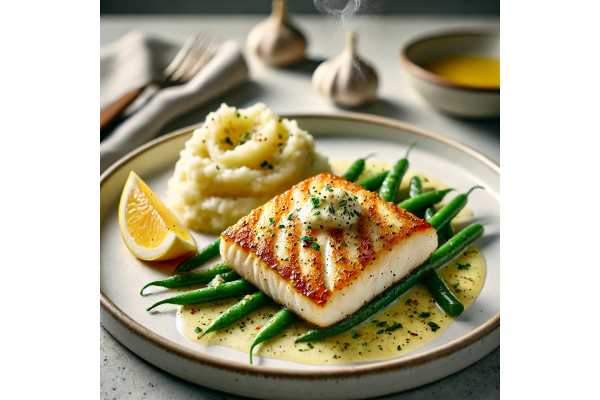
- Pan-seared hoki with lemon and herbs
- Pat fillets dry; season lightly with salt and pepper.
- Heat a thin film of oil in a nonstick or well-seasoned skillet over medium-high.
- Sear 2–3 minutes on the first side until lightly golden; flip and cook 1–2 minutes more.
- Finish with lemon zest, chopped parsley, and a spoon of extra-virgin olive oil.
- Doneness cue: opaque flakes and 63 °C (145 °F) internal temperature.
- Parchment parcels (en papillote)
- Place fillet on a bed of sliced fennel, cherry tomatoes, and olives; drizzle with oil and a splash of white wine.
- Seal in parchment and bake at 200 °C (400 °F) for 10–12 minutes.
- Result: gentle steam preserves texture, B vitamins, and moisture.
- Crisp oven “crumbed” hoki
- Mix panko with grated lemon peel and chopped herbs.
- Brush fillets with yogurt-mustard or beaten egg white; press into crumbs.
- Bake at 220 °C (425 °F) for 10–12 minutes on a preheated tray.
- Brothy bowls
- Simmer vegetable stock with garlic, ginger, and greens; slip in bite-size fish pieces and cook 3–4 minutes.
- Serve with soba or brown rice and a drizzle of toasted sesame oil.
Nutrient retention tips
- Avoid overcooking: pull from heat when the center just turns opaque; carryover will finish cooking.
- Add healthy fats: a tablespoon of olive oil adds flavor and satiety with minimal saturated fat.
- Mind the sodium: season with citrus, herbs, and umami-rich vegetables (tomato, mushrooms) instead of heavy salt.
- Keep batter light: thin batters or crumb coats add crispness with less oil absorption.
Flavor pairings
- Bright: lemon, capers, dill, parsley, chives.
- Savory: miso, scallions, ginger, soy (moderate), sesame.
- Mediterranean: cherry tomatoes, fennel, olives, basil.
- Comfort: light cream-mustard sauce, mashed peas, roasted potatoes.
What to avoid
- Prolonged frying that dries lean fillets.
- Thick, heavy sauces that overwhelm delicate flavor.
- Holding cooked fish hot for long periods; quality drops quickly.
Portions, Comparisons and FAQs
Practical portions and weekly frequency
- Adults: 120–150 g cooked hoki (about 4–5 oz) per serving.
- Weekly pattern: 1–2 servings of hoki within a variety of seafood totaling roughly 8–12 oz (225–340 g) per week, balancing lean white fish with oily species for omega-3s.
- Children and pregnancy: follow national seafood guidance prioritizing lower-mercury choices; keep portions age-appropriate.
How hoki compares
- Versus cod or pollock: similar leanness; hoki’s flake is finer and often moister.
- Versus salmon or trout: much leaner and lower in omega-3s; better when you want high protein with fewer calories; rotate with oily fish to raise EPA + DHA.
- Versus halibut: leaner and more delicate; cooks faster and is typically more affordable.
Buying and menu swaps
- If fillets vary in thickness, use thicker center cuts for pan-searing and thinner tail pieces for chowders, pies, or fish cakes.
- For gluten-free crumbs, use crushed cornflakes or almond meal mixed with herbs.
FAQs
Is hoki a sustainable choice?
New Zealand hoki has a long track record of independent certification and regular stock assessments. Look for certified product and ask suppliers about harvest area and gear.
Is hoki high in mercury?
Generally, no. Levels are typically low compared with predatory fish, but variety and portion control are still wise, particularly for pregnancy and young children.
Can people with gout eat hoki?
Lean fish contributes purines, but serving size matters. Many clinicians allow moderate portions of lean fish in well-managed gout, balanced with vegetables and whole grains. Follow personal medical advice.
What if I do not like “fishy” flavors?
Hoki is mild. Keep it fresh, do not overcook, and finish with bright acids (lemon, vinegar) and herbs.
Does breading ruin the health profile?
A thin crumb layer baked on a hot tray uses less oil than deep-frying. Pair with a big salad or roasted vegetables and keep sauces light to maintain a balanced plate.
References
- Advice about Eating Fish (2024)
- Assessment of hoki (Macruronus novaezelandiae) in 2024 (2024)
- F001277: Blue grenadier, flesh, raw (2023)
- Iodine Content of Wild and Farmed Seafood and Its Estimated Contribution to UK Dietary Iodine Intake (2021)
- New Zealand hoki (2024)
Disclaimer
This guide is for general information and education only and does not replace personalized medical advice, diagnosis, or treatment. Nutrient values and contaminant levels in seafood vary by species, size, and harvest area. If you are pregnant or breastfeeding, preparing food for young children, or have a finfish allergy, thyroid disorder, kidney disease, or other medical condition, consult a qualified health professional and follow your local public health guidance.
If you found this article helpful, please consider sharing it on Facebook, X (formerly Twitter), or your preferred platform to support our ongoing work creating clear, evidence-based food guides.