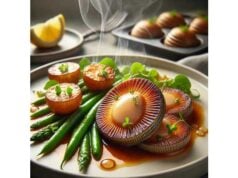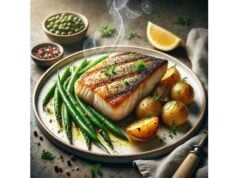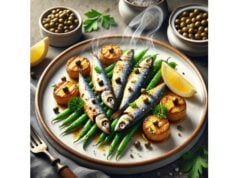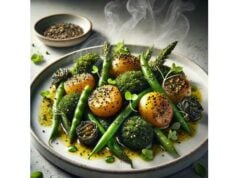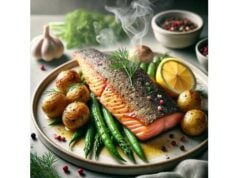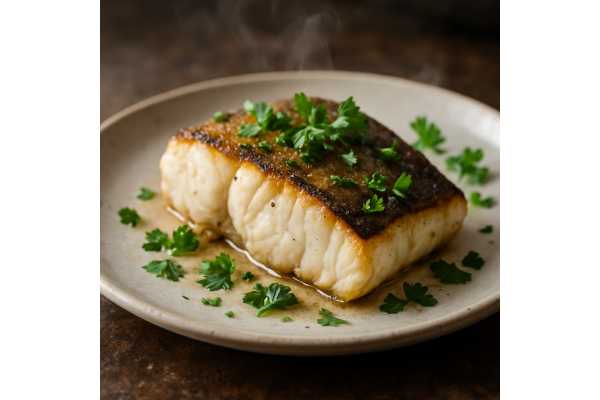
Hake is a lean, mild white fish from the cod family that adapts to almost any cooking method. Its soft, flaky texture works in quick weeknight sautés, light soups, battered fillets, and elegant oven bakes. Beneath the delicate flavor is practical nutrition: high-quality protein, iodine, selenium, vitamin B12, and modest omega-3s with very little fat. Most commercially sold hake species (for example, European and Pacific hake) are classed as lower-mercury choices and are widely available fresh or frozen. If you want a versatile fish that delivers nutrients without the oiliness of fattier species, hake deserves a place on your menu. Below you’ll find a people-first guide to choosing well, storing safely, cooking for nutrient retention, and understanding when to enjoy hake and when to pick alternatives—all grounded in current nutrition science and food safety guidance.
Fast Facts
- Lean white fish supplying ~16 g protein per 100 g, with useful vitamin B12, iodine, and selenium.
- Typical serving: 120–150 g cooked (about 4–5 oz), 1–2 times weekly within an overall seafood pattern of 2+ servings weekly.
- Low mercury; safe for most adults and children when prepared properly; freeze fish intended for raw dishes.
- People with fish allergy, or those advised to limit iodine (e.g., certain thyroid conditions), should avoid or moderate intake.
Table of Contents
- Hake: Detailed Overview
- Hake Nutrition Profile
- Evidence-Based Benefits of Hake
- Risks, Allergies and Interactions
- Choosing, Sustainability and Storage
- Cooking Hake for Nutrient Retention
- Portions, Comparisons and FAQs
Hake: Detailed Overview
Hake is the common market name for several closely related species in the Merluccius genus, including European hake (Merluccius merluccius) and Pacific hake (Merluccius productus). Culinary professionals value hake for its tender, snow-white flakes and neutral taste; it stands up to assertive seasonings yet remains pleasant with nothing more than olive oil, lemon, and salt. Unlike fatty fish such as salmon or mackerel, hake is remarkably lean. That leanness makes it quick-cooking and light, and it helps hake fit Mediterranean-style, weight-conscious, or low-fat eating patterns without sacrificing protein quality.
From a nutrition standpoint, hake concentrates high-quality complete protein and key micronutrients involved in thyroid function (iodine), antioxidant defenses (selenium), and red-blood-cell and nerve health (vitamin B12). It offers modest long-chain omega-3s (EPA and DHA), though at lower levels than oily fish. For diners who prefer a gentle flavor or are building a seafood habit, hake often serves as a “gateway fish” that is crowd-friendly and versatile.
Sourcing matters. In many markets, hake comes from managed fisheries with transparent catch methods, and multiple hake stocks are assessed annually by scientific bodies. Because it’s a low-mercury species on most consumer charts, hake is often listed among the best or good choices for pregnant and breastfeeding people and for children, provided it is prepared safely. As with any fish, a few simple practices—keeping it cold, cooking or freezing appropriately, and consuming within recommended frequencies—maximize both enjoyment and safety.
In the kitchen, hake rewards gentle handling. Pan-searing, baking, shallow-poaching, steaming, and frying all work; the key is to avoid overcooking to preserve its soft texture. Because hake is mild and lean, pair it with moisture-preserving techniques and sauces—tomato-garlic stews, herb-citrus pan sauces, or yogurt-tahini dressings—so every bite stays juicy and flavorful.
Hake Nutrition Profile
Portion basis: Unless noted, values are for raw hake, per 100 g. Percent Daily Values (%DV) use adult reference DVs (protein 50 g; sodium 2300 mg; potassium 4700 mg; calcium 1300 mg; iron 18 mg; zinc 11 mg; magnesium 420 mg; phosphorus 1250 mg; selenium 55 µg; iodine 150 µg; vitamin D 20 µg; vitamin B12 2.4 µg; folate 400 µg DFE; niacin 16 mg; riboflavin 1.3 mg; thiamin 1.2 mg; vitamin B6 1.7 mg; choline 550 mg). Cooking changes water, fat, and micronutrient levels; see Section 6 for retention guidance.
Macros and Electrolytes (per 100 g)
| Nutrient | Amount | %DV |
|---|---|---|
| Energy | ~69 kcal | — |
| Protein | 16.3 g | 33% |
| Total Fat | 0.4 g | — |
| Carbohydrate | 0.0 g | — |
| Sodium | 74 mg | 3% |
| Potassium | 365 mg | 8% |
| Water | 82 g | — |
Fats and Fatty Acids (per 100 g)
| Nutrient | Amount | %DV |
|---|---|---|
| Saturated Fat | 0.09 g | — |
| Monounsaturated Fat | 0.08 g | — |
| Polyunsaturated Fat | 0.11 g | — |
| Total n-3 Fatty Acids (incl. EPA and DHA) | ~0.09 g (90 mg) | — |
| Total n-6 Fatty Acids | ~0.01 g (10 mg) | — |
Protein and Key Amino Acids
Hake provides complete protein with all essential amino acids. While exact amino-acid profiles vary by species and season, the 16.3 g protein per 100 g supports tissue repair, muscle maintenance, and satiety on relatively few calories.
Vitamins (per 100 g)
| Vitamin | Amount | %DV |
|---|---|---|
| Vitamin B12 (Cobalamin) | 1.3 µg | 54% |
| Niacin (Vitamin B3) | 3.0 mg | 19% |
| Vitamin B6 (Pyridoxine) | 0.18 mg | 11% |
| Riboflavin (Vitamin B2) | 0.20 mg | 15% |
| Thiamin (Vitamin B1) | 0.10 mg | 8% |
| Folate | 12 µg | 3% |
| Vitamin D | 0.7 µg | 4% |
| Vitamin A (RAE) | 10 µg | 1% |
| Choline | 65.2 mg | 12% |
Minerals and Trace Elements (per 100 g)
| Mineral | Amount | %DV |
|---|---|---|
| Iodine | 120 µg | 80% |
| Selenium | 25.3 µg | 46% |
| Phosphorus | 142 mg | 11% |
| Potassium | 365 mg | 8% |
| Magnesium | 24 mg | 6% |
| Iron | 1.0 mg | 6% |
| Calcium | 41 mg | 3% |
| Zinc | 0.3 mg | 3% |
| Sodium | 74 mg | 3% |
Contaminants and Residues (per 100 g)
- Mercury: ~6.3 µg (0.0063 mg). This is considered low and underpins placement of hake among “lower mercury” choices on consumer advice charts.
- Arsenic (mostly organic forms in marine fish): ~77 µg.
- Cadmium and lead: trace levels.
Allergens and Intolerance Markers
- Fish protein is a major allergen; cross-reactivity with other finfish is common.
- No intrinsic gluten, lactose, or carbohydrate.
Footnotes
- Nutrient values per 100 g reflect raw product; cooking alters moisture, fat uptake, and micronutrient retention.
- Omega-3 values in lean white fish vary with season and feeding; assume wide natural variability.
Evidence-Based Benefits of Hake
1) High-quality protein with few calories
At ~69 kcal per 100 g and ~16 g of complete protein, hake supplies a favorable protein-to-calorie ratio. That profile supports muscle maintenance in weight-management plans and helps older adults reach protein targets without excessive saturated fat. For athletes or active individuals, hake is a convenient way to add leucine-rich protein to meals that won’t feel heavy before training.
2) Thyroid and metabolic support via iodine
Many people don’t meet daily iodine needs, especially if they use non-iodized salt. Hake typically delivers ~120 µg iodine per 100 g—about 80% of the Daily Value—contributing meaningfully to thyroid hormone synthesis. Regular inclusion of iodine-containing seafood can help reduce the risk of mild deficiency, particularly in pregnancy when requirements rise.
3) Antioxidant and immune support from selenium
At roughly 25 µg per 100 g (about 46% DV), hake provides selenoprotein cofactors that underpin antioxidant defenses and immune function. Selenium status varies geographically; seafood-derived selenium is highly bioavailable and helps balance mercury exposure, which is already low in hake.
4) Nervous system and blood health via vitamin B12
Hake is a dependable B12 source—about 54% DV per 100 g—which supports methylation, red-blood-cell development, and neurological function. For people who limit red meat or follow lighter diets, hake offers B12 without the heme-iron load of beef or lamb.
5) Cardiometabolic advantages of seafood patterns
Large cohort studies and systematic reviews associate habitual fish intake with lower cardiovascular disease incidence and mortality compared with minimal fish intake. Mechanisms likely extend beyond omega-3s alone and include replacement of high-saturated-fat proteins, micronutrient density (B12, selenium, iodine), and cardioprotective dietary patterns built around seafood, vegetables, legumes, whole grains, and unsaturated oils. Lean fish like hake fit well for those seeking the benefits of seafood without the richness of oily species.
6) Digestive comfort and culinary flexibility
Because hake is mild, low in connective tissue, and easy to chew, it tends to be well tolerated—even among people who dislike “fishy” flavors. It accepts many global seasonings (paprika-garlic, lemon-herb, miso-ginger), making it simple to weave into existing family dishes, tacos, light stews, or Mediterranean trays with vegetables.
Practical ways to capture the benefits
- Replace a red-meat entrée with baked hake once or twice weekly.
- Combine with iodine-rich sides (e.g., dairy, eggs) if you need to boost intake further.
- Pair with olive oil, legumes, and vegetables for a heart-forward plate.
Risks, Allergies and Interactions
Allergy
Fish is a priority allergen. Reactions can range from oral itching to anaphylaxis. Cross-contact in shared fryers or grills is common in restaurants. If you have a diagnosed fish allergy, avoid hake and foods prepared alongside finfish. For families introducing fish to children, do so in small, well-cooked portions and monitor for reactions; seek guidance from a clinician if there is a history of food allergy.
Mercury and intake frequency
Hake is generally categorized among lower-mercury fish. For most adults, enjoying hake once or twice per week fits within general seafood recommendations (about 8–12 oz per week for pregnant or breastfeeding people, from low-mercury choices). Children can enjoy age-appropriate portions from the low-mercury list. Variety matters—rotate species rather than relying on a single fish.
Parasites in raw or undercooked fish
Wild fish can harbor parasites such as Anisakis larvae. Thorough cooking (to 63°C/145°F in the thickest part until the flesh is opaque and flakes) kills parasites. For raw or lightly cured preparations (ceviche, crudo), use properly frozen fish: commercial deep-freezing to −35°C (−31°F) for sufficient time, or −20°C (−4°F) for at least 24 hours in equipment that achieves these conditions. Home freezers rarely reach these temperatures quickly; purchase fish labeled as previously frozen for sushi-style dishes.
Foodborne illness from mishandling
Hake is not a scombroid-prone species, but time-temperature abuse can still lead to spoilage or bacterial growth. Keep fish cold (≤4°C/40°F) from purchase to cooking, and refrigerate leftovers within 2 hours (1 hour if ambient temp is ≥32°C/90°F). Consume cooked leftovers within 1–2 days.
Drug and nutrient considerations
- Anticoagulants: Typical dietary omega-3 from hake portions is modest; interactions with blood thinners are unlikely at food-level intakes. High-dose omega-3 supplements are a separate consideration—discuss with a clinician.
- Thyroid conditions: Hake’s iodine content is high relative to other white fish. People on iodine-restricted diets should choose lower-iodine proteins or limit portion frequency.
Environmental sensitivities
Some individuals report gastrointestinal discomfort with fish due to biogenic amines or personal intolerance. If symptoms recur, speak with a clinician; consider other lean proteins.
Who should limit or avoid hake?
- People with confirmed fish allergy.
- Individuals on iodine-restricted diets unless cleared by their healthcare team.
- Anyone advised to avoid raw animal foods (e.g., pregnancy, immunocompromise) should consume hake only thoroughly cooked.
Choosing, Sustainability and Storage
Species and labeling
Ask for the scientific name when possible (e.g., European hake Merluccius merluccius; Pacific hake Merluccius productus). Different stocks are assessed separately; catch area and gear affect sustainability and texture (e.g., trawl-caught vs. longline).
Freshness cues
- Flesh: moist, translucent white; fillets should look glossy, not dried or gaping.
- Smell: clean, ocean-like; avoid sour or ammonia notes.
- Whole fish: bright eyes, red gills, firm bounce-back when pressed.
Sustainability snapshot
Multiple hake fisheries have long-running certification histories and annual scientific assessments. Stock status varies by region (for example, Northern and Southern European hake stocks are managed under separate catch advice). Look for credible ecolabels where available, local fishmonger transparency, and country- or region-specific guidance. Choosing in-season, legally sized fish from well-managed stocks reinforces long-term availability.
Smart shopping tips
- Fresh vs. frozen: Frozen hake can be excellent; glazing and rapid freezing preserve texture. Buy vacuum-packed fillets or well-sealed blocks with minimal frost.
- Skin-on vs. skinless: Skin-on fillets help the fish hold together in the pan; remove after cooking if preferred.
- Thickness matters: Thicker loins suit roasting and gentle poaching; thinner tail pieces are ideal for quick pan-fries or fish pies.
Storage and handling
- Refrigeration: Keep at 0–2°C (32–36°F), ideally on ice in a drainable container. Cook within 24 hours of purchase for best texture.
- Freezing: For quality, freeze at −18°C (0°F) or below. Wrap tightly to prevent freezer burn; lean fish keeps 3–6 months.
- Thawing: Defrost slowly in the refrigerator (overnight) or under cold running water in sealed packaging; never at room temperature.
Zero-waste ideas
- Reserve trimmings for fish cakes, croquettes, or chowders.
- Save bones and heads for light fish stock (simmer gently 20–30 minutes to avoid bitterness).
Cooking Hake for Nutrient Retention
Because hake is lean and delicate, cooking methods that preserve moisture shine. Overcooking drives off water and can toughen the flesh, reducing perceived juiciness more than it affects protein content. Consider these approaches:
Moist-heat, gentle methods
- Steaming: Excellent for portion control and tenderness; pairs well with ginger-scallion, lemon-capers, or herb-olive oil dressings.
- Shallow poaching: Simmer fillets in aromatic stock, tomato-garlic broth, or coconut-lime milk. Keeps fillets intact and moist.
Dry-heat with protection
- Baking/roasting: Brush with olive oil, bake at 190–205°C (375–400°F) for 8–12 minutes depending on thickness. Use a light crumb crust or parchment “en papillote” to minimize drying.
- Pan-searing: Start skin-side down in a hot pan; finish in a 180°C/350°F oven to avoid tearing. Deglaze with lemon-white wine for a quick pan sauce.
Frying and battering
Classic fried hake is delicious and kid-friendly. Batter acts as a moisture shield, but deep-frying raises energy density and may slightly reduce long-chain omega-3 retention compared with baking or steaming. If frying, use fresh oil and drain well.
Retention pointers
- Temperature: Cook just to opaque and flaking; an instant-read thermometer at ~50–55°C (122–131°F) in the center for sous-vide, or 63°C/145°F by conventional guidance, depending on your risk tolerance and population.
- Surface area: Larger pieces retain moisture better than thin trimmings.
- Sauces: Pair with unsaturated fats (olive oil) and acid (lemon) to enhance flavor without excessive calories.
- Leftovers: Reheat gently (low oven or covered skillet) to avoid toughness.
Five fast, nutrient-smart preparations
- Mediterranean tray bake: Hake loins with cherry tomatoes, olives, fennel, and olive oil; bake 12 minutes.
- Basque-style hake in green sauce: Light parsley-garlic emulsion with a handful of peas.
- Ginger-soy steamed fillet: Finish with scallion oil; serve over brown rice.
- Tomato-paprika stew: Add chickpeas and spinach for fiber and iron.
- Crisp oven “fried” hake: Whole-grain crumbs and a drizzle of oil; bake on a wire rack.
Food safety note for raw dishes
If you plan ceviche, crudo, or lightly cured preparations at home, start with fish that was commercially frozen to parasite-killing temperatures. Acid curing alone (lime, vinegar) does not reliably inactivate parasites.
Portions, Comparisons and FAQs
How much hake counts as a serving?
A practical cooked serving is 120–150 g (4–5 oz)—about the size of your palm. That delivers ~24–30 g of protein while keeping calories modest. Within a seafood pattern of two or more servings weekly, include hake once or twice and rotate other species for variety.
Hake vs. cod vs. pollock
- Hake is slightly more tender and delicate, with similar calories and protein to cod and pollock. It often contains more iodine than cod and modest selenium and B12.
- Cod is very lean, a touch firmer, with comparable protein and often a bit more vitamin D depending on species and season.
- Pollock (e.g., Alaska pollock) is lean and mild, widely used in frozen fillets and fish sticks; nutrient profiles are broadly similar across these white fish, with small differences in trace minerals.
Is hake a good omega-3 source?
It has modest long-chain omega-3s (around 90 mg per 100 g raw). If you’re specifically targeting 250–500 mg/day of EPA+DHA from foods, combine hake with one or two weekly portions of oily fish (sardines, salmon, mackerel), or consider fortified foods as advised by your clinician.
Can pregnant people eat hake?
Yes—when thoroughly cooked and included as part of the 8–12 oz per week from lower-mercury seafood choices. Hake typically appears on the lower-mercury list. Stick to cooked preparations and good cold-chain handling.
What about sodium and blood pressure?
Plain hake is naturally low in sodium (~74 mg/100 g). Restaurant or breaded preparations can add sodium; choose grilled/baked options and ask for sauces on the side.
Budget and availability tips
- Buy frozen fillets or blocks; thaw slowly for best texture.
- Choose thicker center-cut loins for roasting; reserve thin tail pieces for soups, tacos, or fish cakes.
- Stretch portions by serving hake alongside fiber-rich sides (legumes, vegetables, whole grains) to keep meals satisfying.
Quick substitution guide
If a recipe calls for hake, you can substitute cod, pollock, haddock, whiting, or ling. Adjust cooking time to thickness; the lean texture behaves similarly across these species.
References
- USDA FoodData Central 2024 (Database)
- Frida – Food ID: 475 2025 (Database)
- Advice about Eating Fish 2024 (Guidance)
- Effect of omega-3 fatty acids on cardiovascular outcomes 2021 (Systematic Review)
- How effective is freezing at killing Anisakis simplex larvae in fish? 2019 (Review)
- Hake (Merluccius merluccius) in subareas 4, 6, and 7, and in divisions 3.a, 8.a–b, and 8.d, Northern stock (Greater North Sea, Celtic Seas, and the northern Bay of Biscay) 2024 (Assessment)
Disclaimer
This article provides general nutrition, culinary, and food-safety information about hake and is not a substitute for personalized medical advice, diagnosis, or treatment. Dietary needs and tolerances vary. Always consult a qualified healthcare professional for guidance tailored to your health status, medications, and life stage.
If you found this guide helpful, please consider sharing it with friends or on your favorite platforms (Facebook, X, or elsewhere). Your support helps us continue creating reliable, reader-first resources.