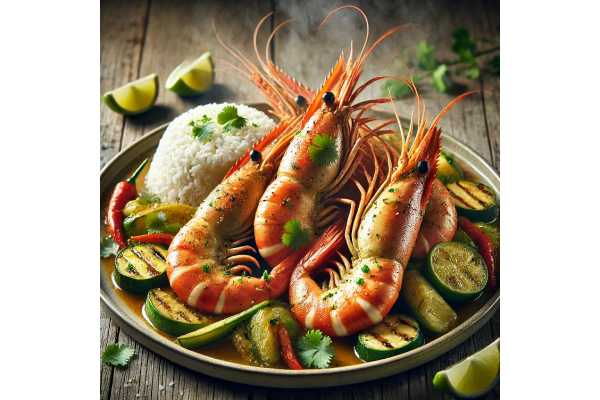
Freshwater prawn—most famously the giant river prawn (Macrobrachium rosenbergii)—offers a clean, sweet flavor, a firm bite, and lean, nutrient-dense protein. Popular across South and Southeast Asia, it’s grilled over charcoal, simmered in coconut curries, tossed into stir-fries, or served simply with citrus and herbs. Compared with many finfish, freshwater prawn is very low in fat yet delivers substantial selenium and vitamin B12 along with quality protein per 100 g. Its omega-3 content is modest but meaningful, and it cooks in minutes, making it a practical option for weekday meals. Responsible aquaculture has expanded access year-round; meanwhile, shoppers still benefit from understanding how to assess freshness, read labels, and store prawns safely. This guide distills what matters most: a detailed per-100-g nutrition profile, evidence-based benefits and risks (including allergy), how to buy and store well, and cooking methods that preserve flavor and nutrients while keeping sodium and calories in check.
Nutrition Snapshot
- Lean, high-protein seafood with notable selenium and vitamin B12 per 100 g.
- Allergy caveat: crustacean allergy (tropomyosin) can be severe; avoidance is required if diagnosed.
- Typical serving: 100–150 g cooked, enjoyed 1–3 times weekly within a varied low-mercury seafood pattern.
- People who are pregnant, breastfeeding, or feeding young children should choose trusted low-mercury sources and fully cook.
Table of Contents
- Freshwater Prawn: Detailed Overview
- Freshwater Prawn Nutrition Profile
- Freshwater Prawn Health Benefits
- Risks, Allergies and Interactions
- Selecting, Quality, Sustainability and Storage
- Preparation, Cooking and Nutrient Retention
- Portions, Comparisons and FAQs
Freshwater Prawn: Detailed Overview
Freshwater prawns are crustaceans that thrive in rivers, lakes, and estuaries; the most common table species is the giant river prawn (Macrobrachium rosenbergii). These prawns tolerate a range of salinities during their life cycle—larvae develop in brackish water, juveniles migrate upstream, and adults live mainly in freshwater. From a cook’s perspective, they behave like large shrimp: shells turn coral when heated, flesh firms quickly, and the tail meat has a mild, sweet taste that pairs well with aromatic herbs, citrus, garlic, ginger, chiles, and coconut milk.
Culinary forms include whole prawns (head-on or head-off), peeled and deveined tails, and frozen raw or cooked. Head-on prawns supply flavorful tomalley that enriches broths and sauces; it’s delicious, but the head is more perishable than the tail, so freshness matters. Freshwater prawn meat is naturally lean, so it excels in fast, gentle cooking: poaching, steaming, stir-frying, or quick grilling. High heat for too long toughens the meat and discourages juiciness. The shells, heads, and legs make a superb stock—light in color but rich in umami—suitable for soups, risottos, and noodle dishes.
Nutritionally, freshwater prawn sits in the “lean seafood” group. A typical raw 100 g portion provides roughly 85–100 kcal, 20–24 g of complete protein, and less than 1 g of total fat. Cholesterol is relatively high compared with most fish, but saturated fat is minimal. Minerals are a strength: selenium is consistently robust per 100 g, alongside phosphorus, zinc, and modest iron. B vitamins—especially vitamin B12 and niacin—feature prominently. Omega-3s (EPA + DHA) are present in small amounts, which still contribute to total weekly intake when combined with oily fish elsewhere in the diet.
Sustainability and quality vary by production system. Prawn aquaculture is widespread in South and Southeast Asia; responsible farms manage feed and effluent carefully and avoid banned antibiotics. Consumers can ask for country of origin, harvest or thaw date, and whether the prawns were farmed under third-party standards. Proper handling—fast chilling after harvest, frozen storage at −18 °C or below, and careful thawing—preserves texture and flavor.
Bottom line: freshwater prawn is a convenient, protein-dense seafood that’s easy to cook, versatile in global cuisines, and a smart addition to a balanced seafood routine—especially when you pair it with one to two weekly servings of oily fish to round out omega-3 intake.
Freshwater Prawn Nutrition Profile
All values are per 100 g raw edible portion unless noted. Percent Daily Values (%DV) use adult reference intakes (2,000 kcal; protein 50 g; total fat 78 g; saturated fat 20 g; carbohydrate 275 g; sodium 2,300 mg; potassium 4,700 mg; calcium 1,300 mg; iron 18 mg; zinc 11 mg; selenium 55 µg; phosphorus 1,250 mg; magnesium 420 mg; vitamin A 900 µg RAE; vitamin E 15 mg; niacin 16 mg; vitamin B6 1.7 mg; vitamin B12 2.4 µg). Composition varies with species, size, season, and farming practices.
Macros and Electrolytes
| Nutrient | Amount | %DV |
|---|---|---|
| Energy (kcal) | 90 | — |
| Protein (g) | 21.0 | 42% |
| Total Fat (g) | 0.8 | 1% |
| Saturated Fat (g) | 0.2 | 1% |
| Carbohydrate (g) | 0.2 | 0% |
| Cholesterol (mg) | 150 | — |
| Sodium (mg) | 120 | 5% |
| Potassium (mg) | 260 | 6% |
| Water (g) | ~77 | — |
Protein and Amino Acids
| Component | Insight |
|---|---|
| Protein quality | Complete protein with all essential amino acids; high digestibility. |
| Leucine (g) | ~1.7 per 100 g (supports muscle protein synthesis). |
| Lysine (g) | ~2.0 per 100 g (supports tissue repair). |
| Taurine (g) | Trace–low (varies). |
Fats and Fatty Acids
| Fatty Acid | Amount (g) | Notes |
|---|---|---|
| Total Omega-3 (EPA + DHA) | ~0.20–0.35 | Modest; complements higher-omega-3 fish. |
| Omega-6 | ~0.05–0.10 | Low overall. |
| Trans Fat | 0 | Not naturally present in meaningful amounts. |
Vitamins
| Vitamin | Amount | %DV |
|---|---|---|
| Vitamin B12 (µg) | 1.1 | 46% |
| Niacin (Vitamin B3, mg) | 2.2 | 14% |
| Vitamin B6 (mg) | 0.12 | 7% |
| Vitamin A (µg RAE) | 10 | 1% |
| Vitamin E (mg) | 0.3 | 2% |
Minerals
| Mineral | Amount | %DV |
|---|---|---|
| Selenium (µg) | 40 | 73% |
| Phosphorus (mg) | 200 | 16% |
| Zinc (mg) | 1.3 | 12% |
| Iron (mg) | 0.5 | 3% |
| Magnesium (mg) | 30 | 7% |
| Calcium (mg) | 50 | 4% |
| Iodine (µg) | variable | Meaningful when prawns are from iodine-rich waters or feeds. |
Allergens and Intolerance Markers
- Major crustacean allergen: tropomyosin (heat-stable); arginine kinase and sarcoplasmic calcium-binding protein may also be relevant.
- Allergic reactions can occur even after thorough cooking. Cross-reactivity within crustaceans is common.
Contaminants/Residues
- Mercury: typically low compared with large predatory fish.
- Aquaculture residues: reputable producers test and document absence of banned antibiotics; verify supplier practices.
- Sodium: rises substantially in brined or processed prawns—check labels.
Footnote on variability: Wild vs. farmed, feed, water salinity, and post-harvest handling shift nutrient values. Ranges above reflect commonly reported values for freshwater prawns and closely related shrimp species used as dietary benchmarks.
Freshwater Prawn Health Benefits
High-protein, low-calorie nourishment
At about 90 kcal and 21 g of complete protein per 100 g, freshwater prawn delivers one of the best protein-to-calorie ratios among animal foods. That profile supports appetite control, preserves lean mass during weight loss, and helps older adults meet protein targets without excessive calories or saturated fat.
Supports heart-smart eating patterns
Dietary patterns that include seafood two to three times per week are linked to better cardiometabolic outcomes. Freshwater prawn contributes as a lean anchor: it replaces higher-saturated-fat meats and adds small amounts of omega-3s alongside potassium, magnesium, and selenium. For omega-3 sufficiency, combine prawns with one to two weekly servings of oily fish such as salmon, sardines, trout, or mackerel.
Selenium for antioxidant defenses and thyroid function
A typical 100 g portion often provides ~40 µg of selenium (about three-quarters of the Daily Value). Selenium supports the activity of glutathione peroxidases—enzymes that help protect cells from oxidative stress—and it’s essential for thyroid hormone metabolism. Regular inclusion of low-mercury seafood is a practical way for many people to meet selenium needs from food.
Vitamin B12 and niacin for energy metabolism
B12 (roughly 46% DV per 100 g) supports red blood cell formation and neurological function. Niacin participates in energy transfer reactions essential to daily metabolism. Together with adequate carbohydrate and fat intake from whole foods, these vitamins help maintain energy levels without relying on fortified products.
Digestible and versatile
Prawn’s mild flavor and quick cooking make it approachable for children and adults who dislike “fishy” tastes. That practicality helps families sustain a seafood routine over months and years—the timescale that matters for risk reduction. Because prawns cook so fast, they pair naturally with vegetables, legumes, and whole grains, improving fiber and micronutrient density across the plate.
Pregnancy and early life nutrition
When fully cooked and sourced reliably, prawns fit into low-mercury seafood guidance for pregnancy and breastfeeding. In these life stages, seafood contributes nutrients that support fetal and infant brain development (notably DHA, iodine, choline, and iron). While prawns are modest in DHA relative to oily fish, they still help build a varied seafood rotation that meets weekly targets.
Reality check on cholesterol
Prawns contain more dietary cholesterol than many fish; however, their saturated fat is very low, and for most people, overall dietary patterns and genetics influence blood lipids more than cholesterol in single foods. Those with clinician-directed dietary restrictions should follow individualized advice.
What benefits not to expect
Prawns alone won’t supply all long-chain omega-3s required for target intakes. They’re best viewed as a lean protein complement within a broader seafood plan that includes oily fish.
Risks, Allergies and Interactions
Crustacean allergy (tropomyosin)
Crustacean allergy—commonly to shrimp and prawns—often persists into adulthood and can be severe. The key allergen is tropomyosin, a heat-stable muscle protein; other contributors include arginine kinase and sarcoplasmic calcium-binding protein. Cross-reactivity across different crustaceans is frequent. Diagnosis is clinical and may include skin prick testing, serum specific IgE, component-resolved diagnostics, and—when indicated and safe—oral food challenges supervised by allergy specialists. Management centers on strict avoidance, education, and a written emergency plan; those at risk for anaphylaxis should carry prescribed epinephrine auto-injectors. People with a confirmed fish allergy are not automatically allergic to crustaceans (different allergen families), but co-sensitization can occur and should be evaluated professionally.
Microbiological safety
As with all seafood, time and temperature control are crucial. Keep prawns refrigerated at ≤4 °C, avoid cross-contamination, and cook to an internal temperature of 63 °C (145 °F) until flesh is opaque and firm. Those who are pregnant, immunocompromised, or very young should avoid raw or undercooked prawns.
Chemical contaminants
Freshwater prawns generally fall in the low-mercury category. However, locally caught prawns from contaminated waters can harbor other pollutants; follow regional advisories. In aquaculture products, responsible producers test for banned veterinary drugs; buy from suppliers who can document compliance.
Sodium in processed prawns
Some frozen prawns are soaked in brines or “phosphate solutions” to retain moisture, which can raise sodium substantially. If you monitor sodium, choose untreated products or look for “no added salt” and compare labels.
Medication and nutrient interactions
Prawns have no unique drug–nutrient interactions at usual food intakes. Those on prescription omega-3s should coordinate with clinicians about overall omega-3 intake; amounts from prawns alone are modest. Vitamin K content is low and generally not a concern for vitamin K–sensitive anticoagulants.
Shell fragments and choking
Small shell or leg fragments can cling to peeled meat. Inspect before serving to young children and older adults with swallowing difficulties.
Selecting, Quality, Sustainability and Storage
How to choose quality prawns
- Appearance: Raw prawns should look translucent to slightly opalescent, with shells free of black spots (melanosis) or yellowing. Blackening at joints suggests age.
- Odor: Clean, ocean-fresh smell; avoid ammonia or sour notes.
- Texture: Firm tail meat that springs back when pressed. Mushiness signals poor handling or thaw/refreeze cycles.
- Head-on seafood: Heads are highly perishable. If buying head-on, ensure bright eyes and a snug head-to-thorax attachment; cook the same day.
Label literacy
- Form: “P&D” = peeled and deveined; “IQF” = individually quick frozen (a good sign for texture).
- Added water/salts: Some products include brines or phosphates for moisture retention; these raise sodium and can alter texture.
- Country of origin and harvest method: Ask vendors to disclose. Responsibly managed farms maintain water quality, avoid banned antibiotics, and handle effluent.
- Previously frozen: Thawed, previously frozen prawns are fine when handled properly—use within 24 hours.
Sustainability pointers
- Freshwater prawn farming can be responsible when ponds manage effluent, protect adjacent ecosystems, and use feeds efficiently. Look for suppliers who can describe their practices, audit results, and traceability.
- Diversify your seafood choices across species and sources to reduce pressure on any single stock.
- When available, third-party certifications and cooperative fishery/aquaculture management programs can be helpful signals (though not guarantees) of better practices.
Storage and handling
- Refrigeration: Keep at ≤4 °C on a tray of ice; use within 24 hours (head-on) or 24–48 hours (tails).
- Freezing: Best at −18 °C or below in airtight packaging for up to 3 months for optimal texture. Vacuum sealing reduces freezer burn.
- Thawing: Overnight in the refrigerator is ideal. For quick thaw, submerge sealed prawns in cold water for 15–20 minutes; dry thoroughly before cooking.
- Food safety: Separate raw and ready-to-eat items and sanitize cutting boards, knives, and countertops after prep.
Buying budget-smart
- Choose frozen IQF during off-season—often better quality than “fresh” product that has traveled.
- Opt for shell-on to save money and make stock from shells and heads (freeze trimmings for later).
Preparation, Cooking and Nutrient Retention
Prawns cook in minutes; the goal is tenderness, juiciness, and minimal nutrient loss. Because water-soluble B vitamins can leach, choose methods that use short cooking times and minimal excess water.
Prep essentials
- Devein (optional): The “vein” is the digestive tract; remove for appearance and texture, especially in large prawns.
- Dry thoroughly: Patting dry helps browning and reduces spatter.
- Salt timing: Lightly salt just before cooking to avoid moisture loss; use acids (citrus, vinegar) after cooking to brighten flavor without extra salt.
- Shell decisions: Shell-on cooking protects moisture and flavor; peel after cooking if desired.
Quick, nutrient-savvy methods
- Sauté or stir-fry (4–6 minutes): Heat a teaspoon of oil per serving; cook in a single layer just until prawns curl into a loose “C.” Add aromatics off heat to preserve volatile compounds.
- Steam (3–5 minutes): Season prawns, place on a rack over simmering water, cover, and steam until opaque. Finish with olive oil, herbs, and lemon. Steaming limits vitamin losses and retains moisture.
- Poach (5 minutes): Simmer a light court-bouillon (water, bay leaf, peppercorns, parsley stems). Add prawns off the boil; rest until just opaque. Chill rapidly for salads.
- Grill (4–5 minutes): Grill shell-on over medium-high heat, turning once. Brush with a minimal glaze (e.g., lime, garlic, and a teaspoon of oil).
- Bake/roast (6–8 minutes at 220 °C): Season lightly; roast until just firm. Sheet-pan dinners pair well with high-moisture vegetables.
Flavor strategies without sodium overload
- Use citrus, chile, fresh herbs, garlic, ginger, scallion, lemongrass, or toasted spices.
- Build sauces from yogurt, ripe tomatoes, or reduced-sodium soy/tamari in small amounts.
- Add roasted nuts or seeds for texture and minerals; keep portions modest to control calories.
Roe and heads for umami
- Head tomalley and shells make a delicate stock rich in glutamates and nucleotides—use for soups, risottos, or noodle bowls. Simmer 20–30 minutes; avoid prolonged boiling to limit bitterness.
Avoid overcooking
- Perfectly cooked prawns are opaque and springy, forming a “C.” Overcooked prawns shrink and become tight “O” shapes with a rubbery bite. Pull them off the heat just before done; residual heat finishes cooking.
Leftovers and meal prep
- Chill within 2 hours; refrigerate up to 2 days. Reheat gently in a covered pan with a splash of broth or toss cold into grain bowls and salads to avoid toughness.
Three fast recipe ideas
- Ginger-scallion prawn stir-fry: Prawns, snap peas, ginger, scallion, and a touch of rice vinegar—done in 10 minutes.
- Coconut prawn curry: Sauté aromatics, add light coconut milk, simmer briefly, and add prawns at the end; serve with brown rice.
- Garlic-lemon sheet-pan prawns: Roast prawns with zucchini coins and cherry tomatoes; finish with parsley and lemon zest.
Portions, Comparisons and FAQs
Recommended portions and frequency
- Adults: 100–150 g cooked prawns per serving, 1–3 times weekly within a varied low-mercury seafood plan.
- Pregnant or breastfeeding: 110–170 g cooked per serving, 2–3 times weekly from trusted low-mercury sources; fully cook.
- Children: Offer age-appropriate portions (about 28 g at ages 1–3, 56 g at ages 4–7, 85 g at ages 8–10, and 113 g at age 11+), twice weekly from low-mercury choices.
How do freshwater prawns compare with other seafood?
- Versus salmon: Far leaner and lower in omega-3; better for low-calorie, high-protein meals. Keep at least one oily-fish serving weekly to meet EPA+DHA goals.
- Versus tilapia or cod: Similar leanness; prawns cook even faster and offer more selenium and vitamin B12 per 100 g.
- Versus mussels or clams: Bivalves provide more omega-3s and iron; prawns are easier to portion and widely available frozen.
- Versus marine shrimp: Comparable nutrition; species differences are modest. Choose based on freshness, farming practices, and price.
FAQs
Are prawns good for heart health?
Yes—within a dietary pattern emphasizing seafood, vegetables, whole grains, legumes, and unsaturated fats. Their saturated fat is minimal; combine prawns with oily fish for omega-3 adequacy.
Is cholesterol in prawns a concern?
Prawns are higher in dietary cholesterol but very low in saturated fat. For most people, overall dietary patterns and genetics drive blood lipids more than cholesterol from single foods. Follow your clinician’s advice if you have specific lipid goals.
Can I eat prawns during pregnancy?
Yes—when fully cooked and from reliable, low-mercury sources. Avoid raw prawns; refrigerate promptly; reheat thoroughly.
What about iodine?
Iodine varies with water and feed. Some prawn products contribute iodine, but oily fish and iodized salt are more consistent iodine sources.
How do I know if frozen prawns are “treated”?
Check labels for “phosphate solution,” “sodium tripolyphosphate,” or similar. These increase water retention and sodium; untreated IQF prawns have a cleaner snap and lower sodium.
Can I eat the heads or shells?
The heads add rich flavor to stocks and sauces; shells and legs are not eaten but are excellent for broth. Always cook and use promptly due to rapid perishability.
Do prawns fit a low-carb or gluten-free diet?
Yes. Prawns are naturally low in carbohydrate and gluten-free. Watch sauces and breadings for added sugars or gluten.
References
- Advice about Eating Fish | FDA 2024 (Guidance)
- EAACI guidelines on the management of IgE-mediated food allergy 2025 (Guideline)
- Diagnosis and management of shrimp allergy 2024 (Review)
- Comparison of the Proximate Composition and Nutritional Profile of Byproducts and Edible Parts of Five Species of Shrimp 2021 (Research Article)
- FAO – Macrobrachium rosenbergii 2010 (Species Fact Sheet)
Disclaimer
This article provides general nutrition and safety information and is not a substitute for personalized medical advice, diagnosis, or treatment. Always consult a qualified clinician or registered dietitian about your specific health needs, allergies, and dietary choices—especially during pregnancy, breastfeeding, or when feeding young children. If you have or suspect a crustacean allergy, seek professional evaluation and follow your emergency action plan.
If you found this guide helpful, please consider sharing it on Facebook, X (formerly Twitter), or any platform you prefer. Your support helps us continue creating clear, evidence-based nutrition resources.