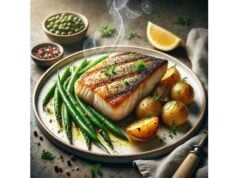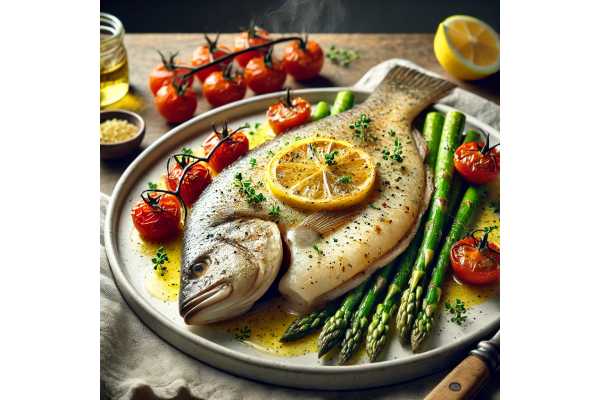
Flounder, a family of lean flatfish with sweet, delicate flesh, is a versatile choice for weeknight dinners and special occasions alike. It cooks in minutes, takes well to pan-searing or baking, and offers high-quality protein with very little saturated fat. Many wild U.S. flounder species are sustainably managed, and most are naturally low in mercury, making them a smart pick for families, athletes, and anyone aiming to eat seafood two to three times per week. Beyond its approachable flavor, flounder supplies nutrients that support heart and thyroid health—especially selenium and B vitamins. With the right selection and simple techniques, you can keep the fillets moist and flaky while preserving nutrients. This guide translates the science into everyday advice: how flounder stacks up nutritionally, its researched benefits and potential risks, how to choose quality fish, best ways to cook it, and realistic serving sizes for different goals.
Top Highlights
- Lean, high-protein fish (≈19 g protein and ≈1.2 g fat per 100 g) that fits heart-healthy eating.
- Generally low-mercury; most adults can enjoy 2–3 servings (85–113 g each) per week.
- Main caution: fish allergy can cause severe reactions; strict avoidance and an emergency plan are essential for those diagnosed.
- Typical serving: 100–150 g cooked fillet, 1–3 times weekly as part of varied seafood intake.
- People who are pregnant, breastfeeding, or serving young children should prioritize low-mercury “best choices” and follow local advisories.
Table of Contents
- Detailed Overview
- Nutrition Profile
- Evidence-Based Health Benefits
- Risks, Allergies and Interactions
- Selecting, Quality, Sustainability and Storage
- Preparation, Cooking and Nutrient Retention
- Portions, Comparisons and FAQs
Detailed Overview
Flounder refers to several flatfish species—such as summer flounder, winter flounder, arrowtooth flounder, and witch flounder—caught in cold and temperate waters. They spend adult life resting on the seafloor, which creates a flattened, asymmetric body with both eyes on one side. For cooks, the takeaway is simple: you get broad, thin fillets that cook fast and accept many flavors, from lemon and herbs to miso, garlic butter, or capers.
From a nutrition standpoint, flounder is a lean seafood choice. A 100-gram raw portion provides roughly 90 calories, about 19 grams of protein, just over 1 gram of total fat, and virtually no carbohydrate. The fat it does contain is largely unsaturated, and the fish supplies notable selenium along with niacin and vitamin B12. Many eaters choose flounder when they want the benefits of seafood without the intensity of richer species like salmon or mackerel.
Sustainability and safety also work in flounder’s favor. Several U.S. fisheries for flounder species are actively monitored with science-based catch limits and gear rules designed to reduce bycatch. On the safety side, flounder typically falls into the low-mercury category, which means most adults—and especially those who are pregnant or breastfeeding—can include it among their two to three weekly seafood servings. As with all fish, freshness matters: look for moist, translucent fillets with a clean sea smell and firm texture that springs back when pressed.
Culinary uses are broad. Because fillets are thin, flounder excels with quick, high-heat methods: pan-searing, shallow poaching, broiling, or air-frying. It’s also ideal for stuffing and baking (think crab-stuffed flounder), delicate soups, fish tacos, and steamed preparations for low-fat meals. Proper handling—keeping it cold, avoiding overcooking, and seasoning with bright acidity—brings out its best qualities.
Finally, who benefits most? People aiming to increase seafood intake for heart health; those managing calories while maintaining protein; and households wanting a mild, kid-friendly fish. Those with fish allergies must avoid it entirely, and everyone should follow food safety basics: keep raw fish chilled, prevent cross-contamination, and cook to an internal temperature of 63 °C (145 °F).
Nutrition Profile
Per 100 g raw flounder (typical values):
- Energy: ~91 kcal
- Protein: 18.8 g
- Total fat: 1.2 g
- Saturated fat: 0.28 g
- Carbohydrate: 0 g
- Cholesterol: 48 mg
- Sodium: 81 mg
- Selenium: 32.7 µg
Percent Daily Values (%DV) use standard adult targets: 2,000 kcal; total fat 78 g; saturated fat 20 g; protein 50 g; sodium 2,300 mg; selenium 55 µg. Cholesterol has no established %DV.
Macros and Electrolytes (per 100 g)
| Nutrient | Amount | %DV |
|---|---|---|
| Energy (kcal) | 91 | — |
| Protein (g) | 18.8 | 38% |
| Total Fat (g) | 1.19 | 2% |
| Saturated Fat (g) | 0.28 | 1% |
| Carbohydrate (g) | 0.0 | 0% |
| Sodium (mg) | 81 | 4% |
| Potassium (mg) | ~300–400* | — |
*Potassium varies by species and handling; many flounder samples fall in the mid-300 mg range per 100 g. Use brand- or market-specific data where available.
Vitamins (per 100 g, typical ranges)
| Vitamin | Amount | %DV |
|---|---|---|
| Niacin (Vitamin B3) | ~3–5 mg | 19–31% |
| Vitamin B12 | ~0.7–1.5 µg | 29–63% |
| Vitamin B6 | ~0.1–0.2 mg | 6–12% |
Note: B-vitamin levels vary by species (summer, winter, arrowtooth, witch) and sample.
Minerals and Trace Elements
| Mineral | Amount | %DV |
|---|---|---|
| Selenium (µg) | 32.7 | 59% |
| Phosphorus (mg) | ~180–220 | 14–17% |
| Magnesium (mg) | ~25–35 | 6–8% |
| Zinc (mg) | ~0.3–0.7 | 3–6% |
Fats and Fatty Acids
Flounder is a very lean fish. Total omega-3 content is modest compared with oily fish, but still contributes to weekly intake goals when eaten regularly. Actual EPA and DHA amounts depend on species and season; consider pairing flounder with one or two weekly portions of higher-omega-3 fish (e.g., salmon, sardines) to reliably meet EPA+DHA targets from food.
Protein and Amino Acids
Flounder provides complete, high-quality protein containing all essential amino acids. Lean fish proteins digest efficiently and can help meet daily targets for muscle maintenance, recovery, and satiety with minimal saturated fat.
Contaminants/Residues
Flounder is typically categorized among lower-mercury seafood choices. Local advisories still apply for waters affected by industrial contaminants; check regional guidance if you catch fish yourself.
Allergens & Intolerance Markers
Fish is one of the major food allergens. The principal fish allergen family (parvalbumins) is heat-stable, so cooking does not reliably reduce risk.
Label note: Flounder is not typically fortified; the values shown reflect natural composition.
Evidence-Based Health Benefits
1) Heart-smart lean protein with minimal saturated fat
Replacing some red or processed meats with lean seafood like flounder lowers saturated fat intake and can improve overall diet quality. Each 100-gram portion supplies roughly 19 grams of complete protein with only about 0.3 grams of saturated fat—helpful for people managing lipids or calories without sacrificing satiety.
2) Support for cardiovascular outcomes via seafood patterns
Consistent evidence shows that eating fish as part of a balanced diet is linked with better cardiovascular outcomes. While flounder itself is lower in omega-3s than oily fish, including it as one of two to three weekly seafood meals contributes to the broader pattern associated with reduced cardiovascular risk. Meta-analyses indicate that higher habitual fish intake corresponds to modest reductions in major cardiovascular events and deaths. Practical application: make room for both lean fish (flounder, cod, pollock) and richer omega-3 sources (salmon, sardines, trout). This “mix and match” strategy keeps meals varied and accessible while moving your average intake toward the levels studied.
3) Selenium for antioxidant and thyroid functions
A single 100-gram serving of flounder provides more than half of the daily selenium requirement. Selenium is incorporated into selenoproteins that help counter oxidative stress and support thyroid hormone metabolism. People with low dietary selenium may benefit from regular, moderate seafood intake to reach recommended intakes from food.
4) B-vitamins for energy metabolism
Flounder contributes niacin (vitamin B3), vitamin B12, and vitamin B6, which play roles in energy metabolism, nervous system function, and healthy red blood cell formation. For those with limited meat intake or higher needs, rotating lean fish like flounder helps diversify B-vitamin sources.
5) Weight-management friendly
Lean, high-protein foods increase satiety per calorie. Because flounder is low in total calories and fat yet high in protein, it fits well in calorie-controlled plans where preserving lean mass is important. It pairs nicely with fiber-rich vegetables, legumes, or whole grains to create filling meals at modest calorie counts.
6) Gentle on flavor and digestion
The mild taste and tender texture suit children and adults who shy away from “fishy” flavors, making it easier to meet weekly seafood goals. Flounder is also simple to chew and digest, which helps in older adults or during recovery from illness when appetite is reduced but protein needs remain high.
Evidence nuance
Most of the documented cardiovascular benefits relate to overall fish consumption patterns or to trials of marine omega-3s. Because flounder is lean, it should be part of a varied seafood routine rather than the only fish you eat. Combining it with at least one weekly serving of an oily fish improves your EPA+DHA intake while keeping menus affordable and approachable.
Risks, Allergies and Interactions
Mercury and serving frequency
Flounder species are generally considered low in mercury, making them “best choices” for most adults and suitable for those who are pregnant or breastfeeding when eaten 2–3 times per week in typical serving sizes (85–113 g cooked). Children can enjoy age-appropriate portions following the same low-mercury guidance. If you catch fish locally, consult your regional advisories before eating.
Fish allergy
Fish is a common cause of IgE-mediated food allergy in both children and adults. Reactions can range from hives and vomiting to anaphylaxis. The primary fish allergens (parvalbumins) are heat-stable and can persist after cooking. People with a confirmed fish allergy must strictly avoid fish and fish-derived ingredients, carry epinephrine if prescribed, and work with an allergy specialist for diagnosis and management. Cross-reactivity among fish species is frequent but not universal; some individuals react to a subset of fish. Only guided testing and, when appropriate, supervised oral food challenges can clarify individual tolerance.
Food safety
As with all seafood, improper storage can increase risk of foodborne illness. Keep flounder refrigerated at ≤4 °C, cook to an internal temperature of 63 °C (145 °F), and consume leftovers within 1–2 days. Avoid raw or undercooked fish if you are pregnant, immunocompromised, or serving young children.
Drug and nutrient considerations
Flounder is naturally low in vitamin K and unlikely to interact with anticoagulant medications through vitamin K–related mechanisms. If you take high-dose omega-3 supplements for medical reasons, discuss bleeding risk and atrial fibrillation considerations with your clinician. From food alone, these concerns are minimal.
Environmental contaminants
While commercial flounder is generally safe, contamination can vary by water body. This matters most for self-caught fish from polluted waters. Follow local guidance to limit exposure to persistent pollutants.
Sodium and seasoning
The fish itself is modest in sodium; most sodium comes from added salt or sauces. If you are limiting sodium, opt for citrus, herbs, and spice rubs instead of salty marinades or breading.
Selecting, Quality, Sustainability and Storage
How to choose fresh flounder
- Appearance: Fillets should look moist and glossy with translucent, slightly pink-white flesh. Avoid dry edges or browning.
- Smell: Clean, briny sea aroma; not fishy or sour.
- Texture: Firm and elastic—press gently; it should spring back.
- Skin-on fillets: Skin should be clean without slime; scales, if present, should be tight.
Sustainability pointers
- Many U.S. flounder fisheries employ science-based quotas, gear restrictions, and monitoring. When buying, look for country of origin labeling; U.S. wild-caught options are often strong sustainability picks.
- Third-party guides rate specific species and gear types; hand-line or hook-and-line fisheries commonly score well.
- Farmed flatfish are less common in typical retail channels; when available, check for certifications and country of origin.
Storage and handling
- Refrigeration: Store on ice or the coldest shelf (≤4 °C) and cook within 1–2 days.
- Freezing: For best quality, wrap tightly (plastic + freezer paper or vacuum seal). Freeze at −18 °C or colder for up to 3 months for peak texture. Thaw overnight in the refrigerator.
- Cross-contamination: Use separate cutting boards for raw seafood; wash hands, knives, and surfaces with hot, soapy water.
- Marinating: Acidic marinades (lemon, lime, vinegar) tenderize fast. Limit to 15–30 minutes to prevent the surface from turning mushy.
Labeling tips
- Look for species names (e.g., “summer flounder,” “arrowtooth flounder”). If the label just says “flounder,” ask your fishmonger which species it is—useful for sustainability choices and cooking expectations.
- Check “previously frozen” labels; quality is often excellent if handled well. Previously frozen fillets can be refrozen once if kept cold and unopened.
Preparation, Cooking and Nutrient Retention
Flounder’s thin fillets cook quickly, which helps retain heat-sensitive vitamins and minimizes moisture loss. The main risk is overcooking. Use these methods to keep fillets juicy and flavorful while preserving nutrients.
1) Pan-sear (5–7 minutes total)
Pat fillets dry, season with salt, pepper, and a dusting of flour if desired. Sear in a lightly oiled skillet over medium-high heat, 2–3 minutes per side, until opaque and just flaking. Finish with lemon and herbs. This method limits added fat and keeps B-vitamins and selenium intact.
2) Bake or air-fry (8–12 minutes)
Bake at 200 °C (400 °F) or air-fry at 190 °C (375 °F). Brush with olive oil, add paprika, garlic, and citrus zest. Thin fillets reach 63 °C (145 °F) quickly; start checking at 8 minutes. Baking minimizes oxidation of delicate fatty acids and avoids breading’s extra sodium if you keep seasonings simple.
3) Steam or shallow-poach (6–10 minutes)
Cook gently in a shallow pan with a splash of white wine, broth, or citrus water. Aromatics (thyme, dill, peppercorns) infuse flavor without added fat or salt. Lower temperatures help preserve moisture and reduce nutrient loss into cooking liquids; spoon juices back over fillets before serving.
4) Stuff and bake (15–20 minutes)
For crab-stuffed flounder, layer a thin filling along the center, roll, and secure. Bake until the thickest part reaches 63 °C (145 °F). Choose a filling rich in vegetables and aromatics to add fiber and micronutrients without excess calories.
Retention tips
- Avoid overcooking: Pull fillets when they turn opaque and flake with gentle pressure.
- Gentle heat, short time: Preserves water-soluble B-vitamins.
- Smart fats: A teaspoon of olive oil or a small knob of butter adds flavor with modest calories; finish with lemon to brighten.
- Low-sodium flavor: Use fresh herbs, citrus, pepper, smoked paprika, mustard powder, or capers (rinsed) instead of heavy sauces.
- Batch prep: Cook extra for next-day salads or tacos; chill quickly and store ≤2 days.
Simple meal ideas
- Pan-seared flounder with lemon-caper parsley over steamed potatoes and green beans.
- Miso-ginger baked flounder with brown rice and sesame-roasted broccoli.
- Fish tacos with cabbage slaw, avocado, and lime yogurt sauce.
- Mediterranean tray bake: flounder, cherry tomatoes, olives (rinsed), zucchini, oregano.
Portions, Comparisons and FAQs
Recommended portions and frequency
- Adults: 100–150 g cooked flounder per serving, 1–3 times weekly as part of a varied seafood pattern.
- Pregnant or breastfeeding: Choose low-mercury options (flounder qualifies) for 2–3 servings per week; keep individual portions around 110–170 g cooked.
- Children: Offer age-appropriate portions (e.g., 28–56 g for toddlers, 56–85 g for school-age children), adjusting for appetite and overall diet.
How does flounder compare to other fish?
- Versus salmon: Flounder is leaner, milder, and lower in calories; salmon provides much more EPA and DHA. Use flounder for light meals and salmon or sardines to meet omega-3 goals.
- Versus cod/pollock: Very similar in leanness and flavor; choose based on freshness, price, and sustainability.
- Versus tilapia: Comparable protein and calories, but tilapia is often farmed; flounder is commonly wild-caught in U.S. waters. Flavor is slightly sweeter and more delicate in flounder.
- Versus scallops/shrimp: Those shellfish are also lean high-protein options but carry shellfish allergen risks; fish and shellfish allergies are distinct.
FAQs
Is flounder good for heart health?
Yes, especially as part of a pattern of eating fish 1–4 times weekly. Flounder contributes lean protein and small amounts of marine fats; pair it with at least one oily fish serving each week for optimal omega-3 intake.
Is flounder safe in pregnancy?
Generally yes. It is typically low in mercury, so it fits within recommendations for two to three seafood servings weekly. Stick to well-cooked preparations and trusted sources.
What about bones and pin-bones?
Flatfish are usually sold as boneless fillets, but run your fingers along the center line and remove any remaining pin-bones with tweezers before cooking.
How do I keep flounder from falling apart?
Start with dry fillets, preheat the pan, sear undisturbed until a golden crust forms, and flip once. A light flour dusting improves cohesion without heavy breading.
Can I meal-prep flounder?
Because the fillets are thin, they reheat quickly but can dry out. Cook slightly under, chill fast, and reheat gently (low oven or covered skillet) with a splash of broth or lemon butter.
What should I do if I suspect a fish allergy?
Stop eating fish and seek evaluation by an allergy specialist. Diagnosis may include history, skin or blood testing, and, if safe and necessary, a supervised oral food challenge. People with confirmed fish allergy should carry prescribed epinephrine.
References
- Advice about Eating Fish 2024 (Guidance)
- Summer Flounder: Seafood 2024 (Nutrition and Sustainability)
- Effect of omega-3 fatty acids on cardiovascular outcomes 2021 (Systematic Review and Meta-analysis)
- EAACI guidelines on the management of IgE-mediated food allergy 2024 (Guideline)
Disclaimer
This article is for general education and is not a substitute for personalized medical advice, diagnosis, or treatment. Always consult your healthcare professional about your specific health needs, allergies, pregnancy or breastfeeding questions, and before making significant dietary changes or starting supplements.
If you found this guide helpful, please consider sharing it with friends or colleagues on Facebook, X (formerly Twitter), or any platform you prefer. Your support helps us continue creating clear, evidence-based resources.