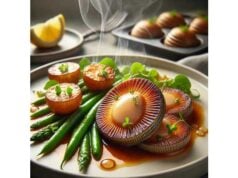
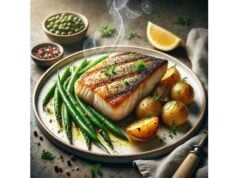
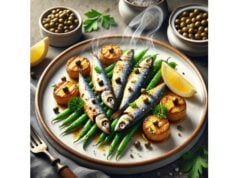
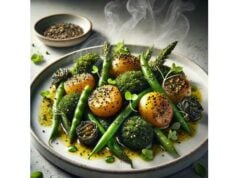
Conch is a lean, meaty marine snail prized across the Caribbean for its satisfyingly firm texture and sweet, clean flavor. Whether sliced thin for Bahamian-style salad, pounded for tender fritters, or simmered into chowders and curries, conch offers high-quality protein with very little fat, meaningful amounts of magnesium and selenium, and a standout supply of vitamin B12. It cooks quickly, plays well with citrus and chiles, and takes to marinating and quick-searing like a pro. Because queen conch is now protected in many regions, choosing legally sourced products matters; so does safe handling, since raw shellfish can carry harmful bacteria. This guide walks you through conch’s nutrition profile, evidence-backed benefits, risks and allergens, how to select and store it responsibly, and the best ways to prepare it while preserving nutrients and flavor. If you love versatile seafood that is lean yet flavorful, conch deserves a thoughtful spot on your menu.
Fast Facts
- Lean, high-protein seafood with notable vitamin B12, magnesium, and selenium per 100 g cooked.
- Raw preparations carry a risk of Vibrio infection; cook thoroughly if you are at higher risk.
- Typical serving: 85–100 g cooked (3–3.5 oz); enjoy 1–2 times per week within varied seafood choices.
- People who should limit or avoid: shellfish-allergic individuals; those who are pregnant or immunocompromised should avoid raw conch.
Table of Contents
- Conch: Origins and Overview
- Conch Nutrition Profile
- Evidence-Based Benefits of Conch
- Risks, Allergies and Interactions
- Selecting, Quality, Sustainability and Storage
- Cooking Conch and Retention
- Portions, Comparisons and FAQs
Conch: Origins and Overview
Conch is the common culinary name for several large marine gastropods, most famously the queen conch found throughout the Caribbean. In kitchens, “conch” typically refers to the white adductor muscle and surrounding meat. The hallmark texture is pleasantly chewy—similar to calamari or abalone—yet it becomes tender when properly pounded, marinated, or slow-simmered. Its mild, slightly sweet flavor adapts to bright, acidic dressings and bold aromatics (lime, Scotch bonnet, garlic, scallion), making it a staple in salads, fritters, ceviche-style dishes (where permitted and safe), chowders, and stews.
Nutritionally, cooked conch is a lean protein with very low saturated fat, trace carbohydrates, and a spectrum of micronutrients. It is especially notable for vitamin B12—important for red blood cell formation and neurological function—and for minerals such as magnesium, phosphorus, zinc, copper, and selenium. Like many marine foods, conch also contributes long-chain omega-3 fatty acids (EPA and DHA) in modest amounts compared with fatty fish.
From a sustainability perspective, queen conch populations have experienced heavy fishing pressure. In some jurisdictions, queen conch is protected and trade is controlled; legal, traceable sourcing is essential. Responsible buyers choose vendors that comply with harvest quotas, size limits, and closed seasons, and that can verify origin.
Culinarily, the main challenge is texture. The best results come from either fast, high-heat cooking (to prevent over-toughening) or low-and-slow moist methods. Mechanical tenderizing (light pounding), thin slicing across the grain, and marinating with salt and acid help break down connective tissues. Because raw shellfish can carry Vibrio bacteria, thoroughly cooking conch is the safest choice—especially for people at higher risk of severe illness.
If you are new to conch, start with a quick sauté in garlic-lime butter, a Bahamian-inspired salad using thoroughly cooked and chilled slices, or classic fritters. For a lighter, nutrient-forward approach, pair cooked conch with citrus, herbs, and crunchy vegetables, and serve with whole grains to round out the plate.
Conch Nutrition Profile
Serving basis: cooked conch, baked or broiled, per 100 g unless noted. Values reflect typical compositional data for conch meat; exact amounts vary by species, habitat, and cooking method.
Daily Values (%DV) follow current U.S. labeling standards where applicable.
Macros and Key Electrolytes (per 100 g)
| Nutrient | Amount | %DV |
|---|---|---|
| Energy | 130 kcal | — |
| Protein | 26.3 g | —* |
| Total Fat | 1.2 g | 2% |
| Saturated Fat | 0.37 g | 2% |
| Carbohydrate | 1.7 g | 1% |
| Fiber | 0 g | 0% |
| Cholesterol | 65 mg | — |
| Sodium | 153 mg | 7% |
| Potassium | 163 mg | 3% |
| Water | ~73 g | — |
*Protein %DV is not required unless a protein quality claim is made; conch provides high-quality complete protein.
Fats and Fatty Acids (per 100 g)
| Fatty Acid | Amount |
|---|---|
| Monounsaturated Fat | 0.33 g |
| Polyunsaturated Fat | 0.27 g |
| Omega-3 EPA | ~0.05 g |
| Omega-3 DHA | ~0.07 g |
Vitamins (per 100 g)
| Vitamin | Amount | %DV |
|---|---|---|
| Vitamin B12 (Cobalamin) | ~5.3 µg | ~220% |
| Folate (DFE) | ~179 µg | 45% |
| Vitamin E (Alpha-tocopherol) | ~6.3 mg | 42% |
| Vitamin B1 (Thiamin) | 0.06 mg | 5% |
| Vitamin B2 (Riboflavin) | 0.08 mg | 6% |
| Niacin (B3) | 1.0 mg | 6% |
| Vitamin B6 (Pyridoxine) | 0.06 mg | 4% |
| Vitamin A (RAE) | ~7 µg | 1% |
| Vitamin C | 0 mg | 0% |
| Vitamin D | 0 µg | 0% |
| Vitamin K | 0.2 µg | 0% |
| Choline | ~81 mg | 15% |
Minerals (per 100 g)
| Mineral | Amount | %DV |
|---|---|---|
| Magnesium | ~238 mg | 57% |
| Phosphorus | ~217 mg | 17% |
| Calcium | ~98 mg | 8% |
| Zinc | ~1.7 mg | 15% |
| Copper | ~0.43 mg | 48% |
| Iron | ~1.4 mg | 8% |
| Selenium | ~40 µg | 73% |
Notes on variability and fortification
- Data represent cooked conch meat without breading or sauces.
- Micronutrients can be sensitive to heat and leaching; retention depends on cooking time, method, and whether juices are consumed.
- Conch is not typically fortified; values reflect natural composition.
Bottom line: Per 100 g cooked, conch delivers ~26 g complete protein with very low saturated fat, exceptional vitamin B12, meaningful magnesium and selenium, and useful amounts of phosphorus, zinc, copper, and choline—all with only ~130 kcal.
Evidence-Based Benefits of Conch
1) High-quality protein for muscle maintenance
Conch provides ~26 g of complete protein per 100 g cooked, supporting muscle protein synthesis, repair, and satiety with minimal fat. For people targeting higher protein intakes without excessive calories or saturated fat, conch functions like a lean “white meat of the sea.” Its amino acid pattern complements plant proteins in mixed meals.
2) Outstanding vitamin B12 for blood and nerve health
Vitamin B12 facilitates red blood cell production and supports myelin integrity and cognitive function. Conch supplies ~5.3 µg per 100 g—around double the adult Daily Value—making it a practical whole-food option to maintain B12 sufficiency, especially for individuals who limit red meat. Adequate B12 also helps keep homocysteine in check, which is relevant to cardiovascular and neurological health.
3) Magnesium-rich support for energy metabolism and muscle function
At ~238 mg per 100 g (~57% DV), conch is unusual among animal foods for its magnesium density. Magnesium is a cofactor in hundreds of enzymatic reactions, including ATP metabolism and muscle contraction. Diets that undershoot magnesium are common; conch can help close the gap.
4) Selenium, zinc, copper, and immune resilience
Conch delivers selenium (~40 µg, ~73% DV), zinc (~1.7 mg, 15% DV), and copper (~0.43 mg, 48% DV) per 100 g. Selenium participates in antioxidant defenses (glutathione peroxidases), zinc is essential for immune cell function and wound healing, and copper supports iron metabolism and connective tissue enzymes. Together with B12 and choline, this mineral profile contributes to metabolic and neurologic wellbeing.
5) Modest omega-3 contribution
While not a fatty fish, conch still contributes marine omega-3s (EPA and DHA) in small amounts. These long-chain fatty acids are incorporated into cell membranes, supporting normal cardiovascular and neurocognitive function. Using conch alongside weekly servings of oily fish creates an omega-3-smart seafood pattern.
6) Weight- and cardio-friendly nutrient density
At ~130 kcal per 100 g, with high protein and low saturated fat, conch aligns with heart-forward and weight-management strategies. Protein increases satiety and diet-induced thermogenesis; when conch replaces more energy-dense meats or refined carbohydrates, it can help moderate caloric intake without sacrificing satisfaction.
Practical applications
- Active adults: post-workout stir-fries or tacos using thin-sliced, quickly seared conch supply protein without heavy fat.
- Mediterranean-style eating: pair cooked conch with olive oil, tomatoes, herbs, and whole grains to diversify marine protein sources.
- Lower-carb patterns: use conch in lettuce cups or vegetable-forward chowders for a high-protein, lower-carb entrée.
Risks, Allergies and Interactions
Shellfish allergy
Conch is a mollusk. People with known shellfish allergies should avoid conch unless a healthcare professional has confirmed tolerance to mollusks specifically. Cross-contact in kitchens that handle other shellfish is common.
Raw and undercooked conch safety
Like oysters and other raw shellfish, raw or undercooked conch can carry Vibrio bacteria. Most infections cause gastrointestinal illness; Vibrio vulnificus can be life-threatening, particularly for people with chronic liver disease, diabetes, immune suppression, hemochromatosis, or low stomach acid. Thorough cooking (e.g., to 63–74°C/145–165°F internal for several minutes) dramatically reduces risk. High-pressure processing can reduce bacterial load but does not guarantee sterility.
Pregnancy, breastfeeding, and children
Seafood is encouraged for its nutrients, but raw shellfish is not. During pregnancy and for young children, serve fully cooked conch. Mercury exposure is generally lower in mollusks than in many predatory fish, but because specific lists may not include conch, rotate a variety of clearly low-mercury choices and follow local advisories when relevant.
Purines and gout
Conch, like many animal proteins, contains purines. People with gout who are sensitive to purine-rich foods should moderate portion size and frequency and prioritize overall gout management (uric acid–lowering therapy when prescribed, hydration, weight management, and dietary pattern).
Sourcing and legal considerations
In many places, queen conch is protected; illegal harvesting and trade exist. Buying from reputable vendors that comply with regulations protects both consumers and wild populations. When traveling, heed local rules; avoid purchasing meat or shells of questionable origin.
Medication interactions
There are no common drug–conch interactions. However, people on iron or copper restrictions should account for conch’s mineral content; those on sodium-limited diets should consider recipe ingredients (broths, sauces) more than the conch itself, which is naturally modest in sodium.
Foodborne illness prevention
- Keep cold: store at 0–4°C (32–39°F) and use within 1–2 days or freeze promptly.
- Avoid cross-contamination with ready-to-eat foods.
- Cook thoroughly; discard any shellfish with off odors.
- When in doubt about raw dishes, cook first, then cool and dress “ceviche-style.”
Selecting, Quality, Sustainability and Storage
Quality cues
- Appearance: translucent to opaque white flesh, free of gray or yellow discoloration. Trim off any dark or tough connective tissue before cooking.
- Aroma: clean and ocean-fresh; avoid sour, ammonia, or “fishy” smells.
- Texture: firm and springy when raw, not mushy.
- Packaging: for frozen conch, look for minimal ice crystals and no signs of thaw-refreeze (e.g., clumping, freezer burn).
Sustainability and legality
- Know the species and origin: “Conch” on labels may include different species; queen conch is heavily regulated. Favor sellers that document source waters, harvest method, and permits.
- Trade controls: In many regions, queen conch harvests are seasonal and size-limited; international trade is monitored. Responsible purchasing helps conserve wild stocks and supports legal fisheries.
- Aquaculture potential: Emerging conch aquaculture and hatchery-assisted restocking exist in some locales; if available and verified, these can reduce pressure on wild populations.
Storage and shelf life
- Refrigerated: 1–2 days at 0–4°C (32–39°F). Store raw conch in a covered container on ice in the coldest part of the refrigerator.
- Frozen: up to 3 months at −18°C (0°F) for best quality. Thaw overnight in the refrigerator (not on the counter) or under cold running water in a sealed bag.
- Cooked leftovers: 2–3 days refrigerated. Chill quickly in shallow containers.
- Marinated preparations: Marinate in the refrigerator and limit acid times to preserve texture; discard used marinade or boil it before reusing.
Environmental tips
- Reduce waste by using trimmings to enrich broths (strain well).
- If purchasing shells, ensure they are legally acquired and not collected from protected areas.
How to ask vendors the right questions
- “What species is this?”
- “Where and how was it harvested?”
- “Do you have harvest permits or traceability records?”
- “How long has it been thawed (if previously frozen)?”
Cooking Conch and Retention
Tenderness strategy
Conch muscle is dense and can toughen if cooked haphazardly. Use one of three approaches:
- Quick and hot: Thinly slice across the grain, pat dry, salt lightly, and sear 45–90 seconds per side in a very hot pan.
- Low and slow: Gentle stewing or pressure-cooking in a flavorful broth until fork-tender (often 45–90 minutes depending on cut).
- Mechanical prep + quick finish: Lightly pound to even thickness, marinate briefly with salt, aromatics, and acid, then flash-grill or sauté.
Flavor pairings that work
- Bright: lime, orange, mango, tomato, cucumber, cilantro, mint.
- Bold: garlic, scallion, Scotch bonnet (use carefully), ginger.
- Umami: fish sauce, miso, anchovy, tomato paste.
- Fats: olive oil or butter help carry flavor and improve mouthfeel.
Nutrient retention tips
- Water-soluble vitamins (notably B vitamins) are heat- and water-sensitive. To better retain them:
- Prefer steaming, pressure-steaming, or quick sautéing over prolonged boiling.
- If simmering, serve the broth (soups, chowders) to capture leached nutrients.
- Cut larger pieces and cook only until just tender to reduce surface area and time.
- Mineral retention improves when cooking liquids are consumed.
- Omega-3s are relatively stable in quick, moist heat; avoid repeated high-heat refrying.
Simple, reliable methods
- Garlic-Lime Sauté (10 minutes):
- Pound or thinly slice conch. 2) Pat dry and season with salt and pepper.
- Sear in a hot pan with a small amount of oil for 1–2 minutes total.
- Add minced garlic for 20–30 seconds; deglaze with lime juice and a knob of butter; finish with chopped cilantro.
Result: tender, bright, and high nutrient retention due to short heat exposure.
- Island-Style Conch Chowder (make-once-eat-twice):
Sweat onion, celery, bell pepper; add tomato paste, thyme, and allspice. Stir in diced potatoes, low-sodium stock, and chopped conch. Simmer gently until conch is tender. Finish with a splash of citrus. Tip: keep the simmer gentle to protect texture and retain more micronutrients in the broth. - Conch Fritters (occasional treat):
Use small amounts of batter, fold in minced conch, pepper, onion, and herbs; fry at a stable temperature and drain well. Pair with a crisp salad; keep portions modest due to added fat and sodium.
Food safety checkpoints
- Cook to an internal temperature that ensures doneness (aim for firm-opaque flesh).
- Avoid “ceviche-style” raw conch unless it has been fully cooked first and then cooled before dressing; acid alone does not reliably kill pathogens.
- Refrigerate within 2 hours (1 hour if above 32°C/90°F).
Portions, Comparisons and FAQs
How much is a serving?
A practical cooked portion is 85–100 g (3–3.5 oz). That yields roughly 22–26 g protein with ~110–130 kcal. Athletes or larger individuals may choose 125–150 g (4.5–5.3 oz).
How often can I eat conch?
Within a varied seafood pattern, 1–2 servings per week is a sensible cadence for most healthy adults. During pregnancy and for children, prioritize fully cooked preparations and rotate among clearly low-mercury seafood choices. Because conch is a mollusk not always listed on national charts, treat it as an occasional option and diversify your seafood basket.
How does conch compare with other seafood?
| 100 g cooked | Calories | Protein | Total Fat | Vitamin B12 | Magnesium | Selenium |
|---|---|---|---|---|---|---|
| Conch | ~130 kcal | ~26 g | ~1.2 g | ~5.3 µg | ~238 mg | ~40 µg |
| Shrimp | ~99 kcal | ~24 g | ~0.3 g | ~1.1 µg | ~34 mg | ~38 µg |
| Scallops | ~111 kcal | ~23 g | ~0.8 g | ~1.6 µg | ~44 mg | ~24 µg |
| Salmon (farm-raised, Atlantic) | ~206 kcal | ~22 g | ~13 g | ~3.2 µg | ~29 mg | ~36 µg |
Key takeaways from the comparison
- Conch is leaner than salmon and similar in protein density to shrimp and scallops.
- Conch’s magnesium content is unusually high for an animal food.
- All listed seafoods contribute selenium; conch and shrimp are comparable here.
- Salmon remains the omega-3 heavyweight; pair conch with oily fish during the week.
Is conch low in carbohydrates and suitable for low-carb diets?
Yes. Conch contains ~1.7 g carbohydrates per 100 g cooked. Recipes determine total carbs—watch batters, breads, and sweet sauces.
Does pounding or marinating reduce nutrition?
Mechanical tenderizing does not meaningfully change nutrient content. Acidic marinades do not “cook” safely; they may slightly affect B-vitamin stability at the surface if marinated for long periods. Keep marinating times moderate (15–60 minutes refrigerated) and cook thoroughly.
What about cholesterol?
Conch contains dietary cholesterol (~65 mg/100 g). For most people, overall dietary pattern—especially saturated fat intake—has a larger effect on blood cholesterol than cholesterol from lean seafood. Discuss personalized targets with your clinician if you have hypercholesterolemia.
Who should avoid raw conch?
Anyone at higher risk for severe illness (liver disease, immune suppression, diabetes, hemochromatosis), people who are pregnant, and children should not eat raw shellfish. Choose cooked options instead.
Budget and availability tips
- Buy frozen conch meat from reputable vendors; quality can be excellent and cost-effective.
- Tenderize at home and use flavorful broths to stretch smaller amounts in soups or stews.
- If conch is expensive or unavailable, scallops, squid (calamari), or firm white fish can approximate texture or function in many recipes.
References
- Nutrition Facts for Baked Conch 2019–2025 (Data tool)
- About Vibrio Infection | Vibrio Infection | CDC 2024 (Guidance)
- Advice about Eating Fish | FDA 2024 (Guidance)
- Queen Conch | NOAA Fisheries 2025 (Species status)
- Loss of vitamin B(12) in fish (round herring) meats during various cooking treatments. 2011 (Study)
Disclaimer
The information in this article is for educational purposes only and is not a substitute for personalized medical advice, diagnosis, or treatment. Seafood choices and preparation methods should be tailored to your health status, life stage (including pregnancy), allergies, and guidance from your healthcare professional. Always follow local food safety advisories and purchase seafood from reputable sources.
If you found this guide helpful, please consider sharing it on Facebook, X, or your favorite platform to support our work in creating clear, evidence-based nutrition resources. Thank you.