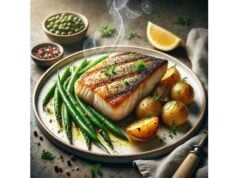
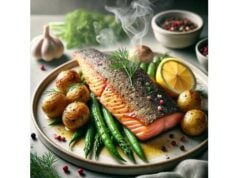
Catfish is a mild, versatile white fish that fits weeknight cooking and budget-friendly meal planning. It delivers complete protein, potassium, and phosphorus with relatively little saturated fat. U.S.-farmed channel and blue catfish are widely available, sustainably raised, and consistent in quality. Whether you pan-sear a fillet with lemon and herbs, oven-bake “blackened” spice-rubbed pieces, or simmer chunks in a tomato-based stew, catfish cooks quickly and adapts to many cuisines. A typical portion offers meaningful nutrition for heart, muscle, and metabolic health, while its neutral flavor makes it popular with kids and adults alike. Safety-wise, catfish is generally a “low-mercury” choice, especially when farmed. Still, proper handling, doneness, and smart sourcing matter—particularly if you catch your own fish locally. This guide walks you through the benefits, detailed nutrition data, evidence-based safety, smart shopping and storage, and the best cooking methods to keep nutrients high and off-flavors low.
Top Highlights
- Provides about 18 g complete protein and modest fat per 100 g cooked.
- Generally low in mercury; cook to 63 °C/145 °F for safety.
- Typical serving: 113–140 g cooked (4–5 oz), enjoyed 2–3 times weekly.
- People who are pregnant should follow “best choice” portions and local advisories.
- Anglers eating local freshwater catches should check PFAS/mercury advisories.
Table of Contents
- Catfish: What to Know
- Catfish Nutrition Profile
- Catfish Health Benefits
- Risks, Allergies and Interactions
- Buying, Quality, Sustainability and Storage
- Cooking Methods and Nutrient Retention
- Portions, Comparisons and FAQs
Catfish: What to Know
Catfish refers to a diverse group of whisker-barbel freshwater fish, with channel catfish and blue catfish the most common in North America. In markets, you’ll usually find U.S.-farmed fillets, which offer consistent texture, mild flavor, and predictable nutrition. Because the fish are raised on controlled feed and water systems, farmed catfish tend to be leaner and more uniform than wild river fish. That said, wild catfish—often larger and stronger-flavored—remain a valued option for anglers and regional cuisines.
Nutritionally, cooked catfish provides complete protein with essential amino acids, plus minerals including potassium and phosphorus that support muscle contraction, fluid balance, and bone health. The fat profile is modest, with some unsaturated fats. Catfish is not among the highest omega-3 sources compared with salmon or sardines, but it still contributes to weekly totals, especially if you eat fish two to three times per week alongside higher-omega-3 species.
From a safety perspective, catfish is typically categorized as a low-mercury species when farmed or purchased commercially. The main safety levers the home cook controls are handling, refrigeration, cross-contamination prevention, and proper doneness. When harvesting locally, there’s an added layer: site-specific advisories for mercury or per- and polyfluoroalkyl substances (PFAS) can vary by water body. Observing local guidance protects frequent fishers and families who share their catch.
Culinarily, catfish excels because it browns well, flakes gently once opaque, and tolerates bold spices. Southern-style cornmeal crusts, Vietnamese caramelized fish (cá kho), Cajun blackening, and Mediterranean tomato-olive braises are all at home with catfish. To reduce occasional “muddy” or earthy notes in wild fish, cooks often soak fillets briefly in milk or buttermilk, trim dark lateral fat, and choose quick, high-heat methods.
Finally, sustainability is a strong point for U.S. farmed catfish. Domestic aquaculture follows strict feed, water, and traceability standards, and the industry supports regional economies. For shoppers, this means you can usually buy fresh or frozen fillets year-round with confidence in both quality and environmental stewardship.
Catfish Nutrition Profile
The tables below present nutrient values for cooked catfish (per 100 g, dry-heat) with percent Daily Value (%DV) where applicable. Actual values vary by species (channel vs. blue), feed, and fat content; farmed fish tend to be more uniform. Use these numbers as a practical baseline for menu planning.
Macros & Electrolytes (per 100 g cooked)
| Nutrient | Amount | %DV |
|---|---|---|
| Energy | 144 kcal | — |
| Water | ~73 g | — |
| Protein | 18.4 g | 37% |
| Total Fat | 7.2 g | 9% |
| Saturated Fat | 1.6 g | 8% |
| Monounsaturated Fat | ~2.9 g | — |
| Polyunsaturated Fat | ~1.7 g | — |
| Cholesterol | ~66 mg | — |
| Sodium | ~119 mg | 5% |
| Potassium | ~366 mg | 8% |
Carbohydrates
| Nutrient | Amount | %DV |
|---|---|---|
| Total Carbohydrate | 0 g | 0% |
| Fiber | 0 g | 0% |
| Total Sugars | 0 g | — |
Protein & Amino Acids
Catfish provides complete protein with all essential amino acids. A 100 g portion supplies ~18 g protein; a 4–5 oz cooked serving (113–140 g) provides roughly 20–26 g. This supports muscle maintenance, satiety, and recovery when paired with strength and endurance training.
Fats & Fatty Acids
Catfish is moderately lean. It contains a mix of mono- and polyunsaturated fats. Omega-3 levels are lower than in fatty fish (e.g., salmon), but contribute to weekly intake, particularly when combined with higher-omega-3 meals across the week.
Vitamins (per 100 g cooked)
| Vitamin | Amount | %DV |
|---|---|---|
| Vitamin B12 (Cobalamin) | ~2.0 µg | 83% |
| Niacin (Vitamin B3) | ~2.2 mg | 14% |
| Vitamin D | ~0.3 µg | 2% |
| Vitamin B6 | ~0.2 mg | 12% |
Minerals (per 100 g cooked)
| Mineral | Amount | %DV |
|---|---|---|
| Phosphorus | ~247 mg | 20% |
| Selenium | ~14 µg | 25% |
| Zinc | ~0.6 mg | 5% |
| Magnesium | ~24 mg | 6% |
| Iron | ~0.3 mg | 2% |
| Calcium | ~12 mg | 1% |
Contaminants/Residues (context)
Commercial catfish is generally low in methylmercury. Locally caught freshwater fish may carry site-specific burdens of PFAS, legacy pesticides, or PCBs depending on watershed history. Following local fish advisories helps manage exposure—especially for frequent anglers and families.
Allergens & Intolerance Markers
Catfish is a finfish allergen. Individuals with finfish allergy should avoid catfish. Cross-contact with other finfish during processing and in home kitchens is possible.
Footnote on DVs and variability
%DV is based on adult reference intakes (e.g., sodium 2,300 mg; potassium 4,700 mg; protein 50 g; phosphorus 1,250 mg; selenium 55 µg; vitamin B12 2.4 µg; vitamin D 20 µg). Values vary across species, feed, fatness, and cooking losses; frozen glazing and breading change numbers.
Catfish Health Benefits
1) Lean, complete protein for muscle and metabolic health
With ~18 g of high-quality protein per 100 g cooked, catfish supports muscle protein synthesis, satiety, and glucose regulation when paired with fiber-rich sides. For active adults and older adults—who often need more protein per meal to stimulate muscle remodeling—catfish helps reach 25–35 g protein per meal when combined with beans, dairy, or whole grains.
2) Heart-smart fats in a modest package
Catfish is not a “fatty fish,” but it does include mono- and polyunsaturated fats that replace higher-saturated options such as marbled red meat or processed meats. Swapping in catfish for deep-fried or heavily processed proteins can lower saturated fat and sodium intake across the week, especially when prepared by baking, broiling, or pan-searing with minimal salt.
3) Micronutrients for nerves, blood, and bone
Catfish provides vitamin B12 for red blood cell formation and nerve myelination, phosphorus for bones and teeth, and selenium for antioxidant enzymes. These nutrients are useful in energy metabolism and thyroid enzyme systems. When fish appears on the plate two to three times weekly, these micronutrients add to a balanced pattern that includes dairy or fortified alternatives, produce, and whole grains.
4) Generally low mercury choice
Commercial catfish typically falls into “low mercury” categories, making it suitable for people who are pregnant or breastfeeding and for young children when served in appropriate portions. Pairing catfish with one or two higher-omega-3 choices (like salmon or sardines) across the week balances safety and cardiovascular benefits.
5) Versatility that supports adherence
Health benefits mean little if a food is hard to love. Catfish’s mild flavor and quick cooking time encourage regular seafood intake—an important behavior for long-term cardiometabolic health. Dry-rub blackening, citrus-garlic baking, and tomato-based stews turn a simple fillet into a craveable, routine meal.
How catfish fits a weekly plan
Aim for two to three seafood meals weekly. If catfish is one of them, round out the week with a higher-omega-3 fish; add plenty of vegetables and whole grains; and use herbs, acids (lemon, vinegar), and spice blends to keep sodium in check without sacrificing flavor.
Risks, Allergies and Interactions
Allergy
Catfish is a major finfish allergen. Reactions range from hives to anaphylaxis. People with known finfish allergy should avoid catfish and be cautious with shared fryers or grills that handle multiple fish species.
Mercury and PFAS
Commercial catfish tends to be low in methylmercury. The larger concern for frequent consumers of locally caught freshwater fish is site-specific contaminants such as PFAS or legacy industrial chemicals. These vary widely by water body. If you or your family eat self-caught fish often, check your state or local fish advisories and follow recommended serving limits, especially for people who are pregnant, planning pregnancy, or feeding young children.
Parasites and raw preparations
Freshwater fish can harbor parasites. Unlike many marine species that may be safely frozen for sushi use under strict conditions, catfish is best eaten cooked through. Cooking to 63 °C/145 °F (or until the flesh is opaque and flakes easily) controls common pathogens and parasites.
Foodborne illness
Time-temperature abuse (warm holding, slow cooling) can allow bacterial growth. Buy from reputable vendors, keep fish below 5 °C/41 °F en route home, and refrigerate promptly. Use different boards and knives for raw fish and ready-to-eat items. Consume or freeze within 1–2 days of purchase.
Drug and nutrient considerations
There are no well-documented drug interactions unique to catfish. As with all protein foods, very high intakes may need adjustment for advanced chronic kidney disease (phosphorus and protein). People on sodium-restricted diets should limit salty coatings and sauces.
Environmental sensitivities
Some wild catfish develop an earthy “geosmin” note from certain algae. It is harmless but may affect enjoyment. Trimming the dark lateral fat, soaking briefly in milk or buttermilk, and using high-heat cooking with acids (lemon, vinegar) can reduce perception.
Who should limit or avoid
- Individuals with finfish allergy.
- Frequent consumers of self-caught freshwater fish in contaminated waters—follow local advisories.
- People who are pregnant should choose low-mercury fish like farmed catfish but stay within recommended weekly servings.
Buying, Quality, Sustainability and Storage
Selecting quality catfish
- Appearance: Fillets should be moist, not sticky or dry; color ranges from white to light pink with minimal browning.
- Smell: Clean, slightly sweet; avoid strong “fishy” or ammonia odors.
- Texture: Flesh springs back when pressed.
- Labeling: Look for “Product of USA” on farmed channel or blue catfish. For imports, buy from trusted retailers with clear traceability.
Fresh vs. frozen
Frozen fillets that are individually quick frozen (IQF) lock in quality and are often more consistent than “fresh” fish that has been previously frozen and thawed for display. If buying frozen, choose tightly sealed packages without excessive ice crystals.
Sustainability snapshot
U.S.-farmed catfish is raised in controlled ponds with attention to feed conversion, water quality, and effluent management. Domestic farms are subject to strict oversight. Choosing domestically farmed catfish supports traceability and reduces transportation emissions relative to distant imports. If you prefer wild fish, seek local guidance on safe harvest areas and size limits.
Storage & handling timeline
- Refrigerate at ≤4 °C/40 °F and cook within 24–48 hours.
- Freeze tightly wrapped fillets for 2–3 months for best quality.
- Thaw in the refrigerator overnight or under cold running water (never at room temperature).
- Marinades should be kept cold; discard used marinade or boil before reusing as a sauce.
Avoiding off-flavors
For wild fish with occasional earthy notes, trim darker fat along the skin side, soak 15–30 minutes in milk or buttermilk, pat dry, and cook with aromatic spices, citrus, or tomato to brighten the profile.
Smart shopping checklist
- Plan the meal and portion size before you shop.
- Pick up fish last; keep it cold on the way home.
- Inspect packaging dates and country of origin.
- If you fish locally, read the latest advisories for your lake or river.
Cooking Methods and Nutrient Retention
Target doneness
Cook catfish to 63 °C/145 °F or until the flesh turns opaque and flakes easily. This temperature balances safety with moisture retention. Overcooking drives off moisture and concentrates sodium if you added salt, while undercooking risks pathogens and parasites.
Best everyday methods
- Oven-baked: Brush with olive oil, lemon, and a paprika-garlic spice mix. Bake at 220 °C/425 °F for 10–14 minutes depending on thickness.
- Pan-seared: Heat a film of oil in a heavy pan. Sear 3–4 minutes per side. Finish with lemon.
- Broiled/Grilled: High heat caramelizes surface rubs for bold flavor; use a fish spatula and oiled grates.
- Stewed/Poached: Simmer in tomato-based sauces or aromatic broths; gentle heat minimizes moisture loss.
If frying
Shallow- or deep-frying in high-heat oils creates a crisp crust but adds fat and energy. To moderate: choose a thin cornmeal coating, keep oil at a stable 175–180 °C (347–356 °F), drain well, and pair with slaws and vegetables rather than fries. An air fryer can mimic crispness with less oil.
Nutrient retention tips
- Keep it quick: Short, high-heat methods reduce B-vitamin and moisture losses.
- Acids help: Lemon or vinegar brightens flavor, allowing less salt.
- Smart sides: Serve with potassium-rich vegetables and whole grains to round out minerals and fiber.
- Trim and skin: Removing skin and dark lateral fat can reduce environmental contaminant exposure in wild fish; it also lessens muddy flavors.
- Batch prep: Cook extra fillets for cold salads or tacos; chill quickly and use within 48 hours.
Simple 15-minute pan-sear
- Pat fillets dry. Season with ½ tsp paprika, ¼ tsp garlic powder, black pepper, and a pinch of salt per fillet.
- Heat a skillet until shimmering with a thin layer of oil.
- Sear 3–4 minutes per side, depending on thickness.
- Finish with lemon and chopped parsley.
Flavor map ideas
- Cajun blackened: Smoked paprika, cayenne, thyme, oregano, garlic.
- Mediterranean: Lemon zest, oregano, olive oil, tomato-olive relish.
- Vietnamese-inspired: Caramelized fish sauce glaze with ginger, scallion, and black pepper.
- Weeknight tacos: Cumin, chili powder, lime, and a cabbage-lime slaw.
Portions, Comparisons and FAQs
Portion guidance
A typical cooked serving is 113–140 g (4–5 oz). Most adults can enjoy seafood 2–3 times per week; catfish is a suitable “best-choice” option for at least one of those meals. For young children, follow age-appropriate portions (e.g., ~28–56 g/1–2 oz cooked).
How catfish compares
| 100 g cooked | Calories | Protein | Total Fat | Notable Points |
|---|---|---|---|---|
| Catfish | ~144 | ~18 g | ~7 g | Mild, low mercury, budget-friendly |
| Tilapia | ~128 | ~26 g | ~3 g | Very lean, neutral flavor |
| Salmon (Atlantic) | ~206 | ~22 g | ~13 g | High omega-3s, richer taste |
| Cod | ~105 | ~23 g | ~0.9 g | Very lean, delicate flakes |
Budget and availability
Catfish is often less expensive than salmon and cod and widely available frozen. That makes it a practical “anchor” fish in a weekly plan, with one higher-omega-3 choice to complement.
FAQs
Is farmed catfish safe?
Yes. U.S. farmed catfish is regulated and typically low in mercury. It’s a dependable, traceable option for families.
Can I eat catfish skin?
The skin is edible when properly cleaned and cooked, but many cooks remove it for texture and to reduce occasional earthy notes in wild fish.
Why does some wild catfish taste muddy?
Geosmin and related compounds from certain algae can impart earthiness. Trimming dark lateral fat, brief milk/buttermilk soaks, and high-heat cooking with acids help.
What if I catch my own fish?
Check local fish advisories for your lake or river, follow cleaning guidance (gut and chill quickly), and cook to 63 °C/145 °F.
How often should people who are pregnant eat catfish?
Catfish typically falls into low-mercury categories. Two servings per week is a common recommendation for best-choice fish; include one higher-omega-3 fish elsewhere in the week.
Can kids eat catfish?
Yes—offer age-appropriate portion sizes (1–2 oz cooked for younger children) and avoid raw or undercooked fish.
References
- Advice about Eating Fish | FDA 2024 (Guideline)
- Selecting and Serving Fresh and Frozen Seafood Safely | FDA 2023 (Guideline)
- Locally caught freshwater fish across the United States are likely a significant source of exposure to PFAS 2023 (Study)
- Fish and Fishery Products Hazards and Controls | FDA 2022 (Guidance)
- Cook to a Safe Minimum Internal Temperature | FoodSafety.gov 2024 (Guideline)
Disclaimer
This article provides general nutrition, safety, and cooking information for catfish and is not a substitute for personalized medical advice, diagnosis, or treatment. Always follow your clinician’s guidance, especially if you are pregnant, managing a medical condition, or preparing food for young children. For locally caught fish, consult your regional advisories before consumption.
If you found this guide useful, please consider sharing it on Facebook, X (formerly Twitter), or your favorite platform to support our continued work on high-quality, evidence-based food guides.