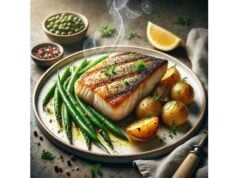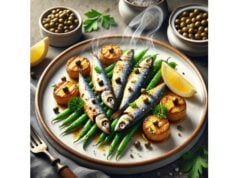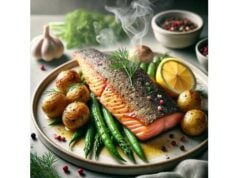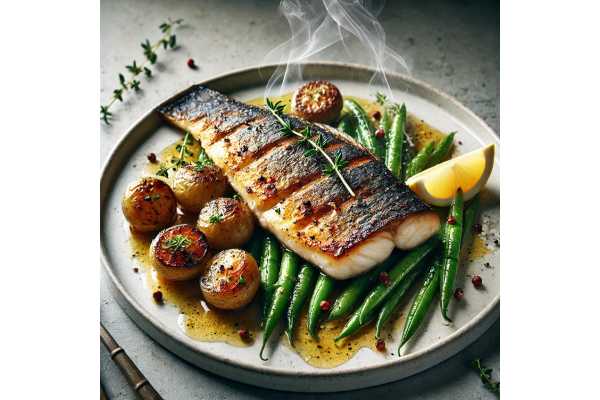
Bluefish is a bold, flavorful ocean fish prized along the Atlantic coast for its rich taste, meaty texture, and versatility on the grill or in the pan. It’s also a nutrient-dense source of high-quality protein, long-chain omega-3 fats, vitamin B12, selenium, and other minerals many people under-consume. Because bluefish is a migratory, fast-growing predator, its nutrition profile is impressive—but it also demands a thoughtful approach to sourcing and serving size due to mercury and legacy contaminants that can accumulate in larger, older fish. This guide walks you through what bluefish offers, how to buy and store it for best quality, evidence-backed health benefits, the key safety caveats, and preparation methods that retain nutrients while managing flavor. Whether you’re deciding between bluefish and salmon for heart health, or just want a reliable weeknight method that keeps the flesh moist and the omega-3s intact, you’ll find practical, clear answers here.
Top Highlights
- Delivers ~25 g protein and ~1 g EPA+DHA omega-3s per 100 g cooked portion.
- Typical adult serving: 85–115 g cooked (1–2 times weekly as part of varied seafood).
- Limit for pregnancy and young children depends on mercury category and local advisories.
- Larger, older bluefish can carry more mercury and PCBs; choose smaller fish and trim skin/fat.
Table of Contents
- Bluefish Basics and Flavor
- Nutrients in Bluefish 100 g
- Evidence on Bluefish Benefits
- Safety, Allergies and Drug Interactions
- Buying, Sustainability and Storage
- Prep Methods and Nutrient Retention
- Portions, Comparisons and FAQs
Bluefish Basics and Flavor
Bluefish (Pomatomus saltatrix) is a pelagic predator found in temperate coastal waters worldwide and seasonally along the U.S. Atlantic coast. It’s known by many local names—“tailor,” “elf,” “choppers”—and for dramatic “blitzes” when schools push bait to the surface. Culinary-wise, bluefish sits in the flavorful, medium-to-oily camp, with a moist, dense flake and assertive taste that takes well to smoke, spice, citrus, and herbaceous marinades. If you enjoy mackerel, sardine, or salmon, bluefish is a natural addition to your rotation.
From a nutrition standpoint, bluefish brings three strengths. First, it’s a high-quality complete protein, supplying all essential amino acids in amounts that support muscle repair and satiety with relatively modest calories. Second, it’s one of the more meaningful wild sources of long-chain omega-3 fats (EPA and DHA) per typical serving. Third, it’s rich in vitamin B12 and selenium, nutrients tied to red-blood-cell formation, neurological health, and antioxidant enzyme systems.
Because bluefish is a top-level coastal predator, responsible shopping and portioning matter. Larger, older specimens tend to carry more methylmercury and fat-associated pollutants. Sensible strategies include choosing smaller fish and trimming skin and belly fat before cooking (which also tempers intensity of flavor). For weeknight cooks, think quick high-heat methods: grill, broil, sear-and-finish, or air-fry. For entertaining, bluefish shines hot-smoked, served with lemon and pickled onions, or folded into pâtés and spreads with yogurt, herbs, and capers.
Sustainability and seasonality are positive stories for U.S.-managed Atlantic bluefish, with active stock rebuilding and a highly recreational fishery. Quality peaks when the flesh is firm and springy, eyes are bright, gills are red, and the aroma is clean and briny—not “fishy.” Freshness is crucial; bluefish’s higher oil content can oxidize, so buy close to when you plan to cook or freeze promptly.
Nutrients in Bluefish 100 g
Below are typical values for cooked bluefish (dry-heat methods) per 100 g. Amounts and % Daily Value (%DV) use current U.S. labeling DVs (Adults/4+ years). Values reflect composite datasets and may vary with age, size, season, and preparation. Use them as a realistic, scannable snapshot.
Macros & Electrolytes (per 100 g cooked)
| Nutrient | Amount | %DV |
|---|---|---|
| Energy | 160 kcal | — |
| Protein | 25.0 g | 50% |
| Total Fat | 5.4 g | 7% |
| Saturated Fat | 1.4 g | 7% |
| Carbohydrate | 0 g | 0% |
| Sodium | 90 mg | 4% |
| Potassium | 372 mg | 8% |
| Cholesterol | 75 mg | — |
Fats & Fatty Acids
| Nutrient | Amount | Notes |
|---|---|---|
| Omega-3 EPA | ~0.32 g | Per 100 g cooked |
| Omega-3 DHA | ~0.66 g | Per 100 g cooked |
| EPA + DHA | ~0.98–1.0 g | Per 100 g cooked |
| Omega-6 total | ~0.1–0.2 g | Naturally low |
Protein & Amino Acids
Bluefish provides all essential amino acids. Per 100 g, leucine and lysine are typically the most abundant; methionine and tryptophan are present in adequate amounts relative to reference patterns for adults. The protein quality supports recovery from exercise and maintenance of lean mass during energy restriction.
Vitamins
| Vitamin | Amount | %DV |
|---|---|---|
| Vitamin B12 (Cobalamin) | ~5.4 µg | 225% |
| Niacin (Vitamin B3) | ~6.0 mg | 38% |
| Vitamin B6 (Pyridoxine) | ~0.4 mg | 24% |
| Vitamin A (RAE) | ~138 µg | 15% |
| Vitamin D | Variable | Often present; not always labeled |
Minerals
| Mineral | Amount | %DV |
|---|---|---|
| Selenium | ~36.5 µg | 66% |
| Phosphorus | ~227 mg | 18% |
| Magnesium | ~33 mg | 8% |
| Zinc | ~0.8 mg | 7% |
| Iron | ~0.7 mg | 4% |
| Calcium | ~11 mg | 1% |
Allergens & Intolerance Markers
Bluefish is a finfish allergen. Cross-reactivity among finfish species can occur; shellfish allergy is distinct.
Contaminants/Residues
Large, older bluefish can accumulate methylmercury and fat-soluble pollutants (e.g., PCBs). Risk varies by geography and fish size. Trimming skin/dark lateral fat and favoring smaller fish can reduce exposure.
Glycemic & Acid–Base Metrics
Bluefish contains no carbohydrate or sugars and does not affect glycemia. It’s protein-rich and moderately oily, with neutral acid-base impact when consumed in mixed meals.
Footnote: Values are for unfortified, wild-caught fish. Fortified or prepared products (e.g., smoked bluefish) can alter sodium and fat.
Evidence on Bluefish Benefits
1) Heart and vascular health
A typical 100 g cooked portion of bluefish provides roughly 1,000 mg of combined EPA and DHA—approaching one week’s baseline target for many adults in a single serving. Long-chain omega-3s help maintain normal triglycerides, support endothelial function, and may modestly lower resting blood pressure in some people. Regular fish intake also tends to displace higher-sodium and processed meats, improving overall dietary quality. In population guidance, including seafood 1–2 times weekly aligns with patterns associated with reduced cardiovascular risk over time.
2) Brain and nervous system support
Bluefish is notably rich in vitamin B12 and supplies meaningful DHA, both critical to neurological function. B12 supports myelin and red-blood-cell formation; deficiency is linked to fatigue and neuropathy. DHA is a structural component in brain and retinal tissue. In pregnancy and breastfeeding, meeting seafood recommendations with lower-mercury choices supports fetal and infant brain development. For people outside those life stages, periodic DHA intake helps sustain levels in neural tissue across the lifespan.
3) Thyroid and antioxidant defense
Selenium in bluefish (often ~60–70% DV per 100 g) contributes to selenoproteins like glutathione peroxidases and thioredoxin reductases, which help limit oxidative stress. Selenium intake also supports thyroid hormone metabolism via deiodinase enzymes. Pairing selenium-rich fish with iodine-containing foods (e.g., iodized salt in small amounts, dairy, or seaweed in modest portions) rounds out thyroid micronutrient needs.
4) Satiety, weight management, and metabolic health
Bluefish is high in protein and relatively moderate in calories for the fullness it provides. Protein has a higher thermic effect than carbohydrates or fat and enhances satiety signaling. Keeping a cooked portion around 85–115 g delivers ~22–30 g protein, enough to anchor a meal with vegetables and whole grains while staying within energy targets.
5) Practical nutrient tradeoffs
Compared with salmon, bluefish is often a bit leaner but still omega-3-dense. Against very oily fish like mackerel, bluefish offers a middle-ground flavor and fat profile. It brings more B12 than many white fish and more selenium than many land-animal proteins per calorie. When prepared with gentle, lower-temperature methods (baking, steaming, sous-vide finishing), it retains more omega-3s than deep-frying. Citrus-herb marinades also brighten flavor without adding excess sodium.
Bottom line: As part of a varied seafood pattern, bluefish can help you meet weekly omega-3 and protein goals, deliver B12 and selenium, and support heart and brain health—provided you pay attention to serving size and sourcing, especially for sensitive groups.
Safety, Allergies and Drug Interactions
Mercury considerations
Methylmercury accumulates in the tissue of predatory fish and increases with size and age. Bluefish can contain moderate levels; prudent intake means choosing smaller fish, rotating species during the week, and following current national guidance on frequency (which differentiates between “best choices,” “good choices,” and “choices to avoid” based on mercury). For those who are pregnant, might become pregnant, or who are breastfeeding, stick to fish listed as lower in mercury and stay within the recommended weekly ounces for your life stage. Children should follow age-appropriate portion sizes.
PCBs and other fat-associated pollutants
Polychlorinated biphenyls (PCBs) are legacy industrial chemicals that bind to lipids and can concentrate in fatty portions (skin, belly fat, and the dark lateral line). Exposure varies by waterway and fish size. Steps that help lower exposure include trimming skin and visible fat, removing the dark strip before cooking, and favoring smaller fish. When fishing locally, always check state or regional consumption advisories.
Allergy
Bluefish is a finfish allergen. If you have a known finfish allergy, avoidance is recommended unless your allergist has specifically cleared certain species for you through testing and oral challenges. Symptoms can range from hives and oral itching to anaphylaxis; carry prescribed medication if indicated.
Foodborne illness
As a highly perishable, oily fish, bluefish should remain refrigerated (≤4 °C) and cooked to an internal temperature of 63 °C (145 °F) or until the flesh flakes and is opaque. Leftovers should be cooled quickly and refrigerated within 2 hours. Smoking or curing does not make fish shelf-stable unless properly processed. For immunocompromised individuals, pregnant people, and older adults, avoid raw or undercooked fish.
Medication interactions
Eating fish at typical culinary portions doesn’t have clinically significant interactions with common medications. If you use prescription anticoagulants or antiplatelets and are also taking high-dose omega-3 supplements, discuss the combined effect with your clinician. For thyroid conditions, be mindful of total iodine intake across the diet; bluefish itself is not unusually high in iodine compared with some other marine foods.
Who should limit or avoid
- People who are pregnant, breastfeeding, or feeding young children should prioritize lower-mercury fish and mind weekly ounce limits.
- Individuals with finfish allergy should avoid bluefish.
- Anglers in regions with fish advisories for PCBs, mercury, or PFAS should follow local guidance or choose commercially sourced fish from compliant waters.
Buying, Sustainability and Storage
How to select fresh bluefish
- Appearance: Firm, springy fillets; moist but not sticky surface; tight muscle flakes. Whole fish should have bright eyes, red gills, metallic sheen.
- Smell: Clean and ocean-fresh; a strong fishy or rancid odor signals oxidation.
- Color: Flesh ranges from off-white to grayish with a darker lateral line. Some darker coloration is natural; excessive browning suggests age.
- Size: Favor smaller fish (e.g., 1–3 lb whole) to reduce the risk of higher contaminant loads and to enjoy milder flavor.
Sustainability snapshot
Bluefish populations along the U.S. Atlantic coast are under active management with stock rebuilding targets, catch limits, and a predominantly recreational harvest. Choosing fish from well-managed fisheries supports long-term availability. When you buy retail, look for origin labeling and ask your fishmonger about harvest region and timing. Frozen, vacuum-packed fillets can be a quality-preserving, waste-reducing option when fresh supply is variable.
Storage and handling
- Refrigeration: Keep on ice or at ≤4 °C; use within 24–36 hours of purchase for peak quality.
- Freezing: Freeze promptly if not cooking within a day. Wrap tightly (oxygen barrier like freezer paper or vacuum seal). For best quality, use within 2–3 months; longer storage is safe if kept at −18 °C (0 °F) but flavor may gradually diminish.
- Thawing: Thaw overnight in the refrigerator or under cold running water in sealed packaging. Avoid room-temperature thawing.
- Pre-cook trimming: Remove skin and visible fat if you wish to lower exposure to fat-soluble pollutants and to mellow flavor.
- Leftovers: Cool quickly; refrigerate within 2 hours; consume within 2–3 days. Reheat gently to avoid drying.
Budget and availability
Prices vary with season and location; coastal markets often offer excellent value compared with salmon or tuna. Buying whole fish and asking the counter to fillet can reduce cost per portion. Smoked bluefish spreads are common in coastal delis; check sodium if you monitor blood pressure.
Substitutes
If bluefish isn’t available, try mackerel, sardine, or rainbow trout for a similar omega-3 profile; or choose salmon for a slightly richer, more familiar flavor. For milder taste with lower oil, consider pollock or haddock and add omega-3s elsewhere in the week.
Prep Methods and Nutrient Retention
Flavor-savvy trimming and marinating
Before cooking, consider removing the skin and the dark lateral line (belly/edge fat) to temper intensity and lower fat-bound pollutants. A quick marinade (20–30 minutes) with lemon juice or vinegar, olive oil, garlic, and herbs brightens flavor and can reduce surface oxidation without adding much sodium. Pat dry before hitting the heat to encourage browning.
Best techniques for omega-3 retention
Gentle, moist-leaning methods (baking at moderate temperature, steaming, poaching, or sous-vide finishing followed by a quick sear) tend to preserve EPA and DHA better than prolonged high-temperature frying. Air-frying or broiling works well if you keep cook times short. If pan-searing, use a high-smoke-point oil and finish in a low oven to avoid overcooking. Avoid repeated reheating.
Practical internal temps and doneness
Cook to 63 °C (145 °F) or until the thickest part turns opaque and flakes when pressed. Bluefish is forgiving but can dry if left too long; carryover heat continues to cook after removing from the pan. A brief rest (2–3 minutes) helps juices redistribute.
Seasoning ideas
- Citrus-herb: Lemon zest, parsley, dill, black pepper, olive oil.
- Smoky-paprika: Smoked paprika, garlic, cumin, coriander, a touch of brown sugar.
- East-Asian inspired: Grated ginger, scallion, rice vinegar, light soy or tamari (watch sodium), sesame oil at the end.
- Mediterranean bake: Cherry tomatoes, olives, capers, oregano; finish with lemon.
Reducing sodium without losing punch
Use acid (citrus, vinegar), aromatics (garlic, shallot), fresh herbs, and umami-rich ingredients (tomato paste, mushrooms) to rely less on salt. If you buy smoked bluefish, balance the meal with low-sodium sides.
Food safety notes
Keep raw and cooked fish separate; sanitize boards and knives after trimming skin and belly fat. If you cold-smoke or cure at home, follow validated procedures and refrigeration rules; improper curing can permit pathogen growth.
Leftover upgrades
Flake chilled bluefish with Greek yogurt, lemon, capers, and chives for a high-protein spread. Fold into whole-grain pasta with spinach and roasted peppers, or make fish cakes bound with mashed white beans and herbs.
Portions, Comparisons and FAQs
Recommended portions and frequency
For most adults, a cooked portion of 85–115 g (3–4 oz) fits well. Aim for 1–2 seafood meals weekly, varying species to diversify nutrients and manage contaminant exposure. Sensitive groups (pregnancy, those who are breastfeeding, and young children) should choose lower-mercury species and follow the current weekly ounce guidance for their life stage; always cross-check the fish you plan to eat.
Bluefish vs. other fish
- Salmon: Slightly richer fat; similar or higher EPA+DHA per serving; often milder.
- Mackerel (Atlantic/chub vs. king): Atlantic and chub mackerel are oily and omega-3-dense with moderate mercury; king mackerel is generally avoided in sensitive groups due to higher mercury. Bluefish sits flavor-wise between salmon and mackerel.
- Sardines: Small, low on the food chain, very high omega-3s and calcium (if bones are eaten). An excellent complement to bluefish in a weekly plan.
- Cod/haddock/pollock: Lean, mild, lower omega-3s—use these on weeks you’re getting omega-3s from other meals.
FAQs
Is bluefish safe during pregnancy?
Follow the current fish-advice charts and choose species identified as lower in mercury. If bluefish appears on your regional or national list with a specific frequency, stick to that serving guidance; if it’s not listed, choose a clearly lower-mercury option that week. When in doubt, select smaller fish and vary species.
How can I reduce contaminants when cooking?
Trim the skin, belly fat, and dark lateral line; grill or bake on a rack so some fat drips away; and pair bluefish with lower-contaminant meals the rest of the week. Local advisories should always take precedence if you catch fish yourself.
Why does bluefish sometimes taste “strong”?
Higher natural oils and heme pigments in the dark meat can oxidize if the fish isn’t very fresh. Buying close to the catch date, using citrus-herb marinades, and removing the dark strip before cooking yield a cleaner flavor.
What about canned or smoked bluefish?
Smoked bluefish is delicious but can be high in sodium; enjoy in modest amounts and balance your day’s salt elsewhere. If canning at home, follow validated procedures; commercially canned options are uncommon compared with salmon or tuna.
How do I store bluefish safely?
Refrigerate on ice and cook within 24–36 hours. Freeze quickly in airtight packaging for 2–3 months of best flavor. Thaw under refrigeration; never at room temperature.
References
- Advice about Eating Fish 2024 (Guideline)
- Bluefish | NOAA Fisheries 2025
- Effects of culinary treatments on the lipid nutritional quality of fish and shellfish 2023 (Systematic Review)
- Dietary Guidelines for Americans, 2020-2025 2020
Disclaimer
This guide is educational and does not replace personalized advice from your physician, registered dietitian, or local public health authority. Seafood choices and serving frequencies should reflect your health status, medications, age, and life stage, as well as current national and local fish-consumption advisories. If you have a fish allergy, or if you are pregnant or feeding young children, consult a qualified clinician for tailored guidance.
If you found this article useful, please consider sharing it on Facebook, X (formerly Twitter), or your favorite platform. Your support helps us continue creating clear, high-quality nutrition resources.