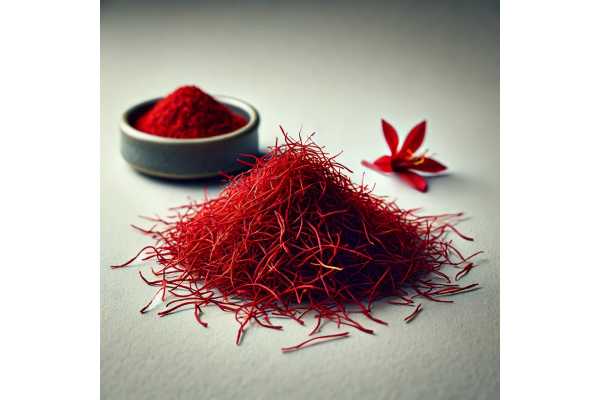
Saffron is one of the most prized spices in the world, known for its deep golden color, distinctive aroma, and subtle, honeyed bitterness. At first glance, it is simply a culinary luxury that transforms dishes like paella, risotto, and Persian rice. Yet behind each vivid thread lies a complex mix of carotenoids, aromatic molecules, and other compounds that have attracted growing scientific interest for potential benefits to mood, sleep, metabolic health, and more.
Because saffron is used in tiny amounts, it does not provide large quantities of calories or macronutrients. Its value lies more in its bioactive components and in the way it can encourage home cooking patterns centered on grains, legumes, and vegetables. At the same time, saffron is expensive, frequently adulterated, and potentially unsafe at very high doses or in specific life stages such as pregnancy. This article explains what saffron is, how it is produced, what we know about its health effects, and how to use it safely and confidently in everyday meals.
Saffron Fast Facts
- Culinary saffron is usually consumed in pinches (about 15–30 mg per person), providing color, aroma, and carotenoids with negligible calories.
- Key saffron constituents such as crocin, crocetin, picrocrocin, and safranal show antioxidant and anti-inflammatory activity in experimental research.
- A practical culinary serving is roughly 20–50 mg dried saffron threads per portion of rice or stew, used a few times per week as taste and budget allow.
- Very high intakes (several grams per day) can be toxic and are not appropriate for pregnancy, breastfeeding, or unsupervised self-treatment.
- People who are pregnant, have bipolar disorder or seizure conditions, or take multiple psychotropic or anticoagulant medications should avoid saffron supplements and discuss any regular use with a clinician.
Table of Contents
- Saffron origins and culinary role
- Saffron nutrition and key compounds
- Saffron researched health benefits
- Saffron risks allergies interactions
- Choosing sustainable quality saffron
- Preparing saffron and protecting nutrients
- Saffron servings comparisons and FAQs
Saffron origins and culinary role
Saffron comes from the dried red stigmas of the Crocus sativus flower, a sterile, cultivated crocus that must be propagated by hand. Each flower yields only three slender stigmas. It can take tens of thousands of blossoms to produce a single kilogram of dried saffron, which explains its high price and status as a luxury ingredient.
Historically, saffron has been cultivated across a belt stretching from the Mediterranean to Southwest and South Asia. Regions widely associated with saffron production include parts of Iran, Spain, Greece, and Kashmir, each with its own traditions, harvest methods, and quality standards. In many cultures, saffron carries symbolic meaning associated with joy, wealth, or spirituality, appearing in festive dishes, religious offerings, and traditional medicines.
Culinarily, saffron is valued for three main qualities: color, aroma, and flavor. Crocin and related carotenoids are largely responsible for the intense golden-yellow hue, while the aroma is shaped by volatile molecules such as safranal and other monoterpenes. The flavor is often described as slightly sweet, hay-like, and earthy with a gentle bitterness that deepens savory dishes and adds complexity to sweets.
Classic uses vary by region:
- In parts of Spain, saffron is essential in paella and other rice dishes.
- In Italy, it is a hallmark of risotto alla milanese, lending both color and a delicate fragrance.
- In Persian and Central Asian cuisines, saffron enriches rice, stews, and desserts such as saffron ice cream and milk puddings.
- In South Asia and the Middle East, it appears in festive rice dishes, sweets, and milk-based drinks flavored with nuts and cardamom.
Because saffron is so potent and expensive, it is nearly always used in very small amounts, often “bloomed” first by soaking in warm water, stock, or milk to extract color and aroma before adding the liquid and threads to a dish. This technique helps distribute flavor more evenly and reduces waste.
Beyond the kitchen, saffron has long been used in traditional medicine systems to support mood, digestion, and reproductive health, as well as in dyes and perfumes. Today, it occupies a dual identity: a gourmet spice and a potential functional ingredient. Modern research builds on these traditional uses, examining standardized extracts and pure compounds, while culinary saffron remains a sensory tool that can encourage people to prepare colorful, plant-rich meals at home.
Understanding this dual role is helpful. When you sprinkle saffron into a pot of rice, you are not taking the same dose or form used in clinical trials, but you are engaging with a spice that has a deep cultural and scientific story, and that can quietly nudge your meals toward greater enjoyment and variety.
Saffron nutrition and key compounds
On a gram-for-gram basis, saffron is surprisingly dense in nutrients, but the amounts used in cooking are so small that its contribution to daily macronutrient needs is modest. Per 100 g, nutrition databases report around 310 kilocalories, approximately 65 g of carbohydrate, 11 g of protein, nearly 6 g of fat, and about 4 g of dietary fiber. In addition, saffron contains notable amounts of vitamin C, several B vitamins, and minerals such as potassium, magnesium, and iron. However, a common culinary portion of about 0.02–0.05 g per person translates these figures into tiny absolute amounts.
From a health perspective, the more interesting aspects of saffron lie in its phytochemicals. The main groups include:
- Carotenoids, particularly crocin and crocetin. Crocin is a water-soluble carotenoid glycoside responsible for saffron’s vivid red threads and the deep yellow color it imparts to foods. Crocetin, its aglycone, is a lipid-soluble carotenoid. Both have been studied for antioxidant and anti-inflammatory properties.
- Picrocrocin, a glycoside that contributes to saffron’s characteristic bitter taste. During drying and storage, picrocrocin can break down into safranal.
- Safranal, a key volatile compound largely responsible for saffron’s aroma, with notes that many people perceive as warm, hay-like, or honeyed. Safranal has been investigated for possible anticonvulsant, antioxidant, and mood-modulating effects in experimental settings.
- Flavonoids and other phenolics, including kaempferol and quercetin derivatives, which contribute additional antioxidant capacity.
Analytical studies suggest that saffron contains more than 150 volatile and non-volatile constituents, including sugars, proteins, amino acids, organic acids, and trace lipids alongside the better-known carotenoids and monoterpene aldehydes. The relative proportions of these compounds depend on cultivar, growing conditions, harvest timing, and post-harvest processing such as drying temperature and duration.
The form in which saffron is used also influences its composition:
- Whole threads (stigmas) are generally considered the gold standard for culinary use and quality assessment. They retain more of the original structure and allow visual inspection for color and shape, making adulteration easier to detect.
- Powdered saffron is convenient and disperses quickly, but it is more susceptible to oxidation and fraudulent dilution with other materials or dyes. Quality and authenticity are harder to judge visually.
- Standardized extracts used in supplements and research are typically enriched in specific compounds like crocin or safranal to defined percentages. These products are closer to a targeted phytochemical intervention than to a kitchen spice.
The way saffron is prepared in the kitchen also matters. Because crocin is water-soluble, soaking threads in warm water or stock before cooking helps pull this pigment and related molecules into the liquid phase, where they can be more evenly distributed. Some of the volatile aroma compounds are heat-sensitive and can dissipate if saffron is exposed to high temperatures for too long without sufficient liquid.
In practice, saffron’s nutritional value is best understood as part of a broader pattern: it contributes color, aroma, and a complex set of bioactive molecules to dishes that are often built around grains, legumes, vegetables, and moderate amounts of fat. While the spice itself does not provide large amounts of macronutrients at typical doses, its phytochemicals and sensory impact are central to its appeal and to the interest in its possible health roles.
Saffron researched health benefits
Research on saffron’s health effects has expanded significantly in the last two decades. Most studies use standardized extracts or encapsulated powders rather than culinary amounts of threads, so it is important to distinguish between experimental doses and everyday cooking use. Still, the findings offer useful context for people who enjoy saffron and are curious about its broader role in wellness.
One of the most studied areas is mood and depression. Multiple randomized controlled trials and meta-analyses have found that saffron extracts in the range of about 30 mg per day can improve symptoms of mild to moderate major depressive disorder when compared with placebo, over periods of several weeks. In some studies, saffron has shown similar symptom improvements to standard antidepressant medications, although sample sizes are relatively small and participants are closely monitored. Emerging work has also examined saffron’s effects on mood swings and emotional symptoms related to premenstrual syndrome.
These mood-related effects are thought to involve several mechanisms, including modulation of neurotransmitters such as serotonin and dopamine, antioxidant and anti-inflammatory actions in brain tissue, and influences on the hypothalamic-pituitary-adrenal axis, which helps regulate stress responses. Animal and in vitro studies support these pathways, but human research remains focused on short- to medium-term outcomes rather than long-term disease modification.
Another area with growing evidence is sleep and stress. Trials in adults with mild sleep complaints and coexisting anxiety have reported improvements in subjective sleep quality and daytime functioning after several weeks of saffron extract supplementation at modest doses. Some studies also suggest reductions in perceived stress and anxiety symptoms. Proposed mechanisms include modulation of sleep-related neurotransmitters and potential effects on melatonin pathways, though these remain under investigation.
Saffron has been examined for cognitive and eye health as well. Early trials in people with age-related macular degeneration have reported improvements in visual function with daily saffron supplementation, and there is experimental evidence that saffron compounds may help protect retinal cells from oxidative damage. In the realm of cognition, data are more limited, but preliminary studies suggest possible benefits for certain memory and learning tasks, aligning with traditional uses of saffron for mental clarity.
Metabolic and appetite-related outcomes have also been explored. Some small human trials have observed reductions in snacking frequency, modest weight-related benefits, or favorable changes in lipid profiles among people taking saffron supplements, particularly when combined with other lifestyle measures. These effects may be mediated by interactions with appetite-regulating neurotransmitters and hormones, as well as improvements in low-grade inflammation and oxidative stress.
Despite these promising findings, several caveats are essential:
- Most clinical studies use standardized saffron extracts at doses far above typical culinary intake.
- Follow-up periods are often limited to 4–12 weeks, leaving questions about long-term safety, efficacy, and durability of benefits.
- Study populations are usually specific (for example, adults with mild to moderate depression, premenstrual symptoms, or sleep complaints), so results cannot be assumed to apply to all people.
For everyday purposes, the most realistic way to think about saffron is as a supportive component of an overall healthy pattern. The spice itself is not a treatment for any condition, but it contributes bioactive compounds that may have subtle beneficial effects when combined with other positive habits, such as balanced eating, movement, and adequate sleep. Anyone considering saffron supplements for a health condition, particularly related to mood, should do so under the guidance of a qualified healthcare professional.
Saffron risks allergies interactions
Although saffron is widely used as a culinary spice and is generally well tolerated at food-level doses, it is not risk-free. Most concerns arise when people ingest large quantities, use concentrated extracts, or have particular medical conditions or sensitivities.
At typical culinary amounts—pinches of threads used to flavor dishes—side effects are uncommon. However, even at modest supplemental doses, some individuals report nausea, digestive upset, changes in appetite, dry mouth, dizziness, or headache. These effects are usually mild and reversible when the supplement is reduced or discontinued.
More serious toxicity is associated with very high intakes, often in the gram range. Reviews of human and animal data suggest that doses of around 5 g or more per day can be toxic, and doses in the 10–20 g range may be life-threatening, with reported symptoms such as severe vomiting, diarrhea, numbness, yellow discoloration of skin and mucous membranes, and bleeding. These levels far exceed what is used in cooking but underscore why self-experimentation with large doses is unsafe.
Pregnancy is a particularly sensitive context. Experimental and clinical observations indicate that high doses of saffron may stimulate uterine contractions and increase the risk of adverse pregnancy outcomes. For this reason, many experts recommend that pregnant people avoid medicinal or supplemental doses of saffron and limit intake to small culinary amounts, if at all. Because safety data during breastfeeding are limited, supplements are generally discouraged in that period as well.
Allergic reactions to saffron are relatively rare but documented. They may include skin rashes, itching, respiratory symptoms, or, in rare cases, more severe reactions. People with existing allergies to other plants in the Iridaceae family, or those who have reacted to saffron-containing products in the past, should be cautious and seek medical advice before using it again. Occupational exposure in spice processing or cooking environments has been linked to respiratory and skin symptoms in some individuals.
Potential drug interactions are another consideration. While standard culinary use is unlikely to cause clinically meaningful interactions, concentrated saffron extracts could theoretically interact with:
- Medications that influence serotonin and other neurotransmitters, including certain antidepressants and mood stabilizers.
- Anticoagulant or antiplatelet drugs, given limited data suggesting possible effects on coagulation at higher doses.
- Blood pressure or blood sugar medications, because of preliminary evidence that saffron may modestly influence these parameters.
People with psychiatric conditions such as bipolar disorder or a history of mania should be cautious with mood-active supplements in general, including saffron, as any compound that affects neurotransmitters could potentially destabilize mood in susceptible individuals.
A more practical but important risk is adulteration and contamination. Because authentic saffron is extremely valuable, fraudulent practices are common. These include mixing true saffron with cheaper plant parts, synthetic dyes, or other spices, or substituting entirely different materials. Adulterated products not only lack expected potency but may also contain unsafe additives or contaminants such as heavy metals. Buying from reputable sources and learning to recognize authentic threads are important safety steps.
Children, older adults with multiple health conditions, and people with significant kidney, liver, or bleeding disorders should not use saffron supplements without medical supervision. For these groups, occasional culinary use in normal recipe amounts is usually the safest approach, if tolerated.
In summary, saffron is safe for most healthy people when used sparingly as a spice. Risks increase with dose, concentration, and individual vulnerability. Respecting its potency, avoiding extreme intakes, and seeking professional guidance before using supplements help ensure that saffron remains a source of enjoyment rather than harm.
Choosing sustainable quality saffron
Because saffron is expensive and prone to adulteration, learning how to select high-quality, authentic threads is crucial for both safety and satisfaction. Good saffron not only delivers intense color and aroma but also reflects more responsible production practices.
When choosing whole threads, look for:
- Deep red stigmas, sometimes with a slightly lighter orange or yellow tip where the stigma meets the style.
- Uniform length and shape, with trumpet-like ends rather than flat or chopped fragments.
- A strong, distinctive aroma when a small amount is rubbed gently between the fingers, suggesting rich essential oils.
- Dry but not brittle texture; threads should be pliable enough to bend slightly without turning to powder.
Avoid saffron that looks dull brown, has many yellow or white pieces, or smells musty or overly smoky. These features can indicate poor drying, age, or contamination. Extremely cheap products labeled as saffron are more likely to be adulterated and may contain other plant matter or artificial colors.
Powdered saffron is harder to evaluate visually. If you choose powder for convenience, buy from suppliers who specialize in spices and provide clear information about origin and quality testing. Be wary of vividly colored, strongly perfumed powders sold at unusually low prices, as these may contain added dyes or flavorings.
From a sustainability standpoint, saffron production is both labor-intensive and environmentally dependent. Crocus sativus bulbs must be planted and harvested by hand, and flowers are typically picked at dawn to protect delicate stigmas from sun and wind. Regions that have produced saffron for centuries often maintain traditional knowledge about soil conservation, water use, and biodiversity, but climate change and economic pressures can threaten these systems.
While formal sustainability certifications for saffron are less widespread than for commodities like coffee or cocoa, you can still make more responsible choices by:
- Preferring suppliers who provide transparent information about the region of origin, harvest practices, and farmer partnerships.
- Supporting smaller producers or cooperatives that emphasize traceability, fair labor, and quality over volume.
- Choosing whole threads over powder, which reduces incentives for adulteration and waste.
Proper storage preserves both quality and safety. Saffron should be kept:
- In an airtight glass jar or metal tin.
- In a cool, dark place away from direct light, heat, and moisture.
- Away from strong-smelling spices or foods that could transfer odors.
When stored well, saffron threads can retain usable aroma and color for about two to three years, though there will be gradual loss of potency over time. Ground saffron and blends deteriorate faster, making it wise to purchase smaller quantities and refresh your supply regularly.
Because saffron is valuable, it is also a target for theft and mislabeling. Purchasing only as much as you will realistically use within a year or two, and learning how authentic saffron behaves when soaked in warm water (slow release of color from the threads, with the threads themselves remaining visible), can help you detect suspicious products and reduce the risk of paying for something that is not what it claims to be.
Preparing saffron and protecting nutrients
To make the most of saffron’s color, aroma, and delicate compounds, preparation technique is as important as the quantity you use. Because key constituents such as crocin are water-soluble and some aromatic molecules are sensitive to prolonged high heat, thoughtful handling can significantly improve both flavor and potential functional value.
The most common method is blooming saffron:
- Measure the threads, often a pinch (about 15–30 mg) per person or more for large dishes.
- Lightly crush them with a mortar and pestle or between clean fingers to increase surface area.
- Soak them in a small amount of warm (not boiling) water, stock, or milk for 10–20 minutes.
- Add both the liquid and threads to your dish near the beginning or middle of cooking.
This process extracts color and some soluble compounds into the liquid, helping them disperse evenly through rice, stews, or sauces. Using a liquid with a bit of fat, such as warm milk or a broth that includes oil, may also help incorporate less water-soluble components.
For rice dishes such as paella or saffron pilaf, a classic approach is to bloom saffron in hot water or stock, then stir this infusion into partially cooked rice so the color and flavor infuse every grain. For desserts like custards or puddings, saffron is often steeped in warm milk or cream before being folded into the base mixture.
Saffron can also be used in tea or infusions: a few threads steeped in hot water for several minutes, sometimes combined with ingredients like cardamom, cinnamon, or citrus. In this context, the dose is still small, but people sometimes drink such infusions regularly, so the same precautions about pregnancy, medication use, and high-dose supplementation still apply. Mild, occasional infusions are generally better tolerated than very strong daily brews.
To avoid wasting saffron and to protect its beneficial components:
- Do not toss threads directly into smoking hot oil, where they can scorch. It is better to add them to a moist environment.
- Do not boil saffron vigorously for long periods without sufficient liquid, as this can drive off aroma and may degrade sensitive compounds.
- Crush threads just before use, rather than far in advance, to limit oxidation.
Some cooks prepare saffron sugar or saffron salt by grinding threads with sugar or salt and storing the mixture in a tightly sealed jar. This approach can make dosing easier for baking or for finishing dishes, but the same storage rules apply: keep the jar cool, dry, and dark, and use within a reasonable timeframe.
If you experiment with saffron supplements, do so only under professional guidance, and recognize that capsules or tablets are different from culinary preparations. Supplements often contain standardized extracts with precisely measured amounts of crocin or other compounds. These products may deliver much higher exposures than you could achieve through food and therefore carry different risk-benefit profiles.
Ultimately, the goal in the kitchen is consistency and balance. Saffron should provide a gentle, pervasive flavor rather than a harsh or medicinal note. Starting with small amounts, blooming properly, and combining saffron with complementary flavors such as garlic, onion, citrus, and warm spices lets you appreciate its complexity while treating it with the respect that a rare, labor-intensive spice deserves.
Saffron servings comparisons and FAQs
Because saffron is both potent and costly, questions about ideal portions and practical use are common. While there is no single “correct” amount for everyone, some general guidelines can help you use saffron enjoyably and safely.
In culinary practice, a typical amount might be:
- For a rice dish serving 4 people: about 0.1–0.2 g (100–200 mg) of saffron threads in total, bloomed in warm liquid.
- Per individual portion: roughly 15–50 mg of dried threads, depending on how intense you like the color and flavor and how strongly flavored the other ingredients are.
At this level, saffron provides negligible calories and macronutrients but enhances sensory qualities significantly. Using it once or twice a week in savory or sweet dishes is more than adequate for most households and is largely constrained by budget and preference rather than strict nutritional limits.
In research and supplement contexts, doses around 15–30 mg of standardized extract per day are common for mood or sleep-related trials. These preparations are not interchangeable with kitchen saffron and should not be used without discussing them with a healthcare professional, especially if you already take medications or have a mental health diagnosis.
Some frequently asked questions include:
Is saffron healthy enough to use every day?
For most healthy adults, using small culinary amounts of saffron daily in food is unlikely to be harmful, provided overall intake stays well below gram levels. That said, saffron is expensive, and rotating it with other spices like turmeric, cumin, and cinnamon provides a broader phytochemical range and keeps meals interesting.
Can saffron replace antidepressant or sleep medication?
No. While research on saffron extracts is promising for mild to moderate symptoms in specific groups, these studies occur under medical supervision and do not apply to all conditions. Saffron in food or supplements should not be used to stop or change prescribed medication without close monitoring and guidance from a qualified clinician.
How does saffron compare with turmeric or other spices?
Saffron and turmeric both contribute color and contain carotenoid-type pigments, but their flavor profiles, active compounds, and typical doses differ. Turmeric is usually consumed in gram quantities and is rich in curcuminoids, whereas saffron is taken in milligram amounts and is rich in crocin and safranal. Both can be part of a varied, plant-forward diet.
Is it safe to use saffron in pregnancy in food?
Many traditional cuisines include small amounts of saffron in food during pregnancy, and culinary-level use is widely considered more acceptable than medicinal doses. However, because high doses may stimulate uterine activity, it is prudent for pregnant individuals to avoid supplements and strong infusions and to limit saffron to small amounts in occasional dishes, in consultation with their healthcare provider.
Are threads better than powder or capsules?
For cooking, whole threads are usually preferred because they maintain quality longer and are easier to evaluate for authenticity. Powder is convenient but more vulnerable to adulteration and oxidation. Capsules are designed for specific clinical-style dosing rather than flavoring and should be treated as any other supplement: helpful in some cases, unnecessary or risky in others.
By keeping portions modest, seeking medical advice before using saffron therapeutically, and focusing on its role in delicious, balanced meals, you can integrate this remarkable spice into your diet in a way that honors both its history and the best of current evidence.
References
- Spices, saffron nutrition facts and analysis 2024 (Food Composition Summary)
- A narrative review of phytochemical profile of saffron and its main constituents 2022 (Review)
- Saffron (Crocus sativus L.) and major depressive disorder: a meta-analysis of randomized clinical trials 2013 (Systematic Review)
- Toxicology effects of saffron and its constituents: a review 2017 (Safety Review)
- Effects of saffron extract on sleep quality: A randomized double-blind controlled study 2021 (Randomized Trial)
Disclaimer
The information in this article is intended for general educational purposes only and does not replace personalized advice from a qualified healthcare professional. Saffron can interact with health conditions, pregnancy, and medications, especially when used in supplemental or high doses. Never start, stop, or adjust any treatment for depression, sleep problems, or other medical issues based solely on saffron use without consulting your doctor, pharmacist, or registered dietitian. If you experience concerning symptoms after consuming saffron or any supplement, seek medical care promptly.
If you found this article informative, you are welcome to share it with others on Facebook, X (formerly Twitter), or any platform you prefer. Thoughtful sharing supports our ongoing efforts to provide clear, evidence-informed guidance on food, herbs, and health.