Rosemary is one of those herbs that can quietly transform a dish. A few fresh needles or a pinch of dried leaves can add piney aroma, gentle bitterness, and surprising depth to roasted vegetables, meats, bread, or even fruit. Beyond the kitchen, rosemary has a long history in traditional medicine and ritual use, from memory-supporting teas to invigorating baths and aromatic oils.
Nutritionally, rosemary is used in small amounts but is surprisingly dense in fiber, minerals such as iron and calcium, and a range of antioxidant compounds. These include rosmarinic acid and carnosic acid, which have been studied for potential neuroprotective, anti-inflammatory, and metabolic effects. At the same time, concentrated extracts and essential oils carry safety considerations that do not apply to normal culinary use. This article walks you through what rosemary is, how it fits into a healthy eating pattern, where the science currently stands on benefits and risks, and how to use it safely and effectively in everyday cooking.
Rosemary At a Glance
- Culinary rosemary provides flavor, fiber, and antioxidant compounds such as rosmarinic acid and carnosic acid with very few calories per typical serving (about 1–2 g).
- Regularly cooking with rosemary can support a more plant-forward, lower-sodium diet by adding aroma and complexity without relying on heavy sauces or extra salt.
- A common culinary amount is 1–2 teaspoons dried rosemary or 1–2 tablespoons fresh leaves spread across a dish serving 3–4 people, a few times per week as tolerated.
- People who are pregnant, have epilepsy or seizure disorders, or take multiple medications should avoid ingesting rosemary essential oil and be cautious with high-dose supplements.
- Anyone with known allergies or strong reactions to mint family herbs (such as sage, thyme, or oregano) should introduce rosemary slowly and monitor for symptoms.
Table of Contents
- Rosemary history and uses
- Rosemary nutrients and actives
- Rosemary health effects summary
- Risks allergies and rosemary safety
- Buying quality rosemary and storage
- Cooking with rosemary and potency
- Rosemary portions comparisons and FAQs
Rosemary history and uses
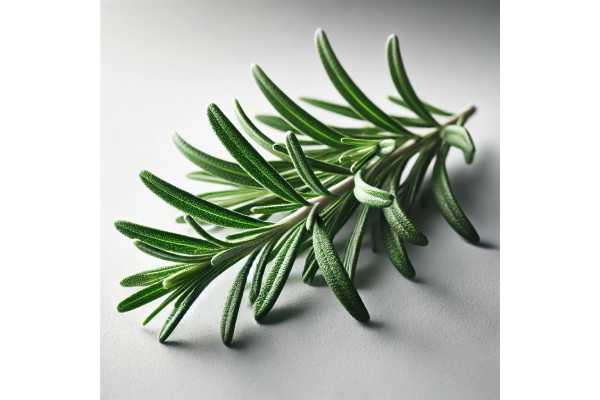
Rosemary (Salvia rosmarinus, previously Rosmarinus officinalis) is an evergreen shrub native to the Mediterranean region. It thrives in dry, rocky soils and sunny conditions, which partly explains its strong essential oils and robust flavor. For centuries, it has been valued as much for symbolism and traditional medicine as for its role in cooking. In different cultures, rosemary has been linked with remembrance, protection, and purification, and it often appears in folklore surrounding weddings, funerals, and seasonal celebrations.
Culinarily, rosemary belongs to the mint family alongside thyme, oregano, and sage. Its needle-like leaves are highly aromatic, with notes often described as piney, resinous, and slightly floral. This intensity means that small amounts go a long way. Fresh rosemary sprigs are commonly used to flavor roasted potatoes, lamb, poultry, and fish. The woody stems can be added to stocks or used as skewers for grilling, while finely chopped leaves can be mixed into breads, marinades, compound butters, and salad dressings.
Rosemary has also been used traditionally in infusions and tonics, such as herbal teas and simple water infusions, sometimes combined with other herbs or citrus peel. In many regions, rosemary baths, hair rinses, and skin washes were part of folk remedies aimed at easing muscle discomfort, supporting circulation, or improving the appearance of hair and skin.
In modern wellness culture, rosemary is frequently discussed in the context of essential oils and concentrated extracts. Aromatherapists may use rosemary oil to create blends intended to promote alertness or relieve perceived mental fatigue. Cosmetic and personal-care products often include rosemary extract as an antioxidant or fragrance component in shampoos, conditioners, creams, and soaps.
It is important to distinguish among these different forms. Whole fresh or dried rosemary used as a culinary herb has a very different concentration of active compounds compared with standardized extracts or essential oils. The former is generally considered safe for most people in typical food amounts, while the latter require more caution and professional guidance, particularly when taken by mouth or used on sensitive skin.
Overall, rosemary is best viewed as a versatile herb that bridges the culinary and wellness worlds. Used thoughtfully, it can elevate everyday dishes, contribute small amounts of beneficial plant compounds, and be integrated into simple home rituals like teas or aromatherapy, while remaining grounded in evidence-informed safety practices.
Rosemary nutrients and actives
Although rosemary is usually consumed in teaspoon quantities, its nutrient profile is still worth understanding. Per 100 g of fresh rosemary leaves, food composition databases report roughly 120–130 kilocalories. This portion contains around 3 g of protein, about 6 g of fat, approximately 6–7 g of digestible carbohydrates, and a notable 14 g or so of dietary fiber. Naturally, a typical serving is only a few grams, but even small amounts contribute to overall fiber intake when used regularly.
Fresh rosemary provides vitamin C, several B vitamins in smaller amounts, and fat-soluble vitamins such as vitamin A (largely in the form of carotenoids). It is also relatively rich in minerals compared with many other herbs, especially iron, calcium, and potassium. Per 100 g, rosemary can supply a substantial fraction of the daily reference intake for these minerals, although the realistic contribution from a teaspoon or tablespoon is modest. Still, when added frequently to meals alongside other herbs and vegetables, rosemary supports micronutrient diversity in the diet.
What makes rosemary particularly interesting from a health perspective is its array of secondary plant compounds. Key groups include:
- Phenolic acids, notably rosmarinic acid, which exhibits strong antioxidant and anti-inflammatory activity in laboratory models.
- Diterpenes such as carnosic acid and carnosol, which have been studied for potential neuroprotective and metabolic effects.
- Essential oil components, including 1,8-cineole, camphor, and alpha-pinene, which contribute to aroma and may influence cognition, circulation, and respiratory function in experimental settings.
In fresh and dried herb form, these compounds are present in complex mixtures. Drying typically concentrates some constituents while altering others. Dried rosemary often contains higher levels of certain phenolic compounds per gram compared with the fresh herb, though very high drying temperatures can degrade more delicate molecules. This helps explain why dried rosemary retains a powerful fragrance and antioxidant capacity even long after harvest when stored well.
Standardized rosemary extracts used in supplements or functional foods typically concentrate specific molecules such as carnosic acid or rosmarinic acid to reproducible levels. These preparations allow researchers to study dose-dependent effects in controlled trials, but they are not the same as sprinkling rosemary on roasted vegetables. In practice, culinary use delivers lower, more diffuse exposures that may still be beneficial, but not at the intensity or predictability of concentrated extracts.
Essential oils represent another step up in concentration. Rosemary essential oil is distilled from large quantities of plant material and is composed mainly of volatile compounds. It is used primarily for aromatherapy and topical applications, not as a food ingredient. Because essential oils bypass the buffering effects of fiber and other plant matrix, their pharmacological and toxicological properties differ markedly from whole herb preparations.
In summary, rosemary’s nutritional value lies less in macronutrients and more in its dense load of aromatic and phenolic compounds. These actives, while not a substitute for a balanced diet, add complexity to both flavor and biochemical exposure, which may contribute to the herb’s studied health effects when used consistently within an overall healthful eating pattern.
Rosemary health effects summary
Modern research on rosemary’s health effects spans cell studies, animal experiments, small human trials, and observational work. While the evidence is still evolving, several themes emerge, especially in the areas of cognitive function, mood, oxidative stress, and metabolic regulation. It is important to interpret these findings cautiously and avoid assuming that rosemary alone can prevent or treat disease.
One area of interest is cognitive performance and mood. Small randomized trials have examined both oral rosemary preparations and rosemary aroma. In some studies, low doses of dried rosemary powder have been associated with modest improvements in certain memory measures, while higher doses did not help and in some cases appeared to hinder performance. Research on rosemary extract intake over several weeks has suggested improvements in measures such as perceived vigor, sleep quality, and aspects of cognitive function in working adults with elevated stress or fatigue. Aromatherapy trials using rosemary essential oil have reported subtle benefits in alertness and processing speed, though findings are not uniform across all tests.
Another line of research focuses on neuroprotection and healthy aging. Experimental work indicates that compounds like carnosic acid and rosmarinic acid may help protect nerve cells from oxidative damage and inflammation, processes that are relevant to neurodegenerative conditions. These mechanisms include scavenging of reactive oxygen species, modulation of inflammatory signaling pathways, and effects on neurotransmitter systems. Human evidence is currently limited to small studies and short-term interventions, so rosemary should be viewed as one potential component of a brain-supportive lifestyle rather than a stand-alone therapy.
Rosemary has also been studied for its gastrointestinal and metabolic effects. In animals and preliminary human research, rosemary extracts have been linked with improved antioxidant defenses in the gut, reduced markers of inflammation, and changes in the composition or function of the intestinal microbiota. Some studies suggest that rosemary may influence glucose and lipid metabolism, potentially supporting more favorable blood sugar and cholesterol profiles when combined with healthy diet and activity patterns. However, these effects are modest and often observed at doses higher than typical culinary use.
The herb’s antioxidant and anti-inflammatory properties are among the most consistent findings across models. By reducing oxidative stress and modulating inflammatory pathways, rosemary components may contribute to overall tissue protection. This, in turn, could support cardiovascular, metabolic, and joint health over time, but these potential benefits are best viewed as incremental and supportive rather than dramatic.
When interpreting this body of work, it is crucial to recognize that rosemary used in a kitchen—fresh sprigs added to roasted vegetables or dried leaves stirred into soups—delivers lower doses than many supplements or extracts used in trials. Culinary amounts are likely to provide gentle, long-term exposure that adds up within the context of other herbs, fruits, vegetables, and healthy fats in the diet. For most people, the most practical benefit is that rosemary makes nutrient-dense foods more appealing. If you enjoy the taste, you may be more likely to prepare home-cooked meals rich in plants, lean proteins, and whole grains, which is where the strongest health evidence lies.
Risks allergies and rosemary safety
Rosemary is generally recognized as safe when used in typical culinary amounts, but there are important safety points to consider, especially with concentrated forms such as essential oils and high-dose supplements. Reactions can vary widely depending on an individual’s health status, medication use, and sensitivity to aromatic compounds.
For most healthy adults, small amounts of rosemary in food rarely cause problems. Mild digestive symptoms such as stomach discomfort, gas, or nausea may occur in some individuals, particularly when large quantities of dried herb are consumed at once. People with irritable bowel syndromes or very sensitive digestion may find that high-fiber, strongly aromatic herbs like rosemary aggravate symptoms and should adjust intake accordingly.
Allergic or sensitivity reactions are possible but not common. Rosemary is part of the Lamiaceae (mint) family, along with oregano, thyme, and basil. Individuals who react strongly to several of these herbs should be cautious when trying rosemary, starting with a very small amount and monitoring for signs such as itching in the mouth, hives, or respiratory symptoms. Any difficulty breathing, throat tightness, or widespread hives warrants immediate medical attention.
The main concerns arise with rosemary essential oil and concentrated extracts. Essential oil is highly potent and is not the same as the herb you sprinkle on food. Internal use of rosemary oil is generally discouraged without close professional supervision. Ingestion of significant amounts can lead to nausea, vomiting, abdominal pain, and in severe cases, central nervous system effects. There is particular concern about seizure risk in people with epilepsy or seizure disorders, as certain constituents in rosemary oil, such as camphor and 1,8-cineole, are known convulsant agents at high doses.
Topically, undiluted rosemary oil can cause skin irritation, redness, and burning sensations. Standard aromatherapy practice calls for diluting essential oils in a carrier oil before applying to the skin and avoiding use on damaged or very sensitive skin. Patch testing a small area first is a sensible precaution.
Pregnancy and breastfeeding warrant special caution. Culinary amounts of rosemary in food are generally considered acceptable for most pregnant or breastfeeding individuals, but medicinal doses of rosemary preparations and ingestion of essential oil are typically not advised. High doses may theoretically stimulate uterine activity or affect the fetus, although high-quality human data are limited. It is wise for anyone who is pregnant, trying to conceive, or breastfeeding to discuss herbal supplement use with a qualified healthcare professional before starting.
Regarding drug interactions, normal culinary use is unlikely to cause meaningful problems. However, concentrated rosemary extracts may have theoretical effects on blood clotting, blood pressure, and blood sugar control. People taking anticoagulants, antiplatelet medications, blood pressure drugs, or diabetes medications should seek medical advice before using rosemary supplements or strong teas regularly. Because data are incomplete and preparations vary widely, individualized guidance is essential.
Finally, rosemary should be stored safely away from children and pets, especially in essential oil form. Ingesting even small quantities of undiluted oil can be dangerous for young children and animals. Keeping bottles tightly closed and clearly labeled, and using child-resistant caps where available, reduces the risk of accidental ingestion.
In summary, rosemary as a kitchen herb is safe for most people in moderate amounts. Potential problems typically arise with large quantities, concentrated extracts, or essential oils, and in individuals with specific medical conditions or vulnerabilities. Awareness of these distinctions allows you to enjoy rosemary’s benefits while minimizing avoidable risks.
Buying quality rosemary and storage
High-quality rosemary delivers far better flavor and a richer spectrum of beneficial compounds than tired, stale herbs. Paying attention to freshness, handling, and storage can make a noticeable difference in your cooking and help preserve active components such as essential oils and phenolic acids.
When buying fresh rosemary, look for sprigs with firm, woody stems and vibrant, deep green needles. Leaves should be upright and fragrant, not limp, yellowing, or brittle. Avoid bunches with dark, slimy, or moldy spots, or with a sour or musty smell instead of a clean, resinous aroma. If you can gently rub a leaf between your fingers and immediately smell piney fragrance, that is a good sign of essential oil content.
Dried rosemary is available as whole leaves, crumbled leaves, or ground powder. Whole or roughly crushed leaves tend to retain volatile oils longer than finely powdered forms, which can lose aroma more quickly when exposed to air and light. Choose dried rosemary that has a strong, characteristic scent when you open the jar or packet. If it smells like dust or cardboard, it is likely past its prime. Many cooks prefer brands that list harvest or best-by dates to help gauge freshness.
From a sustainability perspective, rosemary is relatively easy to grow at home in many climates, either in the ground or in containers. Homegrown rosemary allows you to harvest small amounts as needed, reducing waste and packaging. The plant is drought-tolerant once established and can provide fresh sprigs for years with basic care, such as regular pruning, good drainage, and sufficient sun.
For storage, fresh rosemary keeps best in the refrigerator. You can:
- Wrap the stems loosely in a slightly damp paper towel and place them in an unsealed bag.
- Or stand the stems in a small jar of water like a bouquet, cover loosely with a bag, and refrigerate.
Used this way, fresh rosemary often stays usable for one to two weeks. Trim any browning tips and discard stems that develop slime or off odors.
To preserve an abundant supply, you can dry or freeze rosemary. Air-drying small bundles in a warm, well-ventilated, shaded area works well; once the leaves are crisp, strip them from the stems and store them in airtight containers away from light and heat. Alternatively, you can spread leaves on a tray and dry them in a low oven or dehydrator, taking care not to burn them.
Freezing is especially good for retaining color and much of the aroma. Try chopping fresh leaves, packing them into ice cube trays, and covering them with water or olive oil. Once frozen, transfer the cubes to a freezer bag. These cubes can be dropped directly into soups, stews, or sauté pans when cooking.
Dried rosemary and rosemary-based spice blends should be stored in tightly sealed jars in a cool, dark cupboard, away from the stove. Even under good conditions, dried herbs gradually lose potency; as a rule of thumb, whole dried rosemary is at its best within about a year, while ground forms may be best within six months. Labeling jars with purchase or drying dates helps you keep track.
By being selective at purchase and thoughtful about storage, you ensure that each pinch of rosemary adds the bright, complex flavor and aromatic intensity you expect, while maximizing the shelf life and minimizing waste.
Cooking with rosemary and potency
Cooking with rosemary is as much about timing and technique as about quantity. Because it contains robust, heat-stable aromatic compounds, rosemary can withstand longer cooking times than many delicate herbs, but very high heat or prolonged exposure can still drive off volatile oils or introduce bitterness if not balanced carefully.
Fresh rosemary leaves are tough enough to handle simmering, roasting, and grilling. Whole sprigs can be tucked under chicken skin, placed in roasting pans with potatoes or root vegetables, or added to braises and stews early in the cooking process. The leaves gradually release flavor into the cooking liquid or fat. Before serving, you can remove the woody stems and any large pieces of leaf that might be too fibrous to chew pleasantly.
Finely chopped fresh leaves can be sprinkled over dishes at earlier stages or near the end of cooking. Using a sharp knife helps avoid bruising the leaves excessively and keeps flavor focused rather than muddled. Because the leaves are intense, a little goes a long way; too much chopped rosemary added at the end can dominate a dish.
Dried rosemary is more concentrated per teaspoon than fresh, but the leaves can be somewhat tough. Many cooks prefer to crush dried leaves slightly between their fingers or in a mortar before adding them to recipes, which helps them hydrate and integrate more smoothly into sauces and doughs. Ground rosemary offers convenience for rubs and marinades but should be used sparingly, as its flavor disperses quickly.
Classic pairings highlight rosemary’s strengths:
- Roasted vegetables such as potatoes, carrots, parsnips, and squash tossed with olive oil, garlic, and rosemary.
- Poultry and lamb, where rosemary complements the richness of the meat and the Maillard flavors from roasting or grilling.
- Bread and flatbreads, like focaccia or herbed rolls, where chopped rosemary can be folded into dough or used as a topping with olive oil and salt.
- Legumes and grains, such as chickpeas, white beans, or farro, where rosemary adds depth to simple stews and salads.
From a nutrient standpoint, cooking rosemary with a small amount of fat, as in olive oil–based marinades or dressings, can help solubilize fat-soluble compounds and improve their absorption. At the same time, avoiding excessive charring or burning is wise, both for flavor and for minimizing the formation of unwanted compounds in grilled or roasted foods.
Rosemary can also be used in infusions and teas. A simple rosemary infusion might involve steeping a small fresh sprig or a teaspoon of dried leaves in hot water for several minutes, sometimes combined with lemon or honey. This yields a fragrant drink with trace amounts of phenolic compounds. Individuals considering regular use of strong rosemary teas for health purposes, especially in large amounts, should discuss this with a healthcare professional, particularly if they have underlying conditions or take medications.
When it comes to aromatherapy, adding a few drops of rosemary essential oil to a diffuser can perfume a room. If you use it this way, follow manufacturer instructions for dilution and avoid continuous high-intensity diffusion, which some people find irritating. Essential oil should not be added directly to food or drinks unless a product is specifically labeled as safe and intended for culinary use.
The guiding principle is balance. Rosemary should enhance a dish, not overpower it. Starting with small amounts, tasting as you go, and combining rosemary with other flavors—such as lemon, black pepper, garlic, or thyme—creates layered, satisfying dishes that take advantage of the herb’s potency without overwhelming the palate.
Rosemary portions comparisons and FAQs
Because rosemary is used primarily as a flavoring, portion guidance focuses on culinary practicality and safety rather than strict nutrient targets. For most adults, a typical cooking amount is:
- About 1–2 teaspoons of dried rosemary leaves for a dish serving 3–4 people, or
- About 1–2 tablespoons of finely chopped fresh leaves across the same number of servings.
That works out to roughly 0.5–2 g per serving for most recipes. At these levels, rosemary provides aroma and bioactive compounds with minimal calories and fits easily within general recommendations for herb and spice use.
There is no universally agreed “therapeutic dose” of rosemary in food. Studies of extracts and powders often use much higher amounts, sometimes hundreds or thousands of milligrams of concentrated material per day, under controlled conditions. Those experimental doses are not a target for everyday cooking and may not be appropriate for everyone.
Some common questions include:
Is rosemary good for weight management?
Rosemary itself does not cause weight loss, but it can indirectly support weight management by making lower-calorie, home-cooked meals more appealing. When herbs like rosemary are used to flavor vegetables, beans, lean proteins, and whole grains, they help reduce reliance on heavy sauces, added sugars, or large amounts of salt and fat.
How does rosemary compare with other herbs nutritionally?
Compared per 100 g, rosemary is relatively high in fiber and certain minerals compared with many leafy herbs, in part because of its dense structure. However, actual serving sizes are small. In practice, rotating rosemary with parsley, cilantro, basil, thyme, oregano, and other herbs provides broader phytochemical variety and keeps meals interesting.
Is dried rosemary as healthy as fresh?
Both forms have strengths. Fresh rosemary offers bright flavor and some vitamin C, which is sensitive to drying and storage. Dried rosemary often has higher concentrations of certain stable antioxidants per gram and is convenient for long-term storage. Using both forms as suits the recipe is a sensible approach.
Can children have rosemary?
Culinary amounts of rosemary in food are generally acceptable for most children, assuming no allergies or specific medical issues. As with adults, it is best to introduce herbs gradually, observing for any digestive upset or dislike. Essential oils should be kept out of reach, and concentrated preparations should not be given to children unless recommended by a healthcare professional.
Is it safe to drink rosemary tea every day?
For many healthy adults, a mild rosemary infusion consumed once a day is unlikely to be harmful, but individual tolerance varies. Because rosemary can influence digestion and, at higher doses, may have effects on the nervous system and circulation, people who are pregnant, have epilepsy, or take certain medications should avoid frequent strong rosemary teas without medical advice.
Ultimately, rosemary works best as one element in a diverse set of herbs and spices. Using it regularly in modest amounts supports a flavorful, plant-rich diet. If you are considering higher-dose supplements or intensive herbal protocols that include rosemary, professional guidance is essential to weigh potential benefits against individual risks.
References
- Rosemary, fresh, raw – Australian Food Composition Database 2023 (Food Composition Database)
- Rosemary (Salvia rosmarinus): Health-Promoting Benefits and Future Perspectives 2021 (Review)
- Neuroprotective Benefits of Rosmarinus officinalis and Its Bioactive Compounds 2024 (Review)
- Short-Term Study on the Effects of Rosemary on Cognitive Performance and Mood in Healthy Adults 2012 (Randomized Trial)
- The Effects of Various Essential Oils on Epilepsy and Acute Seizure: A Review 2019 (Safety Review)
Disclaimer
The information in this article is intended for general educational purposes only and is not a substitute for professional medical advice, diagnosis, or treatment. Individual responses to rosemary and other herbs can vary, especially in people who are pregnant, have chronic illnesses, take prescription medications, or have a history of allergies or seizures. Always consult a qualified healthcare professional or registered dietitian before making significant changes to your diet, using herbal supplements, or applying essential oils. Never ignore or delay seeking medical advice because of something you have read online.
If you found this article helpful, you are welcome to share it with others on Facebook, X (formerly Twitter), or any platform you prefer. Your thoughtful support helps encourage the continued creation of careful, evidence-informed nutrition and wellness content.