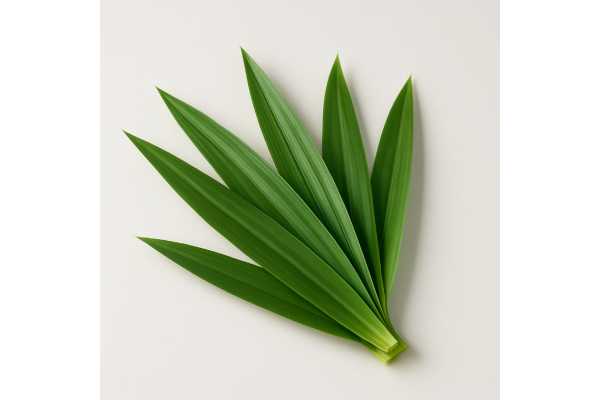
Pandan leaf is one of Southeast Asia’s most beloved yet underrated ingredients. Long, blade-like, and intensely aromatic, it is often called the “vanilla of the East” for the way it perfumes rice, desserts, drinks, and curries with a warm, grassy, almost coconut-like fragrance. In many homes, a single knot of fresh leaves transforms a pot of rice into something special; in bakeries, pandan gives cakes and breads their distinctive green hue and floral sweetness.
Beyond flavor, pandan leaf offers modest amounts of fiber and micronutrients, along with a complex mix of plant compounds that show antioxidant, antimicrobial, and other bioactivities in experimental research. Extracts from the leaves are being studied for potential roles in blood sugar regulation, liver protection, and inflammation control, although most data are still early-stage. At the same time, pandan leaf is generally considered safe as a culinary ingredient when used in traditional amounts. This guide explores what pandan leaf is, how it is used, what current science suggests about its benefits and risks, and how to incorporate it safely into everyday cooking.
Fast Facts on Pandan Leaf
- Pandan leaf adds a strong, sweet, grassy aroma to rice, desserts, and curries while contributing small amounts of fiber and plant compounds.
- Leaf extracts show antioxidant, antimicrobial, and antidiabetic activity in lab and animal studies, but human evidence is still emerging.
- A practical culinary portion is 1–3 fresh leaves (or ½–1 teaspoon pandan powder) infused into dishes, used occasionally to several times per week.
- People with grass or pollen allergies, chronic liver or kidney disease, or those using herbal products alongside multiple medications should be cautious with concentrated pandan extracts.
Table of Contents
- Pandan Leaf Background and Culinary Role
- Pandan Leaf Nutrition and Key Compounds
- Evidence-Backed Benefits of Pandan Leaf
- Pandan Leaf Risks and Sensitivities
- Choosing Pandan Leaf Quality and Storage
- Preparing Pandan Leaf and Retaining Nutrients
- Pandan Leaf Portions, Comparisons and FAQs
Pandan Leaf Background and Culinary Role
When people say “pandan,” they are usually referring to Pandanus amaryllifolius, a tropical shrub with long, narrow, bright-green leaves that carry a distinctive perfume. Unlike many other members of the Pandanus genus, this species is largely sterile and propagated vegetatively, which is one reason its cultivation has traveled with people across Southeast Asia and, more recently, to other tropical and subtropical regions.
In traditional cuisines, pandan leaf rarely appears on the plate as a vegetable. Instead, it is used much like a vanilla pod or bay leaf: infused into liquids and then removed, or used to wrap foods that are later steamed or fried. The fragrance is mainly due to a compound known as 2-acetyl-1-pyrroline, which is also responsible for the aroma of fragrant rice varieties. Heating the leaves in the presence of moisture helps release this and other aroma molecules into the food.
Culinary uses vary by region:
- In Malaysia and Singapore, pandan leaves are tied into knots and cooked with coconut rice for dishes like nasi lemak, or wrapped around chicken pieces before deep-frying.
- In Indonesia and Thailand, pandan flavors sweets such as layered jelly cakes, custards, and steamed sponge cakes, often paired with coconut milk and palm sugar.
- In the Philippines and Vietnam, pandan infuses drinks, jellies, and festive desserts, and sometimes colors bread and pastries.
Outside Asia, pandan is increasingly used in creative ways: blended into ice cream, panna cotta, and even cocktails to bring an exotic, dessert-like aroma. Specialty bakeries may swirl pandan paste into brioche or laminate it into pastries.
Forms of pandan leaf available to home cooks now include:
- Fresh whole leaves (often sold frozen in regions where the plant does not grow)
- Dried leaf pieces or flakes
- Pandan powder made by drying and milling the leaves
- Homemade or commercial pandan extract or paste, where leaf juice is concentrated or combined with sugar
Fresh leaves offer the most complex aroma, while powder and extracts are convenient for baking and drinks. Each form differs slightly in strength and flavor, so recipes often need fine-tuning.
Culturally, pandan leaf is more than an aroma. In many households, it is associated with comfort foods, celebration desserts, and the smell of home. That emotional connection, combined with its very low calorie contribution, makes pandan a useful tool for building satisfaction into otherwise simple, modest meals such as lightly sweetened rice puddings or plain steamed rice.
Pandan Leaf Nutrition and Key Compounds
Pandan leaf is mainly used as a flavoring, so people consume it in small amounts: a few grams of leaf, or an infusion made from the leaves. That means its direct contribution to macronutrients like carbohydrates, protein, and fat is relatively minor compared with staple foods. Still, its composition is interesting and helps explain some of its studied properties.
Analyses of fresh pandan leaves show that they contain water, fiber, small amounts of protein, and modest quantities of carbohydrates, including natural sugars such as glucose and fructose. The leaves are not particularly energy-dense, but they do provide dietary fiber, especially insoluble fiber, which can support bowel regularity when larger quantities are consumed in traditional remedies or as part of herbal teas.
Micronutrient data are more limited but suggest that pandan leaf provides small amounts of minerals such as iron, potassium, and calcium, and may contain vitamin A precursors in some plant parts. However, because typical culinary serving sizes are small and often used as infusions rather than eaten whole, pandan leaf is best viewed as a supplementary micronutrient source rather than a primary one.
The more distinctive aspect of pandan leaf is its phytochemical profile. Key components include:
- Aromatic aldehydes and heterocyclic compounds, particularly 2-acetyl-1-pyrroline, which gives pandan and certain fragrant rices their characteristic smell.
- Phenolic compounds and flavonoids, which contribute antioxidant properties in laboratory assays.
- Glycosides and other secondary metabolites that may influence blood sugar regulation and inflammatory pathways in experimental models.
Extracts from pandan leaves have demonstrated notable total polyphenol content and strong free-radical-scavenging activity in chemical tests, suggesting a capacity to counter oxidative stress. Some studies indicate that these antioxidant effects remain relatively stable under heat, which is useful because pandan is typically cooked or infused into hot liquids.
In addition, pandan leaf extracts show moderate antimicrobial activity against certain bacteria and fungi in vitro. This may relate to a combination of phenolics, volatile constituents, and other less well-defined compounds. While the concentrations used in these experiments are higher than those in typical foods, the findings support pandan’s traditional reputation as a plant with both culinary and medicinal value.
Pandan’s phytochemicals may also interact with starch digestion and blood sugar responses. Experimental work on foods enriched with pandan extract suggests that the polyphenols can modestly lower the glycemic impact of certain starches, potentially by altering starch structure or inhibiting carbohydrate-digesting enzymes. Again, this is an emerging area rather than settled science.
Overall, pandan leaf offers:
- Very low calories and modest fiber at culinary doses
- Small amounts of minerals and possibly provitamin A in some preparations
- A complex mixture of aromatic and phenolic compounds with antioxidant and antimicrobial potential
Because serving sizes are small, pandan leaf will not overhaul a diet on its own. Its value lies in adding flavorful complexity and incremental phytochemicals to meals that are already built around whole, nutrient-dense ingredients.
Evidence-Backed Benefits of Pandan Leaf
Scientific interest in pandan leaf focuses on several potential benefit areas: antioxidant capacity, antimicrobial activity, metabolic effects, and organ protection. Most evidence comes from laboratory and animal studies, but the trends help explain why pandan is valued beyond its aroma.
Antioxidant properties are among the best studied. Leaf extracts show substantial polyphenol content and strong performance in common antioxidant assays. In some experiments, pandan leaf extract has been incorporated into cooking oil or fried foods, where it helped slow oxidation and preserve quality over repeated frying cycles. This suggests that pandan compounds can withstand cooking temperatures and act as natural antioxidants in food systems.
Antimicrobial effects are another area of interest. Ethanolic extracts of pandan leaves have inhibited the growth of certain bacteria in vitro, including common foodborne and opportunistic pathogens. The mechanisms appear to involve disruption of microbial cell membranes and interference with metabolic processes. Although culinary infusions are not as concentrated as the extracts used in these experiments, the findings support traditional uses of pandan in foods that are stored at room temperature or in climates where microbial spoilage is a concern.
Metabolic health is a third emerging theme. Experimental studies on animals and cell systems indicate that pandan leaf extracts may:
- Enhance insulin sensitivity or signaling
- Improve glucose uptake by cells
- Modulate enzymes involved in carbohydrate digestion
In some models, pandan extracts have lowered blood sugar levels or improved glucose tolerance, especially when given alongside high-carbohydrate diets. Early work also points to anti-inflammatory effects, with reductions in pro-inflammatory markers and improvements in oxidative stress indicators.
There is also research on organ-specific protection, particularly for the liver. In toxicant-induced liver injury models in rodents, pandan leaf extract has been associated with improved liver enzyme profiles, better antioxidant defense in liver tissue, and less histological damage. These findings suggest hepatoprotective potential, although confirmation in human studies is lacking.
Beyond these mechanistic effects, pandan is sometimes used in traditional medicine to:
- Soothe headaches or mild pain
- Support digestion
- Reduce fever or improve overall vitality
These uses have not been rigorously tested in large controlled trials. They do, however, align loosely with the observed antioxidant, anti-inflammatory, and mild sedative properties seen in some experimental contexts.
For everyday use, it is helpful to frame pandan leaf benefits realistically:
- As a culinary ingredient, it can contribute antioxidant and potentially beneficial compounds in small amounts, especially when used regularly in a diverse, plant-rich diet.
- As an herbal tea or infusion, it may provide a gentle way to increase fluid intake and add plant compounds without caffeine or added sugar.
- As a concentrated extract or supplement, it is still under active investigation, and safety and efficacy are not yet well established for long-term use or specific health conditions.
At present, the most evidence-aligned approach is to enjoy pandan leaf in food and simple beverages, rather than to rely on high-dose extracts as stand-alone treatments. Any therapeutic use—such as for blood sugar management or liver health—should be guided by a healthcare professional and seen as a complement, not a replacement, for established medical care.
Pandan Leaf Risks and Sensitivities
Pandan leaf is generally regarded as safe when used in traditional culinary amounts. It has a long history of use in food across Southeast Asia, and there are no widespread reports of serious adverse effects from normal dietary intake. That said, several nuances are worth understanding, particularly when pandan is used in concentrated forms.
First, allergies are possible with any plant. While pandan leaf allergy appears uncommon, people with a history of strong reactions to grasses, pollens, or certain tropical plants may be more likely to react. Symptoms could include itching in the mouth, hives, swelling of lips or eyelids, or gastrointestinal discomfort. Severe reactions such as difficulty breathing, wheezing, or faintness require urgent medical care. Anyone who suspects an allergy to pandan should stop exposure and seek evaluation rather than continuing to experiment with the herb.
Second, most of the safety data available from animal studies focus on extracts, sometimes at high doses. Short-term and longer-term experiments with aqueous or alcoholic pandan extracts have generally found low toxicity at doses far above typical human dietary exposures, with no major organ damage or mortality. However, there are limits to how directly these findings translate to humans, especially for people with existing liver, kidney, or metabolic conditions.
Third, concentrated pandan products such as capsules, tinctures, or highly reduced extracts may pose different risks than culinary leaf infusions. In such products, active compounds are present at much higher levels, and the balance of constituents can be altered by the extraction method. Potential concerns include:
- Effects on liver enzymes that handle drugs and toxins
- Interactions with medications used for diabetes, high blood pressure, or blood clotting
- Unknown long-term effects on hormone balance or reproductive health
Because formal human safety studies are limited, self-prescribing high-dose pandan supplements for chronic conditions is not advisable. People taking multiple medications, those with chronic illnesses, and older adults should be especially cautious.
Fourth, quality and contamination issues must be considered. Herbal products can be contaminated with heavy metals, microbial toxins, or adulterants if grown or processed under poor conditions. Whole pandan leaves purchased from reputable food suppliers are usually lower risk, but powdered or encapsulated products from unverified sources warrant more scrutiny. As with any herbal product, choosing suppliers with clear quality control measures and batch testing is important.
Special populations deserve additional care:
- Pregnant or breastfeeding individuals: Culinary use of pandan in food is generally considered acceptable, but concentrated extracts and supplements have not been well studied and are usually not recommended without medical guidance.
- Children: Small amounts of pandan in food or mild teas are likely safe for most children, but products marketed as “medicinal” or “detoxifying” should not be given without pediatric advice.
- People with serious liver or kidney disease: These organs process many herbal compounds. Even though pandan appears low in toxicity, extra caution and medical consultation are prudent before adding any concentrated herbal product.
Finally, pandan is sometimes included in multi-herb blends or “detox” drinks alongside other botanicals that may carry their own risks. In such cases, it can be hard to determine which component is responsible for any adverse effect.
In summary, pandan leaf used as a flavoring or mild infusion is safe for most healthy adults. The main risk increases when potent extracts are used frequently, at high doses, or in people with complex health situations. When in doubt, stick to food-level use and discuss any planned supplement regimen with a qualified health professional.
Choosing Pandan Leaf Quality and Storage
Because pandan leaf is so aromatic, quality matters greatly. Fresh, well-grown pandan can transform a dish; tired or poorly stored leaves may add little more than color.
When buying fresh pandan leaves, look for:
- Bright, uniform green color without yellowing or dark patches
- Firm, turgid leaves that stand upright rather than limp or wilted
- Clean surfaces without mold, sliminess, or excessive dirt
Leaves are typically sold in bundles. The base may be slightly white where it was cut from the plant; this is normal. A gentle rub of the leaf between your fingers should release a sweet, grassy aroma. If you can barely smell anything, the leaves may be old or of low quality.
In regions where pandan does not grow outdoors, frozen leaves are common. These are usually cleaned, cut, and tightly packed. High-quality frozen pandan should still release a strong aroma when thawed. Avoid packages with excessive frost or signs of freezer burn, which can signal temperature fluctuations and aroma loss.
Dried pandan leaf is less common but useful where fresh or frozen forms are not available. The leaves are typically cut into small pieces or thin strips and then dehydrated. Good dried pandan should still smell fragrant when you open the container. Color may be darker than fresh but should not be uniformly brown or gray. Because drying can reduce aroma, you may need to use more dried pandan than fresh to get the same effect.
Pandan powder is made by drying and finely milling the leaves. It is convenient for baking and drinks, but quality varies. Some commercial “pandan powders” are actually flavored and colored mixes with sugar, artificial coloring, and flavorings. For a more natural product, look for ingredient lists that mention only pandan leaf or clearly identify added ingredients, and choose according to your needs.
At home, storage practices can preserve pandan’s value:
- Fresh leaves: wrap loosely in a slightly damp paper towel, place in an open bag or container, and refrigerate. Use within about one week. For longer storage, cut into pieces and freeze in airtight bags.
- Frozen leaves: keep in the coldest part of the freezer and reseal tightly after removing what you need. Avoid repeated thawing and refreezing.
- Dried leaves and powder: store in airtight containers away from heat, light, and moisture. A cool pantry or cupboard is ideal.
Pandan leaves kept in the refrigerator should be discarded if they become slimy, develop off-odors, or show visible mold. Dried products should be replaced if they lose aroma significantly or show signs of moisture damage, clumping, or insect contamination.
From a sustainability perspective, pandan is relatively easy to grow in warm, humid climates and can be propagated from cuttings, which helps reduce pressure on wild plant populations. Growing a plant in a pot or garden bed in suitable climates is a practical way to have a steady supply of fresh leaves with minimal environmental impact. For commercial products, choosing suppliers that emphasize sustainable cultivation and fair treatment of workers is a way to support responsible production.
By choosing good-quality pandan leaf and storing it carefully, you ensure that each knot of leaf or spoonful of powder brings the fresh, comforting aroma that makes pandan so treasured in the kitchen.
Preparing Pandan Leaf and Retaining Nutrients
Preparing pandan leaf is straightforward, but small details can make a noticeable difference to both flavor and any beneficial compounds you hope to capture.
For fresh leaves, basic preparation steps include:
- Rinse the leaves under cool running water to remove dust or debris.
- Trim away any dried or damaged tips.
- Tie each leaf into a loose knot, which makes it easier to handle and helps expose more surface area to the liquid.
To infuse rice or other grains, place one or two knotted leaves into the pot along with the water and cook as usual. For coconut rice or desserts, pandan is often simmered with coconut milk and then removed before serving. In curries and soups, the leaves can be added early in cooking and left to simmer, similar to bay leaves.
For desserts and drinks, many cooks prefer making pandan juice:
- Cut fresh leaves into small pieces.
- Blend with a small amount of water until finely pureed.
- Strain through a fine sieve or cloth to obtain a vivid green extract.
This juice can be used to flavor and color batters, custards, and beverages. If left to rest, some of the pigment may settle, creating a more concentrated layer that can be used sparingly.
When fresh leaves are not available, pandan powder can be whisked directly into batters or dissolved in a little warm water before adding to recipes. Dried leaf pieces are best steeped in hot water or coconut milk and then removed, similar to tea leaves.
To get the most from pandan while preserving its beneficial compounds:
- Avoid boiling pandan leaves for extremely long periods at high heat without a lid, as continuous vigorous boiling can drive off aroma compounds. Gentle simmering in covered pots is usually sufficient.
- Use infusions relatively soon after preparation. Over time, flavor fades and antioxidants may degrade when stored at room temperature.
- Combine pandan with other nutrient-rich ingredients, such as whole grains, legumes, and fruits, to create dishes where pandan enhances both taste and overall nutritional quality.
If you are interested in pandan’s potential metabolic or antioxidant effects, teas and infusions are common traditional preparations. A simple approach is to simmer a few knotted leaves in a pot of water for 10–15 minutes, then let steep and drink warm or chilled. The result is a lightly flavored, caffeine-free beverage that may provide a gentle dose of the leaf’s compounds alongside hydration. Sweeteners can be added sparingly, but keeping the drink only mildly sweet aligns better with blood sugar goals.
For food safety, always work with clean utensils and containers, especially when making pandan juice or storing infusions. Refrigerate leftovers promptly and discard any liquids that develop off-smells, cloudiness, or signs of fermentation.
In baking and desserts, pandan can be a flavor-forward alternative to artificial colorants and synthetic flavorings. Because its natural color can vary, especially after heating, it is often combined with other natural color sources or used in recipes where a subtle green shade is acceptable.
Handled with care, pandan leaf can serve as both a culinary design element and a modest source of protective plant compounds in everyday meals and drinks.
Pandan Leaf Portions, Comparisons and FAQs
Because pandan leaf is prized for aroma rather than bulk, appropriate portions are modest. There are no official dietary recommendations for pandan, but traditional usage provides practical guidance.
For rice and savory dishes, cooks typically use 1–3 fresh leaves per pot, depending on leaf size and the quantity of food. Each leaf may weigh a few grams. In desserts, a small bundle of leaves is simmered with coconut milk or syrups, then removed after the desired flavor is achieved. When using pandan powder, recipes often call for ½–1 teaspoon per batch of batter or dough serving multiple people.
As a tea or infusion, using 2–4 knotted leaves per liter of water is common. This can be adjusted based on how strong you like the aroma. Drinking a cup or two of such tea occasionally or several times per week is within normal traditional patterns.
As a tea or infusion, using 2–4 knotted leaves per liter of water is common. This can be adjusted based on how strong you like the aroma. Drinking a cup or two of such tea occasionally or several times per week is within normal traditional patterns.
For most healthy adults, these amounts are reasonable. If you are new to pandan or have a sensitive digestive system, starting with smaller quantities and observing your response is sensible. Mild digestive changes such as gas or stomach discomfort are possible with any new herbal beverage, though not commonly reported with pandan leaf.
It is also helpful to compare pandan leaf with other flavoring ingredients:
- Compared with vanilla, pandan offers a more grassy, coconut-like aroma and is typically used in leaf or extract form rather than as a pod or pure flavor compound.
- Compared with lemongrass or kaffir lime leaves, pandan is sweeter and less sharp, playing a more dessert-like role, though it also appears in savory coconut-based curries and rice dishes.
- Compared with colorful synthetic flavorings, pandan provides a more complex, natural profile and carries some fiber and plant compounds, albeit in small amounts.
Common questions include:
- Is pandan leaf good for weight management?
On its own, pandan does not cause weight loss. However, using pandan to flavor minimally sweetened drinks and simple desserts can support a pattern of enjoying treats with less added sugar and fat. Because it is low in calories, pandan itself does not significantly impact energy intake. - Can pandan leaf help with blood sugar control?
Experimental data suggest that pandan leaf extracts can influence enzymes involved in carbohydrate digestion and may help moderate blood sugar rises in certain models. Human evidence is limited and not strong enough to treat pandan as a stand-alone diabetes therapy. Using pandan in place of very sweet, refined flavorings is compatible with blood sugar management, but medication and medical dietary advice remain primary. - Is pandan safe to drink daily as a tea?
For most healthy adults, a daily cup or two of mild pandan tea prepared from a few leaves is likely acceptable. However, people with chronic illness, those taking multiple medications, and pregnant or breastfeeding individuals should check with a healthcare professional before turning any herb into a long-term, daily remedy. - Are there people who should avoid pandan leaf?
Individuals with suspected or confirmed allergy to pandan or closely related plants should avoid it. Those with serious liver or kidney disease, or people on complex medication regimens, should be cautious with concentrated pandan extracts or supplements and seek medical guidance. Culinary use in small amounts is usually low risk but should still be discussed if you have specific concerns.
Pandan leaf is best seen as a fragrant, flexible ingredient that enriches meals and drinks with cultural meaning and sensory pleasure. Used within a varied, whole-food diet, it adds nuance and potential health-supportive compounds without demanding major changes to daily routines.
References
- What Is Pandan? Benefits, Uses, Taste, and Substitutes 2020 (Evidence summary)
- Antimicrobial potentials of Pandanus amaryllifolius Roxb. 2024 (Experimental study)
- Antioxidative properties of Pandanus amaryllifolius leaf for use in heated food 2008 (Experimental study)
- Phytochemical constituents, and antioxidant, antidiabetic and anti-inflammatory activities of Pandanus amaryllifolius leaf extracts 2025 (Experimental study)
- Progress on the studies of Pandanus amaryllifolius, the fragrant screwpine 2025 (Narrative review)
Disclaimer
The information in this article is intended for general educational purposes only and is not a substitute for professional medical advice, diagnosis, or treatment. Individual responses to pandan leaf and other herbs can differ, especially in the presence of allergies, chronic diseases, pregnancy, breastfeeding, or complex medication use. Always consult a qualified healthcare professional or registered dietitian before using pandan leaf or its extracts to manage any health condition, adjust prescribed treatments, or introduce herbal products for children, older adults, or vulnerable individuals.
If you found this article useful, you are warmly invited to share it on Facebook, X (formerly Twitter), or any platform you prefer. Sharing balanced, well-researched content helps others make informed choices and supports continued work on clear, trustworthy nutrition and health resources.