Mint is one of those herbs that quietly does a lot of work in the background. A few leaves can cool a spicy curry, brighten a salad, or turn plain water into something genuinely refreshing. Beyond its bright flavor and aroma, mint brings antioxidants, small but meaningful amounts of vitamins and minerals, and several aromatic compounds that may support digestion, respiratory comfort, and overall wellbeing.
Most people meet mint as fresh leaves in teas, chutneys, salads, and garnishes, or as dried leaves in herbal blends. Others encounter it through peppermint oil capsules or spearmint tea used for particular health concerns. Different mint species have slightly different properties, but they share many core features: fragrant essential oils, polyphenols, and a very low calorie, plant-rich profile.
This guide walks you through what mint is, how it may benefit health, its nutrition details, how to buy and store it, safe use, and how to enjoy it in everyday meals without overdoing it.
Mint At a Glance
- Mint provides antioxidants and small amounts of vitamin A, vitamin K, folate, and minerals while adding very few calories.
- Peppermint oil and spearmint tea have been studied for digestive comfort and hormone-related symptoms in specific groups.
- A practical culinary serving is about 2–4 g fresh mint (roughly 10–20 leaves) or 1–2 cups brewed mint tea, several times per week.
- Concentrated mint oils and extracts can trigger reflux or irritation and are not suitable for young children or people with certain medical conditions.
- Individuals with mint allergy, severe reflux, gallbladder disease, or complex medication regimens should limit or avoid concentrated mint products unless advised by a health professional.
Table of Contents
- Mint background and culinary uses
- Mint nutrition profile and key compounds
- Mint research based health benefits
- Mint safety allergies and interactions
- Buying mint quality and storage
- Preparing mint and nutrient retention
- Mint portions comparisons and faqs
Mint background and culinary uses
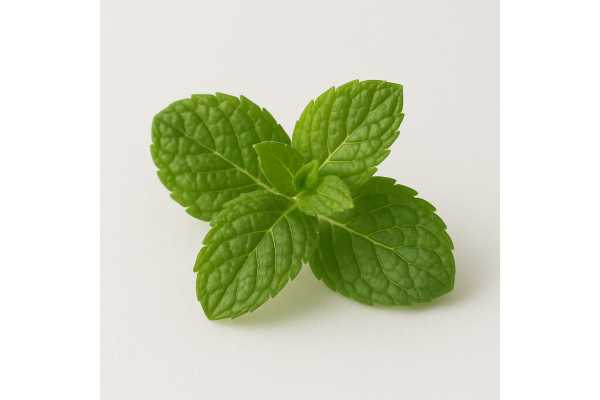
Mint is the common name for plants in the Mentha genus, which includes peppermint, spearmint, apple mint, and several other hybrids. These herbs belong to the same botanical family as basil, thyme, and oregano, and they share the characteristic square stem and aromatic leaves typical of that family. Mint has been used for centuries in traditional cuisines and household remedies across Europe, the Middle East, South Asia, and North Africa.
Peppermint tends to have a stronger, cooler flavor because it naturally contains more menthol. Spearmint is softer and slightly sweet, making it a favorite for salads, drinks, and sauces. In many recipes, the term “mint” on its own usually refers to spearmint, especially in Mediterranean and Middle Eastern dishes.
Culinary uses of mint are remarkably broad:
- Fresh leaves in salads such as tabbouleh and fattoush
- Green chutneys and relishes served with grilled meat, paneer, or snacks
- Herbal teas made from fresh or dried peppermint or spearmint
- Garnish for desserts, fruit plates, and yogurt-based dishes
- Blended into smoothies, infused waters, and iced teas
- Incorporated into marinades, dressings, and cold soups
In cooking, mint behaves more like a leafy herb than a spice. Its delicate flavor is easily lost with long, intense heat, so it is often added near the end of cooking or used fresh. A handful of leaves can brighten heavy dishes, coordinate with tangy ingredients like lemon and yogurt, and balance fatty or spicy foods.
Culturally, mint is linked with freshness and hospitality. Offering mint tea or mint-infused water to guests is a common practice in several regions. This likely reflects both its pleasant taste and its long reputation for soothing digestion and freshening breath.
Today, mint’s uses extend into confectionery, oral care products, topical preparations, and aromatherapy. While these products rely heavily on mint’s essential oils, this article focuses on culinary mint leaves and commonly used teas, with a brief look at peppermint oil where human research exists.
Mint nutrition profile and key compounds
Despite its intense flavor, mint is very light in calories. Fresh peppermint or spearmint leaves provide only a small number of calories per tablespoon or handful. This makes mint an easy way to add flavor without contributing much to overall energy intake.
Mint’s nutrition profile centers on micronutrients and plant compounds rather than macronutrients:
- Vitamins: Fresh mint provides vitamin A (mainly as provitamin A carotenoids), vitamin K, folate, and smaller amounts of several B vitamins. Because it is usually eaten in small quantities, mint is not a major nutrient source on its own, but it can contribute to daily intake when used frequently.
- Minerals: Mint contains potassium, calcium, iron, and manganese in modest amounts. These support electrolyte balance, bone health, oxygen transport, and enzyme function as part of an overall varied diet.
- Fiber: When used as a leafy herb, mint adds a little dietary fiber. This amount is not large per serving, but frequent small contributions can support digestive health over time.
Beyond vitamins and minerals, mint is notable for its bioactive compounds:
- Essential oils: Peppermint is rich in menthol, menthone, and related compounds. Spearmint contains more carvone and less menthol. These volatile oils are responsible for the cooling sensation, characteristic scent, and some of the functional effects on smooth muscle and sensory nerves.
- Polyphenols: Mint contains rosmarinic acid, flavonoids such as eriocitrin and luteolin derivatives, and other phenolic compounds. These act as antioxidants and may influence inflammatory pathways.
- Terpenes and other constituents: Limonene, 1,8-cineole, and other terpenes contribute to aroma and may show antimicrobial or other biological effects in experimental models.
Dried mint is more concentrated by weight, so a teaspoon of dried leaves can provide more polyphenols than the same volume of fresh leaves. However, drying can alter the composition of volatile oils and may soften the fresh, green aroma.
Mint tea, made by steeping leaves in hot water, extracts water-soluble components like polyphenols, along with some of the volatile oils that escape as steam. The infused drink remains very low in calories but can deliver meaningful amounts of antioxidant compounds, especially if brewed strongly.
Food composition databases often list nutrient values per 100 grams of mint, whereas a realistic serving is closer to 2–4 grams fresh. That means mint should be viewed as a nutrient “booster” rather than a primary source. Its real strength lies in delivering flavor and plant compounds that support a plant-rich, lower-salt, lower-sugar pattern of eating.
Mint research based health benefits
Mint has a long history of use in traditional medicine, but modern evidence focuses mainly on peppermint oil and spearmint tea in specific settings. It is important to distinguish between culinary mint, which provides gentle, cumulative benefits, and concentrated preparations used as short-term interventions.
Digestive comfort and irritable bowel syndrome
Peppermint oil has been studied for irritable bowel syndrome (IBS), a condition characterized by abdominal pain, bloating, and altered bowel habits. Enteric-coated peppermint oil capsules are designed to release in the small intestine, where menthol-rich oil can act on smooth muscle. Clinical trials and pooled analyses suggest that peppermint oil can reduce overall IBS symptoms and abdominal pain for some adults. However, not everyone responds, and side effects such as heartburn or anal burning can occur, particularly at higher doses or in those prone to reflux.
For general digestive comfort, many people rely on peppermint or spearmint tea after meals. While large trials are limited, traditional use and smaller studies suggest that mint infusions may help some individuals feel less bloated or crampy, possibly due to mild antispasmodic effects and the soothing warmth of the beverage.
Hormone-related effects in certain women
Spearmint tea has been investigated in women with excess hair growth linked to higher androgen levels, often in the setting of conditions like polycystic ovary syndrome. In small clinical trials, drinking spearmint tea twice daily over several weeks was associated with reductions in measures of free testosterone and modest improvements in self-reported facial hair. These findings are promising but preliminary, and spearmint tea should be seen only as a complementary measure alongside medical evaluation and management.
Breath freshness and oral comfort
Chewing fresh mint leaves, using mint mouth rinses, or drinking mint tea may help temporarily mask bad breath. Aromatic compounds and some antimicrobial activity can shift the balance of oral bacteria responsible for odor. However, regular brushing, flossing, and dental care remain far more important for long-term oral health than any single herb.
Respiratory comfort and perception of airflow
Inhaling mint vapors or drinking hot mint tea often creates an “opening” sensation in the nose and chest. Menthol influences cold receptors and sensory nerves involved in perceiving airflow, which can make breathing feel easier even when physical obstruction is unchanged. This can be comforting during colds or mild upper respiratory discomfort, especially paired with rest and adequate hydration.
Mood, alertness, and perceived fatigue
Some studies have explored the impact of peppermint aroma or ingestion on alertness, cognitive performance, and perceived fatigue. Results suggest that mint scents may help some people feel more awake or focused in the short term, likely through sensory stimulation and associations with freshness. Effects are modest, but including mint in beverages or using it as a pleasant scent can be part of a broader energy-management strategy that also prioritizes sleep, nutrition, and movement.
Overall, the most established evidence relates to peppermint oil in IBS and spearmint tea in certain hormone-related contexts, with supportive but less robust data for general digestive comfort, oral freshness, and respiratory ease. Culinary mint should be viewed as a gentle, supportive element of a healthy diet rather than a stand-alone treatment.
Mint safety allergies and interactions
For most healthy adults, using fresh or dried mint in food and drinking mint tea in moderate amounts is considered very safe. The main cautions appear when people use concentrated forms such as peppermint oil capsules or essential oils, or when they have specific medical conditions.
Allergy and sensitivity
True allergy to mint leaves is relatively uncommon but does occur. Possible symptoms include:
- Itching or swelling of the lips, tongue, or throat after eating mint
- Hives or rash on the skin
- In more severe cases, difficulty breathing or systemic reactions
People with known allergies to other plants in the mint family may have a higher likelihood of reacting. Anyone who notices consistent itching, swelling, or rash after mint exposure should stop using it and seek medical advice.
Skin irritation is more common with essential oils. Undiluted mint oil can cause burning, redness, or inflammation when applied directly to skin or mucous membranes, and should always be diluted appropriately if used topically.
Reflux, heartburn, and digestive conditions
Peppermint can relax smooth muscle, including the lower esophageal sphincter, which helps keep stomach contents from flowing back into the esophagus. In people prone to heartburn or gastroesophageal reflux disease, peppermint oil capsules or very strong mint tea can worsen symptoms. These individuals may tolerate small amounts of fresh mint in food but should be cautious with concentrated products.
Those with gallbladder disease or biliary colic have sometimes been advised to avoid large doses of peppermint oil, as changes in bile flow and smooth muscle tone could theoretically aggravate symptoms. Any use of concentrated mint in the presence of gallbladder disease should be supervised by a clinician.
Children, pregnancy, and breastfeeding
Culinary mint used in normal food amounts is generally acceptable during pregnancy, breastfeeding, and childhood unless there is an individual allergy. The main issues involve concentrated oils:
- Peppermint or menthol-containing inhalation products should not be applied to or near the noses of infants and very young children because of a risk of breathing difficulty.
- Essential oil capsules, tinctures, or undiluted oils are inappropriate for children.
- Pregnant and breastfeeding individuals should avoid self-prescribing high-dose peppermint oil or other concentrated mint products, as safety data are limited and doses in studies are controlled and supervised.
Medication interactions
Mint leaves themselves are unlikely to cause major interactions at culinary doses. However, peppermint oil capsules and concentrated extracts can theoretically influence medication absorption by altering gut motility or enzyme activity. Certain formulations may interact with drugs that rely on specific release patterns in the gastrointestinal tract.
People taking multiple medications, anticoagulants, or drugs with narrow therapeutic windows should consult their healthcare provider or pharmacist before starting peppermint oil capsules or other high-dose mint supplements.
In summary, food-level use of mint is safe for most people. Concentrated oils, capsules, and strong extracts require more caution, especially for those with reflux, gallbladder disease, chronic medical conditions, pregnancy, or in children.
Buying mint quality and storage
Choosing good mint and storing it well ensures you get the most flavor and potential health value from each leaf. Many of mint’s key compounds are sensitive to heat, light, and time, so small storage habits matter.
Selecting fresh mint
When buying fresh mint bunches or pots:
- Look for vibrant green leaves with minimal yellowing or browning.
- Avoid leaves that are slimy, heavily bruised, or have dark, mushy spots.
- Stems should feel firm, not soft or collapsing.
- When you gently rub a leaf, it should release a clean, strong aroma.
If available, locally grown mint often has better aroma because less time has passed from harvest to purchase. Organic options can reduce exposure to pesticide residues, though rinsing any fresh herb under running water helps remove surface contaminants.
Choosing dried mint and tea products
Dried mint is useful for cooking and infusions when fresh herbs are not available. When selecting:
- Check that the package is sealed and labeled with a clear best-before date.
- Prefer products where the dried leaves still have a greenish hue rather than being entirely dull brown.
- Choose simple ingredient lists that specify peppermint, spearmint, or mixed mint without unnecessary additives.
For mint teas, look at whether the tea bags or loose leaves specify the species. Peppermint and spearmint have different flavor profiles and slightly different research backgrounds.
Storing fresh mint
Fresh mint is delicate and benefits from gentle storage:
- Trim the stem ends and place the bunch in a glass of water like a bouquet, loosely cover with a bag, and refrigerate.
- Alternatively, wrap the stems in a slightly damp paper towel, place them in a container or perforated bag, and store in the refrigerator.
- Wash leaves just before use rather than far in advance to reduce the risk of spoilage.
Well-stored mint can remain usable for several days, sometimes up to a week, although fragrance gradually declines.
Storing dried mint and tea
Dried mint and tea bags should be kept:
- In airtight containers or sealed packaging
- In a cool, dry cupboard away from the stove or direct sunlight
- Away from strong-smelling foods, as dried herbs can absorb odors
Over time, dried mint loses potency even if it remains safe to use. Crushing a small amount in your fingers and checking the aroma is a simple way to test freshness. If the scent is faint or dusty rather than bright and minty, it may be time to replace it.
Sustainability aspects
Mint grows quickly and can spread aggressively in some gardens, which means small home plantings can provide abundant leaves with minimal input. Growing mint in pots or raised beds can prevent it from overtaking other plants and reduces the environmental footprint associated with packaging and transport.
By selecting high-quality mint and storing it carefully, you protect both flavor and the subtle nutritional and aromatic benefits that make this herb so versatile.
Preparing mint and nutrient retention
The way you wash, chop, and cook mint affects not only its flavor but also the volatile oils and polyphenols that contribute to its potential health effects. Many traditional methods of using mint already fit well with what we know about preserving these compounds.
Washing and basic preparation
To prepare fresh mint:
- Rinse under cool running water to remove dust and debris.
- Shake off excess water or use a salad spinner to dry gently.
- Strip leaves from the stems by pinching and pulling downward.
For cooking, you can stack the leaves, roll them into a tight cylinder, and slice thinly to create even ribbons. For teas, you can use whole sprigs or lightly bruised leaves.
Managing heat and preserving aroma
Mint’s essential oils are volatile and can evaporate or degrade with prolonged heat. To keep flavor and aroma vivid:
- Add fresh mint near the end of cooking, allowing just enough time for the leaves to wilt.
- Use dried mint earlier in slow-cooked dishes, reserving a small amount of fresh or dried mint as a final garnish.
- For dishes like stews and sauces, consider stirring chopped fresh mint in after removing the pot from the heat.
This approach helps balance deeper, background herbal notes with brighter top notes.
Brewing mint tea effectively
To make a simple mint tea:
- Place about 1–2 teaspoons of dried mint or a small handful (5–10 leaves) of fresh mint into a cup or teapot.
- Pour over freshly boiled water.
- Cover the cup or teapot to trap the rising vapors.
- Steep for 5–10 minutes, adjusting time based on how strong you like the flavor.
- Strain if needed and drink warm, or cool for iced tea.
Covering the infusion while it steeps helps retain aromatic oils that might otherwise escape with the steam.
You can combine mint with lemon slices, ginger, chamomile, or green tea to create different flavor and function profiles. When combining with caffeinated teas, be aware that any stimulating effect comes from the tea leaves, not from the mint.
Preserving mint for later
If you have more mint than you can use immediately:
- Freezing: Chop washed, thoroughly dried leaves and freeze them in small portions, for example in ice cube trays with a little water. Drop the cubes into soups, sauces, or drinks as needed.
- Herb pastes: Blend mint with a neutral oil and a pinch of salt, then freeze in small containers or silicone molds. These pastes are handy for marinades and dressings.
- Drying: Air-dry small bundles upside down in a dark, well-ventilated place or use a low-temperature dehydrator. Once crisp, store leaves in airtight containers and crush just before use.
Freezing tends to preserve color and aroma better than drying, but both are valuable strategies. Rotating between fresh, frozen, and dried mint across the year can keep your cooking varied and economical.
By preparing mint thoughtfully and avoiding unnecessary heat and exposure to air, you keep more of what makes this herb both fragrant and potentially beneficial.
Mint portions comparisons and faqs
Mint is potent in both aroma and flavor, so typical amounts in recipes are small. At the same time, people often wonder how much mint tea is reasonable, how culinary use compares with supplements, and how mint stacks up against other herbs.
Practical culinary portions
Common ranges for everyday use include:
- Fresh mint leaves: roughly 2–4 g per serving, or about 10–20 leaves, depending on size. This is around 1–2 tablespoons of chopped leaves.
- Dried mint: about 1–2 teaspoons per portion for cooked dishes, salads, or dressings.
- Mint tea: 1–2 teaspoons of dried leaves or a small handful of fresh leaves per cup of hot water, up to several cups per day for most healthy adults without reflux or allergy.
These levels offer flavor and small amounts of plant compounds without approaching the higher doses used in capsule studies.
Peppermint oil and concentrated preparations
Enteric-coated peppermint oil capsules used in IBS research are standardized products designed to deliver a specific amount of oil to the small intestine. Culinary mint, peppermint candies, or aromatherapy oils are not interchangeable with these formulations.
Because dosing and individual responses vary, it is safer to think of peppermint oil capsules as a targeted intervention that belongs in a discussion with a healthcare professional, not as a do-it-yourself solution. Self-treatment with high-dose essential oils can carry real risks.
Mint compared with other herbs
- Compared with basil: Mint is cooler and more menthol-like, whereas basil tends to be more peppery and anise-scented. Both provide polyphenols and vitamin K.
- Compared with oregano: Oregano has a more robust, often slightly bitter flavor and is heavily used in tomato-based dishes. Mint is gentler and more refreshing, often better suited to salads, drinks, and lighter dishes.
- Compared with chamomile or fennel as digestive herbs: Mint leans toward muscle relaxation and sensory cooling, while chamomile is more associated with gentle calming and fennel with relief of gas. Many traditional blends combine these herbs for complementary effects.
Rather than choosing a single “best” herb, it is often more helpful to use a variety, each contributing its own set of flavors and compounds.
Frequently asked questions
Is it safe to drink mint tea every day?
For most healthy adults, 1–3 cups of mint tea daily is reasonable. People with reflux, gallbladder disease, or known mint allergy should be cautious and may need to limit or avoid mint tea.
Can mint help with weight management?
Mint does not directly cause weight loss, but using it to flavor water, herbal teas, and lighter dishes can support habits that favor lower sugar and higher plant intake.
Does mint affect blood pressure or heart rate?
Culinary amounts of mint are unlikely to have a major effect on blood pressure or heart rate. Research into cardiovascular effects of mint is still emerging, and mint should not be used as a replacement for prescribed treatments.
Can I use mint if I take regular medications?
Food-level use is generally acceptable for most people. If you are considering peppermint oil capsules or other concentrated products, talk to your clinician or pharmacist first, particularly if you take multiple medications or have chronic conditions.
By keeping portions moderate, listening to your body, and focusing on food-first use, you can enjoy mint as a flavorful, flexible ally in everyday cooking and self-care.
References
- Peppermint oil for the treatment of irritable bowel syndrome: a systematic review and meta-analysis 2014 (Systematic Review)
- Systematic review and meta-analysis: efficacy of peppermint oil in irritable bowel syndrome 2022 (Systematic Review)
- Effect of spearmint (Mentha spicata Labiatae) teas on androgen levels in women with hirsutism 2007 (RCT)
- Mentha species as a source of bioactive compounds and potential health benefits 2021 (Review)
- USDA FoodData Central: Spearmint, fresh 2019 (Nutrient Database)
Disclaimer
The information in this article is intended for general educational purposes and is not a substitute for personalised medical advice, diagnosis, or treatment. Mint, peppermint oil, and spearmint tea can interact with individual health conditions and medications in ways that are not fully covered here. Always consult a qualified healthcare professional before making significant changes to your diet, using herbal products for specific health concerns, or starting any new supplement, especially if you are pregnant, breastfeeding, have chronic illness, or take prescription medicines.
If you found this guide on mint helpful, you are welcome to share it with others on Facebook, X (formerly Twitter), or any platform you prefer. Sharing supports wider access to balanced, evidence-informed nutrition information and helps our team continue producing thoughtful, carefully researched content.